1 free read left. Create a free account for unlimited reading + AI research.
Create free accountArticle Sage Publications
1 free read left. Create a free account for unlimited reading + AI research.
Create free accountArticleSage Publications
Mixed student teams negotiate oil exploration and production under a fictional WTO trade-agreement scenario. Teams represent Western, Oasistani, Russian, Brazilian, Chinese, and NGO actors.
OASISTAN is a no-tech, physical role-playing simulation designed to give engineering Master's students a firsthand, often frustrating experience of culture shock grounded in cultural dimensions theory. Created in 1999, it has been played roughly 45 times at Delft and three times at Harbin between 2006 and 2008, with sessions of 15 to 30 players. A review of 25 intercultural games found that few apply explicit cultural dimensions theory, and the game's central argument is that intercultural simulation gaming can be renewed by drawing on updated cultural theory, here the twelve dimensions from Maleki and De Jong (2014).
Players form Western, Oasistani, non-Western, and NGO teams in the fictional, synthetic-culture country of Oasistan. Each team carries ordinal scores across the twelve dimensions, with the West high on individualism and low on power distance and the Oasistani the reverse. The plot begins when a new WTO agreement strips Oasistan of its privileged spice trade, prompting the EU to propose a Shell-led oil refinery in the Caspian region, while Brazilian, Chinese, Russian, and NGO actors join uninvited or late. Secret role descriptions with culture-laden behavioral rules, deliberately dominant lead roles, facilitator time-outs, and a four-question debriefing steer a formal meeting from comedy toward animosity. Informal breakouts then help players build relationships and understand the differences. A physical format was chosen over a computer game to provoke clashes and allow behavioral freedom.
Sessions typically involve 20 to 25 students and have been filmed since 2011. Players mostly completed the formal agenda while experiencing frustration and conflict, and ten of the twelve dimensions surfaced, including individualism versus collectivism, power distance, and sequentiality versus synchronicity. Uncertainty avoidance and collaborativeness were rarely or never observed. Design challenges include two heavy leading roles, and Chinese students struggled with expressive roles while West-European students struggled with submissive ones. The authors report strong learning experiences and value video review for deepening analysis, but call for more rigorous evaluation.
The analysis covers only the first of three rounds, which addresses communication and decision-making differences. Later rounds involve renegotiation after oil reserve changes and political instability, and Western dominance declines. The game targets future international managers.
Sage Publications · 2019
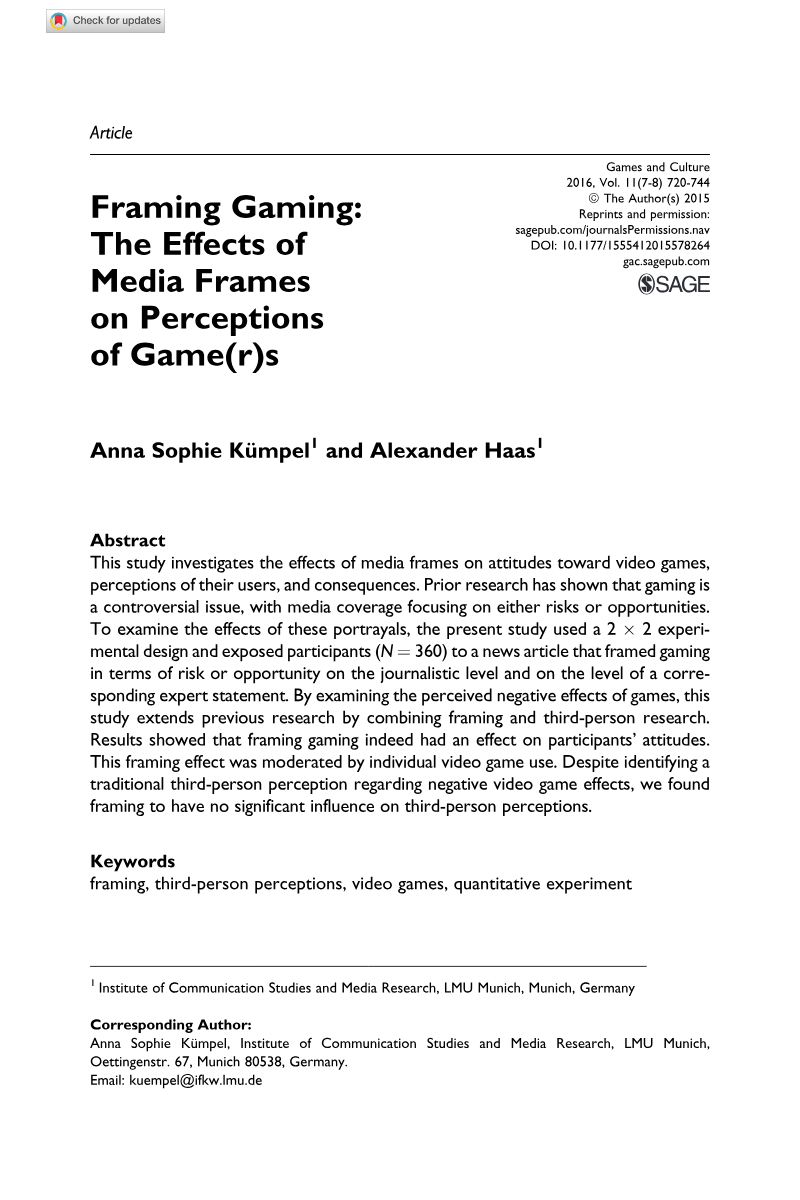
Games and Culture · 2015
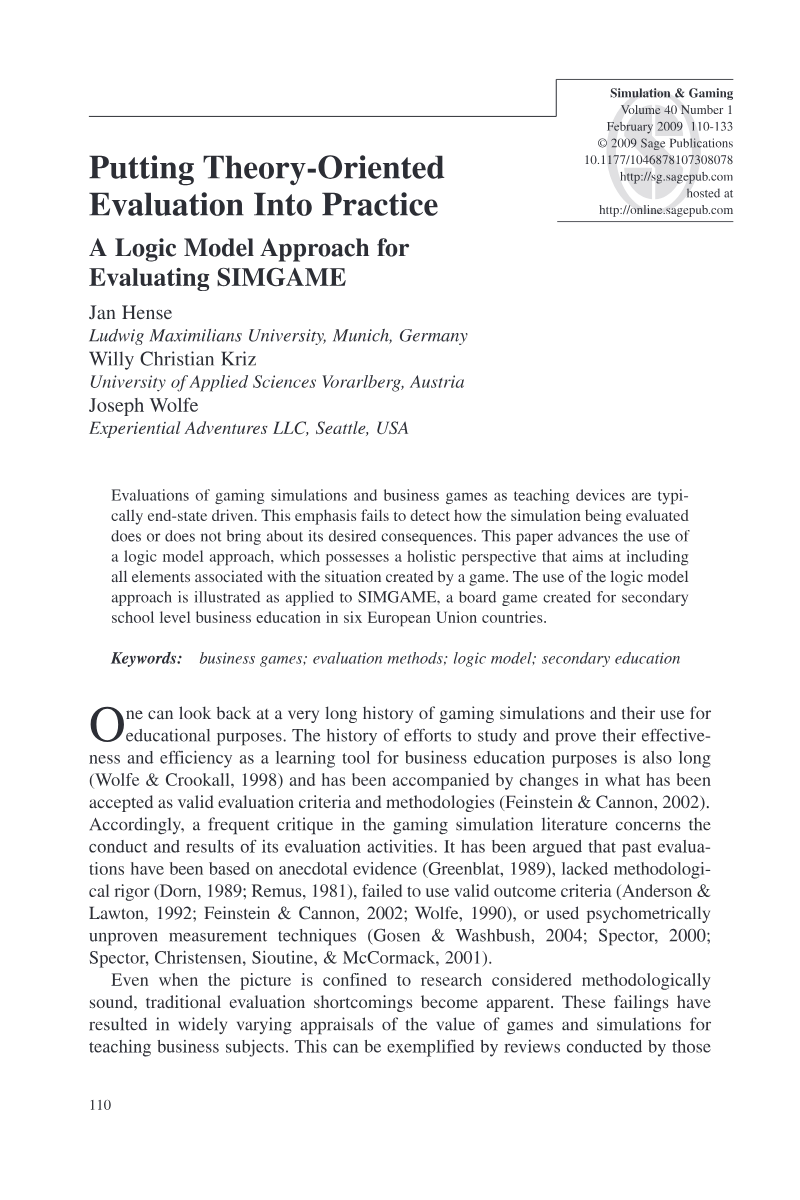
Simulation & Gaming · 2007



European Conference on Games Based Learning (ECGBL) · 2026
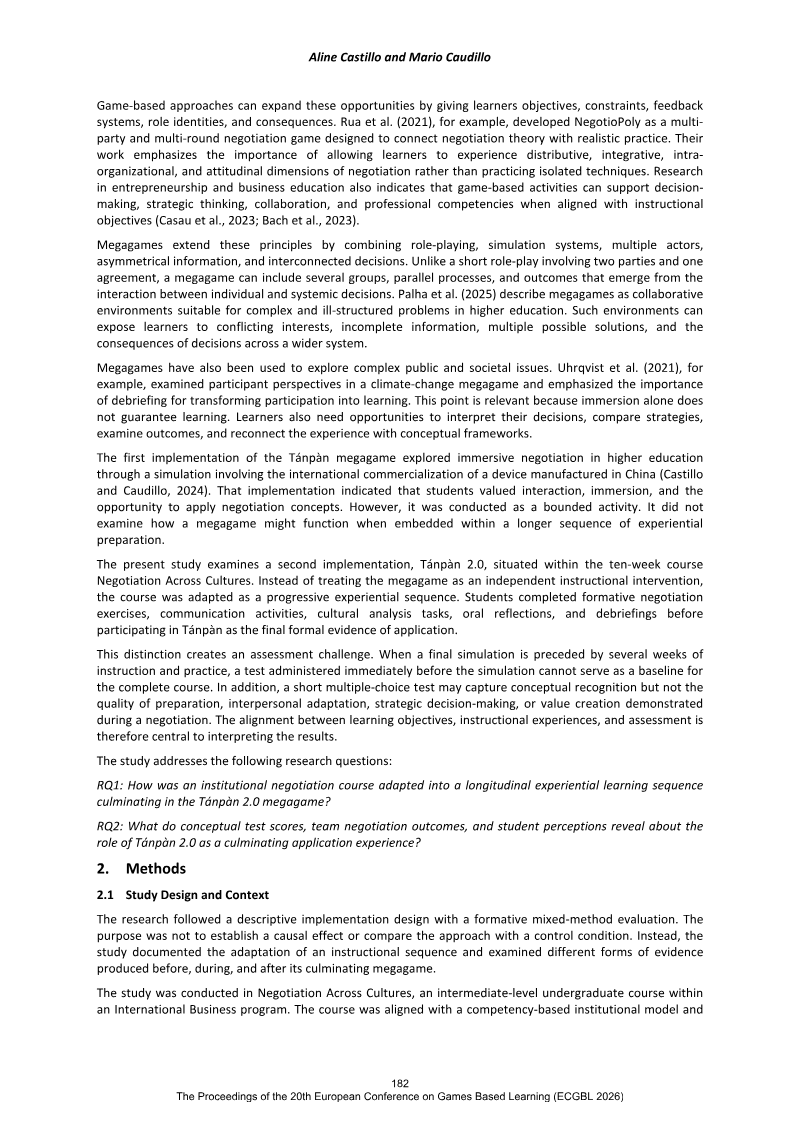
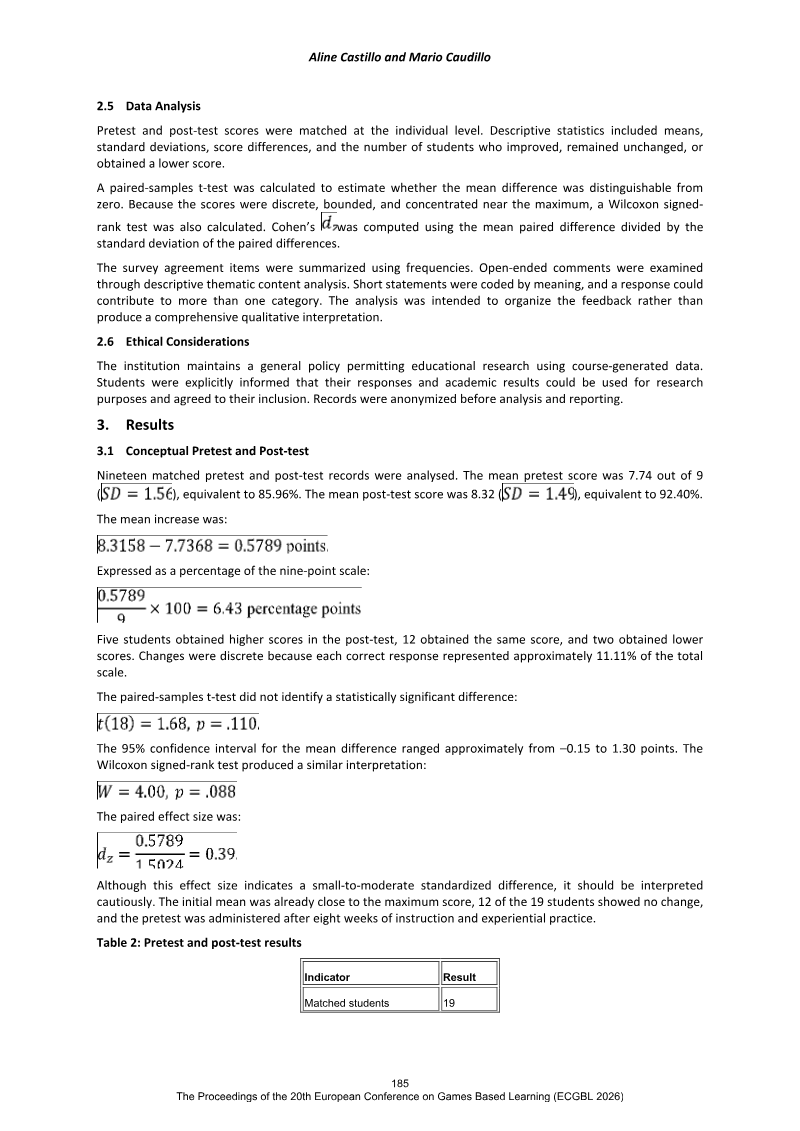
European Conference on Games Based Learning (ECGBL) · 2026
European Conference on Games Based Learning (ECGBL) · 2026