1 free read left. Create a free account for unlimited reading + AI research.
Create free accountWhitepaper Sage Publications
1 free read left. Create a free account for unlimited reading + AI research.
Create free accountWhitepaperSage Publications
Distilling the key insights…
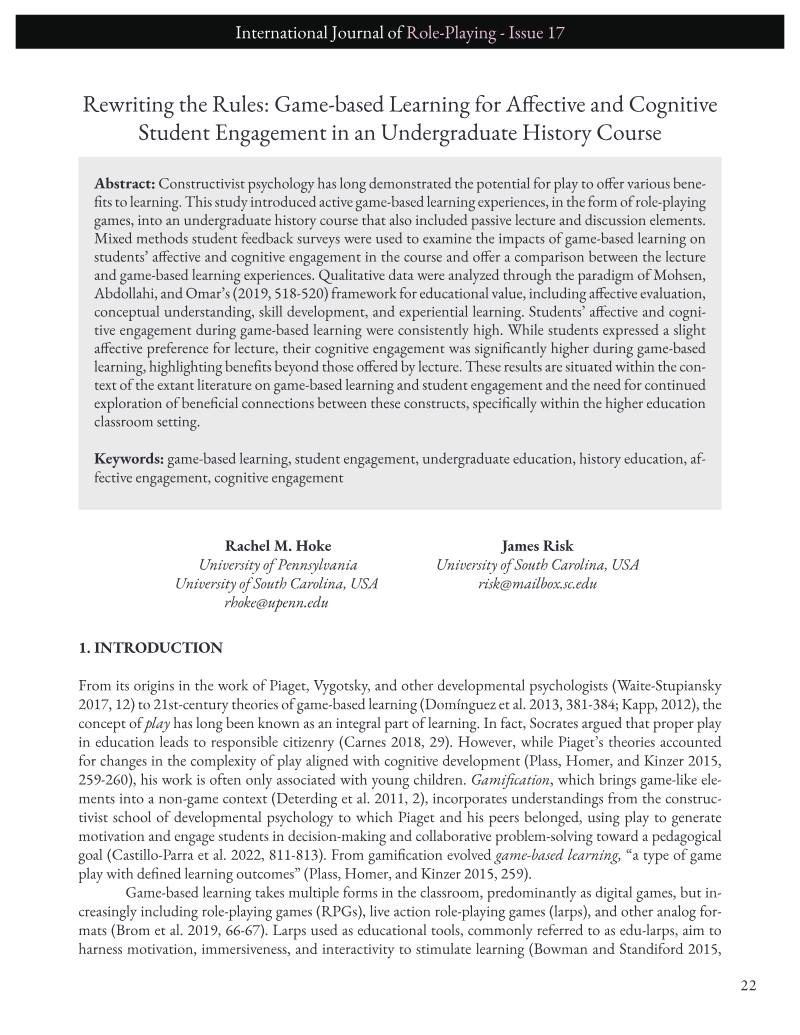
Higher education institutions increasingly integrate gamification and game-based learning to enhance student engagement and academic outcomes. Despite the proliferation of these interventions, a critical research gap persists regarding the role of students’ pre-existing perceptions. While existing literature consistently demonstrates that students generally hold positive attitudes toward game-based elements, current academic inquiry focuses almost exclusively on post-exposure feedback. This reliance on retrospective data obscures the influence that initial expectations and attitudes exert on the ultimate effectiveness of these pedagogical tools.
An analysis of 46 peer-reviewed publications reveals that while a correlation exists between positive student perception and successful intervention outcomes, the current body of evidence is insufficient to establish a definitive causal relationship. Most studies rely on limited questionnaire-based methodologies that fail to account for the psychological state of the learner prior to engagement. Consequently, the field lacks a comprehensive understanding of how pre-perceptions act as a variable in the success of game-based learning strategies.
To advance the field, future research must move beyond simple post-intervention surveys and adopt more rigorous, longitudinal, and mixed-method approaches. Expanding sample sizes and incorporating diverse academic contexts will be essential to isolating the drivers of effective gamification. By prioritizing the study of initial student attitudes, educators and designers can better tailor interventions to meet learner needs, ultimately moving toward a more evidence-based framework for integrating game science into higher education curricula.
Sage Publications · 2024
Simulation & Gaming · 2024
Sage Publications · 2019
Sage Publications · 2017
Games and Culture · 2015
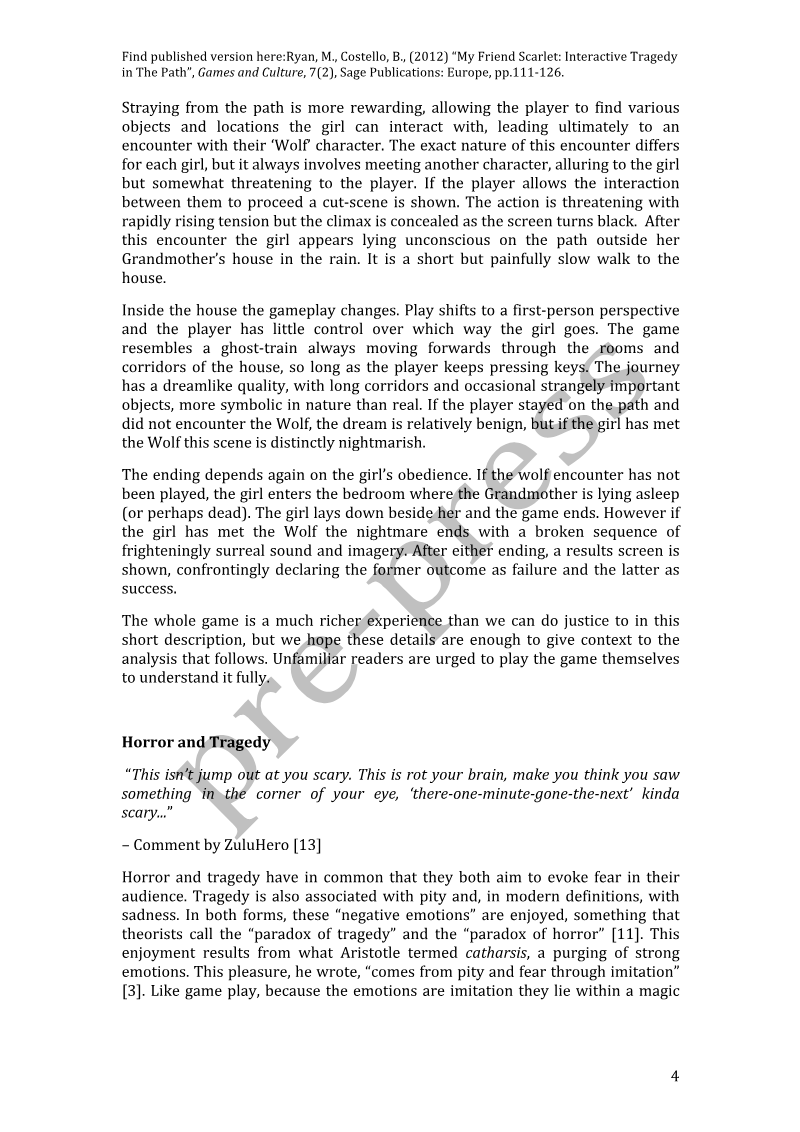
Sage Publications · 2012
Simulation & Gaming · 2007
Ludic Language Pedagogy · 2026