1 free read left. Create a free account for unlimited reading + AI research.
Create free account
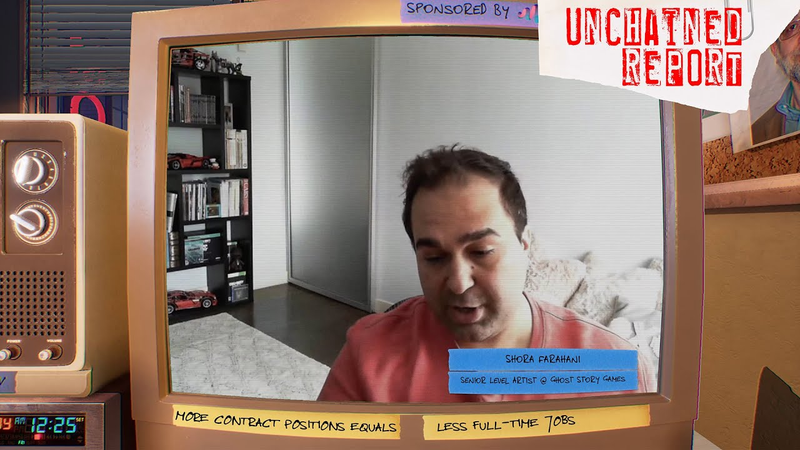
More Contract Positions equals Less Full time Jobs | Unchained Report
Key insights
6 takeaways- 01The reliance on short-term contract labor in AAA studios creates a systemic lack of institutional belonging, leading to high turnover rates as contractors are cycled through projects without integration.
- 02Crunch culture in AAA development is frequently driven by internal peer pressure and the competitive desire to prove value, rather than explicit management mandates.
- 03The industry’s current model struggles to reconcile the high-quality output demands of AAA production with the need for sustainable and equitable working conditions for the entire workforce.
- 04While some mobile-focused companies successfully foster inclusive, flexible, and unified work environments, traditional AAA studios maintain rigid hierarchies that alienate contract workers.
- 05Superficial studio amenities, such as catered food or recreational spaces, fail to address the underlying structural inequality between permanent employees and contract staff.
- 06There is a significant cultural divide between full-time staff and contract workers, with the latter often treated as disposable assets excluded from company perks and social engagement.
Ask AI about this video
Transcript
but in general back to the naughty dog talk i think i joined them when they were like starting to ramp up for the full production like one of the great thing about that studio was like the moment you entered you're presented with like you know hey this is the game that we are making like there's there's because because people come in to the office so they there's not much concept work on display but at the same time there is like presentations there's a lot of documentation that you can go through and like you know familiarize myself your selfie uh what is like the game that you're working on what section of the game you're and the way it works is for us the environment artist is they essentially give you a full level do whatever you want to do and you it's like between you a modeler and a texture guy um and it was just ramping up at the time so at the time uh like when i started nothing crazy and in general i personally like didn't get too crazy like crunch even like
after six months because i would take like you know lunch breaks go like you know have a like you know play basketball but there is a certain point in the studio that you know you start seeing these emails like you know like hey if you want to work 60 hours it's fine we are approving it um you and like you know we are providing you know food and all of that although that thing is its own like you know i remember when we were at pocket gyms there was like and off like free lunch everything and they were so chill about it like when you were going to some of these game studios they think they're giving you like so much benefits with providing you food and stuff dude these are tax deductibles um and yeah so there is not necessarily any force but you're looking at your peers and you're looking hey this look looks really good i want to keep up you know you're an artist you
want to create the best work you're doing and you have the tools to create the best work you're doing like there are certain times like you know when we were on call of duty the tools there were certain things that did not fit like you know if you're working like on sci-fi thing the tools are not suited for that but in naughty dog the tools are there everything is there uh so you are trying to push the best that you can do and you see your peers you're walking past like a vfx person he's doing a fantastic job creating just waves you know um like everything you see is so high quality you want to prove yourself that you are capable of doing that high quality um and but there is not necessarily any force that says hey you have to stay this long but overall um i i over time but it wasn't in in a way that because again i took the lunch breaks hey maybe this worked in a way that they
cancelled my contract after six months because i wasn't staying till 11 at night who knows but um uh i personally but i was seeing a lot of people who are there like for very long hours and like the person next to me you know the kid like he was coming off of it like you know this was his his first main gig and he was like staying till late coming to work like super drawn-out and tired again and again some of the scenes that were given to him because the quality they want from him um is so high he's just like there are parts that he was like how do i do this how can i get over this hug you know and it was a lot of that it's definitely crunch culture is um young man's game for sure i think i think even if you take your younger self right let's say you're
probably a few years in the industry and you are starting at naughty dog you have everything to want to prove yourself and i think and that's the dangerous part of this whole crunching idea is that people have this misconception that there's a manager producer uh like a tolga that comes at your desk and then points fingers and and forces you to stay or else right but the reality is like they can't legally do that right because it will cause an uproar but it's more like subtle peer pressure you see everyone in your cubicle pushing really hard and even if you clock out at 7 pm a normal like that's even later than normal right 6 to 7 p.m there's a sense of guilt uh or you don't want to be the first one out right and and and there's it's mostly driven by peer pressure so we have like a a good experience at least that we can draw from right so
i don't know about you but um we worked since we work at pocket gyms together right that was my first mobile outside the traditional game industry company right and i was very shocked at how open and uh because it's not quite like facebook where they have like chefs in the kitchen but we had catered dinner and uh lunch every single day and like every month there was like a team outing of some sort and then every two months there's like a bigger team outing and so there's always seems to be every week an activity outside of just sitting at your desk to keep you busy and for the first time there was like a huge sense of security where it didn't feel like every deadline was our last um and then after that i i kind of want to hear your thoughts about having that type of experience and then going to back to traditional uh highly praised studios such as not
the best of the best of aaa by this point they have eight like uh top selling games every time the the ship right can you kind of compare those experience and dive a little deeper about the differences where you felt like oh wow we're really still behind on on the accommodations here for game developers so yeah like with me with pocket gems i think again the work that i was working on might not have been the most fulfilling thing artistically because the project i came to pocket gemsport never got off the ground but in general yeah like other even than the like you know catered food and all like you know the fantastic kitchen and all of that it was just like the chill vibe and also it was at the time that remember like you remember like i told my my knee like you know my knee got shattered at the time and like i was on crutches and i was going to physical therapy and the physical therapy was what was in our building
so sometimes in the middle of the day i would go out for one hour one and a half hours every month and then i would stay later of course but in general everyone was so relaxed about it like you know that like even though it was at three o'clock that i would go um and then the art director that i worked on like like again there was a lot of you were very in good touch with everyone who you were working with and that's what really disappointed me when i got to naughty dog like naughty dog again i just wanted to get back to triple a games because i was away for so long uh so i was willing to accept a lot of this so i went with certain expectations that hey just work hard in this like six months that you are there uh i just want to get back to aaa but like like it was shocking for me even if you remember we were like at um sledgehammer and uh you could go talk to glenn anytime he was so chill you can you know bring ideas to him
you know but naughty dog even though it's a first party like you know it's their own title it's a lead studio but when you go there like there's so deep so much divide that to be frank in the time that i was there um i even i only met the creative director of the game once just like in an elevator and i introduced myself to him i was just i knew like you know i'm i started working here um and like they don't like the opera management of the studio i don't think they they just look at you as a number per se like just to finish this game um but you are not someone who's like essentially oh we are ingraining you as the core of the studio like other people would have communication with you um it was very i i personally did not like the culture at all but um like it was also shocking coming from such a family vibe of like you know uh pocket
gems and again even like sledgehammer we were very united like you know during advanced warfare even though we were like uh like 150 200 we knew everyone we collaborated with everyone um the ideas were flowing but i think uh yeah it was very difficult for me to adjust to some of that at naughty dog commenting a bit more on the culture shock um do they try to at least have some activities during your six months there i mean i i totally agree you got to be there at least two years before before one of the leads actually look at you when they're giving you tests because they're you know it really is every year they have a whole truckload of contractors come in to help finish development and a lot of those don't make the cut and we can talk about that a bit more uh in a bit but um what kind of stuff do you feel like i
mean they're they are a pretty big studio the problems are pretty pretty widely known i mean were there conversations about this while you were there with your colleagues about hey man well it seems like we just come in there and work and leave uh really late i mean is there any um any other picture that you feel like while you were there that you felt like hey there's they're making some kind of effort a little picnic here and there we we i used to laugh at that but but like what kind of efforts have they been making just to paint them in a fair picture i i honestly think they did a little effort because actually the location of the studio of naughty dog is is isn't this like nice building that has a lot of like water part like like there's like a park area essentially around it it's a nice area so if you want to go for walk lunch times it's pretty nice uh and they use a little events here and there i'm not like saying they don't and actually like every friday like you know they have a belly day
all day or something like that they typically do these sort of events but like they're when i'm saying like there's no unity like let's say somebody is cooking something for it's just for their own group there's no like hey the rest of the team we have like you know i made this like great like you know cookie basket and come and share share in the kitchen with us like you know it wasn't there is a divide there is no um like company wild email like that it's just like if you go to kitchen and you see something you pick it up but there is no like hey how who should i thank for this like you know there's no none of that um but uh i think that part is fine um and yes sometimes for me it was just a divide between the the contracts and again even like some of the sony stuff because naughty dog is a sony team so there's certain like sony benefits
that go um you know with one side that uh hey all the full times you have these you know sony activities that you can do but the contracts cannot you know enjoy any of that
Summary
The game industry faces significant cultural and structural challenges regarding labor practices, particularly within high-profile AAA studios. A primary concern is the prevalence of crunch culture, which is often driven not by explicit management mandates, but by subtle peer pressure and the internal desire of employees to prove their value through high-quality output. This environment creates a competitive atmosphere where workers feel compelled to extend their hours to match the performance of their colleagues, leading to exhaustion and burnout, especially among younger, less experienced staff.
The industry exhibits a stark divide between the experiences of full-time employees and contract workers. While some mobile-focused companies foster inclusive, family-oriented environments with strong communication and flexible benefits, many traditional AAA studios maintain a rigid hierarchy. In these larger settings, contract workers often report feeling like disposable assets rather than core team members. This alienation is exacerbated by limited access to company-wide perks, social events, and meaningful engagement with upper management, which contrasts sharply with the collaborative, unified culture found in smaller or more agile development environments.
These findings highlight a systemic issue where the reliance on short-term contract labor to meet production deadlines undermines studio cohesion. Even when studios provide superficial amenities like catered food or recreational spaces, these efforts often fail to bridge the gap between permanent staff and contractors. The resulting lack of institutional belonging and the pressure to perform at elite levels contribute to high turnover rates, as many contractors are cycled through projects without being integrated into the studio’s long-term culture. Ultimately, the industry struggles to balance the high-quality demands of AAA development with the need for sustainable, equitable working conditions for its entire workforce.













Comments