1 free read left. Create a free account for unlimited reading + AI research.
Create free accountWhitepaperPalgrave Macmillan
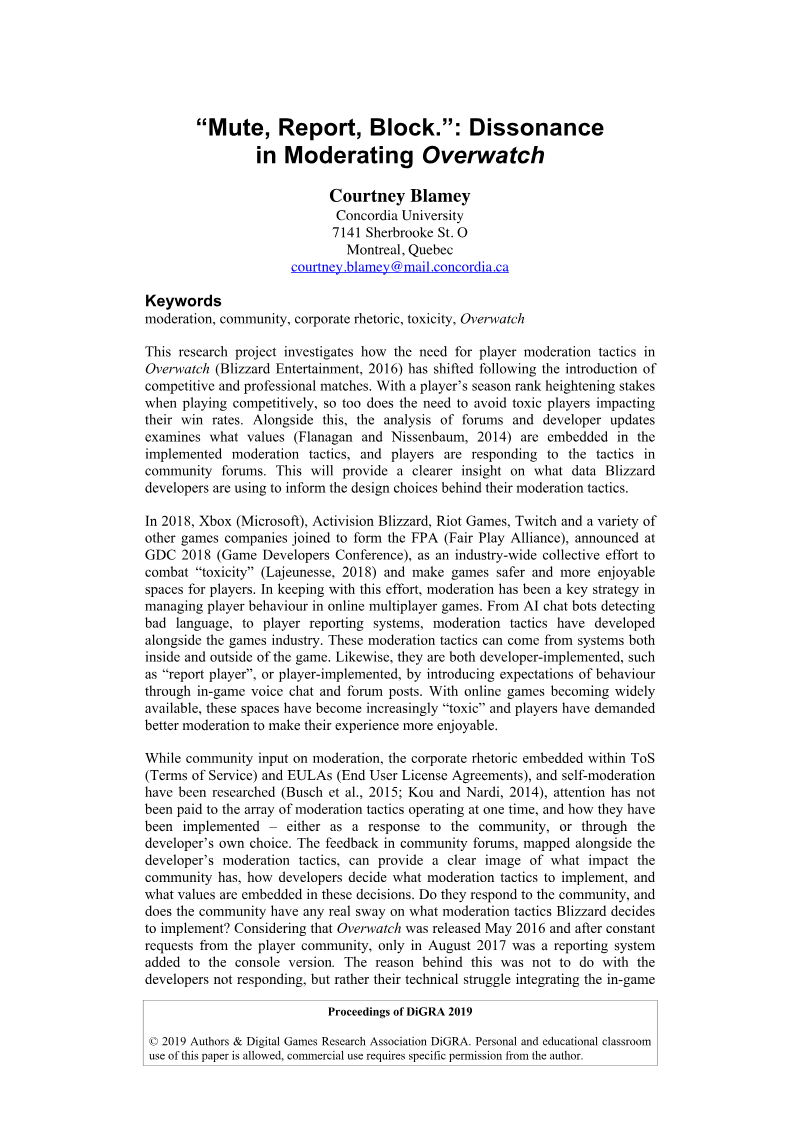
This analysis explores the multifaceted impact of Overwatch on contemporary gaming culture, positioning the title as a complex intersection of competitive esports, transmedia entertainment, and corporate-controlled digital space. Through a multidisciplinary lens, the research examines how the game’s design—which balances inclusive character representation with aggressive, developer-led mechanical updates—creates both unique engagement opportunities and persistent friction within its player base. The study covers the period surrounding the game’s peak competitive years, focusing primarily on Western player demographics and community dynamics, while acknowledging the limitations of excluding Asian market data.
A central finding is the identification of distinct player clusters, categorized by their secondary gaming habits and platform preferences. Research indicates that Overwatch players are highly engaged, multi-game users who exhibit significant spending power. However, this engagement is frequently undermined by a "toxic meritocracy." Case studies, such as the "Ellie" incident and the collapse of the Brazilian competitive scene, demonstrate that despite the game’s inclusive marketing, structural barriers, gender-based harassment, and regional economic neglect continue to marginalize specific groups and hinder professionalization.
The analysis further highlights the tension between developer authority and player agency. Blizzard Entertainment’s frequent mechanical updates function as a "fluid text," allowing the company to enforce its authorial vision while retroactively negating player interpretations of character identity. This power dynamic extends to community moderation and monetization, where tools like loot boxes and reporting systems often trigger polarization. Ultimately, the research concludes that Overwatch serves as a site of active negotiation where players, developers, and fan communities constantly clash over the ownership of narrative, the legitimacy of competitive metrics, and the ethical boundaries of digital monetization.
Korea University · 2025