1 free read left. Create a free account for unlimited reading + AI research.
Create free accountWhitepaperSpiel|Formen
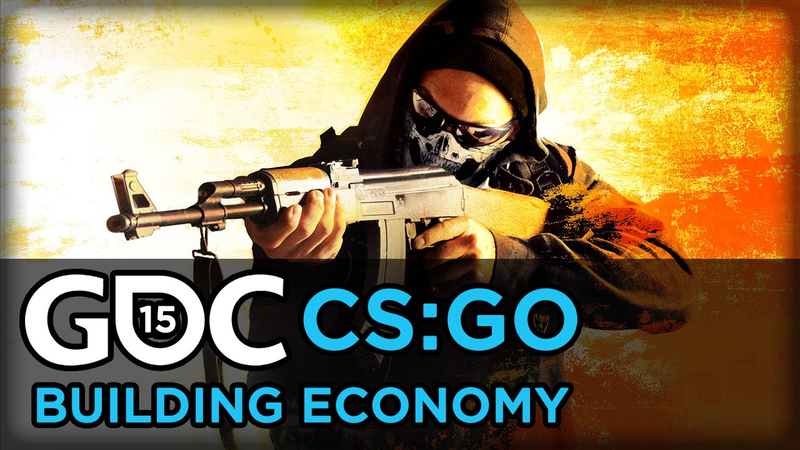
The weapon skin economy within Counter-Strike: Global Offensive serves as a definitive case study for the platformization of contemporary gaming. By centralizing the production, distribution, and monetization of user-generated content, Valve has successfully transformed player participation into a commodified ecosystem. This model operates on a double logic of platformization, where the infrastructure provided for user engagement simultaneously functions as a mechanism for capturing behavioral data and extracting value from economic transactions. Consequently, the traditional boundaries between play, labor, and gambling have become increasingly porous, turning game environments into experimental fields for capital extraction.
This virtual economy relies heavily on the integration of random reward mechanisms, specifically loot boxes, which drive community-led valuation and sustain a high-frequency marketplace. While Valve maintains strict control through its proprietary platform and transaction fees, the system’s reliance on speculative rarity has fostered an opaque market that raises significant ethical concerns regarding addictive behavior and the exposure of minors to gambling-like mechanics. The platform effectively externalizes creative labor to the community, creating a virtual gig economy where player-generated content is harvested to sustain long-term engagement and revenue growth.
Ultimately, this transition reflects a broader industry shift from traditional ownership models toward access-based systems governed by platform-specific incentive structures. By commodifying player labor and paratextual gaming capital, the industry has redefined the relationship between developers and users. This evolution underscores a fundamental change in digital culture, where game worlds are no longer merely sites of entertainment but are instead sophisticated engines for the monetization of digital goods and the management of user behavior within a controlled, platform-capitalist framework.
The Game Business · 2026