1 free read left. Create a free account for unlimited reading + AI research.
Create free accountWhitepaper Press Start
1 free read left. Create a free account for unlimited reading + AI research.
Create free accountWhitepaperPress Start
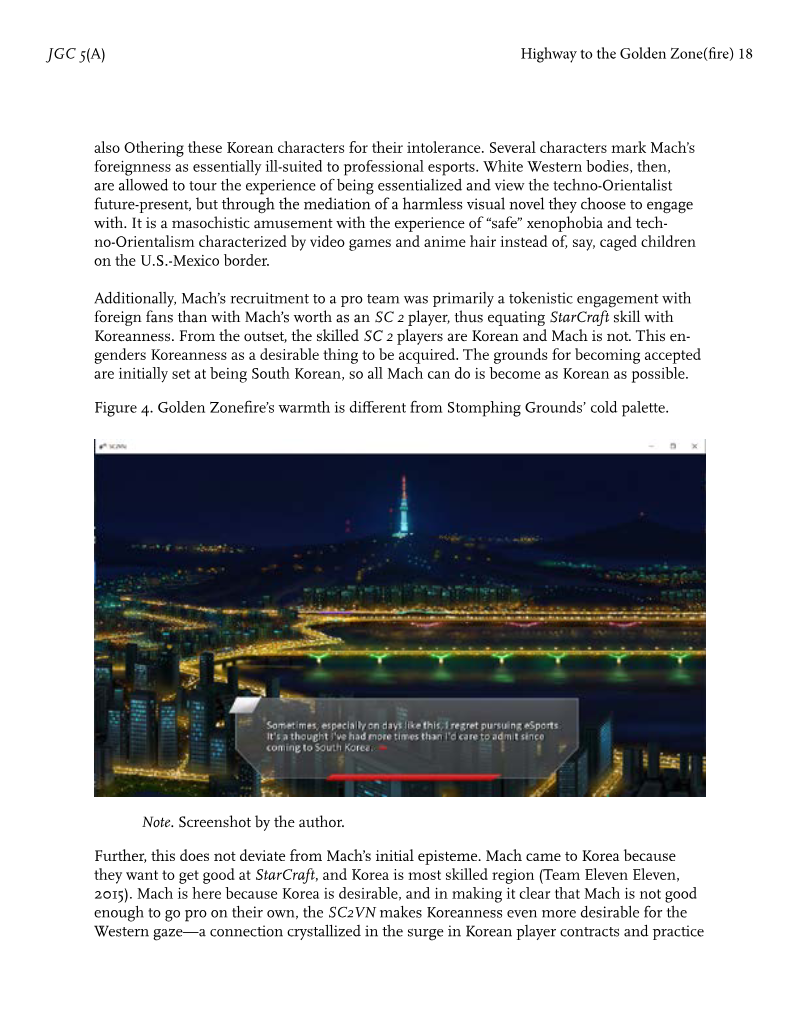
Multiplayer first-person shooter games increasingly rely on the adoption of real-world military communication doctrines to facilitate high-level coordination. As players transition from casual team play to advanced squad-based tactics, they integrate standardized terminology and rigorous reporting procedures to overcome the inherent limitations of virtual environments. This evolution toward militarized interaction serves as a functional necessity, particularly in factionless, high-stakes survival games where the absence of objective-based user interfaces requires players to generate their own tactical structure through verbal discipline.
By analyzing gameplay footage and communication patterns, it becomes evident that sophisticated squads utilize voice-over-IP technology to maintain shared situational awareness. This practice mirrors the collaborative sensor-based strategies employed by actual infantry units, allowing players to compensate for restricted fields of view and the lack of automated team markers. Constant situation reports and precise directional call-outs transform disparate individuals into a cohesive, synchronized unit capable of executing complex maneuvers that would otherwise be impossible in chaotic, unscripted digital combat.
Ultimately, the militarization of player interaction represents a strategic adaptation to the technical and environmental constraints of the first-person shooter genre. By formalizing communication, squads effectively bridge the gap between individual perception and collective action. This phenomenon demonstrates that the most successful virtual teams are those that treat the game space as a tactical theater, prioritizing disciplined information exchange to achieve superior performance. Through the application of these military frameworks, players successfully navigate the complexities of competitive multiplayer environments, proving that linguistic and procedural standardization is a critical component of modern digital teamwork.



Press Start · 2026
Press Start · 2026
Press Start · 2026
Press Start · 2026
Press Start · 2026
Press Start · 2026
Press Start · 2026
Press Start · 2026
Press Start · 2025
Press Start · 2025
Press Start · 2025
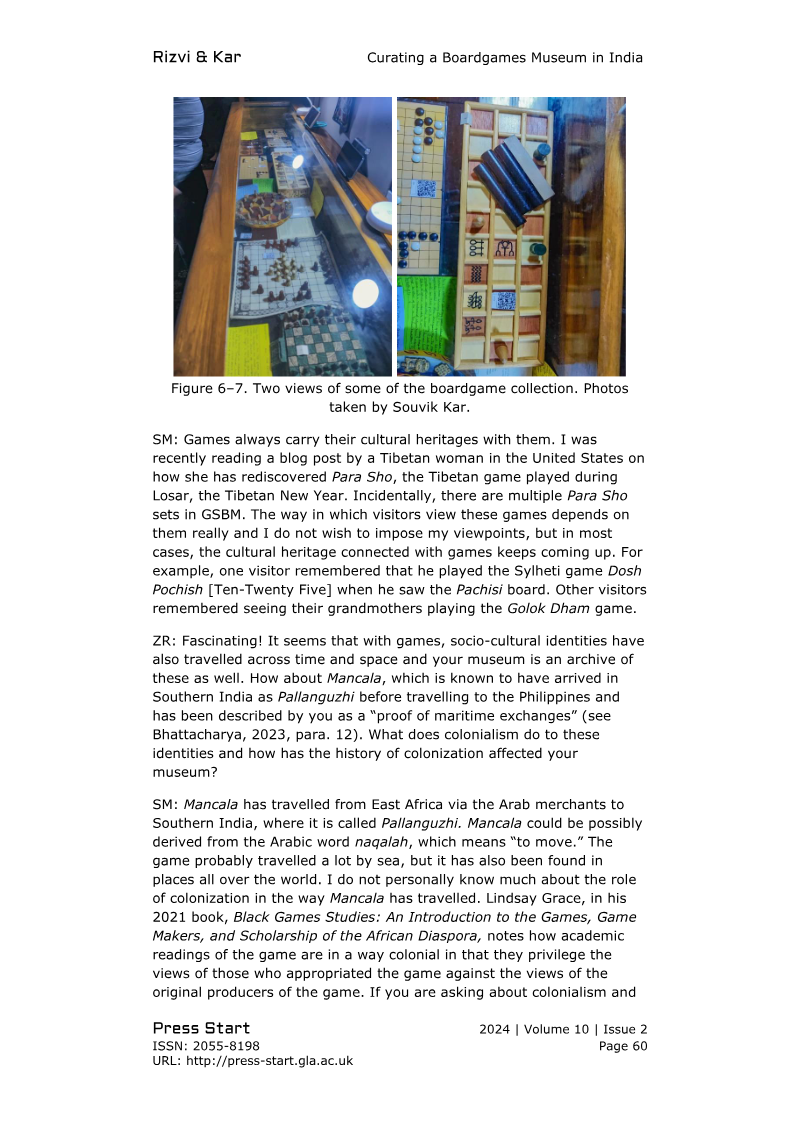
Press Start · 2024
Press Start · 2022