Palgrave Macmillan
3 reports, presentations and talks by Palgrave Macmillan in the Game Industry Library, the newest “Learning and Identity in Competitive Gaming: An Empirical and Methodological Discussion” (2026).
Documents
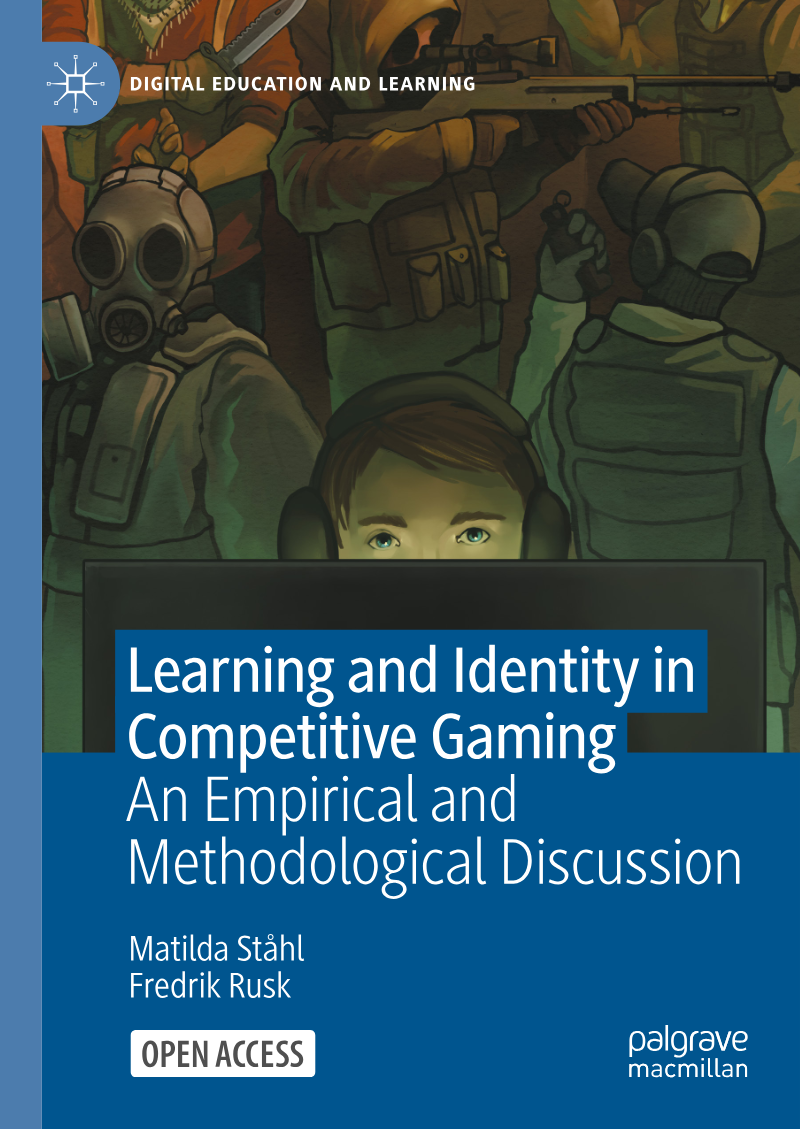
Learning and Identity in Competitive Gaming: An Empirical and Methodological Discussion
This research investigates the pedagogical and sociocultural dimensions of competitive gaming, specifically focusing on how young players in Finland construct identity and competence within team-based digital environments.
- Competitive gaming functions as a 'toxic meritocracy' where high-level skill acquisition and social cohesion coexist with systemic biases regarding race, gender, and sexuality.
- Effective team performance in Counter-Strike: Global Offensive relies on 'interperceptivity,' a state of shared awareness achieved through standardized communication and non-verbal cues.
- Players treat gameplay outcomes like kills and deaths as technical data points for strategic analysis rather than moral judgments, facilitating a 'failing forward' approach to skill development.

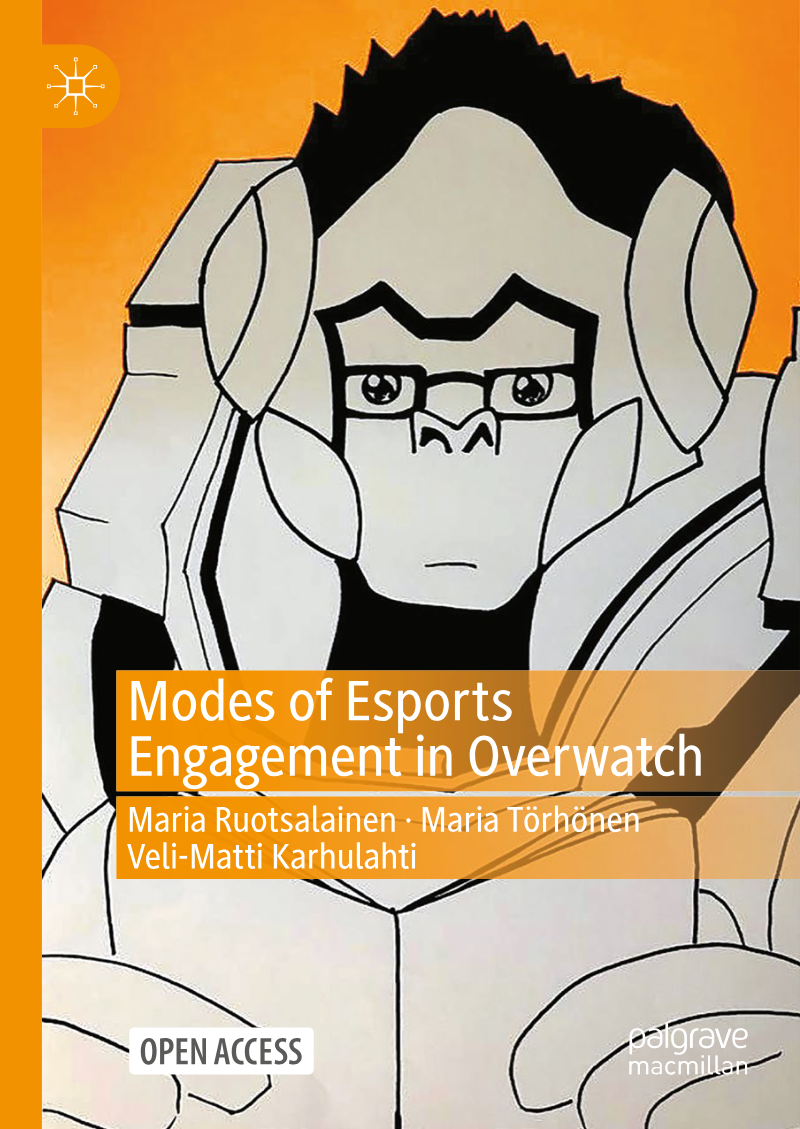
Modes of Esports Engagement in Overwatch
This analysis explores the multifaceted impact of Overwatch on contemporary gaming culture, positioning the title as a complex intersection of competitive esports, transmedia entertainment, and corporate-controlled digital space.
- Overwatch players who engage with esports spend significantly more money and time on gaming than non-esports players.
- Blizzard Entertainment frequently alters Overwatch's core mechanics and hero designs, which forces players to constantly adapt their interpretative agency and gameplay strategies.
- The Overwatch community exhibits a deep rift between casual and competitive players, often fueled by developer-led moderation tactics and conflicting expectations for the gameplay experience.

Games Without Frontiers? Socio-historical Perspectives at the Gaming/Gambling Intersection
The convergence of digital gaming and gambling represents a profound socio-historical shift rather than a novel technological anomaly.
- The boundaries between digital gaming and gambling are increasingly blurred, as game developers integrate psychological 'hook' mechanisms like variable rewards and micro-transactions to drive user retention and revenue.
- Legislative frameworks, such as those in Great Britain, are currently ill-equipped to address the 'gambling turn' in gaming, as they often fail to classify virtual currencies and digital items as having real-world monetary value.
- The esports sector has become a significant target for gambling operators, with research indicating that 28% of users interacting with esports betting-related tweets are children under 16.
Do you work at Palgrave Macmillan? Get a free report of how these documents are read and cited here.