
Microsoft’s financial performance for the second quarter of fiscal year 2021 reflects a period of robust growth driven by the accelerated digital transformation of global enterprises. Total revenue reached $43.1 billion, representing a 17 percent increase compared to the same period in the previous year. This growth was underpinned by strong demand for cloud computing services, personal computing hardware, and productivity software, as remote work and learning environments remained prevalent across North America, Europe, and Asia-Pacific markets.
The Intelligent Cloud segment emerged as a primary growth engine, generating $14.6 billion in revenue, a 23 percent year-over-year increase. Azure revenue growth of 50 percent highlights the continued migration of enterprise workloads to cloud infrastructure. Simultaneously, the More Personal Computing segment contributed $15.1 billion, bolstered by significant demand for Windows OEM licenses and Surface devices, alongside a 40 percent increase in Xbox content and services revenue. Productivity and Business Processes revenue rose to $13.4 billion, supported by consistent growth in Office 365 Commercial subscriptions and LinkedIn engagement.
Operating income for the quarter climbed to $17.9 billion, a 29 percent increase, reflecting disciplined cost management despite increased investment in research and development and cloud infrastructure capacity. Net income reached $15.5 billion, or $2.03 per diluted share. These results demonstrate a sustained ability to scale high-margin software and cloud services while maintaining profitability across diverse business segments. The financial data, derived from standardized quarterly filings, confirms that the company’s strategic focus on cloud-first, mobile-first initiatives continues to yield significant returns in a shifting global economic landscape.
Microsoft · 2026

Microsoft · 2026

Microsoft · 2025

Microsoft · 2025

Microsoft · 2025

Microsoft · 2025

Microsoft · 2024

Microsoft · 2024

Microsoft · 2024

Microsoft · 2023

Microsoft · 2023

Microsoft · 2023

PitchBook · 2023

Ubisoft · 2026
Sony Group Corporation · 2026

Enthusiast Gaming Holdings · 2026

Aream & Co · 2026

Drake Star Partners · 2026
Capcom · 2026

Modern Times Group · 2026

Bandai Namco · 2026

Aream & Co · 2026
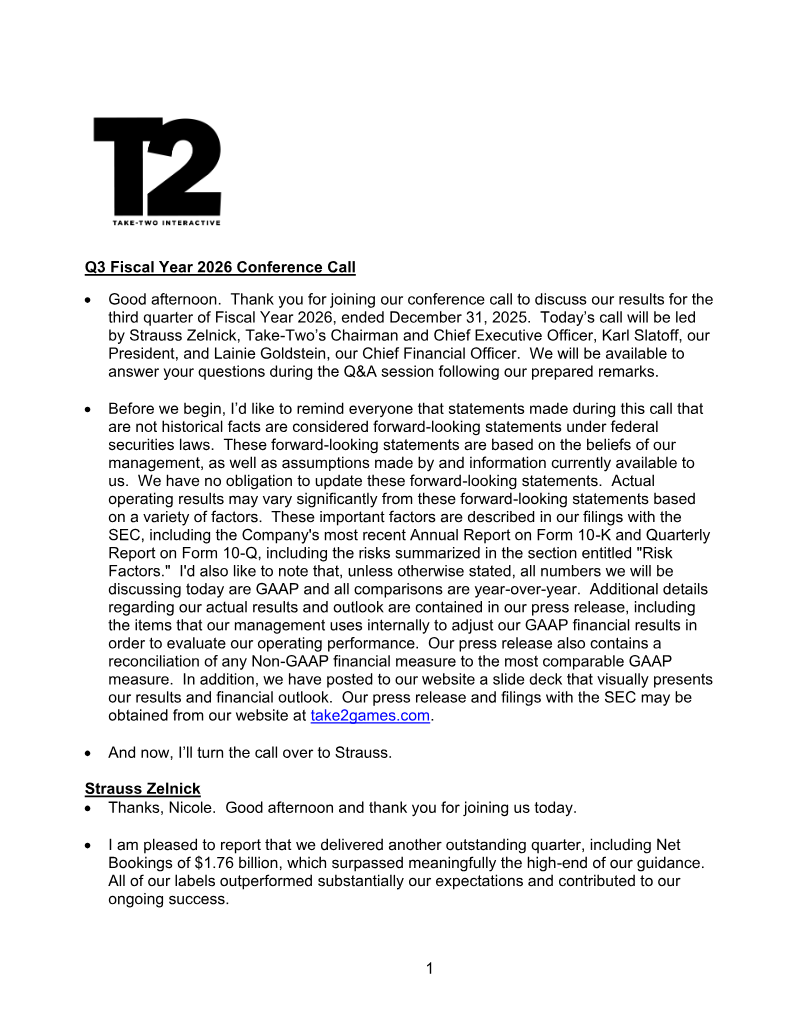
Take-Two Interactive · 2026
Take-Two Interactive · 2026