
Microsoft Corporation’s financial results for the second quarter of fiscal year 2025 demonstrate robust growth, with total revenue reaching $69.6 billion and net income rising to $24.1 billion. This performance, representing a 12% year-over-year revenue increase, is primarily driven by the Intelligent Cloud segment—specifically a 31% surge in Azure and other cloud services—alongside steady gains in Productivity and Business Processes. While operating income grew by 17% to $31.7 billion, the company faces margin pressure as it aggressively scales its AI infrastructure, which contributed to a decline in the Microsoft Cloud gross margin to 70%.
The company maintains a strong liquidity position, holding $87.1 billion in total investments as of December 31, 2024. Capital allocation remains a priority, with $9.7 billion returned to shareholders through dividends and share repurchases during the quarter. Despite this financial strength, the firm faces significant headwinds, including a $28.9 billion IRS tax dispute regarding historical intercompany transfer pricing and ongoing litigation related to data privacy and intellectual property. Management continues to navigate a complex regulatory landscape, balancing these legal contingencies with the integration of major acquisitions like Activision Blizzard.
Strategic risks remain a central focus, particularly concerning the high costs of AI development, intense global competition, and the evolving threat of sophisticated cyberattacks. The company must also contend with geopolitical instability, supply chain vulnerabilities, and increasingly stringent global regulations regarding AI and data privacy. While Microsoft continues to leverage its cloud and AI-powered productivity tools to drive market expansion, the necessity of continuous investment in defensive infrastructure and compliance measures remains a critical factor in sustaining long-term operational and financial stability.
Microsoft · 2026

Microsoft · 2026

Microsoft · 2025

Microsoft · 2025

Microsoft · 2025

Microsoft · 2024

Microsoft · 2024

Microsoft · 2024

Microsoft · 2023

Microsoft · 2023

Microsoft · 2023

Microsoft · 2023

Room 8 Group · 2025
Konvoy · 2024

GDev · 2024

PitchBook · 2023
Konvoy · 2023
Konvoy · 2023

Newzoo · 2023

GDev · 2020
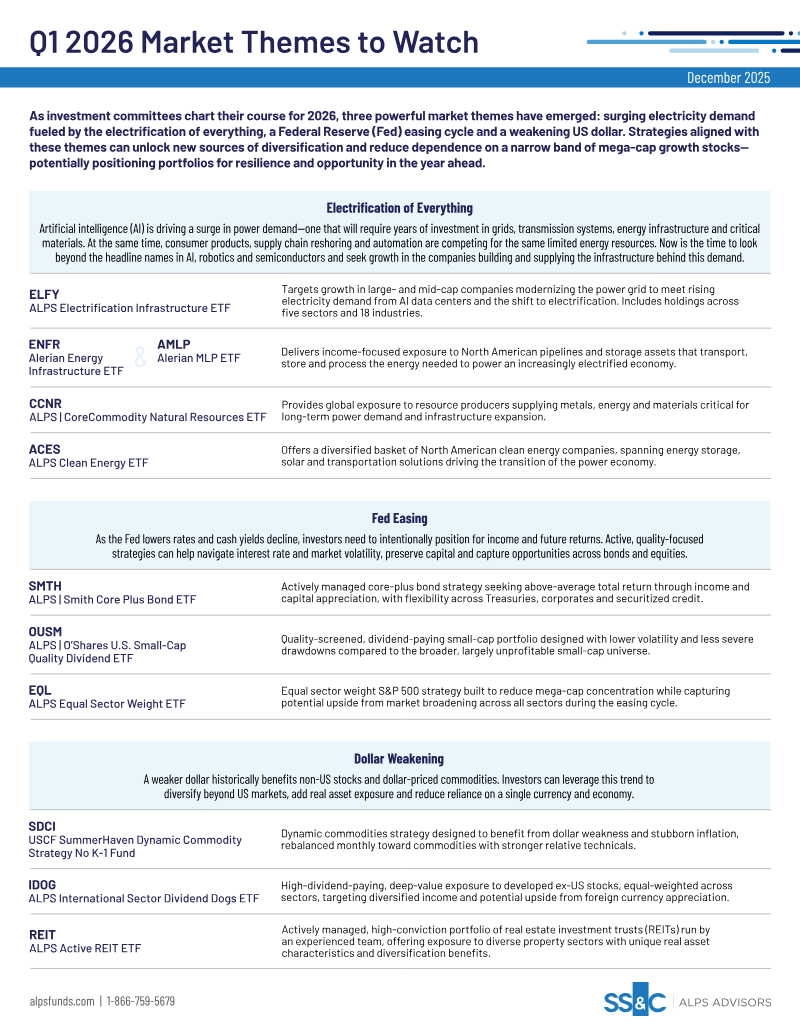
GameVault System
SAKURA internet

Corsair Gaming

Ubisoft · 2026