
Microsoft’s 2023 fiscal year report outlines a strategic transition toward the integration of generative artificial intelligence across its entire product ecosystem, including the Intelligent Cloud, productivity software, and gaming divisions. By leveraging its partnership with OpenAI and its expansive Azure infrastructure, the company aims to solidify its market position through "copilot" capabilities and scalable cloud solutions. This strategic pivot is designed to drive long-term growth while navigating intense competition from both traditional software rivals and emerging, vertically integrated AI service providers.
Financial performance for the fiscal year ending June 30, 2023, remained robust, with total revenue reaching $211.9 billion, a 7% increase over the previous year. This growth was primarily fueled by a 17% surge in the Intelligent Cloud segment, where Azure and other cloud services saw a 29% revenue increase. Conversely, the More Personal Computing segment experienced a 9% decline, largely attributed to weakness in Windows OEM and device sales. Despite these headwinds, the company maintained a strong liquidity position with $111.3 billion in cash and investments, supporting ongoing capital allocation strategies such as share repurchases and dividends, alongside significant investments in strategic acquisitions like Activision Blizzard and Nuance Communications.
Operational success remains contingent upon managing a complex landscape of regulatory, security, and supply chain risks. The company faces ongoing scrutiny regarding global competition laws, data privacy regulations such as GDPR, and the inherent challenges of securing AI and IoT technologies. Furthermore, Microsoft must balance its massive global infrastructure—encompassing 78 million square feet of real estate and extensive datacenter networks—against the potential for geopolitical instability and cybersecurity threats. While the company continues to invest heavily in R&D and workforce development, its long-term financial performance remains sensitive to shifting regulatory interpretations and the costs associated with maintaining its competitive edge in a rapidly evolving technological environment.
Microsoft · 2026

Microsoft · 2026

Microsoft · 2025

Microsoft · 2025

Microsoft · 2025

Microsoft · 2025

Microsoft · 2024

Microsoft · 2024

Microsoft · 2024

Microsoft · 2023

Microsoft · 2023

Microsoft · 2023
Room 8 Group · 2025
Game Developers Conference · 2024

Ampere Analysis · 2023
Konvoy · 2023
Newzoo · 2023

Sensor Tower · 2026
Drake Star Partners · 2026
Aream & Co · 2026
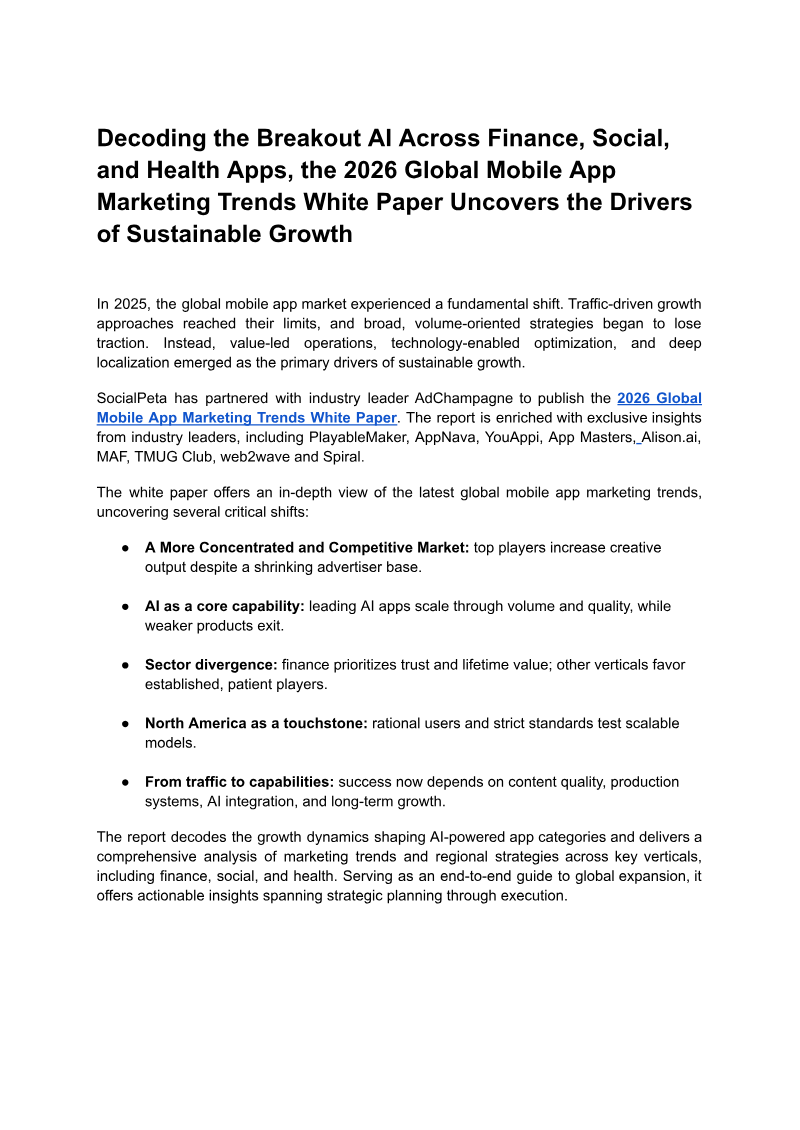
SocialPeta · 2026
GDC · 2026
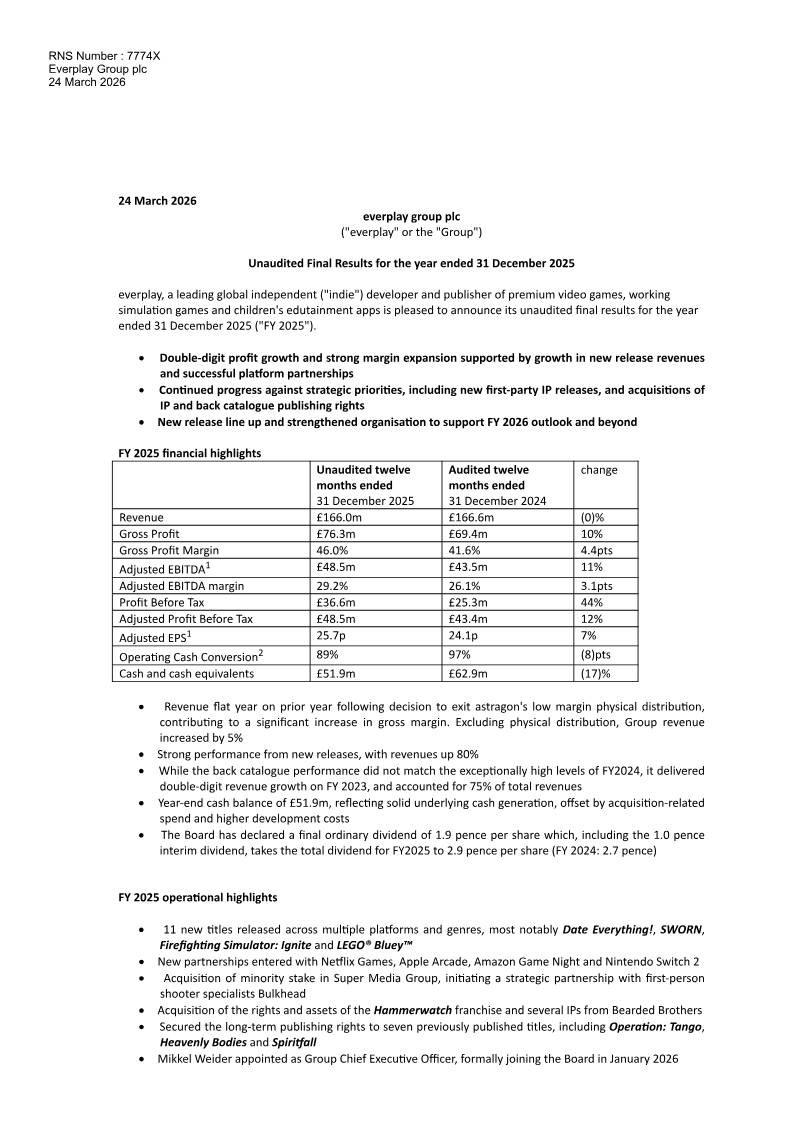
Everplay Group · 2026
BITKRAFT Ventures · 2026