1 free read left. Create a free account for unlimited reading + AI research.
Create free accountWhitepaper Press Start
1 free read left. Create a free account for unlimited reading + AI research.
Create free accountWhitepaperPress Start
The game Fibber offers a non-didactic, inquiry-based framework to help individuals analyze their internal cognitive heuristics regarding political truth biases.
It's like learning to identify your own blind spots rather than just memorizing facts.
Key insight. The game Fibber functions as a media literacy tool by focusing on personal cognitive heuristics rather than traditional content-based education.
The game Fibber serves as a functional media literacy tool designed to help individuals identify and analyze their internal cognitive heuristics regarding political truth biases. By utilizing an inquiry-based, non-didactic framework, the game encourages players to evaluate their own decision-making patterns rather than focusing solely on content knowledge. This approach effectively mitigates the polarization often associated with political discourse, providing a neutral environment where players can confront their tendencies to mistake falsehoods for truths.
Research involving 391 participants confirms that providing aggregate performance feedback within a gaming context successfully prompts self-reflection. While the study reveals that a majority of players exhibit a consistent fact bias, the game’s design facilitates meaningful engagement across diverse demographics. Data indicates that female participants and those identifying as politically liberal reported higher levels of engagement with the reflective process. These findings establish a viable design strategy for future media literacy interventions, suggesting that shifting the focus toward personal judgment patterns is more effective than traditional educational methods.
Despite these positive outcomes, the research acknowledges inherent limitations regarding the causal mechanisms of self-reflection. It remains unclear whether the reflective process is triggered by the game’s inherent difficulty, the experience of failure, or the specific mechanics of the feedback loop. Furthermore, the study highlights the complexity of defining truth within game environments and the necessity of accounting for broader socioeconomic variables in future analyses. Continued investigation is required to refine these game-based interventions and to better understand how individual player characteristics influence the efficacy of digital media literacy tools.



Press Start · 2026
Press Start · 2026
Press Start · 2026
Press Start · 2026
Press Start · 2026
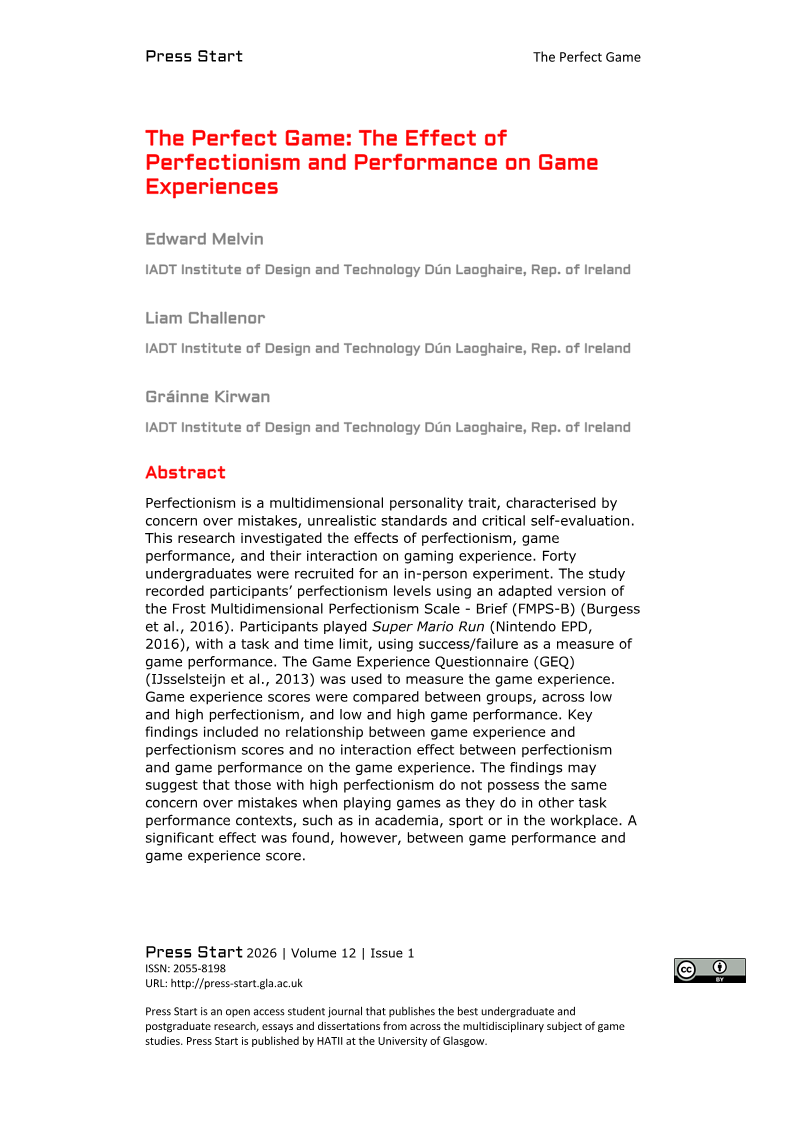
Press Start · 2026
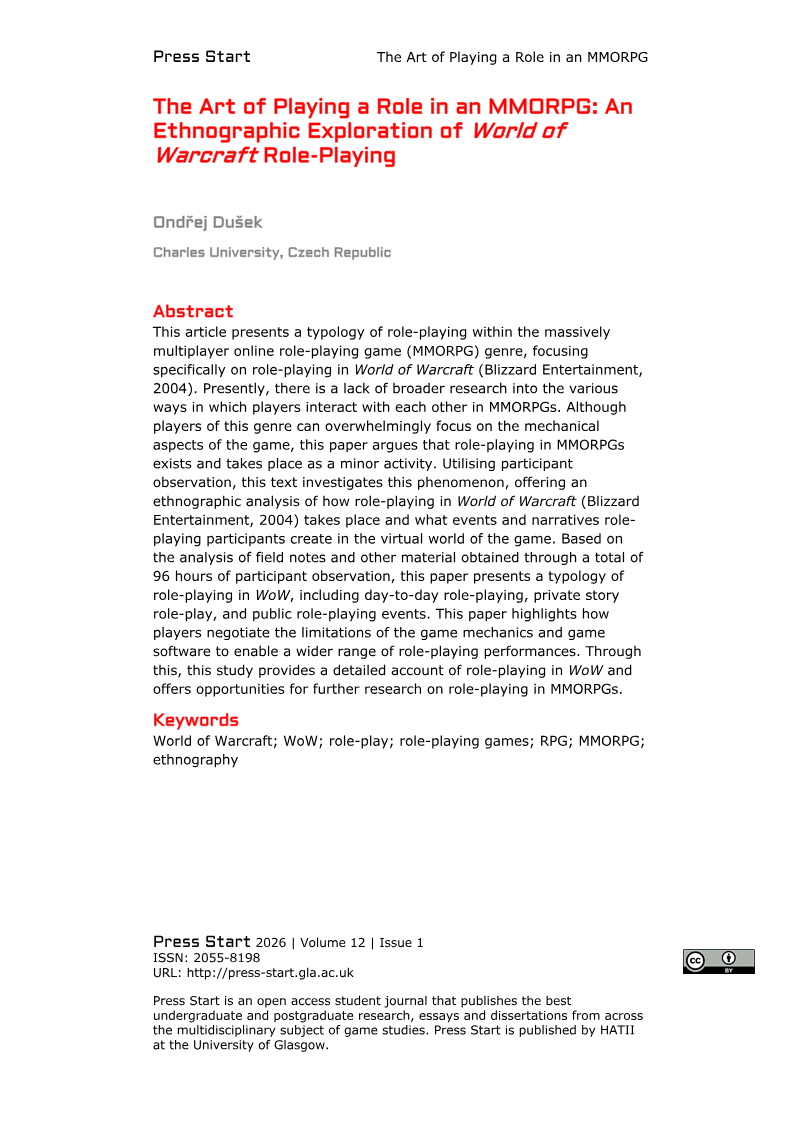
Press Start · 2026
Press Start · 2026
Press Start · 2025
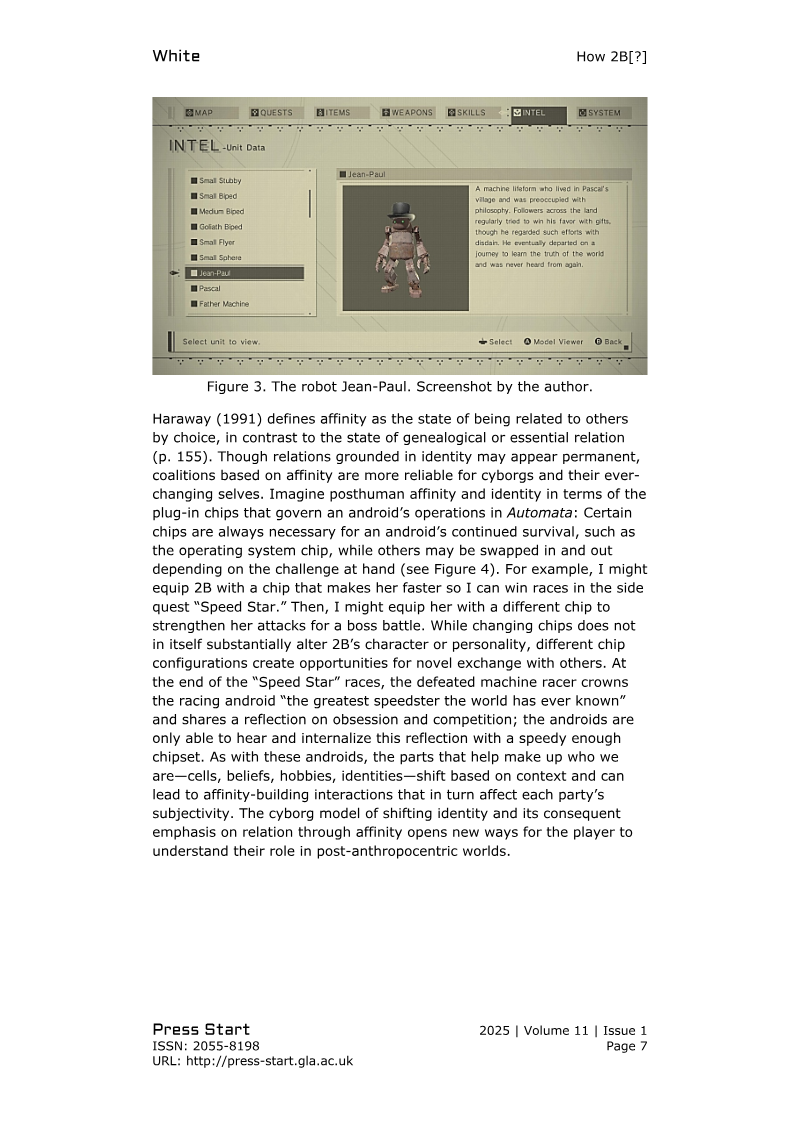
Press Start · 2025
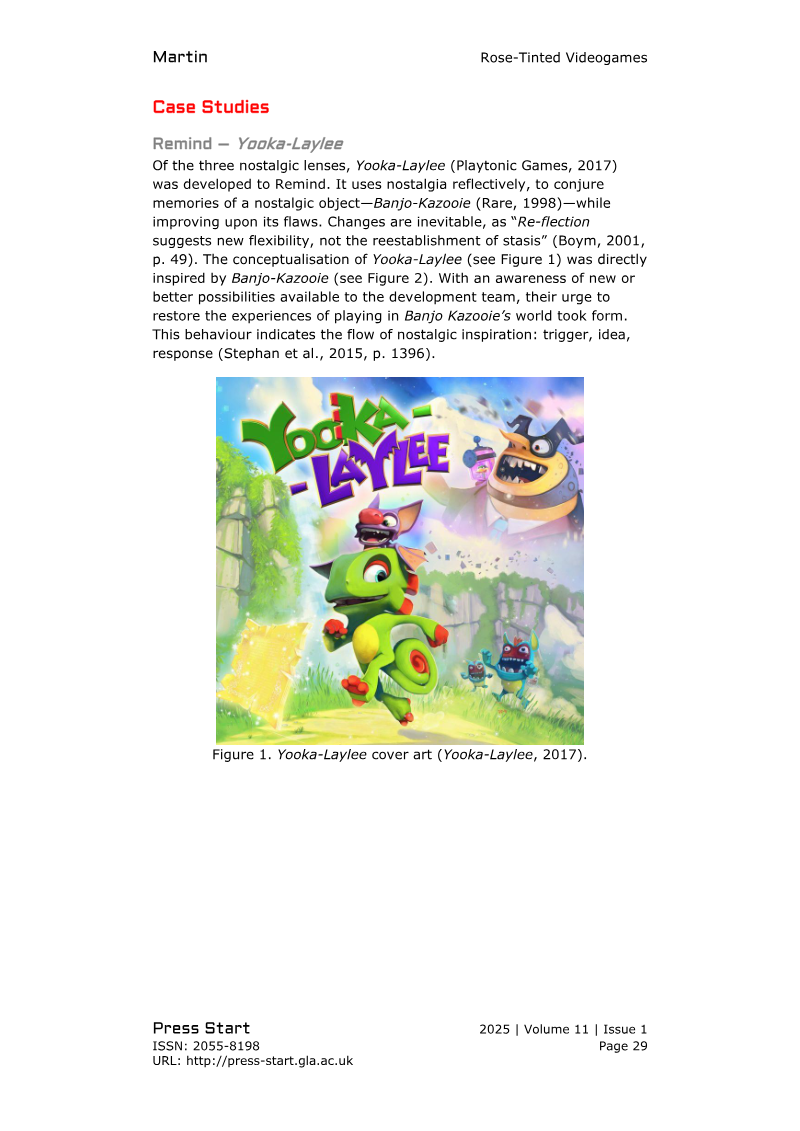
Press Start · 2025

Press Start · 2024
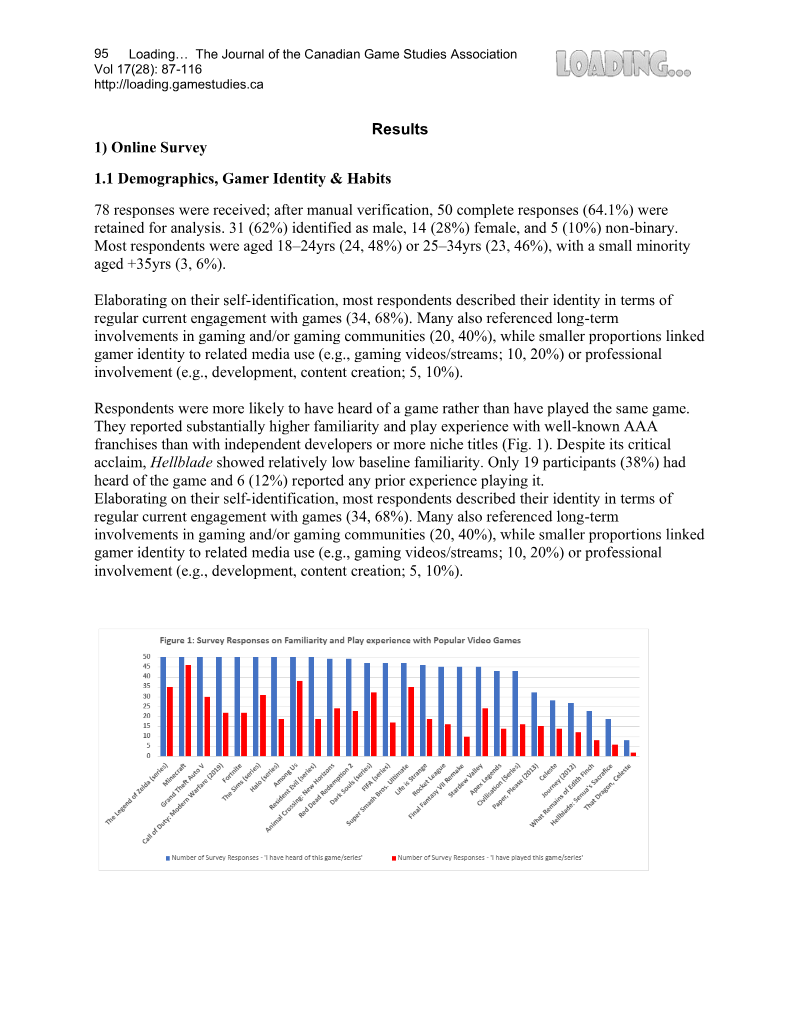
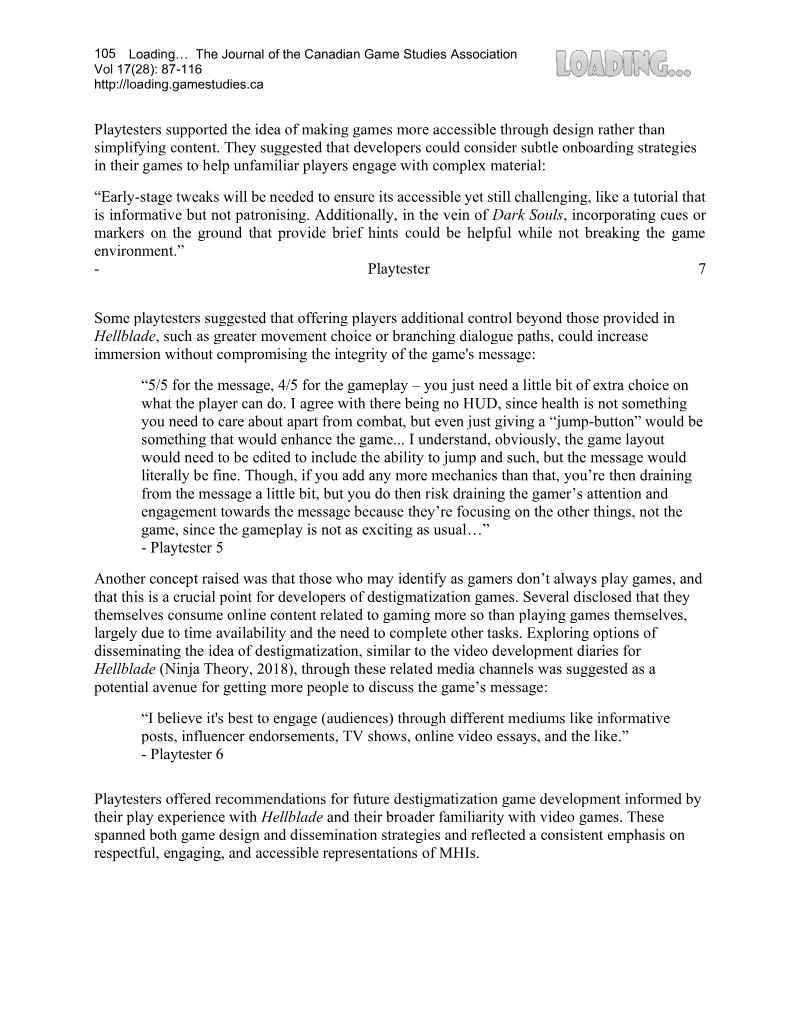
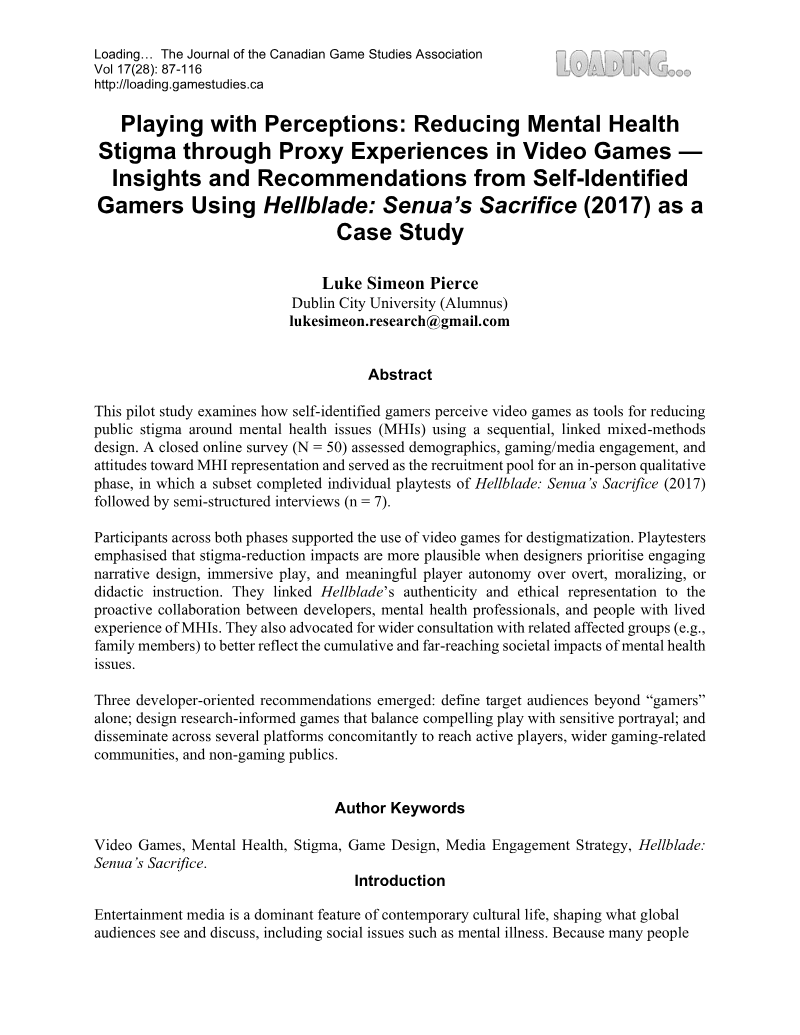
Loading... The Journal of the Canadian Game Studies Association · 2026
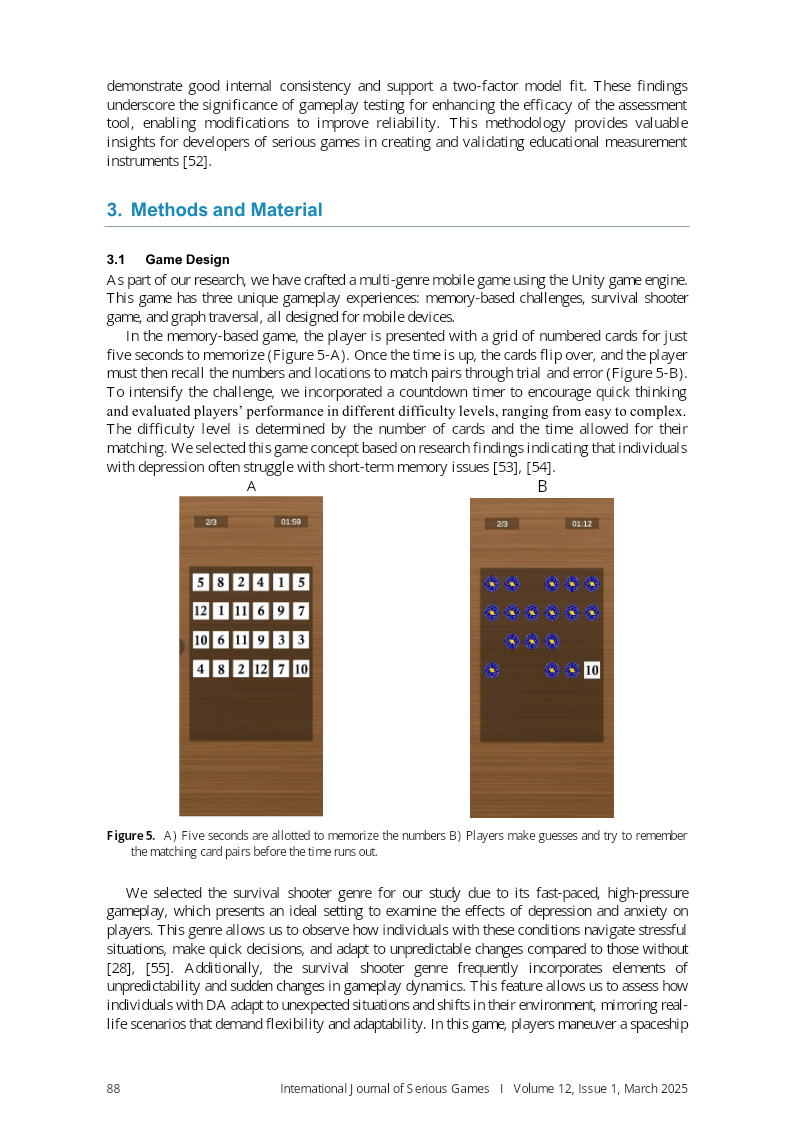
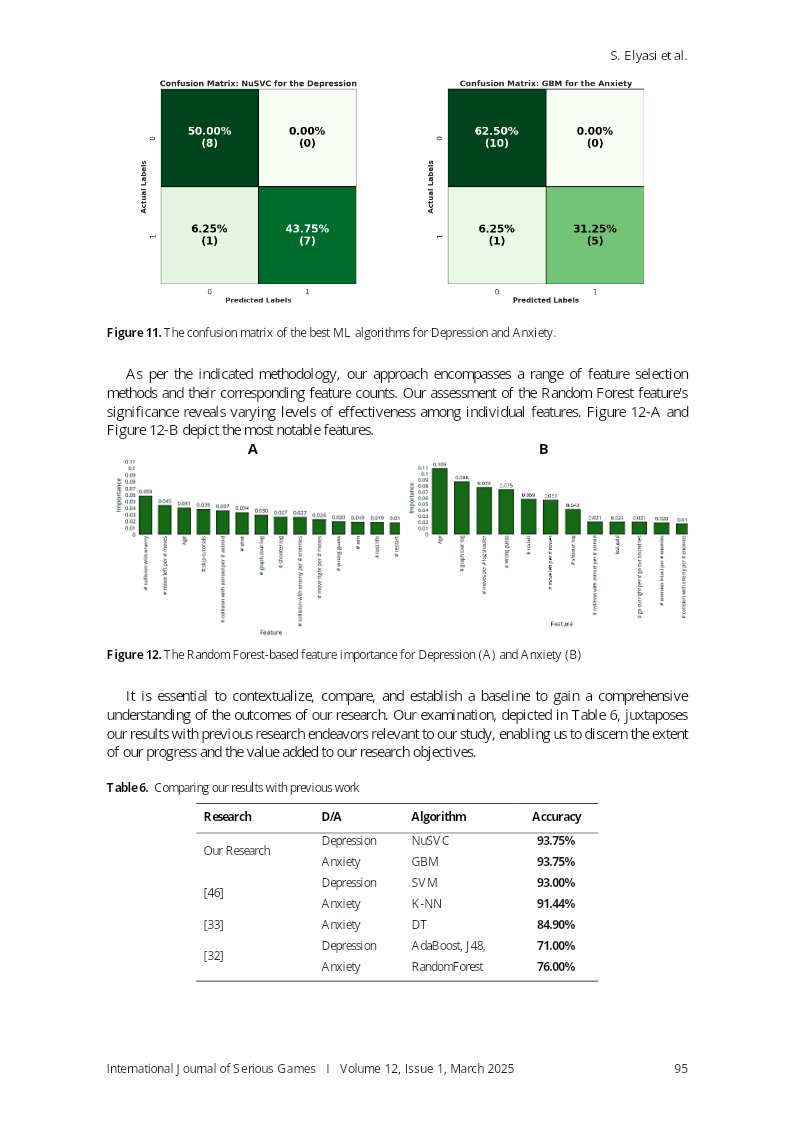
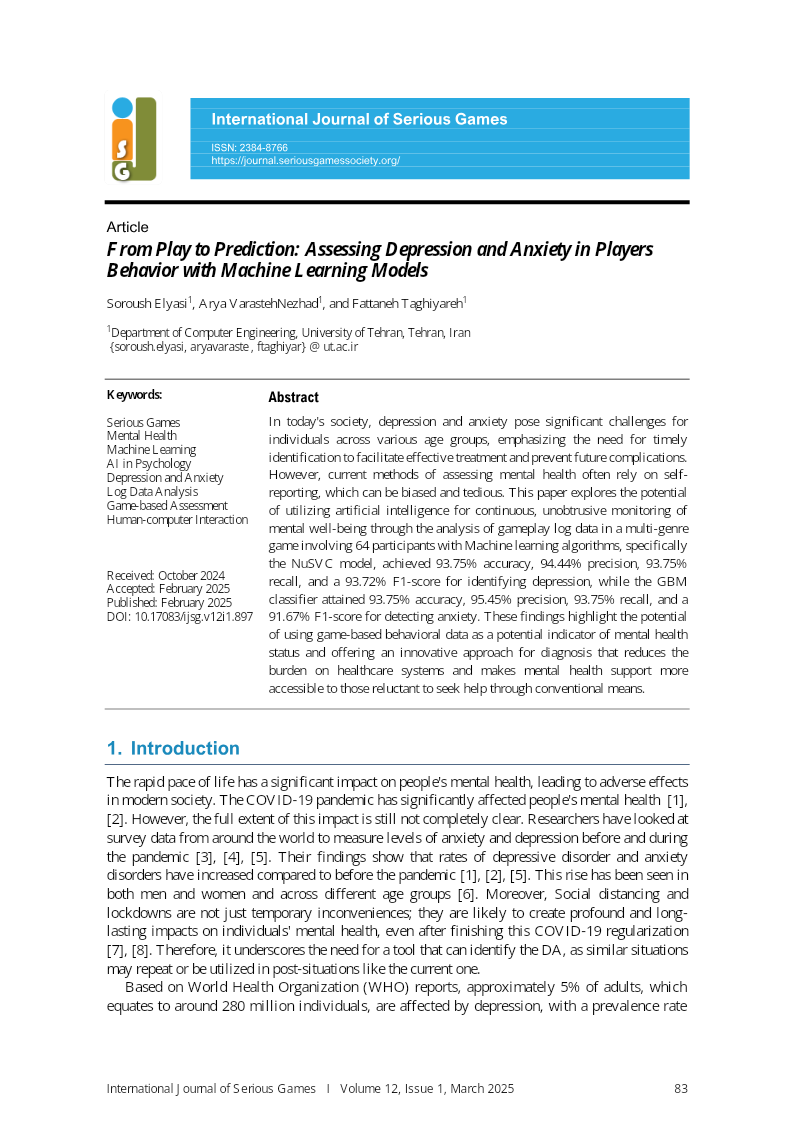
Serious Games Society · 2025
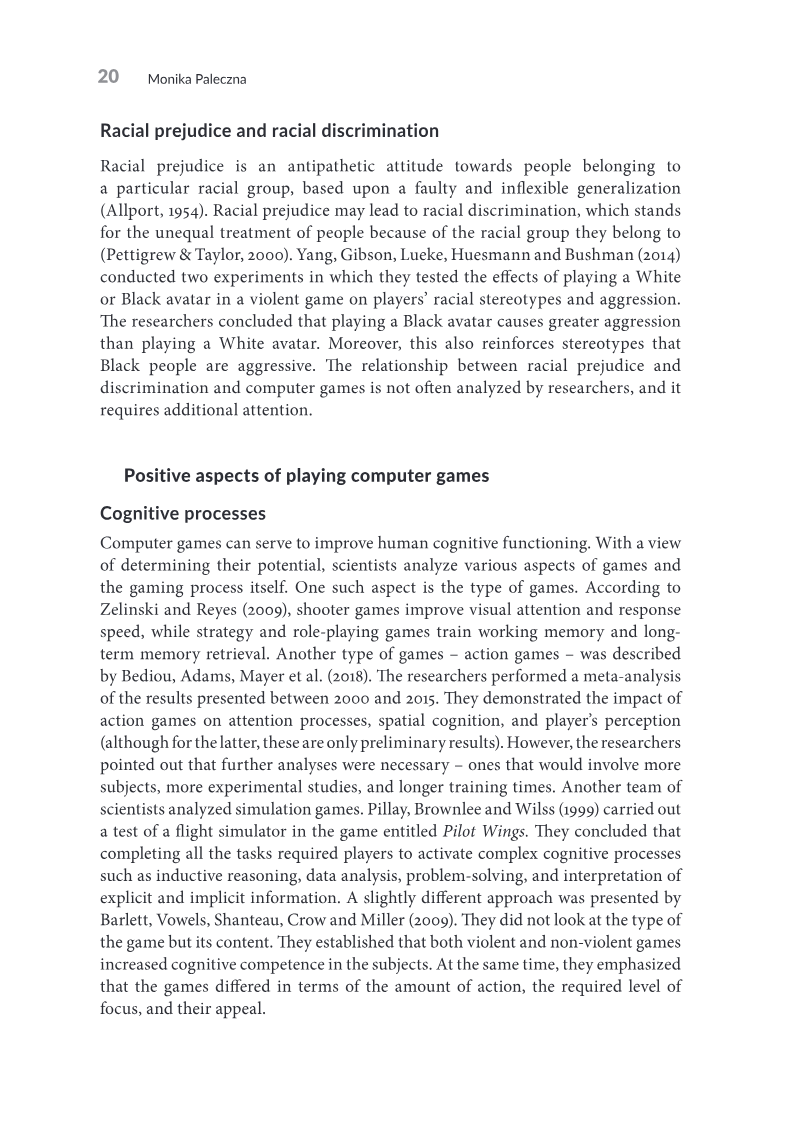
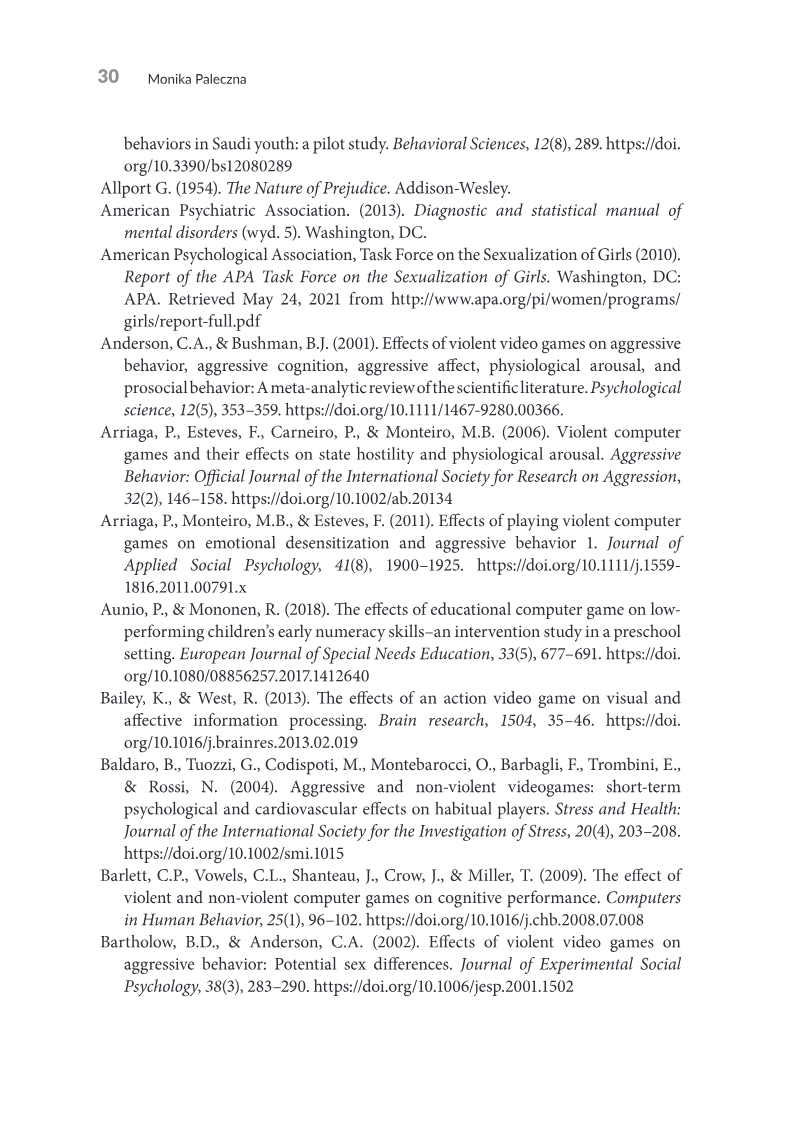
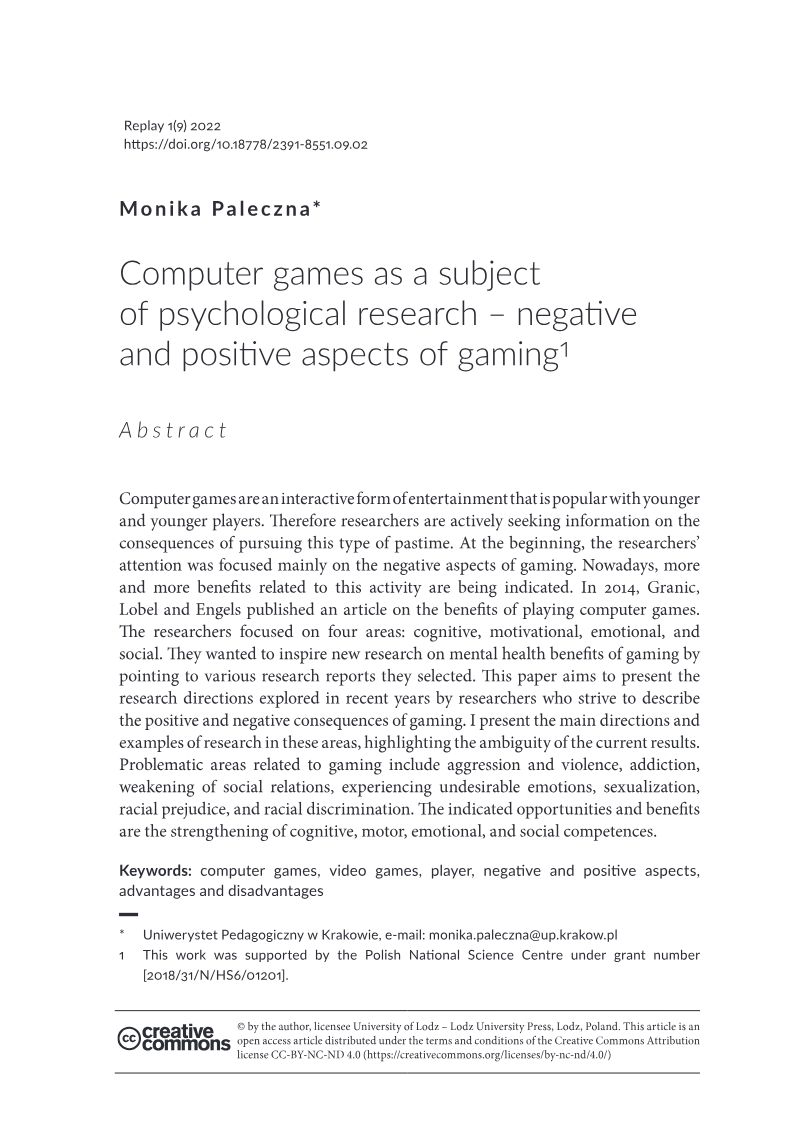
Replay. The Polish Journal of Game Studies · 2022