1 free read left. Create a free account for unlimited reading + AI research.
Create free account
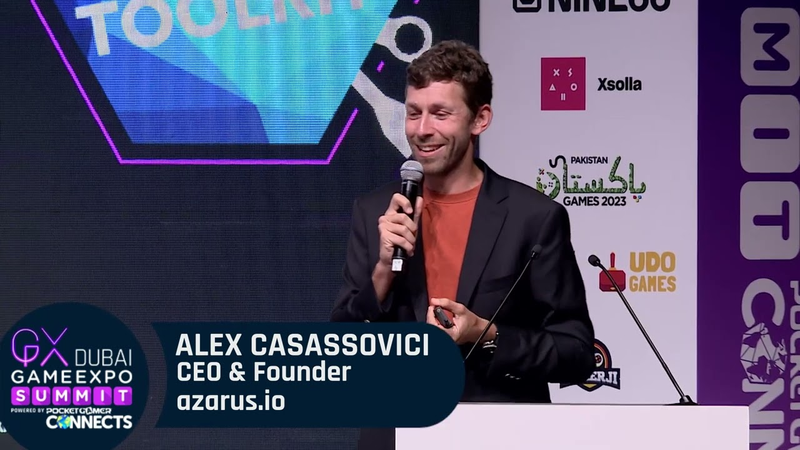
Massively Multiplayer TV - Alex Casassovici, azarus.io
Key insights
6 takeaways- 01The current technological shift enables the distribution of interactive content without requiring users to download external software, effectively turning any internet-connected screen into a game console.
- 02Developers are leveraging game engines to create optimized, web-based content that transforms the television from a static display into a dynamic, interactive environment.
- 03Modern internet-based streaming allows developers to bypass app store discovery hurdles by embedding lightweight, web-based games directly into video feeds.
- 04Interactive broadcast experiences, such as trivia and real-time prediction games, have achieved engagement rates as high as 100% during live streams.
- 05Interactive overlays on platforms like Twitch have reached 18 million unique users in a single year, demonstrating the scalability of turning passive video into active participation.
- 06Blockchain technology is being utilized as an invisible infrastructure layer to manage digital ownership and identity without adding technical complexity to the user experience.
Ask AI about this video
Transcript
I would like to welcome to the stage Alex from azaris.io to talk about massively multiplayer TV Alex thanks for making it this morning uh everyone so um and if we could cue the presentation that would be awesome uh folks in the uh in the AV over there that would be great that's perfect massively multiplayer TV so the um the topic of this talk is really to try to open everyone's mind about something that they that you all think that you know but as you see through the presentation uh some words carry meanings that have changed vastly
over the past 30 years at World being TV a bit about me um so just like Dave earlier I know a few of you guys thank you for everyone else who I don't know yet I'm looking forward to meeting you later after the presentation um I'm French I have a strong thick French accent so it's hard to go to to deny it and uh I live in San Francisco I'm the founder of others we started back in 2018 prior to others I created a bunch of companies uh had three meaningful exits and basically you can say the trauma carrier I've always been looking at convergence of changes and that's everything that I create a new company and your new idea is what was because a few things were happening around me and I was like wait is that that changing in this how do due to combining what's the space of opportunity that would create so this is exactly what we're going to be talking about today because there's some massive changes happening and you'll if
you're building games I think that should be interesting to you um on the other track they're talking about blockchain I'm into blockchain uh I started building on blockchain in 2016. this is my Alter Ego I love it I'm never selling it uh it's my ape uh I'm going to have a watch with the dial made with it so full disclosure my ape uh that also says that I'm really passionate about digital ownership about gaming and about basically all this culture that has been spawning over the past uh the past couple years around the idea of owning digital assets all right this is what we're going to be talking about today this is a TV everyone has had one of those maybe a more recent version in their living rooms probably forever or at least somewhere in their house TV is great for watching content but today is so much more and you know since the
very beginning of the time TV has always had a very unique relationship with games like this was in the 80s remember that Wheel of Fortune Wheel of Fortune in the 80s I was 8 million 90 nightly viewers it's think about it for a second I'm going to let that thing in 80 million people every night watching the same content at the same time now when we look today Circa 2023 at successes of metaverses or massively multiplayer games that number would make everyone pale in comparison and I was the 80s in America because like that was not Global that's just like one Leap and just like one note just gaming always been there this was an adaptation on Windows 3.1 of The Wheel of Fortune so
you know that relationship between TV and gaming has always been there I'm going to get back to that one later but yeah you'll see how how that's unique and to the point that when you think about having eight million people watching the same color at the same time obviously someone is going to come up with that crazy idea how about we get the viewers to play along well guess what that happened this is a device made by metal in the late 80s in 89 you could play along while you were watching you on the Wheel of Fortune and this is kind of interesting again eight million people watching the same content at the same time they are all going to play together and so this is a I'm not sure if you can read from from back there but this is an article from The New York Times uh they were coding it in 89. it's the dawn of TV interactivity we are taking uh taking over you are not going to be a couch potato in front of your TV anymore I think they called it a bit early but definitely it's clearly an artifact of
the future now we'll be talking about peripherals on the TV TV has a history of having so many stuff attached to it and and 3D carries along with the evolution of broadcasts so one of the things of course like basic TV need an antenna the antenna wasn't good enough you need the signal booster then you needed a way to change signals then hey how about we play Pong uh that was cool you get more channels and the cat is happy you can record them you can you can browse the web so like web TV 90s if you guys remember a good experiment trying to get people to access the web from the TV because that's the thing that everybody has then CDs TiVo Blu-rays and financial Apple TV so all that Evolution just shows one thing is that through these different attachments going from radio frequency to cable to DSL
we have kept each rating on how we bring content to the TV and what type of content we bring so how big is TV well it's pretty big like people watch literally hours on average every day in households again what's really interesting is if you compare that with mobile or any other medium web TV draws more attention than any one of those so again like coming from the gaming background you look at those numbers you're like wait what uh still that big because we all play games we we spend time on different screens and yet TVC predominantly crashes everyone when it comes to capturing attention another thing like we were raving about 8 million for The Wheel of Fortune in the 80s Super Bowl we're talking about hundreds of millions of people watching
the Super Bowl at the same time so it's it's kind of interesting to think about it because at this rate if you take sports like an arena of the Super Bowl is worth like hundred thousand people but there's a hundred million watching so TV3 becomes like a loudspeaker a megaphone where everybody is doing the same thing at the same time at a scale at a world scale and and so there's a few things that have happened over the past 10 years that you may or may not seen so you all in the U.S had the wheel of fortune in France we had the quizzaco there is a funny name but we basically so many countries had the same type of devices allowing people to play along uh and with pretty different pretty decent numbers like 40K average Mau uh in 92 that's not too bad we had the second screen who remembers the second screen that was raving in the 2000s uh people trying to get soccer fans to chat together while watching soccer it's a good idea uh like
everybody's watching the same kind of the same time you are passionate about it why should you be able to chat about it well it turns out having a second string kind of like breaks it uh doesn't really help but it's it's a good idea everybody knows that I guess uh Netflix bendersnatch that's the first time that we're actually able to watch a movie and choose right on your screen with the remote control you already had what was going to happen uh it's that's a great artifact of future there was only one though because it's so hard to build you actually have to create content the content and work all those ways like in a Witch Way book but yeah with video it takes a lot of of commitment to build one of those episodes another one TV connected to blockchain like this is a loved as robots there you could mint an nft if you could find the right code hidden in the episode so again connecting and you can see a pattern here the TV
has been a medium connecting dots between the content being broadcasted and the actual digital nature of that content and the audience watching it and it's really like all those connections happening in so many different and weird ways from minting nfts to playing along to um to trying to win prices on the Wheel of Fortune and win some real dollars like yeah the actual show uh contestants it's coming together but still very fragmented like it's complicated you need an app you need a second screen you need a device well this is kind of changing now because this screen new TV has nothing to do with the one that I showed earlier this is not a TV we still call that the TV though and I think we actually reducing what this screen in everyone's home is actually doing it's not a TV 30 years later we we have streaming and the internet has unified
everything that we've seen before that I've showed you all those artifacts all those devices now everything from the content to the interaction everything comes through the internet right to the device and in many cases people have cut the code and not using cable or anything else it's purely through the internet and this changes things because all of a sudden well if everything every screen is an internet video player actually there is already the technology in that video player that makes it Again concert and this technology has been developed by the uh the broadcast industry over the past 10 years 20 years because I mean I always say that with a with a little nudge but the cable TV has been trying to sell you Pizza on TV for 20 years so they've been so many things that are crazy but they never thought that we can actually just run games on it and that's what we uh we started doing four years ago running games over existing
broadcast uh instead of having ads or whatnot we're just pushing a game it's pretty funny and this is our thesis it's really that interactivity is the next evolution of TV and so when you watch a content and this is really something that you all need to to to imagine like what could you add to it if you were able to put a button what would we do would it do if you were able to consider that screen not just as a one-person screen that you are watching but it's actually a window to the biggest digital Stadium how would you create an experience that would make things different we built a platform to allow you to do that so the um our protocol basically lets you build distribute and monetize games that are pushed through the the hls feed through the video feed and show it magically on any screen it works on every screen today from your Apple TV to your Google TV to whatever it's extremely simple to
build you take any one of the skills that you already have if you know how to use a game engine you can build on others which for default but literally any uh any game engine that that generates webgl games uh will work with us and in case of you if you're wondering is it is that the pipe dream is not we've been doing that on Twitch for a couple of years now uh we have a really good relationship with the platform and last year we had 18 million uniques 18 million unique people clicking buttons in our games on Twitch and and this is really what blows me away is that you have back to what I was saying like those eight men watching Wheel of Fortune those 100 million watching the Super Bowl I guarantee you if you put a button on the screen and it's easy people click it and in 2023 when it's so hard to compete to attention for attention to get a game being downloaded on or discovered on the App Store on the steam store that this is like a totally Vision Island you have
hundreds of million people already watching a channel that's pretty cool so those are the type of games that we've done we have some trivia games those ones are sponsored by Logitech you actually those games let you earn uh points there's a wallet on the stream that we uh we push so you are able to earn or spend or use currents that you are through the experienced it's very small game it's like 30 seconds one minute super easy this game get up to 100 of Engagement rate on channels on Twitch and if you think about it 100 you have everybody who's watching who's playing at the same time because it's massively multiplayer you have the Creator talking about it and playing along you can see everybody who's playing at the same time those are other examples about like more prediction games uh this is like a very fun one that we we tried out it's like a mini Flappy Bird for 30 seconds everybody tries to get as fast they can from the uh in the uh the level because Red Bull gives you wings
um this uh and it scales uh just on Twitch last year we were on the streamer Awards that's half a million people watching and playing at the same time so this is not this is today everything that I've been basically telling you from the beginning of this presentation it's a conversion that's happening now uh people are massively watching content through the internet they already have the devices and there is a technology that lets you create games and push them in front of their eyes to read a question you should be asking what can I do with that how would I invent new type of experiences that leverages the potential of this medium that literally nobody is building on today so we call that massive interactive streams on Twitch which is again where we've had most experience so far we also on some other platforms but like twitch is definitely by far because people love it uh like literally the creators love it uh the viewers love it because it's like
literally uh it's fun to get to realize that you for for a few seconds you get to connect and to interact with everyone else who's watching uh it creates that unique experience it's short it's simple but it's also fulfilling because you realize like everybody is doing it let's see if I can win and get on the top of that little boat for for a second and if you don't it's not not a big deal it's gonna come up come back maybe in an hour or so but yeah it's fun for for literally the audience and the Creator the stream is the wallet uh as I mentioned earlier I believe strongly into digital ownership I think this ties into the story if you watch some content like the Steph Curry blog from Jay Moran from the playoffs and someone means yes nft I would like to be able to be it right there on the stream when it happens so the platform lets you do that I think there's there's a ton of experience if you see someone drawing something on the stream and you want to
start bidding on it uh what is happening that that works too so all these things are tied to the fact that you we know who we give you or know like a wallet and you will let you use it very simply through all those games that you build the platform that you build distribute monetize if you get a game developer which I hope that some of you in the uh the audience are uh this is a game engine uh it's default it was made by King back in the days uh it's fully open source and we've modified it so that you have access to a wallet and a massively multiplayer back end so super simple to use if you've used in a game engine before this is simple we like this one specifically because it's very lightweight and create some very uh I mean some optimized webgl games really easy to build 2D experiences on it and uh and yeah that's it right on time I guess so to finish this talk I would say that if you guys want to try and
build on the platform scan the QR code on the left we have some developer grants without tokens to help you get started and to uh to uh to to build new experiences but beyond this what I want you guys read to take away here is that what we call a TV is not a TV anymore it's a game console and does not require to put an expert a PlayStation to play you already have everything with a remote control or if you're watching uh ESPN on your phone or YouTube TV on your PC all those medium that are basically internet video players they're compatible you can create content and it's really up to you to to figure out well with that capability what are the experiences that we can actually bring to the table how are we going to make this medium evolve because this is not a TV anymore and we are restarting a new lag of the Journey of the medium which is interactivity so we need to Define to invent really what is that going to mean
what are the experiences that we will come to expect when we turn on that big screen in the living room thank you everyone it's not working hello hello thanks uh thank you Alex that was great um does anyone have any questions we're about five minutes behind in this room but we could take time for a question or two if anyone has them well oh oh Oscar great thank you so um I love the interactivity I love the fact you're you're trying to use the device that's in people's houses that they're often neglecting now um but I'm still crypto shy uh how can somebody who wants to try and not necessarily get involved in the crypto side of things and keep a cleaner brand but understands the value of the
technology engage with the kind of stuff that you're doing that's a great question so when we built the protocol from the beginning we decided that we did not want to be pushing crypto on the audience so like you saw that it was 18 million uniques that we had last year uh probably none of them I mean 0.001 is aware that the other coin is a crypto that you could unwrap and use so it's uh the whole point here it's not about crypto it's not about blockchain it's about ownership it's about identity and it's about being able to if you win something it's yours you own it and you're able to use it the way you want and if you go from one channel to another you'll find your identity your wallet and everything so all the wallets that I showed earlier the custodial you can of course unwrap and take ownership and go on that rabbit hole if you're really a Degen and understand how this works I think it's going to take time an old challenge here is really enabling
new type of experiences and putting the the building blocks not forcing uh into into a Direction perfect thank you great love the presentation and for those who maybe weren't here right at the start um it was a great way to show how the TV in the living room has always been interactive I love that as well about the peripherals and so on especially in front of her when you're watching soccer with friends very interactive for other reasons exactly uh and of course so if you did miss that remember you can watch it on the recording so we're recording everything so we'll send you a link to that later um thank you very much Alex thank you
Summary
The evolution of television from a passive broadcast medium into a highly interactive, massively multiplayer platform represents a significant shift in digital entertainment. Historically, television has maintained a symbiotic relationship with gaming, dating back to 1980s experiments like interactive game shows. While early attempts at interactivity—such as second-screen applications and specialized hardware—faced fragmentation and technical hurdles, the modern transition to internet-based streaming has unified the medium. Today, every internet-connected screen functions as a potential game console, allowing developers to bypass traditional app store discovery challenges by embedding interactive experiences directly into video feeds.
The core thesis posits that interactivity is the natural next evolution of television. By leveraging existing broadcast infrastructure, developers can push lightweight, web-based games directly to viewers, transforming passive consumption into active participation. Data from recent implementations on platforms like Twitch demonstrate the viability of this model, with 18 million unique users engaging with interactive overlays in a single year. These experiences, which include trivia, prediction games, and real-time challenges, have achieved engagement rates as high as 100% during live broadcasts, effectively turning the television into a digital stadium where audiences participate simultaneously.
Technological frameworks now enable the distribution and monetization of these experiences without requiring users to download external software. While blockchain technology provides the underlying infrastructure for digital ownership and identity, these systems are designed to be invisible to the end user, prioritizing seamless gameplay over technical complexity. By utilizing game engines that generate optimized web-based content, developers can create short, fulfilling interactions that bridge the gap between content creators and their audiences. This shift invites a new era of content design, where the living room screen serves as a dynamic, interactive environment rather than a static display.