Loading the document
1 free read left. Create a free account for unlimited reading + AI research.
Create free account1 free read left. Create a free account for unlimited reading + AI research.
Create free account
Distilling the key insights…
So, thanks for welcoming me here today. It's my first time in Kov. It's obviously then therefore my first time at Digital Dragons and it's it's not disappointed. Everyone's been so friendly in and around the city, but in the halls themselves, in presentations, in the meetings, everyone's been very welcoming. So, um you know, really friendly conference and really pleased to be here. So, um, my name is David Sidebotm. I'm VP of insights at a company called Fans Census. Uh, we're based in the UK in a lovely little village about 30 miles west of London. Um, my role within Fan Census is to bring the millions of data points which we bring in on a weekly basis or daily basis um to life. So, bring that data to life and provide actional insights to our clients who all across the gaming space. mainly from we work with small indies
all the way up through up to AAA publishers. So today I'm going to be talking about AI chat bots really. Um there's so many different words for this space. We've struggled ourselves to sort of come on come up on a term which really captures everything. Um you may know them or people refer to them as LLMs but obviously that's slightly different. AEO um is another way we talk about it, but AI chat, AI chat bots, AI queries, that's what we're looking at today. So basically chat GPT, Google Gemini, that sort of thing. Um so yeah, we've not quite decided on one yet. Um so I'm going to be discussing basically what the likes of Chat GPT, um Gemini, Perplexity, etc. what they return when you ask them questions, when you ask them queries about games. Um, and this is important because obviously this is becoming an increasingly common way that consumers are finding out about
games or any information around gaming. So, it's important when it comes to your game discoverability, but it's also important when it comes to that messaging as well. So today I'll be talking you through um with some big picture stats and then bit more detail as to why it's important the role of AI in discoverability um how you can do a few things to make sure your game is more visible in those returns and what you can potentially do and influence uh relating to um what those chat bots are saying about your game as well. So really sort of discussing the narrative and how you can potentially influence that narrative. So just a little bit about um sorry fan uh fan census uh we cover data across marketing PI the communications side. So we track um tens of thousands of different sources across press across
social media channels. So all the social media networks and press fe featured in that communication side of things. So we use that really to help um companies with campaign planning but also monitoring monitoring their campaigns. So for example, you know what coverage they've got perhaps where they're missing out on coverage. So what what are the quick fixes there on the commercial and retailer side? We one of the key focuses for us in there is actually on store discoverability. So whether that's um on console stores, so PlayStation, Xbox um um and Nintendo Wii Shop, we actually capture those on a daily basis actually on the consoles themselves. So you can see how visible you are, what sections you're featuring, etc., but also on the browser side as well. So not just Steam, we cover um hundreds of other retailers around the world. So whether that's maybe the more traditional retailers like likes of Walmart or Amazon who are still very important in the gaming space even now um to some of more digital focused ones
on the consumer side we have our own consumer um survey program called Guru but we also track forums forums Reddit etc as well and then our latest piece which is what I'm going to be focused on today is the AI chatbot all AO analysis so for about the last nine months months now we've been um basically beefing up this program asking more and more questions to these platforms and analyzing those results which I'll go through today. So it's a it's a nice little fit into our overall space and fusion is our um dedicated proprietary platform um online which user interface a bit like sort of um a souped up version of of PowerBI really where everything's at your fingertips. So in terms of AI chatbot use as I've called it here um it's crazy really that you know four years ago this wasn't really a huge thing. You know chat GPT um only launched three and a half years
ago. So compared to where we are now and how it's become such an intrinsic part of many people's every everyday lives in some ways and I'm not exaggerating in in in some places it's saving people hours and hours of of research and advice etc. you hear all these, you know, strange anecdotes about becoming people's best friends, etc. But it it does play an important role. So, 4 billion um daily queries um per day. Um and that has increased just by 2 and a half% in in the last year alone. So, it's five times more than it was two years ago. You can see this rapid pace of change here and you can almost see where it's going. So whilst you know there are other uh platforms out there um like I said one the two other two we really focus on Gemini and Plexi as well as Claude and we're going to introduce more into the system as well but obviously chat GPT typically covers about 78% of of all queries and users at the moment. Um as I
mentioned chat GPT's been around 3.3 three and a half years. So um it's already the fifth most visited website in the world. So, it's pretty staggering the rate of change we've seen there. Um, despite that, it still has 20 more 20 times fewer visits than Google search. So, it quite a sort of paradox there. It's the fifth most visited website, but Google search is 20 times bigger in terms of visits. However, in terms of actual web traffic, there are some who are predicting that chat GPT could overtake Google's search traffic by the end of this year. So whilst the visits are much higher in Google search, the traffic is is getting to the same level as Google search now. So we can see that um that shift potentially that morphing between sort of standard search and using AI chat for search and more detailed answers and chat GPT already
has about 1 billion active u weekly users. So already hugely significant. So why is this important in games? We ran a a consumer survey at the end of 2025. Um, we tend to do this every year around around the game awards. We ask a lot of questions about the game awards. We ask about game recollection. We ask about people's feedback, but also provides us sort of a good annual barometer of some of the key gaming behavior as well. So um just over half of gamers use AI chat chat bots like chat GPT for gaming info or recommendations and and 40% of those do so on a regular basis. So you've got about one in five gamers who are regularly accessing chat GPT for all sorts of game information whether that's recommendations um whether that's tips etc. So what also
was interesting whilst um it's not just about sort of the younger audience they're under 30s for example whilst 25 to 35 year olds are the most active in this age group as we tend to expect amongst new technologies uh we are we saw s pretty you know consistent use across all age groups and and we're seeing you know strong uptake even in the over 40s over 50s here as well. Now, I think you could argue that, you know, these sort of technologies and these sort of chat chat platforms could be even more important as we sort of broaden out to that wider demographic. Um, almost towards the more casual gamer away from just the heavier gamer. If you think so, some of the more casual gamers perhaps aren't as well-versed on on gaming. Perhaps they don't read as many uh publications. they don't follow as many influencers on gaming. So these sort of platforms are more than likely to be sort of a quite an easy easy way
for for them to get that gaming information. So we expect this to grow even further as we start to hit sort of the more of the casual gamers. It was interesting actually just last week chat GPT um put some of their own research stats out about their use and they said that the highest growth was coming in that 35 to 44 year old age bracket for them um amongst females as well. So again it's it's sort of classic moving out of that early adopter phase into the next phase. So um yeah c casual gamers we do see strong growth moving forwards. So in terms of our methodology and where we're getting our data from, we're basically um asking so almost through our automated process, we're asking hundreds of questions to per day around games, generic um questions, some quite specific questions as well um around you know game recommendations um game
feedback etc. Um, and in terms of the types of queries, the ones in yellow, the types of queries we've been asking. So, for example, recommendations, it could be something as simple as what should I play next or recommend me a game I should play on PS5. Or it could be um slightly uh more specific, say say like, I like Resident Evil Reququum, recommend me more games, or you know, recommend me some horror games. Um, we try to be as um as I guess realistic as possible as what you know a general game or a consumer would say more in an informal way than a for a formal way. That's something we're still shaping because that is a million-dollar question actually is that no one really knows exactly what people are asking these whereas for Google search and things there are tools out there where you can you can almost look at what the sort of the prompts are. But for chat GPT and similar that data isn't available yet. So it is a bit bit of a holy grail. Um it could be about you
know consensus appraisal or purchase reassurance type of questions. So u what I mean by consensus is like you know what are the best games at the moment or um should I buy this game? Um could be about news events or summaries. So tell me about the game awards, what happened uh the future game show last night u or what's happening with this company etc. It could be just g basic game info like you know tell me about this game or you know what should I know about this game and then this bottom two obviously lore explanation just people just getting really involved in the game wanting to know more about sort of that gaming universe then tips and hints and strategy so advice on gaming which is not something we've sort of got involved in as yet a little bit more difficult to to datify. There we go. So why are we analyzing um
AI queries and why is it important? Well, there are two main ways. Firstly, it's visibility and discoverability. So, how vis visible are your titles when it comes to the more generic questions? um how does it shape up to your competitors and how consistent is it? So, for example, if we're asking questions like, you know, what are the hottest games of the at the moment or what games should I buy? Where are your titles featuring in in the rankings? You know, how often are they getting recommended? Um whereabouts in those returns that they're featuring. So, that strength of recommendation is really important. Um looking at the competitive position, how you compare to your competitors. So is your comp some of your key competitive games are they ahead of you? Are they behind you? Um you know are they surprising you know is some competitors potentially which you wouldn't consider to be competitors actually doing much better in terms of visibility purchase consideration. So again those
sort of questions what should I buy next or giving that reassurance um you know discoverability here is key and then versus other metrics as well. Some of the other things when we look at discoverability looking at you know press and socials. So discoverability is not just about trying to find something and purchase something. It's right from day one is when something gets announced people could becoming aware of it for the first time. That's then seeding that that uh visibility and that discoverability on store as well. So um like I said we we look a lot at console and steam discoverability. Um but how does that compare? And that's something I'll touch on in in a short while. So visibility and discoverability is the first point and that tends to be the way we look at that is through more generic questions. The second part is narrative amplic amplification. So this could be through asking generic questions but also through asking very specific
questions around genres um or around games, very specific games. So um this potentially you could argue is equally important if not more important than than the first part because this is something which as a developer as a publisher as a marketer you can influence more potentially more easily. So what's important here is what's driving this um and what uh what are the citation sources which are driving this. So, is your game narrative aligned with with AI's game narrative? You can check that, you know, are are the AI saying something slightly different? Is it picking up on different points than what you've been putting out from in in terms of your marketing campaigns? Um, and again, this is something I'm go going to go through in more detail. Um, it's interesting. yesterday sat in on Guy Richard's talk at Idea Xbox on in terms
of discoverability yesterday and he said first straight up discoverability is the biggest challenge in gaming and he he actually had these first two points visibility discoverability and the third point he had was conversion not necessarily I'm going to talk about today but you can see how that flows how visible is your title what's the narrative and then how do you convert those into into buying your title. So it is interesting. So how how it all fits in with the wider wider landscape. What are the steps to understanding um query returns? So firstly uh we interrogate these systems. We interrogate these platforms. You know we ask the right questions in the right way regular regularly over a period of time. Um so and we can ask new questions so maybe around a launch we can ask maybe just for three to four days we can ask for longer and track
over time. Um and that's something we've been doing for a number of months now. The second is interpret that. So what's being said, what's being returned, trying to understand exactly what's coming in and effectively we're trying to kind of sort of datify for one of a better phrase um those returns so we can compare, we can contrast and we can rate the quality of those returns um effectively so we can compare those more easily. So thirdly identify. So we can identify the areas of strength or concern. You know are those returns you know bringing back things which you might not like to see or not might not like to hear or maybe that you're just not visible. Um and also perhaps more importantly identifying the drivers of these results. you know what are the sources of information these are getting that these chat bots are getting their data from regarding your title and regarding those questions again I'll come and talk
about that in a little more more detail later and then fourthly influence once you've identified the sources and the key focus areas focus then on what areas you can easily in influence so what are the lowhanging fruit um some others may be more difficult to influence and that's perhaps where you need a more of a long-term planning long long-term strategy. But overall, if you've got all this in place, you can start to develop a best practice moving forwards. And then finally, don't treat any of these in isolation. And I think this is really key. Um, everything you do before your marketing PR strategy, your store strategy, your storefront stat strategy, everything you do feeds in to your your AI strategy, your AI returns and just spinning I showed sort of what Fan Census did earlier. So, just kind of spinning that round and putting AI in
the middle. Now, basically everything you do in marketing, PR, everything you do on your storefront, whatever you've got about your game on Steam or Xbox, PlayStation store, whatever game descriptions, trailers, etc. to what's up there, whatever anything said on forums, on social media, from a even from a consumer standpoint, that all feeds in to your AI visibility and and the analysis which comes back. So basically AI chat drop chat bots draw on your overall online presence. So whether you like it or not um you're already out there but this everything you can do here you can influence that and you can do something about it. So it is really key think of it not as almost as a well you shouldn't be thinking of it as a separate activity or a separate sort of marketing activity. It's what you do overall to help drive that is key. Okay.
So, a bit of data now. Um, so I'm going to next few slides I'm going to go through some of the the the data from our question over recent months. Um, focus focusing in on different areas and different types of questions. So, um, this is looking at yeartoday 2026. It's looking at the top 10 most recommended games. it it takes into account about 10 different question types such as what should I play next or recommend some games for me or what what game should I buy on PS5, Xbox, Steam right now for example. Um, like I said earlier, we also ask questions around specific games, including comparisons like, you know, I like Resident Evil games, recommend other games, but we've not included these here. This is generic questions around games. I think first and foremost, [clears throat] excuse me, you can see there's a real mix of um, games in here. I think all of them are pretty high profile as you, you know, as you would agree. Perhaps no surprise
that Resident Evil RecM is is so high up here. Um, as you can see here, it's it was featured in 80% of all the returns we got back Resident Evil when um featured in. So quite easily the number one game. And again, given its high-profile nature, I think it's, you know, it's easily been the most high-profile release so far this year. It's perhaps no surprise. Um, Crimson Desert number two. And then the others, as you can see, pretty even tapering off there. Um, like I said, all of them are very well regarded. They're all really high-profile. Um, some of them seen as sort of best-in-class in recent years. Whilst not all of them are what we [clears throat] call sort of really recent releases, there are obviously some which do appear which launched sort of 2 three years ago. And there is the outlier there which is GTA 6 um which obviously isn't out yet. So um that's one area in terms of how the chat bots
interpret the questions. It's throwing GTA 6 out there yet. We can't play it for another what, six months now, is it? So, yeah, really interesting to see that that variety there amongst those returns. So, what drives AI recommendations? So, looking at the previous slide, which was more about broad and generic recommendations, um we see different criteria across different AI platforms. So the drivers differ by from chat GPT to perplexity and Gemini. How they interpret how how they interpret those do differ. We do see some games which are constantly mentioned amongst Gemini and perplexity for example but not amongst chat GPT. So chat GPT didn't mention GTA 6 once hasn't mentioned it once whole the whole year whereas Perplexity and Gemini consistently throw up GTA 6. So it's it's quite interesting to see how the yeah the way they just interpret the question is very different.
Um so we've got sentiment reviews consensus feedback. So they would go to the overall web and it's sort of latent knowledge really to sort of get that consensus opinion. Um and seven out of the top 11 we saw on that chart previously scored 90 or more in terms of their overall critical review score. So it does get that consensus opinion. It goes things like top 10 lists, um, Metacritic and again those sources are something I'm going to dig down in a little bit more detail. Uh, press social visibility. So what's being talked about this year? So not just about going like to top 10 lists or that consensus opinion, but what's relevant. You know, something like Resident Evil Recreum, which has obviously had um, you know, glowing reviews. It's had such great feedback so far. it sees that as being relevant and it which is one of the reasons it's driving those returns. Um title availability and um and and
recency are key as well. So I mentioned um chat GPT only uh not not including GTA 6 in its returns um whereas Gemini Perplexity tend to focus more on recent titles rather than some of the older titles we saw there and relevance. So um AI returns can focus on recent releases. It can focus on you know those peaks in press activity you know when it comes to a new launch. For example, um, Hades 2 is a good example when it recently launched or console, we saw a huge spike when that launched. So, just sort of applying this back to the chart. So, um, Hades 2. So, when we're talking about the um, uh, the differences by platform, Hades 2 was the only title in the top 10 on all three platforms. So, Gemini, uh, Chat GPT and Plexity was the only title which in the top 10 across
each. So each one had a very different top 10. [snorts] Um so yeah, it is interesting to see how they are interpreting the questions and how they're responding. Critical review score um and sentiment as I mentioned previously um whilst there's only 10 there, seven of the top 11 scored 90 or above. And obviously we take GTA um GTA 6 out of that cuz it's not out yet. That's effectively seven out of 11 scoring high. Crimson Desert's been recommended even though it's, you know, one of the lower scoring high-profile releases so far this year. The third thing on that list has had previously was um press and social visibility. How visible have those titles been in the press so far this year? And actually the top two recommended there have been the top two in terms of number of press headlines out there this year. So obviously I think that really explains why Crimson Desert's been recommended because it's
been talked about you divided opinion in some ways. Um but obviously it's it's that recurring conversation about it which is the reason why it's being driven. Um and we talked about title availability on the previous slide. You know GTA 6 not mentioned by chat chat GPT not even out yet. There are a lot of titles which f people are hyped up about, but chat GPT in particular won't mention those. It will only mention titles which are already out. Whereas Gemini and Perplexity don't really seem to care. It will recommend a title even though you can't play it. And relevance. I touched on Hades 2 earlier and again I think it's quite a good example of why it's been recommended here. Prior to it PS5 and Xbox launch, Hades 2 was ranked 12th and then that obviously gave it another spike. So, you know, the press and social visibility again is something which is driving that.
So, AI mentions can different to press exposure. So, we looked at um PlayStation state of play. Um again we mentioned previously one of the first big things we did here was around the game awards where we asked what's happening at the game awards and you know what are the big titles etc. So when the state of play was it was just another perfect um excuse for us to really sort of te you know testing the questions and see what came out in terms of AI mentions rank you can see gods of wars of Sparta was the number one title which was mentioned when we asked you know what was hot at state of play what were people talking about number one and kina scars of kosmora was second but was only 15 for press headlines so it was basically um the platforms were amplifying kina put it to number two whereas press were, you know, not as hot on that title. In fact, I think there were only around 30 titles, weren't they at the state of play, so it was only featured around halfway down the list. Silent Hill Townfall was number one for
press headlines, but number five for AI. Probably more likely press headlines because it had its own showcase directly after the state of play, which would been driving that as well. So, yeah, interesting to see the differences between um press and AI. it it is a driver. Press headlines definitely are a driver but obviously you do get some outliers looking at store discoverability. So here um [snorts] we asked a bunch we all well continuously asked questions about what the best games or so what games should I play or buy on PS5 or Xbox right now. So just focusing on PS5 what PS5 games should I buy out now. This is looking over the last eight weeks and just specifically looking at hell divers as you can see um the white line is the percentage of AI returns it featured in so you know quite a variance actually between sort of just over 10 you know 15% up to nearly 50% of returns per week
um and then discoverability impact score which is our score which measures the quantity and quality of returns on the PS5 store uh week on week you can see that it's again pretty even a little bit of a dip and then increases. So the dips actually at the same time difficult to see if there's correlation between those two. Um but what was interesting from a press point of view when the press headlines went up for headliners we saw a dip in discoverability um and a dip in um AI returns. So not always correlated there. So um it is we feel it's the more of a limited driver of AI mentions is store discoverability. Um if we look at um God of War um Ragnarok we can see actually they are more aligned AI returns and the discoverability are you can see that little peak there um in the middle um but again quite interesting the press headlines peak comes the week after the
peak for AI and discoverability and that that peak there was when there was rumors around sort of the sequel coming out so it didn't seem you know we would expected potentially to see that maybe stay at a higher level in that following week, but what wasn't the case. So sometimes we do get these little quirks. So um the the slides you've seen so far have been focused on the consistency of returns. How often have of have these titles been mentioned? And that's key. you know how often you mentioned if if to be fair if you asked chat GPT a 100 times a day the same question you do get slightly different question returns back overall there obviously is quite a lot of consistency um but how often mentioned is sort of a real barometer but I think second to that is how prominently are are you mentioned when you're asking are you in the you are you in the top row are you in the top third
or you just way down the bottom um so we can measure that and I'll show you in a in a in a short in on next slide sort of some examples of that. And the third part is not it's not just about how often you mentioned how prominently but what are these returns saying and that's the narrative amplific amplification. Easy for some to say. So the quality versus quantity is key. So um flipping the question again just to mix it up a little bit. Um these are the top 10 most recommended new games um in 2026. So we ask questions about you know what the new and upcoming games, what's coming out, what's new um in April and May. So the percentage mentioned is the percentage of query returns they're featured in. So for example, we take Pragmant, we're ranking it number one. Um 61% of returns got back mentioned Pragmata when we said, you know, what what should it play? What are the hot games right now? what what the top new release is. Um you can see
all the way down to um Subnautica Neo3 at the bottom there. Um now the top third rank is when you get your return um that's effectively does that title feature in the top third of the text in your return. So, um, Pragmata, um, not only is it, um, so this is only looking at April and May, by the way, which is probably why it doesn't include Resident Evil because it won't be included as a new release. Um, so not only is Pragnat Matter number one in terms of, um, overall mentioned, um, it is mentioned um, it's got the most returns for um, the top third rank as well. So the percent top third there is it was mentioned 61% and 64% of those returns were in the top third. So if we can see if we go down there for Horizon was second most mentioned overall but only fourth for the percentage which were in the top third. So whilst it was
mentioned regularly wasn't quite as the same quality. And you can see here, Hades 2 um was ranked second for 58% of the time it was mentioned, it was mentioned in the top third. But the one what really overindexes um is Marvel's Wolverine um which 79% of the time it's mentioned, it was mentioned in um the top third. So whilst it wasn't mentioned of often when it was mentioned, it was was higher quality mentioned. Whereas Lego Batman Legacy the Dark Knight um it actually was ranked 13th. So only 30% of the time it was mentioned in the top third. So it's not just about quantity, it's about quality. So understanding your competitors um something it's worth trying I think you know because what is interesting sometimes it throws up some curve balls when you ask about your game. what games are similar to. In this case, Resident Evil Reququum. We looked at this at the
end of February. Um, it can can throw up a few surprises and these are the ones which rank with the top mentions. What was interesting here, it actually the top two with Evil Within 2 and Alien Isolation. Obviously, pretty old games now. Um, so it's interesting. It sort of draws back on sort of that history and that legacy and library of titles rather than some newer games. So, you know, I think some of these are, you know, over 10 years old, these titles. So, so yeah, it's a good little exercise to do. Are there any surprises? Are they recent? Is it drawing on sort of more recent comparisons? Um, is your game being mentioned when you swing the question around? So, if you said, um, I like Alan Wake 2. What other games should I play? Would it re recommend Resident Evil Reququum? So, yeah, it's it's something worth trying. you know, how do you stand up compared to your competitors? [clears throat] So, right, we're getting on to the juicy stuff now. And perhaps bit what underlies all of this in the most
crucial cog and something which you can work with in in helping you understand AI analysis here are the sources and understanding specifically what sources being cited. So now these platforms they query the whole web web they have latent knowledge as well as you know going out to the web and they track a whole range of sources and relevant sources um from [snorts] the key gaming sites through to YouTube um um Wikipedia ready and localized sites. So you can see here we've got some pretty trusted names when it comes to some of the games pressed here. Games Radar, GameSpots, IGN, Tech Radar, etc. Um YouTube interestingly is number four, but um Gemini pretty much drives that completely. No surprise with with Google here. Chat GPT doesn't really draw on YouTube at all. So it is interesting and that is ChatGP is deciding not to go to
to YouTube. Obviously with with Gemini, you would expect that it's probably got a um a more refined algorithm um to to go to it and obviously it's pushing people to YouTube through that. So you know it's that whole ecosystem at play for Google here. [clears throat] Now what you can do here is you can identify any gaps in coverage. You can target sources potentially you are weak versus your competitors and also you can monitor how this changes over time. So this is more of a generic one. So this is the slide I showed there earlier with the um the top 10. This is taking the same game recommendations questions. It's looking at all the questions year to date and the percentage of um returns these sources featured in. So it's just focused on those top 10 sources. Now if we just focus on the state of play um we mentioned um so back in February. So this is looking at all the
questions we asked from generic and specific games questions. We see a slightly different list here. So if we look at all returns, PlayStation.com's top, no surprise obviously it was its it was its own show and it's sort of put it's it's going almost directly to source. So it's realizing that the relevance there. Number two is the publisher and brand sites. So when I say publishing brand sites, for example, um I'll use Resident Evil Recum again as an example. Um it would go to Capcom or it would go to Resident Evil.com site. So, um, again, something I'm going to touch on because that's quite important. Um, if we then look at how that breaks out in terms of specific question returns. So, the blue bar here is the percentage returns for specific questions. You know, PlayStation on top, then you've just about got the publisher brand sites, then Reddit and PC Gamer.
Now if we look at the generic question returned you can see how that changes. So so the specific gaming questions was would be something like um for example project windless was was announced at this show we say what people saying about project windless uh what are people liking about it. So when we're asking about specific questions whereas the generic questions are more you know what happened what were the top titles um announced etc. So you can see the difference in some here like on the publisher brand sites um for the generic questions very low but it was the it was really key for those specific questions. It's a really uh important go to source there. Reddit is also key. So um uh I went to an event uh a couple of months ago looking at sort of broader AI chats not in games but across the whole indust
drive everything on AI but it doesn't for generic questions the the more specific you get the more likely it is to draw on Reddit as a source you can see Wikipedia here Wikipedia is quite interesting when we did the game awards. Um, and we're actually asking every five minutes during the show and it almost used Wikipedia as like a definitive source for what won etc. It's like that was the go-to there for that source. So, uh, yeah, interesting. It uses that almost again as sort of that authoritative source. So, one thing it's looking for is authoritative source and trustworthy sources here. So, targeting sources to influence returns. So AI platform has drawn different sources depending on the query. So Reddit it will use for specific game discussion tops 10. So the more specific as I mentioned the more likely it is to to use Reddit. Metacritic for recommendation strength
is quite an important one. Own website store pages for game specifics and descriptions. I'm going to touch on this shortly. Key websites for high level appraisal and lists. So because it trusts those sites, smaller or local or specialist news sites. So that might be for game or genre specific sites. And these actually could be quite important if you've got a fairly I won't even say a niche game. A game where you've got an which does well in a particular type of audience who you know read particular types of publications. Influencers good for top 10s also specific title info. Um, and and Wikipedia, go to Wikipedia for most things because pretty much every game has got a Wikipedia page, but also for event summaries and sometimes metadata as well. So, just looking at Invincible VS, we sort of ran some questions on Invincible VS um, in April and May. Um, and these were the the num the top sort of
selection of the top sources it went from. So Reddit was number one, Steam uh Steam store page number two. Um Comic Beats was number nine. So a specialist site, Xbox store page was number 10. And its own site, Invincible VS was number 12. Um so Reddit here, what can you do as a publisher, as a marketer or a developer to um when it comes to Reddit? It's the number one typically for a lot of specific game size. Well, it's something you can you can encourage authentic discussion. You could potentially see threads, but it's huge. You can't be ignored. You know, Resident Evil is a good another good example. It's got over a million followers on its subreddits. It's one of the biggest um um gaming um Reddits out there. So, it's absolutely worth targeting trying to develop more of a Reddit strategy uh moving forwards.
Perhaps sometimes this is an area which maybe gets ignored. So steam again this is something which I would say um is probably the one of the things you can influence the most and you should target um as a priority is getting your descriptions and your game descriptions in your store page aligned um understandable with specific understandable descriptions. Most Steam pages are really poorly structured for AI extraction. So, you want to put your simple information up front, concise but detailed explanations, um information on what makes that game different, but be be concise with bullets, with lists. You know, AI can lift that description word for word and put it in its return. So, it's got to be right and it's got to be consistent with your other stores. So Xbox and the console store pages for example again it's a similar sort of logic but it needs to be consistent because if it if
the AI chats and platforms see the consistency it's more likely to return that and this is something which you have direct influence on you control this you know the other parts you know the press etc the influences bit more difficult to control but this is something you have control on the specialist sites engage and foster those relationships you know they they will become more important. If you can seed those with the consistent messages, it will get cited more often. It will become more author authorative and uh I talked about console store pages, the consistency and and invinciblevs.com your own sites have your own page. Not every every um not every game has its own web page. It's simple. Perhaps it's seen as a little bit outdated, but they will go to that page. um capcom.co.jp was the second most
[snorts]
um um visited site for AI for Resident
Evil and um the Resident Evil.com page was number 10. So have have the detail on it, have the character biogs on it. You know, it's it's a really important source for these these titles. And sibly when it comes to sentiment ampli a amplification it's not just about um the how you mentioned the quality those mentioned but what they're saying as well. So these are the percentage returns during the state of play when we ask specific questions what classes positive sentiment. Now I want to just sort of put a disclaimer here. It looks a little bit misleading but less than 1% across the board were negative returns. So the remainder tends to be mixed or neutral. Um so just a few examples from what we've got here. Project Windless was lower um largely because um it focused on the game specifics rather than the hype and the appraisal. So um it was interesting it focused on that. So most of its press was so or so its AI sentiment was uh was
neutral. Um most of it was mixed. But again, one thing what project wind list didn't have, just going back to the previous slide, it didn't have its own site. And if you went on on the site itself, there wasn't a load of information on there, whereas the others did have more detailed websites for themselves. So, I'm going to sort of circle back a bit u in terms of how you can improve your narrative amplification. So, what is a AI saying about your title? What is the sentiment there? Understanding this is important into how you in how you can basically get a more positive message about your game out there. I'm not a technical person, but go generative engine optimization is something which is key to driving all of this. It's the practice of structuring content so AI platforms are more likely to understand and site it. So I mentioned previously, you know, being
consistent across store pages, getting that messaging right across the board. um sometimes maybe having to go back and rewrite it to make sure it's clear, concise, got everything in there you need. It's got the detail, but it's not waffly. Um it's really clear. You know, AI doesn't like waffle. It likes clearly constructed lists. It likes, you know, really concise information, visible citations. So everything we talked about there, it's only one part of the GEO. So the things like Reddit, store pages, IGN, etc., only one part of the G go it um cited sources often used to illustrate specific points but often the overall overall responses derived from thousands of sources you know what's built up over time and that underlying narrative is influenced through your marketing and PR campaigns as well as your store visibility so how do you improve your AI visibility so really sort of discussed this already
but structure structured and consistent messaging and assets. Um, so this has got to be across your easy to influence sites like Steam store, PlayStation, Xbox, Wikipedia, potentially your own sites, press kits, and specialist press. So making sure that messaging is consistent. And then you've got the next level, Reddit, YouTube, social media, etc. Um, encourage creators discussions and use comparison language. DD, you know, Hades meet Eternal. A II loves that sort of stuff. Optimize recommendation prompts. So more specific descriptions, so like things like games like X or these are the best games for. So again, if you can do that, that really helps. [snorts] And as I mentioned previously, AI loves list, tables, FAQs, bullets, concise definitions, anything like that. easy wins really, you know, but it really helps in terms of your not only getting
mentioned more but making sure that your narrative is accurate accurately represented. So here are some of the levers. You can influence your, you know, your you can influence your key source narrative through what we talked about. You can influence your metadata and basic game messaging pricing and discounting versus competitors. Obviously that's something in your control which AI may may pick up on. Potentially you can influence store discoverability perhaps a little bit trickier but obviously key there. The definite one thing you can influence is a store and website messaging. So a combination of all these um can influence p AI so purchase recommendation strength as well as that narrative. And then finally just looking at accuracy do AI platforms get it wrong? Um we asked a question do what do people dislike about the game awards and PE and AI one of the AI platforms came back and saying basically it was a drastic scaling back organizers cited security
and safety concerns basically saying it pretty much wasn't going ahead. So sometimes they do get it wrong they didn't in this case they didn't pick up the relevant and latest information on it. And then if we look in terms of the accuracy, it's definitely improving. These are the best reviews games of 2026. So the review score on the left and then the percentage returns featured in. So uh Marathon and Crimson Desert got mentioned. This is the top 15 games I think got mentioned quite a lot in AI returns, but actually their score is pretty low. So I think Crimson Desert arguably is the outlier there. Marathon got mentioned in almost 20% returns, but actually scored pretty low compared to its peers. Lost and FCO is one of the highest rated titles this year overall, but wasn't mentioned as strongly. That's more than likely because it wasn't didn't feature in as many reviews. So, it's almost like it wasn't mentioned as often in press even though when it was
it got very strong review score. Um, so yeah, quite quite interesting to see some of the drivers there. But the accuracy of these is is getting more important even for more subjective matters such as you know what are the best review games. So touching on the executive summary, remember these prompts, interrogate, in interpret, identify and influence. You know these are things you can do yourselves. Obviously we can help you with those as well and we can you know provide that solution but you know these are some things you can take away and do now and the point I made earlier about not treating in isolation is key. You know everything you do in your marketing PR strategy feeds into this. So looking ahead maybe a bit more broadly um absolutely AI and LLMs will play a growing role in um gaming dis discoverability and messaging. Um AI platforms be increasingly aware of the question context source
appropriateness response relevance and also personalization of what you've asked before. So they will become smart smarter they will become more more accurate. um you know that technological change you know three and a half years where we've come in that that space of time so yeah they will just become much better at what they do paid ads sponsored placements to become more common place in AI returns almost like we'd see in search you know they need to monetize this chat GPT in particular need to monetize this obviously Google can transition across perhaps got it easier for them because they've got the sort of the framework in place already chat GPT in some ways is still working this out, you know, how to how to make money. So, it's coming. It is coming unfortunately. Um, and it's inevitable. Um, Google to increase its share by transition from search to AI chat. Um, I don't think it will increase its share sort of rapidly per se because chat GPT is almost considered the the Hoover,
isn't it, of of this space. Um, but already we're seeing it happen. So AI overviews are now in 20% of all Google searches, not just not just um games focused. So that's happening. But I think overall really for for you guys, just focus on the basics. Track your eye visibility. Be prepared to get creative in some of that marketing. Um and it's all intrinsically linked to your marketing in PR and your commercial presence as well. So everything you do there gets represented by AI. So the things you can do just to be cleaner, more concise, and more consistent. Thank you very much. So do anyone have any questions? Anybody? Excellent. Off the hook. Oh, got one here. [laughter]
Um, thank you for your speech. Uh, I've got a question about tools like which tools should we use to monitor the our presence within the AI mentions for example. Um I'm from what I understood you are uh also providing such
um uh such thing but are like there are some fee to use or
but generally speaking which tools are useful
I mean we sort of plummet it all into our system so it's not something I've looked at personally in detail but I believe there are things out there where you can set up and you can automate questions you're probably not going to get the same detail cuz one of the things we're able to do because we've got an existing database of games basically when we get those returns back we can we can link sort of keywords in titles so when your title gets mentions
it gets linked um I'm not sure how many tools are are out there which can do that obviously you can probably just use simple Excel sheets there probably tools you can do use in Excel to sort of bring out particular title mentions and set something up that way so just simp simple XML Excel modeling can can work in the short term. I think yeah but I think the key thing is you know again we've got systems where we automatically send things off so and it brings the questions back. So again there may be other tools you can use to do that otherwise you're going to have to do it manually sort of two or three times a day at regular periods. Um but yeah I think just simp you know pulling those returns back into simple Excel worksheets can can help and just in structured worksheets.
Thank you. And I have got another question from what what I understood from your um lecture is basically be everywhere and do everything um but our time is limited. So is what's
like top two things we should do
uh being the game dev uh to be more visible in AI? I I said that the the things which are easily under your control uh is your own PR marketing kits, your your own press packs, but your store sites, right? Number one, your store sites and making sure everything what's on one store site is consistent and well structured. So go back to your descriptions and store sites, you know, just just look, you know, ask ask chat GPT how you should structure those and and then go back and think, do I need to rewrite this? and make sure it's consistent because if it's not consistent across sites or across other sources, it's less likely to be picked up. So, consistency is one. Um, you know, even like I said, maybe having your own website as well, there's a lot of games which don't have their own websites. They just focus on, you know, YouTube or socials or whatever. But if it's there, it will it will use it as a source. And it's again a cheap cheap
way. So I would say you know go close to home you get the simple basic things right about your game first and then secondly be consistent across the board and then I think the third point is perhaps more of the outreach to creators to press um to to key press to to try and influence but that's sort of part of the overall marketing strategy overall isn't it? But there's simple things you can do just to to optimize your returns and make sure your narrative is being um amplified as you want it to be amplified.
Thank you.
No problem.

Each row is a game or company this document names, each column a document, oldest first. A mark means that document names it. Select a row to see those documents.
Digital Dragons · 2026
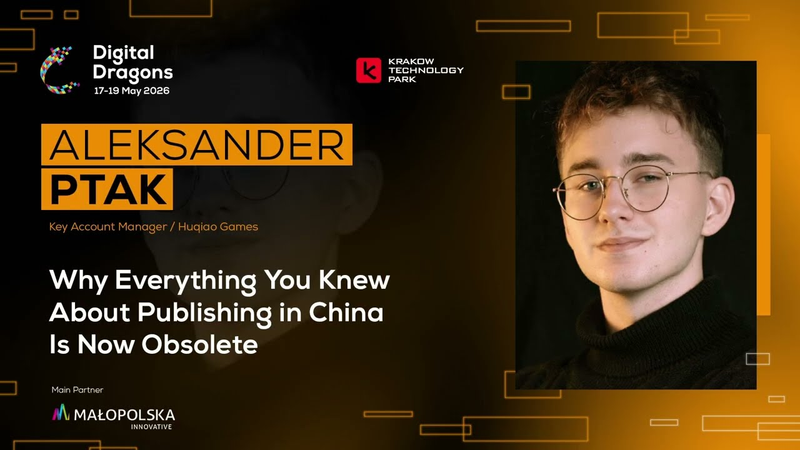
Digital Dragons · 2026
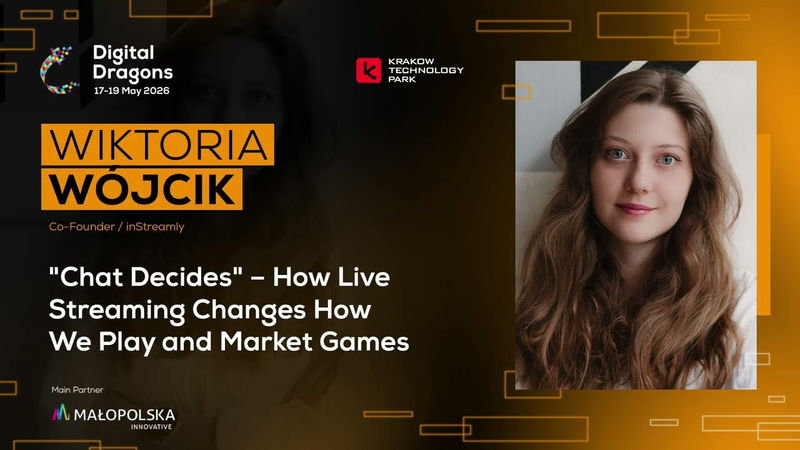
Digital Dragons · 2026

Digital Dragons · 2026
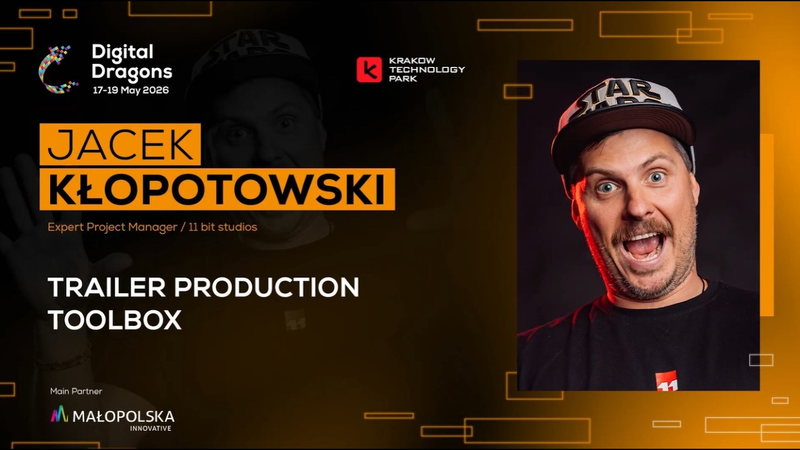
Digital Dragons · 2026

Digital Dragons · 2026
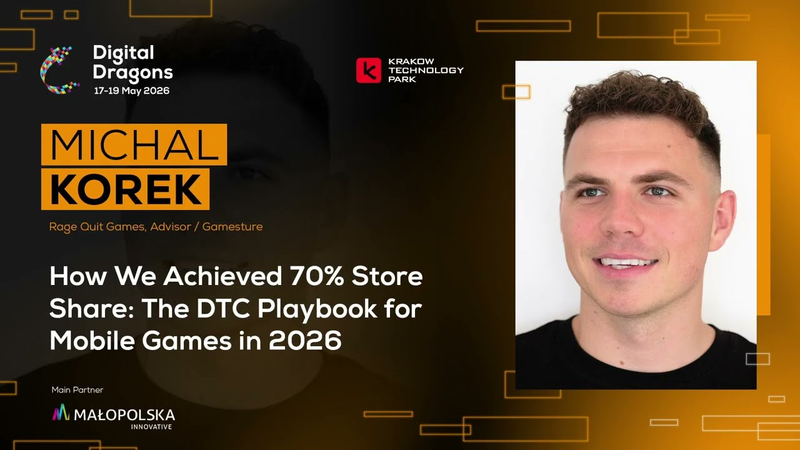
Digital Dragons · 2026
Digital Dragons · 2026
Digital Dragons · 2024
Digital Dragons · 2024

Digital Dragons · 2024
Digital Dragons · 2024
Two & a Half Gamers · 2026