1 free read left. Create a free account for unlimited reading + AI research.
Create free account
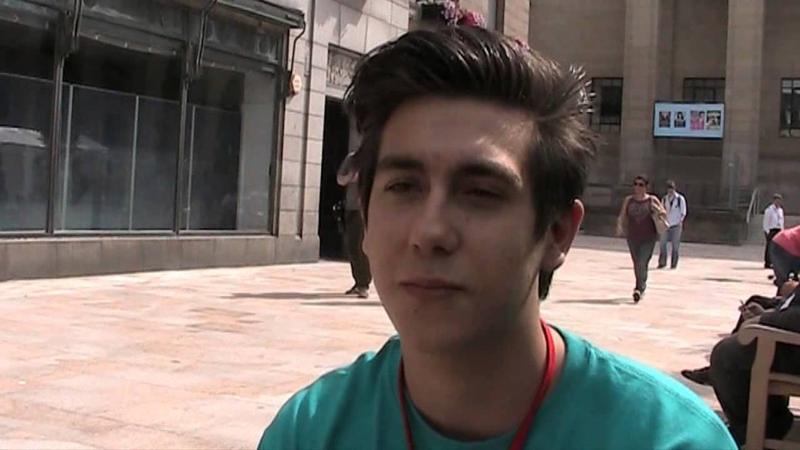
Lunavark Studio artist Daniel Robinson explains why Cosmic Couch is a very personal auto runner
Key insights
7 takeaways- 01Lunavark Studio is differentiating its auto-runner, Cosmic Couch, by blending traditional endless runner mechanics with a linear, narrative-driven structure.
- 02The development team consists of four artists and one programmer, necessitating a collaborative workflow to manage the high artist-to-programmer ratio.
- 03Post-launch plans include expanding the game through paid, episodic content chapters rather than microtransactions.
- 04While initially targeting mobile platforms, the studio is actively exploring potential releases on console digital storefronts to expand its reach.
- 05The team intends to refine the initial two-month production build by integrating additional puzzle elements and increasing narrative depth.
- 06The studio is rejecting the freemium model in favor of a premium, upfront pricing strategy that excludes in-game purchases.
- 07The game’s visual aesthetic is intentionally surreal, drawing direct inspiration from Salvador Dalí and the game Machinarium.
Ask AI about this video
Transcript
[Music] okay so we're at luna studio i'm daniel robinson i do the concept art animation character art and the game's called cosmic couch and it's about a little boy who wants to reach their son this is his dream and he lives in the slums so one day he sits down on his couch and blasts off and basically the whole art style we want it to be a kind of mix between like imaginary means temple run that we're very into quirky and and it's all about the the journey fantastic so how big is a team it's four artists and one programmer right so how how you you've you've sort of hit them now on the head there like four artists one one programmer how does a game get made um good communication definitely good communication um but we we do other stuff we're buried like i do the animation our team leader albert he does the music side and harry he does level design and dom does all the assets
so we kind of were kind of mixed bag but to actually get the game made we really had to like talk to our program communicate well because at first it was very frustrating because being an artist is very different being a programmer right like producing artwork is a lot quicker so we was expecting programming to be the same so we kind of had to like balance in that kind of stuff so you rock up at nine o'clock in the morning do two hours of work go ahead yeah is that how it is we although we were finished yeah we were never really finished so if we did finish we'll do something else right and i think it's important to stay as a team so we would never leave jordan on his own to program we'll stay there for moral support yeah yeah yeah okay so it's so the game is uh frankly absolutely beautiful you've said that it's inspired by machinarium and temple run yeah temple mainly to have fun through the end of sabrana right right um but the only thing we
want to do is make it linear and really story based because we really want to like express the game more rather than being an endless runner sort of thing yeah so do you think there's still [Music] do you think that there is still uh some sort of cachet to the endless runner because there's so many out there now yeah like how how do you go about making your endless runner different to uh make it personal like it's yeah it's really personal to us and also with the artwork is the main selling point and um we want to try and give it a kind of a retro feel so if we do release the game all the the content that comes with it will be free we don't want any in-game purchases it comes with the game and the coins that you actually collect they will be to buy new couches and you collect concept art pages right okay so you are looking to release this soon yes definitely but um we're gonna after probably would like to
bring the game back strip it down get the the level more complete get some more puzzle elements and then build it up again because we only had two months to make this game so we would like to make it a bit more personal and just put some more effort into it so ios android any other platforms um we're gonna keep we're gonna think about keeping it quite open like it would be nice if we could get it on like a psn store or even on the xbox arcade either way it would be nice yeah yeah okay um and uh you're sort of talking about you know including a lot of stuff in in the actual download itself how do you plan on monetizing this it's tricky because obviously it's the first thing but i think do you mean by marketing no so monetizing as in um a lot of people i've talked to are talking about like giftware whereby it's it's essentially completely free yeah and some people are talking about
freemium in-app purchases such as a coin doubler yeah or um or just paying 69p straight up front for example making a premium game like or are you just looking to just give it away um we're just gonna give it a reasonable price and give the game as a whole and then sure and then stuff with it but we'll make sure we expand the game so if we come up with new chapters or new trips we're gonna put cool on it okay so you'd get this trip and then if you like what you've got and you can just choose to go on another trip so no okay another perhaps slightly more personal question like you are trying to make it very much it's a very unique setup yeah um where so i guess when i i guess when i played it i was reminded of really vivid wild dreams like that i might have had or um possibly even a sort of uh slightly intoxicated experience yeah one might have like
where where does the where does the inspiration for this one well us artists where we did fine up and we really are into a surreal like like dali things like that and um i also like strange games kind of like morrowind like the architect is really yeah and just strange and i think that's what we're attracted we're just attracted to strange and something different and something that is unexpected
Summary
Cosmic Couch is an indie auto-runner game developed by Lunavark Studio, a small team consisting of four artists and one programmer. The project centers on a narrative-driven journey of a young boy from the slums who escapes his reality by launching into a dream world on his couch. By blending the mechanics of traditional endless runners with a linear, story-focused structure, the developers aim to differentiate the title in a saturated market. The aesthetic is heavily influenced by surrealist art, specifically the works of Salvador Dalí, and the visual style of games like Machinarium, resulting in a unique, dreamlike, and intentionally strange atmosphere.
The development process highlights the challenges of balancing a heavy artist-to-programmer ratio. Effective communication and team cohesion were essential to bridge the gap between the rapid pace of asset production and the more time-intensive nature of programming. To maintain a unified workflow, the team adopted a collaborative approach, ensuring that artists remained present to support the programmer throughout the development cycle. Despite a two-month initial production window, the team intends to refine the game by integrating more puzzle elements and expanding the narrative depth.
Regarding monetization, the studio rejects the prevalent freemium model in favor of a premium, upfront pricing strategy. The game will be sold as a complete package without in-game purchases, offering players additional content such as unlockable concept art and cosmetic couch variations through gameplay. Future expansion plans involve releasing additional chapters as paid content, allowing players to choose whether to extend their experience. While initially targeting mobile platforms, the team is exploring potential releases on console digital storefronts to reach a broader audience.















Comments