1 free read left. Create a free account for unlimited reading + AI research.
Create free account
Luna Crashed and the Bear Woke Up - The Metacast by Naavik
Key insights
6 takeaways- 01The collapse of the Terra blockchain and UST stablecoin has forced a pivot away from unsustainable algorithmic tokenomics toward stable, EVM-compatible ecosystems and controlled in-game economies.
- 02The gaming industry is transitioning from a period of hyper-growth to one of fiscal conservatism, driven by rising inflation, interest rate hikes, and recessionary pressures.
- 03Despite softening consumer demand and rising operational costs, the industry's focus has shifted toward disciplined cash management and the development of robust, infrastructure-focused gaming projects.
- 04Developers are increasingly abandoning complex, multi-token systems in favor of designs that prioritize long-term sustainability over short-term speculative growth.
- 05The current market correction is acting as a filter that weeds out low-quality, high-risk projects while allowing well-capitalized firms to prioritize strategic acquisitions and talent retention.
- 06Public deal volume in the gaming sector plummeted from $8.7 billion in Q1 2021 to $0.5 billion in Q1 2022, signaling a sharp decline in aggressive expansion and speculative investment.
Ask AI about this video
Transcript
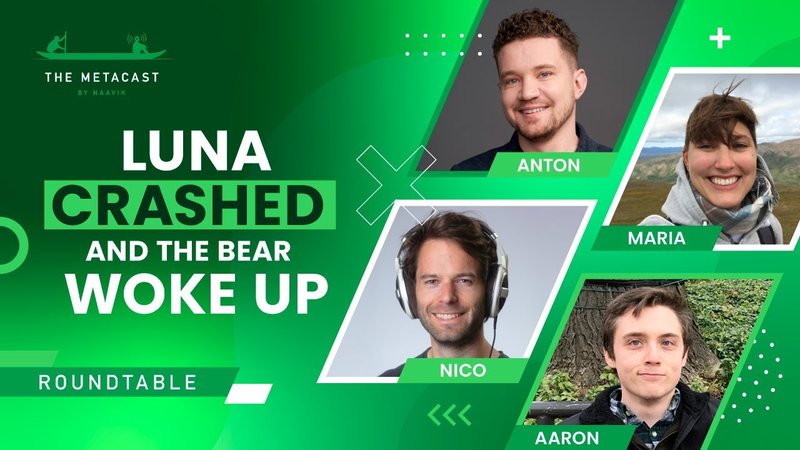
imagine one week thinking you have a million dollars and then the next week suddenly that being worth 250 so there's a significant amount of people who lost a significant amount of money just because you know the trust went away and the value of these tokens completely imploded [Music] hi friends welcome to the metacast roundtable by navik and today i'm joined by anton garadeski co-founder invest game and head of player one gaming media been a long time anton good to see you again i've been missing you guys thank you for inviting me yeah we've been missing you too um nick nico is also here nicholas one day i'll pronounce it right at big craft and also co-host of the metacasts you know i'm from the crypto
corner and aaron butch co-founder of namic so everybody navik a navic team today hey um just before starting to record i was sharing how i'm doing interval training after this recording and i did calisthenics yesterday and nico was very proud yes and i was very proud of nico for being so proud because he always hypes everyone up when they do something healthy and i think we all need that in our lives yes i am you know one of my jobs not a lot of like i don't talk about this on the podcast but i'm also a crossfit coach and so um two weeks two days a week in the morning i coach people in crossfit and the other days of the week i train myself at 7 00 am and um i enjoy seeing people work out i enjoy working out myself and i've i've seen how much better it makes people feel in general and so i think exercise is is i haven't heard of anyone saying exercise is bad for you
too much is bad for you but if as long as you keep it on a good level i think um you can only do a good thing you'd be happy to know nico that uh uh i'm again doing boxing now for a month or so and i also walk uh every day to my office because it's in like it's like a 15-minute walk uh from my place to my office do you own stepping shoes to do that you're making no no no i do not but i've been uh i've been following the like the latest deconstructs and i've been uh i saw your post on linkedin about that and i was like yeah is it so nico is now criticizing crypto the thing well yeah i i do criticize crypto and and we can go into that i think that's going to be our first topic but i want to take uh you know maria's uh hosting responsibilities away from her but i do criticize crypto and i do even criticize crypto that's about exercising so um you know i'm clearly not as as red
pill as i should be or as you'd expect me to be okay aaron can we also have an exercise corner podcast segment yeah i mean i think we could all we could all use it nico if you ever move to dallas texas i'll i'll join your crossfit classes i don't know the odds of that are probably like zero point zero zero one percent but yeah the offer is there yes okay okay i want to launch this listener's let us know if you'd like to attend a live stream of nico doing a crossfade class and we all do it together well wow that'd be that'd be interesting so one day three people gonna join strauss from take two in his like live stream exercise sessions he does that doesn't he oh really that's awesome i'll sing it with watching nft that gives special access to the to nico's exercise live streams or something that's that's probably the way to go it's going to be expensive
yeah come down down i think this this stuff makes sense yes anyway nico carry it on what what bad news did you bring us today so um wait so we're diving into the topics right i'm not that that's your question okay just just to be clear um if there was other bad news i was gonna talk about but anyway as you might know so if you have friends that are into crypto gaming today would be a good day to send them a nice text message to go give them a hug if you can support them a little bit because the past weeks have not been easy for most people in the industry and so you know as our first topic today i i was gonna talk about why so what happened exactly um as many of you know there is this blockchain it's not really called luna but it's token called luna that completely imploded um and so the idea was today to quickly discuss from a relatively high level what happened
um and some learnings we can take away from what hap from what happened um and how we can you know yeah how we can make better decisions when it comes to you know crypto platforms and these types of things moving forward um maria i'm gonna count on you to help me explain stuff that i go over too fast because um yeah some some of these things i don't explain enough so feel free to just stop me and ask for some clarifications yeah yeah go for it all right so what are we talking about the terra blockchain has imploded um and with it the price of the of luna which was their um their coin and usd which was their stable coin both of the prices of these assets have collapsed two weeks ago luna was still at 100 each and today i've just checked it is around one percent of one cent so it's pretty much gone to zero um and ust which was supposed to be a stable coin and which was pegged to the
dollar so in theory usd one usd should always be equal to one dollar um it is now worth ten cents um so very quickly um stablecoin the concept of stablecoin is something interesting i'd like to go into it a bit the different types of stablecoins um and so why what is a stable coin and why does it exist and why is it useful in within crypto and within crypto gaming specifically also so a stable coin is essentially a coin that is not as volatile as the rest of the crypto world so every time um you see an article about bitcoin in the news you see some wild fluctuations in the price of bitcoin and as an as a consequence also ethereum and as a consequence the rest of the crypto market um and this is very annoying for a lot of things that you would want to do with crypto which is why people have invented stable coins and so a stablecoin is a crypto token that you can move over the blockchain so for example if you have an ethereum address um you know you have ether as a
coin you have other tokens these could be game tokens and then you also have stable coins that you can use as any other token but that are always stable in price or supposed to be um and so this is useful with pricing for example um so if you are building a blockchain game and you want people to buy an nft to start playing the game for example and you want that to be at a price that reflects how much people would pay in the real world for a game let's say 50 um it's very hard to price something at 50 with ethereum for example because the price of ether can vary wildly and so one day it could be you know 100 and the next day it could be 30 and so that's why stable coins are safe or use useful and another reason why a lot of people use stable coins it is to diversify and hedge so a lot of crypto gaming companies have raised funds through nft sales um often nft sales happen in eth and again eth is very confluctual fluctuate wildly but if you as a company have to pay wages if
you have to pay rent on the building that you're using um these don't happen in eth you have to pay those in in dollars or euros or whatever and so for these companies it's usually they usually take at least like a significant part of what they sold in eth um to stable coins so they're sure they have that money and they can always um use that to pay the the bills that are due in in these specific uh fiat currencies why so why would someone you know i understand from a company perspective from an individual's perspective why would they hold a stable coin so um this is more as a hedging strategy so a lot of people are very exposed in terms of net worth to crypto so a lot of people have made a lot of money using crypto right if you bought ether one dollar each which you could about like five years ago and now it's worth a few thousand you suddenly have a majority of your net worth in crypto and so it's super volatile um and you know for a lot of people that this makes it hard to sleep and so they prefer to sit on they call it like
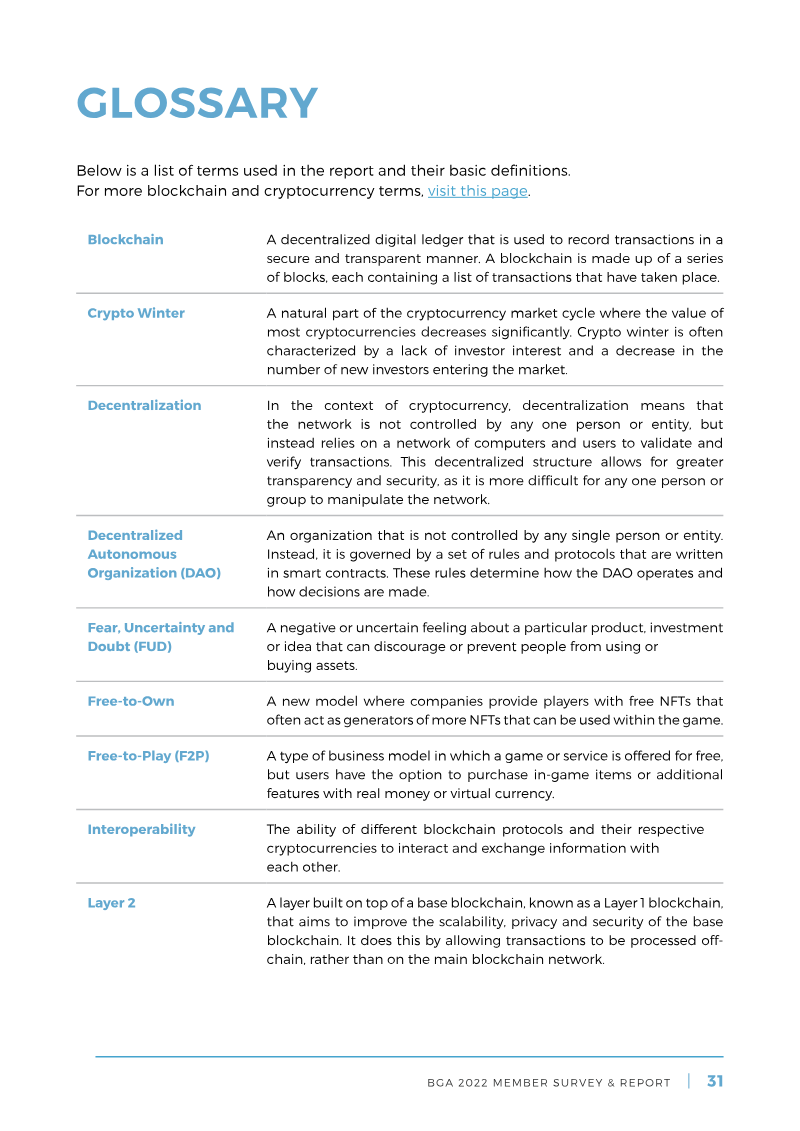
oh i'm 50 in stables they say and so they still have most of their net worth on the blockchain but the majority of it um or significant part of it is actually in stable coins so less volatile and actually we can go into deeper why people actually used usd as a stable coin um but that's a point i'd like to make later okay i i can foresee then what the bad news are um so what do you mean i assume bad news are coming i feel you're preparing us oh and okay well the thing is so okay you have stable coins and so um yeah so quickly about different types of stable cones because i also think that this is a very relevant um discussion or something to know so very broadly you have two categories of stable coins one are collateralized stable coins and collateralized stable coins are stable coins that have collateral um and so which means that for example um tether is a term you might have you heard um i'm not sure if the company is called tether but it's the usdt and it is it's i think one of the most widely
used um stable coins and so what they have is they have supposedly and there's a lot of drama around that they have a bank account which has a very large amount of real us dollars on and supposedly for each of these us dollars on that bank account they have created one usdt so one tether and so which means that you know if you know i have let's say a thousand tether and i wanna you know i don't wanna have these tethers anymore and i don't wanna sell them on the blockchain for another asset i can go to this company and tell them look give me 1 000 real dollars and send them to my bank account and so these are collateralized um stable coins and there are um so there are stable coins that are collateralized with fiat currencies like tether with u.s dollar and there are fiat currencies that are um collateralized with cryptocurrencies so for example um dye dye is another stable coin is di sorry dai and that is collateralized with ether but it's over collateralized so for each i think one
um die which is supposedly worth one dollar i believe they they have two um two dollars in each or even more so they have let's say they have maybe let's say they have 10 million dollars in eve and they issued one million um diet tokens and so you're pretty sure if you hold that you'll always be able to get back your money if if you if need be because that is actually key in these stable coins and and that is trust right people need to be able to trust that what they hold is also actually worth what it represents what they hold is also also always worth one dollar um and so a final type of stable coins is called algorithmic stable coins so algorithmic stable coins have either no collateralization or a very small amount of collateralization and these are built on algorithms algorithms and there are different ways that these work but essentially luna and ust were both parts of a
algorithmic stablecoin mechanism where ust was a coin that was worth always one dollar and the the price of luna fluctuated the um depending on the demand for ust and so you know if whether there was more demand of ust the the price demand of luna would go up and down and it's a fairly complex mechanism and it's probably too deep to go into here but essentially it was based on trust and it everything went really well when the price of luna was going up um but the problem with these algorithmic stable coins and we've seen a few examples in the past none of them as big as this one is that once things go bad and people start losing trust things go bad really really quickly and so to give an idea i mean i said it right if you were holding 100 so i saw a screenshot of a dude who showed me his wallet it was on twitter who said i lost everything and so he had 11 000 luna which at the top was worth around around 1
million dollars right 100 luna each and so when he showed that screenshot his wallet was worth 250 imagine one week thinking you have a million dollars and then the next week suddenly that being worth 250 dollars so there's a significant amount of people who lost a significant amount of money just because you know the trust went away and the value of these tokens completely imploded but why why why did the value go away what happened so the problem was that um the and this it's hard to explain this very well without going too deep into the mechanism but the problem was that the ust which was supposed to be worth one dollar started losing its peg because of cell pressure so someone and so people think that this was on purpose and actually i also think it was on purpose by someone who was selling a lot of this usdt and because of market forces because there's a lot of people selling um the the peg so basically the price was actually um lower than one dollar
and the moment people start seeing that they start to think okay well maybe you know this isn't as safe because everyone knows that this there's a risk here right and then more people actually start selling and um there's actually more downward pressure on the peg and then suddenly the value of luna starts going lower because another mechanism that people can redeem luna for for this this usd t and and then keep selling and so essentially you know the peg goes down the value of luna goes down and suddenly it it goes faster and faster and faster um and you see luna go from you know 100 all the way down to zero and currently usdt which uh sorry ust which was supposed to be one dollar is worth 10 cents um and a lot of me a lot of people have lost money and then one quick point i would like to make here the question is like why would people want ust right why do you want it and so this brings me into a point i'd like to like have your opinions on essentially what they said was the people behind this terraform labs they were the company behind terra the blockchain luna and ust which were the tokens they they
created a protocol where you could stake ust and receive 20 yield so if i had a thousand dollars or maybe let's say hundred dollars for a simple math if i have hundred ust i put him i stake him into this protocol called anchor and at the end of the year or over the year i would receive 20 usd out of nowhere that sounds too good thank you that's exactly what i was expecting from maria and you've been listening to me say if it's too good to be true it probably isn't true right and so this is this was a problem or one of the problems right so they incentivize people to you know buy into their ecosystem and by promising these amazing yields and a lot of people did that with the promise of at some point ust will be widely used and at that point we don't need to promise this 20 20 yield and there's going to be a lot of need because you're going to be able to pay with ust within shops and within different games and within different other protocols um but before they got there the whole thing imploded and i
feel that this made me think a bit of some of the other ponzi nomiks we see within games where there is this you know self-fulfilling feedback loop of people you know making money getting their friends in um but then those friends actually that money is used to pay the mech and so it's like you know gathering people onto your platform in the hope that at some point instead of then having utility you know these assets will actually lead to some fun right come on come play our game through ponzinomics get over get all of your friends to join this is going to be fun i promise uh and so that's what made me you know it reminded me a bit of that i forgot how enthusiastic nico is when he's talking about crypto stuff it's so awesome it's fascinating though it is just me i've been actually doing some research on my own and i've been reading uh the recent blockchain weekly by novik and uh highly recommend yeah highly recommend it and uh so that i know a bit better what you're talking about beforehand and well it
actually seems kind of simple i mean with your explanation and with what i read in the newsletter so i got the idea of what happened and i also have a friend who didn't have like a million dollar worth of luna but he still had some and he was very much sad about the whole situation we discussed that last week and he did lose money as well yeah yeah i guess what's what's interesting to me is just like luna was the i don't know like the sixth or seventh largest cryptocurrency by market cap the ust was the third largest stable coin um in the market and so these things falling apart um it does send you know ripple effects through the industry um and you know it's hard to to say what like what exactly did this cause elsewhere what was already gonna happen anyways you know it's a big big market but um you know part of you know ust trying to stabilize even though it failed was you
know selling a lot of bitcoin which put pressure um you know on the bitcoin market and when bitcoin gets pressured everything in crypto tends to tends to follow suit and correlate and so um yeah it's just fascinating how one project falling apart can then can impact a larger market as a whole um but also i mean i think there are lessons here in tokenomics and ponzinomics and um even hubris to some extent if you just kind of look at how the how the team behind um all you know everything tara and luno just you know they thought they had everything figured out even though they didn't really at all um and just a reminder that this still is pretty experimental technology and so yeah it sucks to see people you know lose everything but hopefully it's also a reminder to not put everything into into some of these projects just because you know you never know what's what's going to happen but yeah really
sucks to see but you know the industry will carry on well what are the effects on games so this is a geek question right because there were actually games being built on top of terra on top of that blockchain um so one maybe quick tangent here before we go into the like repercussions like what what companies can learn from this um they're intending to make a new luna chain um where they will take a snapshot at some point um and so they're it's basically like the last thing the only thing left for them to do right because the current iteration of luna was completely destroyed um and i'll go into a bit more well if we if we have the time so basically the supply of luna went from 300 million to like 6.5 trillion or something insane like that it basically grew like a million percent over two weeks um which means that the total economics of the chain are done for red it just doesn't make sense anymore people were able to buy like you could with one dollar you could buy like 10 000 luna which used to
be worth like a million dollars anyway um so um what was i going to say yeah about yeah the the consequences of building on the chain so basically what's what's to learn here i think if you're building a um blockchain game and you're you have to choose a ecosystem to build in um you know there's this concept called lindy that means like the longer something has existed the longer it's likely gonna still exist in the future and i think this speaks for um eve as a you know ecosystem and as a blockchain as the most stable um and so you know every time you choose something else in ethereum like there should be a good reason to right because there is always more risk um obviously the like transactions fees could be could be lower this is a similar story to what we saw with ronin right there are new things being built and every time something is new exists there's always risks involved um one other interesting part of this is that terah was not evm compatible evm
compatible means that it uses the same bytecode and maybe maybe basically the same infrastructure as other or as ethereum so if there had been evm compatible it would mean that all of the unchained stuff that was built on terra could very easily be ported to other evm compatible chains the problem is it was not evm compatible and so that is another risk take into account when you're choosing a blockchain to build on that if it's evm compatible it is safer and there's more tools for you to use um and so yeah these are some of the the learnings from for for specific game developers that had chosen to build or maybe are looking for another chain oh yeah yeah i was about to echo that yeah my guess is like i don't i don't know why anyone would continue to stick with tara at this point even if they rebuild like it's it's like a yes yeah it's a loss of trust and um it really is an advertisement for ethereum as you're saying like the lindy effect is very real and um you know even though crypto
is still nascent i think it's like starting to become more of a you know more of a relevant factor people should consider and yeah i think maria you you mentioned polygon um and so you start to see like others who are building you know mainly on ethereum kind of swoop in to try to take help these games and teams transition and i bet they're gonna have a decent hit rate too because um yeah if i were i were building i would absolutely be looking to make a switch um just to you know to you know it's a distraction as much as anything right like you don't want to really think about overthink about what you're building on you just want to build and so going over to what you know is much more reliable um should be the an easy decision at this point yeah so i'm going to arrive here with my truck and sideline the conversation a little bit um i'm not i'm not crypto skeptic i'm not crypto hyped i'm in between i think
there's good and bad things and i think what web 3 will look like in a few years will be different to what it is now um so don't take this question as me being anti from a gaming perspective we talk about the benefits of blockchain is giving players ownership and then if they want to leave they can leave the ecosystem and get some return on their investment and then there's almost a second benefit which is the play to earn and you can make money by engaging with with the game with your time doesn't this show the risk of having tokenomics in a game and are tokenomics actually necessary for a blockchain game is it is it not worth just doing nfts and then if players leave they can sell their nfts and buy and have almost a trading ecosystem like why do we need tokenomics i think some of the dangers are present in this example
what do you mean with tokenomics well having tokens in your game you mean a fungible token yes okay um so my answer would be is um i think that's so the blockchain for me in its essence is nothing more than a database that is shared across the world that is distributed permissionless that anyone can see um and so you know instead of having my game assets live within the database of a game in a publisher my game assets actually live on a decentralized database so if that game publisher goes bankrupt i can still see my assets you know in that decentralized database and so for me um what this allows is it turns every game economy into an open game economy where i can transfer value from the real world into you know that game because my game asset i can sell it with like real dollars with some certain steps in between and so for me
whether we use fungible or non-fungible tokens so whether there are tokens involved or nfts um doesn't really change it's for me it's the same thing i think you can achieve a lot of what you want when it comes to you know have giving people ownership through only nfts but same can be said for tokens um and so for me these are similar things and i don't think they could be achieved without the blockchain like you know having this this public database where the assets are stored and where that keeps track of who owns what i think that stuff is something that we well i think that's what the blockchain does that's what the blockchain is and and it serves its purpose and because this is a nascent technology we're going to see mistakes and you know there's just going to be value destruction value lost um but for me this is not necessarily a sign that that you know this technology is not worth using within games yeah i think the technology is inherently neutral and it's just how people use it that makes it good and bad and we're seeing a lot of bad implementations um
and a lot of a lot of risk emerge because of the bad implementations but it doesn't mean that there aren't good implementations but i do think that you know kind of as companies are learning what works and doesn't work that the way that games start approaching tokenomics is going to change like the obvious example is like ponzi nomiks like there should be like red flags around any any game that thinks that's a good idea if you play with fire long enough you are going to get burned um but i do think too like um some games sure like they might not need fungible tokens they can just lean more on nfts in some kind of economy some other games and something that we're starting to actually recommend a little bit more to certain clients at novik is that they might not need the dual token system and instead the in-game economy not be like a crypto token and so that they can control it and control more of the the risk of booms and busts in the
economy but still have some type of governance token that provides you know real ownership and you know impact in some way and so i and you know some games shouldn't even do that and you know they could have multiple tokens or it could be one token that spans multiple games that are really similar within the same ecosystem like i think we're just going to see so many different implementations but i don't think the takeaway from this is that it's inherently bad it's just that there are a lot of really bad implementations and it still is very much a learning journey so be careful yeah i didn't sorry i just wanted to clarify my position here i'm not saying it's a bad thing and have a blanket i'm actually just getting a bit tired of so many people taking this opportunity of what happened to post on social media you know oh this is why web 3 games are not good and they shouldn't exist and so on i think there's good and bad in everything can i make a preemptive comment about that so
because blockchain technology allows for a permissionless and pseudonymous transaction of value over the internet i'm gonna predict right now that we're gonna see enormous like thefts of specific like off-game economies like within like i think games are going to get hacked in some way um and and normal like lots of like a super large amount of value is going to be extracted either from treasuries of games or with from the game economy itself and so like that is going to happen and like this is part of this you know this learning process like we're still in the wild west here um and so you know if you're building with this technology be mindful that this might happen um especially the more experimental you are if you work with partners that have done this before and that are established that your risks are lower um but the risks are always yeah my question my thoughts were more that in free-to-play games usually have you know three core pillars soft currency hard currency and then the assets you own by your progression and what i've been
seeing in the in web 3 gaming is that it seems companies are going all in and making all those three pillars into blockchain and my question is does it have to be is it more risk conscious to maybe make one of those aspects you know the assets into blockchain and the other two are not blockchain related or have your hard currency be a token or something yeah that was quite helpful sorry aunt and i interrupted uh you're going to say yeah i was just uh i was just going to clarify like your question if i understood it correct that uh why would you need exactly to implement tokenomics inside the economy of the game when you could just have like a web 2 game with nfts right like the play to own more of a play to own scheme against play to earn and what i was going to ask is that what would be the best technology the blockchain tech to build you with terra
out of the picture obviously what would be the best blockchain now to do that with all that compatibility and all of that stuff and i also wanted to because uh you know i've been uh buying some crypto lately what with the crypto winter coming in um and so i just wanted to uh to to clarify what would be the best blockchain and to maybe buy some tokens i don't think we can give financial advice on the episode i'm just kidding i'm kidding but uh you know the the blockchain question still remains i'd love to to have ant uh sorry aaron's take on this as well for me um i'll give two so i think especially in the short term i think um as a builder i would have a good look at polygon um they're doing great things they recently partnered with meta um i think specifically instagram is now doing nfts with them so that's tha i think they're doing great stuff and then they also like like they're thinking long term
ahead um and then the the other one that is slightly more experimental and bit more long-term is a company called stock where they're based in israel and they're using this new technology called zk roll ups zero knowledge roll ups that is like if they explain like how that works you're like how the hell can that can that actually work like it doesn't make any sense um and so it's it's very this very complex maths um it is still pretty early stage but they're actually sorry and they're the company behind immutable and so rare um and so they're like building very very scalable bro like infrastructure to build blockchain games upon one of the disadvantages of starkware for example um and the public blockchain that they're launching is that it is not evm compatible so it's a new coding language so it's not solidity um and so that's just something to take into account but um these are two of the blockchains that we're we're recommending depending on what stage a certain company is in but would love to hear what aaron suggests as well yeah i like those answers um polygon and immutable are both really
impressive in what they're doing and they leverage ethereum so you know you're still getting backed by you know the the most proven you know non-bitcoin um blockchain of them all um i guess i would decide i'm also curious about and might throw salon into the conversation i think it has a lot less um like tokenomics risk compared to a like what luna and tara have gone through recently but there obviously are trade-offs like you're taking on more centralization for much higher throughput and things like that whereas you don't necessarily need to make those trade-offs if you go on polygon um but i think for you know some teams getting started it still is worth like having having that conversation around what building on solana could look like and i know that team too has also been like pretty supportive there's you know funding that you might be able to get around there kind of similar to other ecosystems to kind of help accelerate your your project so i would that's the
other one that i would consider but that's not like a strong like a super strong endorsement i haven't i haven't built anything on slot in my song so i don't really know because solana solana uses rust i believe which is also a programming language that a lot of people have to learn compared to is it solidity yeah yes i am if i'm if i'm not mistaken rust is what you use for unreal is that is that correct i recognized the name and i was trying to remember what project i worked on where i heard it i should know this yeah the theory was that's um like that rust is language that a lot of people know which is why it makes it easier to start working with developers yeah okay yes yes okay but it's not a again also not evm compatible okay um which again like means that like if solana goes bust with which i i don't expect to be fair um but there is a risk for that then um it's getting harder to make the transition to another so
sorry because of the time we need to go on to this to the next roundtable topic i'm really sorry we could do a full episode on this there was a really good article shared in the navic newsletter navic digest that i will put in the show notes it has this whole really cool spreadsheet with the pros and cons of the different solutions out there it was very informative um so aaron do you bring good news no i do not let's talk about even more bad news um such a fun episode um so i know yeah so let's talk about the the bear market that's going on um we can uh we could talk about crypto maybe a little bit but i think we can probably emphasize you know just other things going on in the gaming ecosystem here too and just talk about what it means for consumers companies funds and we can get into m a too with anton's next topic um and i'll try setting the scene with some macro context first but of course everywhere in the world is a little bit different i'll offer my more
u.s oriented perspective which should generally correlate with elsewhere in the west but you know might not be perfect but um anyway to understand right now we have to first look back a couple years when covert occurred not only did the video game industry experience a demand pull forward uh but government money printing and handouts you know increased consumer demand across the board because people just had more money to spend and a lot of that money also went into the market both public and private which helped push valuations up to you know what are especially in hindsight or unsustainable highs so now we're seeing a lot of that demand in the economy start to dissipate now that government handouts are reduced and inflation is enforcing people to buy less with the same amount of money and in many cases consumers are also taking on more debt to maintain their standard of living if you look at like credit card data and things like
that and that's that's also not going to be sustainable and this contributes to a pretty major pricing reset across the board especially in assets with more risk but also you know across the games industry and in the us we've we've already seen our first quarter of negative gdp growth and it feels increasingly likely that the next one will be two which means that we're probably in a recession right now and a recession that begins with an asset pricing reset and tightening consumer demand will cause ripple effects and so the question here is just what those are and specifically what it means for the games industry which in the past has proven to be a bit more recession proof but obviously tighter spending paired with general kovid whiplash and we are we see you know companies like roblox um you know etc like just face tougher like comps um you know year over year over the past couple years um it just means that perhaps someone won't upgrade their
nintendo switch or might not buy their second 70 game this month or splurge on a second subscription or buy an nft or whatever it is and who knows how much um demand will fall it's too early and hard to predict that but the interesting um questions here are if demand slows paired with a pressing reset what does it mean for all of the players and i think the best place to start this conversation is just what does it mean for the day-to-day operations of normal games companies and their employees if we see markets fall and just consumers spend a bit less and so i i guess i would just kind of open it up and we all here have different perspectives on this um and so i'm just curious what you see what have you experienced or what do you expect to to kind of happen kind of within company day-to-day operations and then we can kind of hit more on like the investor perspective and things like that afterwards so first aaron i'm sorry but i have no idea what happens inside companies now i've actually never really worked for a
public company so it's hard for me to say um what i am saying um what i can give some of my perspective on is on the um what we recommend to founders of startup companies right now and um you know we are mindful so i've been through a bunch of bear markets in the crypto space and if this comes together so we expect there to be less or lower valuations for fundraisers over the coming um you know 18 24 months and so what we um recommend founders right now is to be careful um or mindful when hiring um mindful of cashburn and um yeah make sure to to to you know try and focus on survival for the moment because raising money um over the next you know two years might be slightly more difficult than last year so from a day-to-day perspective you can already notice
some impacts of inflation i believe in the uk inflation is now at nine percent uh cost of energy bills are skyrocketing so i had to renew my contract for my energy bills and it's about one 1.5 more a year which is a lot um you leave the studio to go buy food around here everything's expensive even the food markets are increasing the price so even the day-to-day of just working and living your life is more expensive nowadays you go to the pub it's more expensive so i think there's a lot of pressure right now on companies to increase salaries more because usually you know you'd increase the salary at a two percent inflation rate uh maybe a small bonus on top of that and now you have the industry in general asking maybe a ten percent bonus you're trying to match inflation and that's a lot to ask for a company especially after covet where and also after in the mobile in the
mobile industry post idfa where ua costs are still higher it's just a lot of added on costs in terms of the development and live operations of games and it's already really hard to recruit and have great people join your company and everyone's trying to grow to do more things it's getting very expensive to run the business yeah and i don't know with all of this investment also flowing in i don't know if we'll see more people maybe joining web3 gaming i'm not sure or other companies are getting massive rounds of investment because those companies have the cash flow to pay these higher salaries that people want to maintain their lifestyle because right now because of inflation if you try to maintain your lifestyle you're just going to have to pay more um and you'll save less so yeah yeah um go ahead anton yeah um so first uh thing is that i feel
like i i should be sorry for you know for the for the prices rising up because uh at least um you know the what with the energy bills and all of that it seems like um it's like our fault for some reason yeah but um yeah at least that's what you know they tell us here anyway um yeah on on one hand uh games as an industry um has always been recession-proof and it has uh proved that during the 2000 during the year the year of 2008 uh crisis and uh games seems uh seem to be the last thing that people usually ditch when they uh have some economic problems and um bless you nico and um that's uh what you know that's what uh
keeps me some kind of optimistic about the whole situation because uh usually people um drop some other stuff first when prices go up and they can maybe drop you know fitness or some outside activities but it usually takes a lot less um financial energy from you to you know just sit inside on your couch and maybe play some mobile game or some playstation game or whatever on the other hand it's absolutely true about what you've just said about the you know raising uh salaries and you know paying out bonuses and all of that because people usually uh get used to this kind of uh life very fast and i just had like last week i had a conversation with with one of my team members who was asking about a pay raise a half-year pay raise right
but things have not been very good recently so we had to like settle on maybe some more waiting time for that and i believe that happens already and will happen more for at least the end of the year and maybe some time in 2023 for a lot of gaming studios yeah i think that's all good perspective um yeah gaming traditionally has been a bit more recession-proof like entertainment has been a bit more recession-proof and like alcohol and you know you know things things like that when people you know stay in instead of going out um but um i don't think it's necessarily going to be completely recession-proof and i do think we will see a lot of companies just become tighter with spending or they'll slow their decisions around spending and so like you guys were saying um probably we'll see slower hiring in some cases maybe even layoffs we're starting to see that in tech um even from like fairly strong companies but kind of pairing like recession
risk with like id like still like dealing with post idfa deprecation concerns and things like that like some companies are in harder positions than others um especially if they're struggling to maintain their own revenue growth much less you know trying to manage expenses um but you know it could also mean that just companies are have to be more methodical and like their r d budgets and so might not be willing to take as big of risk on like new emerging industries as quickly as they were in the past instead kind of focusing on what is more of a sure thing um and it also just means that like it does affect employees as you as you all were saying like effects like raises and things like that it also affects like um when when people own equity in the companies that they they um they join um that can have a really big impact especially um in public markets when we've seen companies like unity and roblox go down to 80 like that that hurts that's that's really hard to deal with but um it also affects just like the enterprise
spending that goes on like companies are probably going to be slower to add more software tools or add more research or just add more you know trips and spending and things like that which also have ripple effects elsewhere and the economies and my guess is that you know certain parts of the industry like especially the more like uh emerging areas like vr where people would have to splurge to buy like a new headset that's separate from what they already do gaming wise or you know even blockchain gaming to some degree just people kind of taking a step back to reset and you know think about like what like maybe i shouldn't have spent a thousand dollars on that nft uh that doesn't do anything yet because the game's not live or um you know just kind of thinking more about like how hard you like how much you spend in some of these projects um i think some of that those emerging areas could be more affected than you know just say your typical call of duty um or candy crush or things like that so um
yeah it'll be really interesting to see how it unfolds hopefully uh it's a shorter hit and not a longer recessionary hit um but you know it's good for teams to be having these conversations more early than later so that you can prepare um uh and you know think about just being wise with with your money um but nico i'm i'm kind of curious to kind of twist this a little bit um how how do you think uh you know this bear market will or already is affecting the venture market like has it affected what you see go across your desk like what deals are popping up and like just generally like how are teams thinking differently about valuations now i just kind of like would like to hear like your more grounded take on what's really going on there obviously it's still early days and and people don't suddenly like stop fundraising or change valuations by like
cut them in half um and so we'll have to see how this play out over the next uh weeks and months one interesting thing that happened is that a few funds got absolutely obliterated by what happened with with luna um i know of funds that lost multiple billions um yes so it's it's it's been like pretty significant and so obviously they've stopped like they were in the deal process and they've stopped that um so yeah that's that's one thing that happens that is is quite significant um what we expect or what i expect moving forward is that um we'll probably see valuations for blockchain gaming companies come back down to earth right um i mean it was like with sometimes we saw experienced team raising a seed round uh of like 10 to 15 million dollars at like 100 million valuation which is absolutely insane um you know pre-products and so um these things we won't see over the next months and years um we also expect the
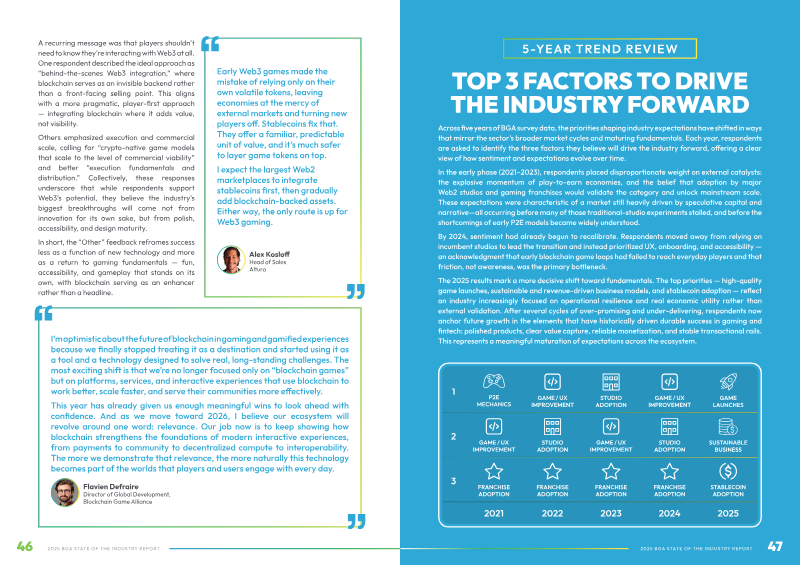
overall quality to be slightly better to increase so the average quality i would say because it feels and it felt over the last months a lot like a lot of people suddenly saw like oh you know this this is a big opportunity right and like we're taking our failed you know web 2 game or we're slapping enough teams on it and and maybe add a fungible token and this is definitely going to work um and so we saw a lot of deal flow we saw a lot of you know companies pass by of which very high amounts was like pretty low quality um and so we think that's you know over a bear market we're um yeah we're pretty like the people that actually want to use this technology not so much as a either like a new way to to make easy money um or you know as a like a d gamified defy kind of thing uh will probably go down so um i think you know as as a fund we're we're pretty optimistic and hopeful i think throughout crypto the moment that prices go down
of of these these public assets these tokens that's when the cool things get built right all of the successful games today were like for example xe was actually building in 2018 when the whole market went down and that's when they you know created their core community that really believed in them um and so you know what we're going to see now is like this is when people build sit down don't bother about hype like butter less around you know keeping up the prices of their tokens and they're going to come out the other side with like an amazing product and and game and so um yeah that's what we're excited for i i agree and from companies that are feeling a little bit of a pinch it makes you have to optimize work better with who you who you have with the reduced hiring so you'll become more efficient in your development processes because you're working within those restraints so i think that you know apart from the very unfortunate cases where a company does get wiped out and has to let go people i
think it might make the market just generally stronger as an employee i was actually thinking about this regarding m a then we can segue into invest games report because we're running very close to the ending time as an employee i will be looking at game companies who will be letting go of people because what that in this m a world a lot of games game companies now have a parent company and if i see a game company letting people go during a difficult time that will make me wonder the relationship that that company has with this parent company of how harsh are the forecasts targets that they need to hit um yeah yeah well absolutely we'll see firstly uh people will have to get creative i mean on the production side on the business side because as uh you guys have put it absolutely uh correct uh the valuations blown out of proportions have like relaxed lots and lots of
people on the market and now uh what happens is the beginning of uh some kind of purge because lots of projects that have uh gotten money just because uh other people had those money uh had that money on their hands they will be most probably let go from the market and only the most um you know only the projects that are most um that have as nico has put it uh the most loyal audience and uh the most uh viable product will stay there yeah often the week break but the strong get stronger and sometimes these cycles um can can be healthy from that perspective and in some ways like this isn't even like the market going down as much as it is like normalizing
from from what was just too high to begin with over the past couple years but let's go ahead and segue um anton i guess you can i kind of want to talk more about like what the bear market could mean for m a and just like like that part too but maybe it would be a good segue for you to first like introduce um the report and things like that and we can get more into how much how much time do we have left if we could summarize the big beats in five minutes anton and then five minutes let's go we're already going a little bit i'll do my best so uh as uh some of you might already know we released quarterly reports and um half year report and uh annual reports on the gaming deals and so we did that again for the first quarter of 2022 and the biggest thing that we have found out is that the total value of all the deals uh in the gaming industry of both closed deals for the period in question and uh for the for those announced
uh achieved the number the amazing number of 100 uh billion dollars which already uh you might have heard about that uh which already beat the whole value of the of the year of 2021. um and so i believe that's the direct um uh the the direct uh thing that that's that's followed the all the over blown valuations and all the free money we had on the market uh in the previous years and this will probably be the last year uh that sees that amount of money on the market and uh these amazing growth that we've been monitoring for the last like two or three four years and uh to answer aaron's question uh we still expect uh m a's to grow
but we already see some kind of correction because uh in the first quarter of 2022 m a deals reached pretty much the same results uh year over year so as in the first quarter of 2021 um and the deal value saw a notable decrease so we saw less deals than a year earlier uh and to to uh be exact um the first quarter of 2021 um had the zenimax acquisition right so it was 7.5 billion dollars but again um uh the first quarter of 2022 saw five deals which contributed 68 of the total deal value and i'm not gonna list them you may find it in the report but uh i believe that the second half of 2022 will see
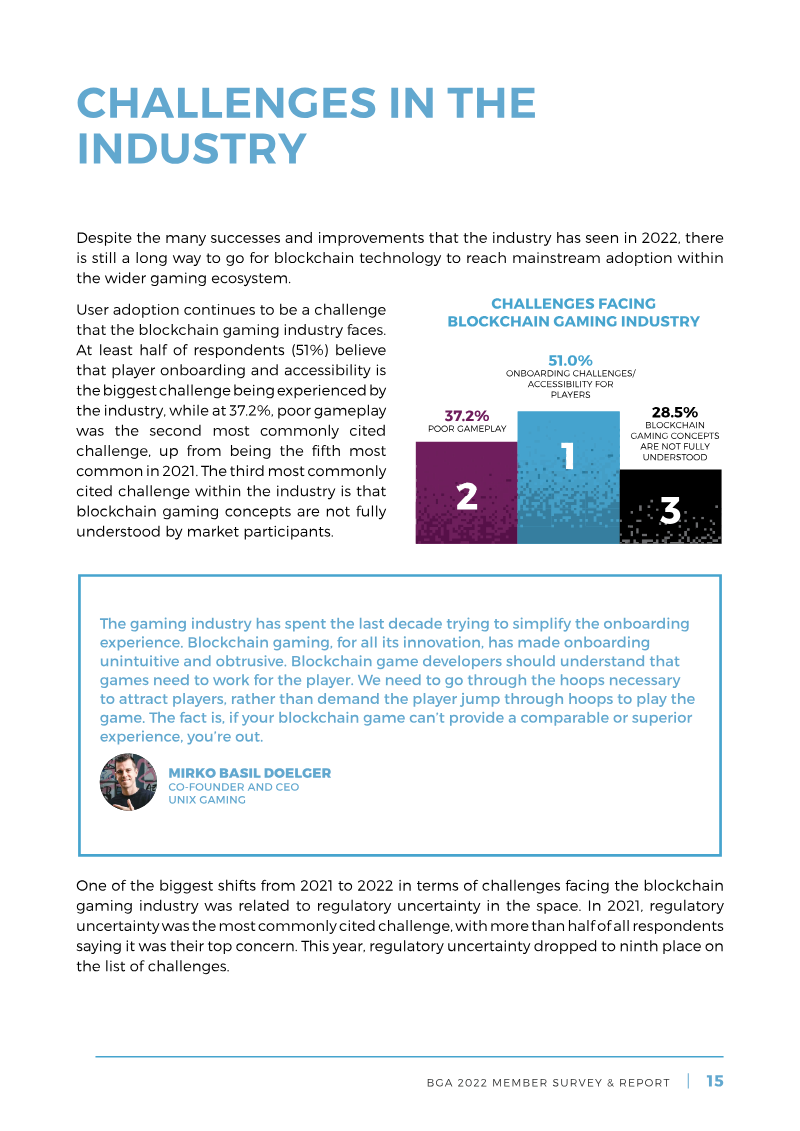
a bit less m a deals both in terms of the deal value and in terms of the deal count because this is the correction and we've been expecting that for quite some time because um because of all the reasons we have already discussed earlier i the the other thing i would like to point since we don't have much time is that blockchain powered gaming again showed very impressive year-over-year growth matrix so obviously uh lots and lots of venture capital now goes into blockchain gaming and the most amazing thing to me personally is that 50 of all the private investment uh deal value deployed in this quarter uh have been in this or that way associated with the blockchain powered gaming so 1.6 billion dollars of uh private money
um has been put into blockchain uh gaming services and products and games and studios uh yeah but on the other hand um if we compare the first quarter of 2022 and the last quarter of the previous year the growth is not that big actually so i believe this correlates with what we've discussed uh in the beginning of the episode with a correction on the blockchain market as well yeah seems like q1 definitely probably is the peak for quite some time um and yeah i mean it's hard to see how everything that's going on in the industry isn't going to have pretty profound ripple effects on these numbers going forward i would guess so like i mean for starters we talked about valuations being lower so like if all of that m a were to happen like this quarter or maybe next quarter like it probably would be or just uh the deal value in
general like it probably would be at like a 20 like lower just like total sum if not if not more right just from market changes in general um but you know changing times also have an impact on how deals get done and whether they should be done and so you know for example many companies might want to hold on to more cash from before so they'll just be more conservative in making big like spending m a decisions and i guess the caveat is that i would actually guess that many companies with the strongest balance sheets which is generally big tech like this is probably more the time for them to start going on the attack and start making some bigger moves at lower prices then they wouldn't be able to do otherwise so it could be interesting to see what like big tech and even like big entertainment to some degree like even someone like disney could swoop in and make a bigger like a pretty big deal that many might not be thinking about so that would be the caveat but in a lot of other cases i i kind of would expect um you know a pretty big slowdown and if
you look at like serial acquires like still front and embracer um you know they're good they already are slowing but they're gonna have to slow down a lot more just because they use their stock as currency for so many deals and now they can't do that the same and if interest rates start rising to tackle um rising inflation then it'll be harder for more companies to take on debt or just be more expensive to take on debt or the same levels of debt to to make the the same types of deals as before so yeah i and i would guess that you know when um you know what whatever happens in public markets has to trickle into private markets because ultimately that's what determines exit events and how things get valued in larger companies and so yeah there could just be a slowdown in how you know companies go public or even think about getting acquired in some cases just because they might not want to sell at you know at a lower valuation than their like
last private rounds and things like that so i think there's just going to be a lot you know newer dynamics for companies to think through across all of this and i just don't see how it doesn't lead to a pretty major slowdown in like the frequency of acquisitions we still might see some big ones as i was saying from like the big companies with tons of cash but yeah i have a feeling the next couple quarters are going to look very very different i would guess just to give you uh some perspective on the public markets so we uh in the in the report we saw just uh seven deals seven public deals uh of half a billion total value in the first quarter so just for the sake of comparison uh in the sec in the first quarter of 2021 there were 38 public deals of uh 8.7 billion dollars so you can imagine the the amount of decrease so well i think we need to wrap up the episode unfortunately um
but i think i'll just go through a note because this has been a quite a side episode so i'm going to bring the happiness back up by listing the good things in life um if you are being laid off what did you say workouts sorry workouts yeah watch nico do crossfit you can tune in in his new podcast segment um yeah if you're being laid off there are a lot of companies out there the gaming market is very hot in terms of recruitment so i'm sure put yourself out there you'll find your next your next role i think we'll see companies showing a lot of love to their employees and being there for them i'm very grateful to work for for working at hutch and i think a lot of people would be grateful in seeing their companies really step up during these difficult times um [Music] nico you said that the outcome of the bear market in crypto means that we'll see higher quality more creative projects coming out there so we have that to look forward to
um so there's a bright end at the at the end of the tunnel and yeah we're we're talking we're breaking it down but ending it on a note of positivity because everything that is negative will eventually come up and i i'm really sorry if you're going through the loss with luna um yeah reach out take care of your mental health yes and join the navic discord and we can continue the discussion there give you a virtual hug and if you're looking for a job in games um you can also contact me we have a bunch of companies that are looking for talent like you same here all right well thanks everyone for joining and we'll see you next week [Music] you
Summary
The collapse of the Terra blockchain and its associated UST stablecoin serves as a definitive turning point for the Web3 gaming sector, exposing the systemic vulnerabilities inherent in algorithmic tokenomics. The catastrophic failure of these mechanisms, which relied on unsustainable high-yield incentives, has forced a broader reassessment of economic design within blockchain-integrated games. Developers are now encouraged to abandon complex, multi-token systems in favor of more stable, EVM-compatible ecosystems and controlled in-game economies that prioritize long-term sustainability over speculative growth.
This shift toward fiscal conservatism is occurring against the backdrop of a significant macroeconomic reset. As the global economy faces rising inflation, interest rate hikes, and the threat of recession, the gaming industry is transitioning from a period of hyper-growth to one of disciplined efficiency. Venture capital and merger and acquisition activity, which reached record highs in early 2022, have slowed dramatically. The volume of public deals plummeted from $8.7 billion in the first quarter of 2021 to $0.5 billion in the same period of 2022, as depressed stock prices and tighter credit markets limit the ability of major firms to pursue aggressive expansion.
Despite these headwinds, the industry is entering a necessary correction phase that is expected to strengthen the market over time. By curbing inflated valuations and weeding out low-quality projects, this cooling period allows well-capitalized firms to focus on strategic acquisitions and talent retention. While consumer demand softens and operational costs rise, the focus has shifted toward cash management and sustainable development. Ultimately, this bear market acts as a filter, favoring projects that prioritize robust infrastructure and creative value over the speculative, high-risk models that characterized the previous cycle.