1 free read left. Create a free account for unlimited reading + AI research.
Create free account
Blockchain Gaming in a Crypto Bear Market - The Metacast by Naavik
Key insights
5 takeaways- 01The current market downturn is being utilized as a strategic period for teams to iterate on products and experiment without the pressure of immediate, speculative growth.
- 02Successful projects are increasingly prioritizing the launch of functional, engaging games before introducing tokens to ensure the product provides intrinsic value.
- 03The blockchain gaming industry is shifting away from speculative, yield-driven 'ponzinomics' toward a focus on high-quality product development and core gameplay.
- 04Developers are abandoning the unrealistic goal of simultaneously achieving mass accessibility, technical innovation, and high financial returns in favor of specialization.
- 05Future blockchain gaming models are moving toward integrating crypto elements as a secondary layer to traditional free-to-play frameworks rather than using them as the primary driver for user acquisition.
Ask AI about this video
Transcript
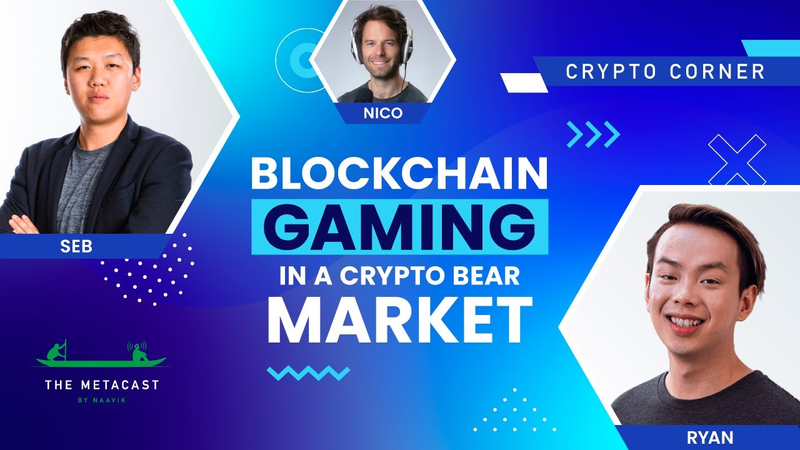
[Music] gm friends and welcome to the medical is brought to you by navic i'm your host nico or nicola if you want to use my full name and can pronounce it and today i'm joined by sebastian sepp park and reinfu and this is a bit of a an episode where we don't have really one topic we're going to talk about we're going to see where we end up um you know the three of us we have a lot of thoughts about the current state of blockchain gaming um what people get wrong in thinking right around um those things game design these types of uh subjects um so yeah that's that's what we're gonna do today before we do that maybe very short backgrounds so i'm niko i host the metacast um also invest on the crypto gaming team at bitcraft and ryan how are you yeah i'm brian i'm a gaming economist at delphi digital and i also you know investing crypto games in delphi adventures and you write smart stuff right
i do i have been known to write some stuff from time to time sometimes it's smart sometimes it's not yeah that that i find smart there you go you know it's it's a shots on goal ryan everyone remembers the super smart things exactly it doesn't matter if you write every day and we just don't see half of them exactly that's why i'm sebastian oh sorry go ahead i'll go ahead no i was gonna i was gonna say that that that's why i do so many bold predictions right because you know if you make a wrong prediction it really doesn't matter right but then at some point like i'll be able to link back and and and tell people look at this prediction it came true exactly so exactly exactly exactly god say you know liverpool is going to win the premiership and mancy is going to win the premiership and then you're pretty much certain that someone's going to win it for the next couple of years my name's sebastian park i'm seth park on twitter i am the co-founder of infinite canvas which is a user-generated gaming publisher ecosystem studio and then i'm also a venture partner at bitcraft focused on news generally gaming esports and blockchain and so
always fun to be here and you know whenever we're discussing internally with a bit graph team and right um and seb opens his mouth there is always so much wisdom that comes out like i'm always like blown away i'm like this dude he makes so much sense so it's it's very useful to know strong opinions weakly held there you go there we go all right so yeah let's dive in my my first point um so last week friday um we're recording this on friday so today it just came out the episode the roundtable that we did we talked a bit about luna terra ust um and as a follow-up on that i'd like to take a bit of time to go deeper into what a potential crypto bear market means for blockchain games and how we see blockchain games getting out of this potential uh two like 24 month long time where everyone's you know depressed and and prices go nowhere and everyone's disappointed and is is in the red as far as the investments go um so yeah um i
mean i've been to through a few of these cycles um i'm always pretty optimistic i actually you know i'm not very good at investing in things that are going up i invest in things that are going on the way on the way down and so it like i'm usually underwater for a long time and then suddenly you know in the next bull cycle i'm um i'm good you know that's that's how i roll but um yeah i i'd like to like more specifically have your thoughts about you know blockchain gaming the current state of blockchain gaming we saw a lot of you know ponzinomics uh we saw axi uh we now see steppen um do you think these things will continue on through this cycle um or is the state of blockchain game gonna look completely different on the other side um you know ryan i'll uh i'll let you go and give your thoughts first yeah i think um in in one sentence i don't think that these will stop necessarily just because like these mechanisms
and they have become one of the expectations that we have of these kind of games and you know it's kind of one way which that they find traction pretty quickly right i think this is kind of related to kind of all the expectations that we put on blockchain games which we were kind of discussing a bit earlier right and one of them is you know this continual line goes up like increasing price of tokens and the fastest way to do that without any sort of organic traction is to design some excellent genomics right and i think um just because it's a bear market doesn't mean that you know sort of consumer demand like like would necessarily reflect right which is kind of a shame right but i think we have to be kind of realistic about like you know when we predict like well you know whether these things are still going to flame out right and some might flame out sooner than others right but um i do think that i do think that we will see like you know much similar apps coming in the stuff
gonna be walking in the same shoes to step in so to speak and another kind of you know really hyper growth kind of apps um yeah high beast growth hyper growth as they say bonzi growth yeah sev what do you think yeah there's a lot to unpack honestly there there there are three parts of this i think are are really important to think through in in combination the first one is what is people's target audience you know gaming is very fortunate historically to be somewhere between acyclical and counter-cyclical when it comes to macroeconomic forces and so gaming tends to do particularly well when the economy is doing poorly the the macro consumer reason for this is if people have less money to spend experiences and actions that cost less relative to the amount of enjoyment increase in value right so i think that's so gaming as a whole is going to be fine uh regardless of the the downturn we have here nico i love that you pointed out 24 months
i've heard a huge range in terms of how long it's going to be and i think that's going to be the second bit which is how long is this cycle for if this cycle is as long as the last bull cycle was we're looking for like is that 10 years right of being bearish economics then you have almost like southeast asian venture economics where you have like a bunch of seed stage investors and a bunch of growth investors and like no series a investors right like there's a lot of that that could happen i think trying to drill into what the timeline is is going to be really helpful and in part because it will inform the game development that we see today ponzionomics aside what we've seen historically is that people are building to their incentives games like step in built relative to the incentive model of 2021 and 2022. games like axi and this by the way as a pet peeve one of my biggest pet peeves when people say negative things about axes tokenomics when in reality if you were
designing for an ecosystem that only had a hundred thousand users you couldn't you can't churn a user that's a basis point of your entire tab right and so you generate the most retentive loops possible of your tokenomics if if you are step in you generate them differently because the player base is different in 2022 if you generate for 2028 perhaps you have 100 million or a billion users then at which point you generate different types of you have a more used acquisition focused tokenomics the that's neither here nor there in terms of it the thing i think that's going to be interesting to see and interesting to figure out especially as these games come through is to ryan's point of expectations establishing what the base rate is like how many of these games are supposed to succeed how many of them are supposed to fail what that looks like in the world and you know really teaching that moment of like hey here is what your expectation ought to be such that you can then evaluate whether or
not something is successful or unsuccessful so if i understand you correctly if you're building a game right now um you should think about what the blockchain well you're building a blockchain game right now you should think about what the blockchain gaming audience will look like at the time that your game comes out is that correct yeah yeah for sure or or and by the way i think when it comes out such an important point right and this is by the way as an aside as a slight tangent well i think venture investors who close up shop during financial downturns are crazy right like this is actually a time where you can invest into the building of a company you know when the downturn ends they come out i mean there are other macro reasons for example like you don't want to have no powder in your in your book and you can't raise in the lp market there are other reasons why it happens but people are just afraid of the fud the feeder uncertainty and doubt you know probably not the best venture investors in the world yes the games themselves have to be tailored
to the time it comes out so if you're building a game for today that you're gonna launch tonight we're that's an interesting question right because like you're probably in this like middle ground where there might not be the type of liquidity that we've been seeing the last six to 12 months around the ponzinonomics appreciating token value investor class but if you're building a game for two years or five years from now like your macro belief of what games on look like should be a belief and just build for that and then adjust accordingly you agree ryan yeah i think like one one frame that might also help to inform that is like the frame of the game as product right and if you have this kind of frame of the game as product then you know eventually if people are soft willing to pay for that product you kind of like have the users always coming in to help iterate on that product with you right and i think accept your point about having basically some broader context around infinite canvas is they you know take these game products and then help optimize and refine them right and i
think that's something that you see with like the early community as well in these kind of games they can come in and that's kind of ignoring cycles as well right except maybe the total amount of interest right but the fact is is that the interest now it's more sort of i guess you know split apart right so it's not just purely you know sort of in a bull cycle it's all you know sort of like a good amount of that interest is kind of like financially motivated or like number go up motivated right but then if you sort of look at this game as a product and something that or these game ecosystems as products is something that you can spend time and take time to build and develop right and improve on then you know you'll be ready for the time when it launches right the time at which it should launch i think that's the kind of frame that they try to take right and then all of the things that we're experimenting with is kind of like the incentives so that people come in and help to improve this product over time and that's kind of what the tokenomics can be as well right
that's interesting so ryan i think what you're saying really is like sort of the bifurcation of game phi from games right like that there's blockchain games that are products and there was like a wave of game five that was probably more of the finance than was the game and perhaps we can see an inversion of that priority going forward yeah quite naturally so like less commentary and less focus around like yield and you know nice dota 2 cup yeah let's commentary around yield and the like and so more for like i think those pieces will still have a part but then like you'd be far i think they'll be so far less in the market and more around content and then redistributing the proceeds of that content from the the product might be quite interesting as well that's that's really cool nico have you ever i was i think i was talking about this earlier and and the sort of fun fact is it's a little bit like countries right you can have great taxes you can have great economies but the country sucks to live in like you just don't want to live there
right that's a little bit like game product in a sense right when you have a financial downturn and the the economics of you know your tax havens or your your your other receipts aren't there anymore you start thinking about like so where do i want to live in my life right now isn't that like you know the uk or something or or ireland where it rains it's unclear i i hear i i hear maybe it's berlin germany yeah that's true niko out here i'm trying to offend like millions of people at the same time yeah i should be careful with what i say yeah that's true um my apologies if you got offended but the thing is like i live in belgium and we have the same weather as uk so and we like we started this recording late because it was raining like crazy and i was stuck in traffic so i i feel like i have some right at least to talk about bad weather um apart from that i'm curious to get like if i understand you correctly ryan what you were saying is that you think there will be a shift from the you know financializations around the incentives of getting people in more towards trying to work with the
players that's right to think more about the game and the fun that's right aspect right yeah so the the game the fun aspect and even potentially like you know improving sort of giving them the right incentives to help improve the core product one or like you know begin to sort of horizontalize as opposed to offering within the ecosystem so like you know transmedia right like setting up those kind of proper incentives rather than like soft pure like user acquisition come in and play the game and come in and be attracted by this yield right i think like comes come in and help me build right and help me build like different portions of this you know dream product alongside us i think that's kind of the goal right um yes and yeah that that of course like uh leaves a wide open hole for like well how how we're gonna sort of get more users on board right and you'll still see kind of the step-ins and the steep ends and the you know all of these interesting ends right like learn to earn imagine that right like and all
these kind of movements but i think um quite interested in seeing like how different people can come together and you know by these cryptographic incentives right and like come on board and like help you know sort of build out these game products right to a degree that we haven't seen before yeah so it's it's more of it's a shift from bonzinomics focused on roi as an investment for for people to um you know using the incentives to get them to help you um as a game developer and designer this very well is it yes um does because i feel like this might just be a natural evolution of where we're going anyway as more of these spontanomic you know rise and crash as they're destined to um or is this do you think strongly related to a potential crypto bear market the bear market uh pulls the tide out
right i think um john jordan said this in his uh substance but he said uh you know we can see who's swimming naked in the bear market yeah luna holders those are swimming naked no too soon dude you're left with that shouldn't allow too soon sorry sorry right um yeah i think that that makes that makes a lot of sense um i feel like and it's my personal opinion love to have your thoughts i i feel like the you know the magnitude and the number of because you feel like sorry take a step back these a lot of these sponsonomic style economic loops that we see within games where you know there is this you know you play the game you get an assets and then you know you see the the increase in value of of the assets that you need to to start generating money and as long as more and more new people come in the value goes up so what we've seen with axi what we see with steppen and a lot of other games um
it feels like you know there there are more games designed like that than that that managed to reach a high point like that where you know axi was made maybe the first that did it right maybe not but there has been like a bunch of axi clones afterwards that didn't manage to take off like a steppen did um and so my question is won't the chance of a such a game taking off be severely impacted by this bear market because fewer people come into the the crypto world either expecting to be able to make an easy return um or hoping for or hoping for that yes naturally i believe so as well so it's going to be a catalyst but that doesn't mean that those projects will not continue to solve you know again walk in the shoes of stephen yeah man and here was i hoping that we wouldn't see these sponsonomic cycles anymore after a a a nice and long bear market but uh we may not we may i i
think it's interesting like there this is another like one of those like mental traps people fall into where those people who haven't done startups or haven't run companies before think that someone comes up with an idea and then it just works and then they just run with the idea and then they have a great like a 10 million dollar idea from day one and becomes a 10 billion dollar idea and it's just like the strength of the idea in and of itself and that's just not how life works right like that's not how company building works right everyone changes what they're working on either fundamentally or in a micro like on a day to day week to week month to month quarter to quarter year by year basis right and so one one of the fun things i love about stepping as an aside like i i don't know in fact i feel i feel pretty strongly that the core loop of move to earn is not a strong one and i mean that because you know we've looked at we dug into pokemon go and we see that it's pokemon ip that was like the largest driver and
so when during covet they like remove the moving portion of it they like they like have far more engagement and far better retention and whatnot and we have a lot of data from as investors on what strava's done what nike runs club's done what other folks have done in this ecosystem and so we can make assessments as to whether or not we care about those things what i will give step in credit for i think they're doing a really great job of is becoming effectively a lifestyle luxury brand icon inside of a segment using these move to earn like halo to generate that type of uplift right and so if you have that mental model then you're like wow like people who are you know poo pooing on the game mechanic are missing the forza trees which is this creation of an interesting brand i think a lot of 100 thieves in the same way where if you view hundred thieves as a pure esports team you know perhaps they're not the like greatest esports team of all time but if you view them as this
like hybrid brand play like supreme for gaming suddenly there's some like interesting bits there and i think one thing we will see is that we'll see the successful loops the people who are doing well take their existing quote-unquote ponzinomic loops and then use them to fund or build or grow into a proper ecosystem and so i think that's like the exciting part of this and that's why oftentimes people are caught with their pants down because they they view companies as these like unmoving monoliths when in reality it's a combination of folks who are constantly iterating and trying to make their companies better so i'm currently building a game and this is hypothetically by the way that has as part of its user acquisition loop a system where you know people initially they can make a lot of money especially as as more people come in um curious have your thoughts on you know ryan okay i know you would you tell me
that i should probably pivot to you know incentivizing my users to help me with game design um but just in terms of timing to have your to have your thoughts on that should i like would you recommend a game building to delay a release or like a public beta or something to when you know the the current crypto market looks better how are you thinking around that what do you think ryan deepside tough question was the challenge of demand estimation right and i think like the the second piece is like getting the folks in your community like on board with i suppose like the the game and if the quicker that you can get on board is like sort of iterating and testing and seeing like well these are the people that you wanna want to sort of play the game use yourself your persona right and you refine and set the
build for them then i think that's probably something that you don't necessarily need to delay right i think what what people kind of worry about and what's likely more affected by markets is like you know the drops and the revenue events and all these things right it's like token uh token releases token sales um ido's or nft drops in there like a tge in particular which is particularly irrelevant to i suppose venture investors in in sort of the web free gaming space right so all of these you know i think make sense to kind of postpone and push back you know towards uh healthier software you know or at least a friendlier kind of market right but you know i think like if you have gameplay and you know you want to iterate on that and sort of view it as a product rather than a you know rather than kind of a financial system i suppose then like it make a financialized thing then it kind of makes sense to to uh yeah um not delayed at least the game in particular but you know it might
make sense to delay the financial components of it right makes a lot of sense yeah you agree yeah i mean one thing i will say is that anytime someone asks me whether they should delay something my general answer is no like almost almost a macro i think it's it's fine to launch usually and then iterate from that but i think ryan's completely correct right like especially on the financial components where it's not a product relay decision and instead a reliance on the public private or crypto markets you're probably better suited to wait out the fud you know it's interesting i i i will say there's a huge difference between fod and fubar you know one is fear uncertainty doubt and the other one is effed up beyond all recognition right and i i do want to do wanna you know caution listeners and folks of hey don't complete the two what we have right now is fudd it's not fubar right there's a huge difference
one you should sell everything and go to go live in a cave and the other one is you should do the work to try to uncover the fud interesting although i'm gonna say like i i personally feel like we probably haven't seen the worst of this yet um but anyway that that's that's but in that case your fear uncertainty and dallas warranted there you go okay and it's it's it's it's fun because you're you're completely right when you don't know if you've seen the worst of it or not and i don't believe we've seen the worst of it either for what's worth right if you don't know that's what fud is and so it's it's always fun because you know making decisions under periods of uncertainty is one of the hardest and most fun things you can do and it's also the most stressful there you go motivating words um love that cool well ryan you you already touched upon it briefly earlier and about expectations and blockchain games
i'd like to offer you the floor um you can you know maybe rant a bit feel free um and uh yeah we can we can talk about that yeah i know wonderful i think um thanks for offering the floor so basically the the title of this ted talk is written a piece over the of the week um and so they came from a bit of reflection right about you know in particular like you know when you mention games like uh xc you know and why we see encrypted unicorns for example there's like a certain you know a lot of things expectations to be placed as players on these games right all right and you know players investors community members and you know developers as well all right we all have a lot of expectations for how the game's uh gonna perform and the like but i wanna listen some of those expectations and then you know sort of encourage uh revise so revive revising those expectations yes right so
encourage the revising of those expectations and i think you know seb talked a bit about game success base rates which you know there's going to be a bit probably a bit of interesting discussion there as well it's given a lot of his background in vegeta investing and of course in the games industry for a long time so that'd be fun but yeah here's some of the expectations i guess we place on boxing games right we expect them to be fun right because games are meant to be fun right it's an expectation right the second we expect them you know to number go up right so the prices of the tokens the nfts are going to go up the ecosystem token is going to go up and this would be like up and to the right right let's be green all the time the woman is like a 10 drop it's like oh wow you know i have to handle the fat right so there's an expectation on these blockchain games to be up into the right increasing prices tokens all the time the third is that we expect blockchain games or blockchain at least to provide for games you know this kickstarter right so you know you have to help game devs de-risk the game development process right and how how does this happen you
know you front load the booking of revenue and secure funding for the project and blockchain is supposed to do that right so now you have a blockchain game that you know has successfully executed an nft sale a land sale and a token sale like just because they they can't do it you know just because they can right and then like that sets up a bunch of incentives later on right which you have to kind of fulfill expectations you have to fill so it's always about expectations and delivering those expectations right the very important part of blockchain games as well um another expectation that we have is that they're gonna be built on the blockchain and and hold those values now i know i know it's sort of super obvious right to be fun games blockchain games blockchain build on blockchain but being built in blockchain is like a difficult thing right it's a frontier technology right like not how many engineers you know how to write solar d how many engineers know what evm means like ethereum virtual machine you know like like not very many right so those are high demand those are kind of hard those are you know they feel the higher and they're building things in uncertain
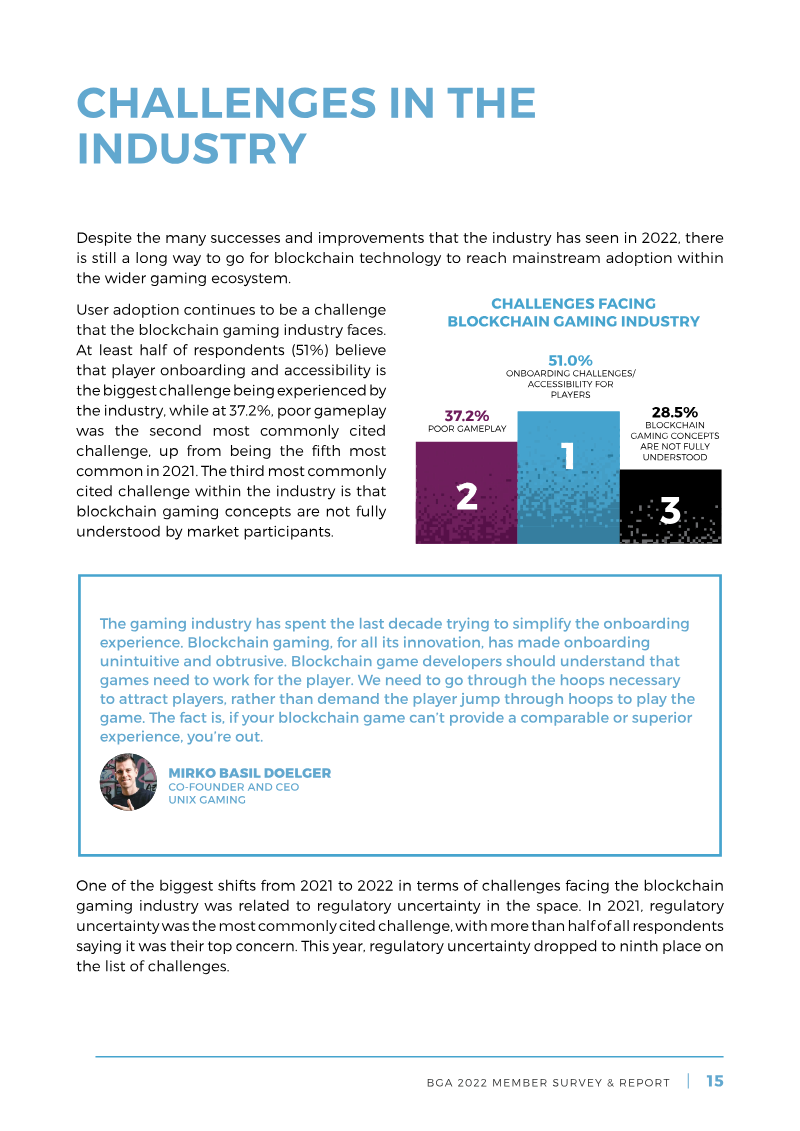
environments right and they have to pivot all the time they figure out things like play to earn play and earn playfy you know they have to figure out what dao is what's a dao right they think about like interoperability composability because someone talks to them about like you should totally interoperate with board apes right it's a bunch of stuff that kind of we expect them to do on top of being fun on top of being kick-start of like handling the kickstarter stuff on top of making them money like increasing prices tokens right and the final thing that we expect of them right which kind of is interrelated with all the rest right is that they have to be accessible like free to start like you know free to play level accessible right so you know the flow price not being like four thousand dollars to begin playing a game right the way we've designed our economics right and full of these games just because you know we expect them to feel the constraints of all the other kind of expectations right be fun make me money be kickstart finding fun games put on blockchain right and then accessibility right so the wave design
on economics makes it so that you know the startup to begin playing the game it could be forty dollars be four thousand dollars it could be forty thousand dollars right and it's kind of an accident of history where if you realize that like you know selling land and then like wait we have to get some we have to give something this land what we're gonna give them right and you know we've just been kind of trialling and erring like we've been looking at like utility of these different virtual goods and then we've been like trying to throw them onto like all these different you know tokens or nfts or land and we'll see what sticks right i think like you know what what would be more interesting to see is like if we can of course have far more reasonable expectations right kind of like tamper down like what we what we hope for from each game and realize that probably at any given time a game can really only fulfill like one two to three of these expectations at once at best right and you know it's why i don't expect like massive yield from you know experimental one chain games right but maybe it's going to be fun maybe it's going to be interesting right maybe it's
going to be built on the blockchain right so yeah so there's a bunch of there's a bunch of different expectations that we all have and somehow like we've begun to put all these expectations on a bunch of different games and all the different games that come into the system the ecosystem which of course like you know forces them like this way right so i think like um sort of adopting this mental model of like constraints that we place onto these games by our expectations right uh pulls them push them apart and i think like it allows us to sort of tease out like you know why are we investing in certain games or why we solve backing games certain games or why are we even playing or taking an interest just as a soft player investor or just a player in general or someone's interested in web free gaming right like why are we even interested in these games in the first place so i think like yeah that's all i have to say we expect too much from blockchain games fascinating thank you for for that that talk ryan that was uh that was really good thanks um my initial thought is i i couldn't
agree more to what you're saying i think um i recently met um a very senior person he's a ceo at a company very very very big company media company that is about to go public and he told me because the company is about to go public i'm looking for a new job because i don't want to be the ceo of a public company because as a public company you have to every quarter report to investors you know tell them why you show certain decisions lay out a plan it's a mess right having to constantly have a number that you're responsible for and in the end and this is my frustration the number and this is especially true in blockchain games is a arbitrary indication of how a group of very silly people things about the value of something and so i've had a lot of discussions with people that told me like oh um axi failed or x game failed because
their token price went ballistic after lounge and now is 99 lower than it used to be so the game has failed by definition and i'm like i i strongly disagree with that notion that because the price of a token went up and then all the way down that that necessarily means that the team is a bad team or that the team has failed it is the market has decided that they were super excited about that token at a certain point in time that has boosted the price up immensely and you know this is something that as a team you have little control over um and so you know this is another expectation and ryan i fully agree with what you're saying um we one of the expectations of current blockchain games is that we expect them to manage expectations around value of their assets which could be um compared to the share price of a company the same way a publicly traded company does and publicly traded companies by definition have like people that are like specifically responsible for finances they have cfos um
etc etc they have huge teams and now we suddenly have teams of five people that are that put something out there that is supposedly a company with a you know fungible asset that has a certain price um that's only they you know get um judged for the whole time um so fully agree what do you think seb it's interesting because one of my biggest gripes is i truly think that people when they're bad should feel bad and that people when they're good should feel good but you have to either do that or not feel anything right like so for example uh as a counterpoint to your thought nico if we're giving someone credit for making an awesome game because their token price went up i think they deservably get crap when the token price goes down i i i don't sorry i i don't think that if you put out a game and because of the marketing and
storytelling and the influencer bribing that you do the the token prize goes up 100 times 400 times 500 times like that doesn't say anything about how good you are at making games for me at least completely agree and i know that's what you mean eco and i think that's like the thing that we want to separate which is like for people like nico i think it's fine to say hey the token price going up didn't matter it doesn't affect the underlying product the token price going down doesn't matter because it doesn't affect the underlying product but i want to be clear that you can't have your cake and eat it too for those people who are like hey this thing was awesome because the token price went up you should you should you know eat crow for when the token price goes down and i think in a similar vein one of the macro things in terms of expectations is if the expectation was there and you built towards expectation that's a pretty good judge of what you're supposed to be i don't ever fault anyone for having high expectations i think it's a part of the business a part of what we're trying to do certainly i think it forces people to
prioritize what works ryan nico and i were talking prior to this call and one of the big pet peeves i have is people just like don't know how often you're supposed to see succeed or fail if they had a sense there's this great quote in baseball where you lose a third of your game and you win the third grade games no matter what it's the last third that matters right and it's very similar to the the flow of companies although far worse for the companies right a great investor will succeed one in ten times a bad investor will fail nine nine times out of a hundred somewhere in between is a fine okay a fine good okay investor right and so the delta between being great and bad is like ten percent right it's actually 10x if you think about from one percent to 10 percent right but it really is that much of a gap and so if you take a step back what percentage of games should fail well basically every game should fail and as a rule of thumb if you put your
hand into a bag of games and pull out a game that game will fail and so if you know that's your base rate and then you know what like drives success you then like try to be better decision makers and and reflect on that in the future as investors as players you don't care right as a player for a content thing you play it and if it's fun awesome if it's not fun whatever and a lot of that's what you've played recently i've been obsessed with vampire survivors i think it's one of the best games i've played in a really long time it's a reverse bullet hell you can pick up for three bucks on steam not a crypto game just to be clear but just a fun game overall part of my enjoyment of vampire survivors is i play triangle strategy right before playing vampire survivors if you don't know triangular strategy is a game from square enix where it takes about four hours to get to the tutorial battle and there's another four hours to get to your second battle so you're playing eight hours of looking at political intrigue which is not what i signed up for right and so my experience of this
fast-paced roguelike is improved by the fact that i just spent eight hours playing this japanese tactus game that takes 10 hours an entire day to get to a couple of interesting story points and that often is what happens in gaming right like it's it's out of your control and you can only control your content you can only control your product your iteration speed but you should assume things are going to fail and and this is why i and this nico this ties really well into the previous point where if you take credit for when the token goes up you go also take the crow when the token goes down similarly for evaluating games and playing games you you're you should either take those sense that hey you just work with good people and you got lucky which i think is a fine approach or you should say hey i was really good when i was good that was really bad when i was bad unfortunately i think we often see a lack of a lack of that type of intellectual honesty yeah makes me think of this concept of
locus of control um it it is a it's not a personality trait but it's it's someone like it's a way to how people look at the world where if your locus of control is internally whenever something happens to you either good or bad you're gonna think okay what did i do to make this happen and then there's a lot of people who have an external locus of control where something good or usually when something bad happens they're just pointing fingers and looking who they can blame for their own decisions um anyway that's a completely aside and related to blockchain games but made me think of that and so you know seb i get your point what would be an actionable insight from that for people who are building blockchain games right now yeah i mean so i think the biggest one is if you enjoy making games and you enjoy blockchain please keep making blockchain games i think that's like a non-no-brainer keep going for it the the part of the reason why we say and we ask founders and creators to work on stuff they enjoy
is because the act of creation ought to be degenerating of the process the process is what drives a lot of the upside there and so that is a really good place to start it's just hey do you enjoy doing this right now if so keep doing it if you don't enjoy it you might want to look elsewhere like i think that's number one i think the second thing is take this time to just ship right i think one thing that i can't emphasize enough is if you're in a nascent space where a bunch of people are doing different things and you have this window where people don't know what's right that is like the coolest time to be building it's the coolest time to test out all your crazy theories that like you sort of had an idea might be a good game loop for this ecosystem it's out there the last thing i'll say is i think people fiscally are are a little bit you know fud right now and if that's the case and you're building like you know consolidate your
finances like i like i can't emphasize enough that not everyone is positioned to be an entrepreneur coming out of university i certainly wasn't financially right like you know you have bills to pay you have things to do like there is no shame in that i was just talking to an entrepreneur recently who was working on a blockchain game who chose to call it quits and i thought that was the smartest decision i've ever heard in a really long time right like it was just one of those things where if you know it's not for you right now don't force it take a deep breath the opportunity will be there for you in the future go go to fourth and conquer other other streets i think we probably put a little bit too much emphasis on glorifying craters when in reality for every single person who's he was like yeah like i like took out ten thousand or a hundred thousand dollars in loans i was eating beans uh running an org like there are a bunch of people don't make it and i can't emphasize enough especially in this period for people who are working on games keep working on
cool ideas but also take care of yourself this makes me think of one question that i like to ask teams that pitch an idea or concept or business to me um and you know again it's a bit of a tangent but i feel like you know this if you're an entrepreneur um this isn't something or question you should have a very well or very good answer to and that is why are you the right team to be building this business or why are you the best team to be building this business and i think you know i really really enjoy doing this and i will would do it even if there was not the promise of this insane reward if i'm successful is one very good answer um and then on top of that hopefully there's there's some you know some some insights or some expertise that that can help you know seb i i also really enjoyed like what you were saying earlier about like kind of well enjoying the process and you know having that fun like
working in a space that is not optimized you know unoptimized and you know there's there's no sort of playbook to follow right and i think like the experience i suppose that i draw from all sorts of the frame i draw from here is kind of you know how you know if you were sort of a newbie game developer you know and in the last one or two years before kind of blockchain games kind of hit the market like established kind of way to invest in games at least you know what made games venture investable was like kind of the free to play model right and then there was a very soft clear you know metric by which you can kind of judge the success and and of your of your you know sort of nascent product right which is like your ltv greater than your cac right and in particular that was like sort of taken to a point of like hyper casual right up to a certain you know with hyper casual games like you know with voodoo and other publishers similar to them like there's a certain sort of set of metrics to look out for right and once you hit those metrics that's just
enough to get your game or like stuff fund your process as a game developer right and if game developments what you want to do then you find yourself end up working on you know puzzle games in unity right um or you know merge games and because those are the only things you can work on right but blockchain games are cool because i mean they just kind of open up the possibilities space for you and you can go on and try and build an rpg or you know revive study value if you want and in web free if you want and if someone's kind of crazy enough to be like yeah you can go and try and search and find this treasure you know a bunch of people raise funds to you know subsidize your exploration and hopefully you find something interesting in this expedition and you have fun doing it then that's great you know so it's kind of always the frame that i bring to it right when you say i mean it's it's better for builders right overall i think it's just more interesting it's going to be a fun time of course there's more expectations it's going to be difficult and you need to figure out this dial stuff it's pretty difficult stuff but you know otherwise
like it's it's quite it's quite interesting really to be a builder in this time and space so yeah that's that's what i have to say yeah i completely agree with you ryan as well and and well my favorite analogies i've said recently is i'm fortunate enough now to have been in gaming for a decade and so if i remember 10 years ago i wish i'd been in gaming for 10 years prior right because like the the mobile had taken off this is like 2011. the best game in the app store was sword and superbrothers sword and sorcery right and it was a single player like pixel game that worked on ios and those old phones that probably don't remember that game anymore now all the games are like synchronous multiplayer free-to-play experiences like riff wild rift and honor of kings right and then you see that evolution as people slowly take advantage of a part of the business and exploit it and like really push the platform and the product to its limits
that's the cycle of innovation and i think especially to nico your point earlier that is there's a forcing function now in that there is this like financial crunch and we'll see some really interesting thing come out of it but what that also means is we'll probably see a lot of things die and i think as long as we accept as in as a space that death doesn't indicate the destruction of the ecosystem we're going to be in good shape you know the joke is that wildfires often re re-rekindle the shrubbery beneath to allow for new trees to grow right and in a lot of ways what we have right now is a lot of weeds and strawberry in the ecosystem and giving people sort of that clean look to the sky is going you know probably generally a lot more interesting applications implementations which isn't the takeaway for how freaking hard it is ryan's completely right it is very hard to learn all this stuff and so certainly but that also probably lends its year to that people don't fully understand it
yet even and so we'll see better implementations in the coming weeks and months and years yes fully agree um final question i had um ryan you mentioned that we shouldn't expect blockchain games to both be really fun have super accessible founders um you know have a price that's constantly going up do interesting technical things etc etc etc at the same time um do you see like uh like groupings of teams that are focusing on like okay so what we're going to do is we're going to do fun but we're not going to be accessible we're not going to bother with our the price of our token we're just going to do that and then there's others who are like very concerned about you know have a having a steady increase in price of the token as the player base grows um are you seeing like trends there yeah absolutely and you know with this sort of framework you can begin to see like which teams are focusing on what whether implicit or explicitly right so
there are teams out for example who are who are saying like well my top priority is that it has to be like a free to play component right everyone has to be able to play my game right and then there's a market component potentially right so like that's that's an example right or you know it's going to be accessible because we you know make a component where like lots of players can play for free and then there's going to be like nfts that they can use to enhance right so there are some teams they focus like on that there are other teams like you know that they have already launched for example which are like well we're gonna make it fun it's gonna be a pure marketing game right and we've raised by selling a bunch of stuff we've sold like you know the nfts that allow you to access the game you sold land and the lag and you need these things to play the game in case in point is crypto unicorns which you know of course we we both invested in soft disclaimer and a big craft in delphi right but they that's not a priority for them right the priorities that they want to be built on the blockchain they want to have that dial and they have their soft ecosystem forum right accessible they
want to experiment with tokenomics right on rbw and unim as well they want to software multi-layered economy and you know the prioritization wasn't around accessibility right they wanted to be fun right with different kind of call loops as well so i think that's the kind of like um difference that we begin to see and then you know the goal is that like of course you can't have everything all at once right so definitely like pick and choose and the way i i think of it is like well you can pick and choose certain aspects or certain expectations you want to fulfill but you can't fulfill everyone's expectations yep makes a lot of sense um all right i think um you know this was a fantastic uh episode with some great insights from both of you we're gonna end with as i like to do and as we discussed in the beginning let's let's do a bowl prediction let's talk about crypto bear market blockchain gaming you can you can give me anything all right i'll be happy i'll you guys can go first i still haven't gotten one in my head yet so uh seb i'm gonna
i see you unmuted yourself so let's go yeah yeah i i just want to point out that i think about a year ago nico i was on the browser's podcast and i said that i thought a year ago that like 95 percent of projects that were in the top court like top 10 top 20 of projects on in blockchain would disappear in five years and i feel like that hot take is on really good track right now so i think in a similar way i'll make another one of that style i this is going to be bad because i feel like i'm stealing a little bit ryan's thunder i actually think that in gaming we'll see far more stuff move towards product focus launches where the product launches prior to the tokenomics i think that's something that we haven't really seen as much in the past i'd imagine we're going to start seeing a lot more of that especially if you assume that people ought continue to build products and games
but they don't want to launch into this financial market the natural conclusion is that we're going to start seeing things that are like hey the token commodity will come after the game that's going to be a fun one that's my hot take ryan yeah i quite like that the tick as well uh less smoking mirrors more fun more interesting ways to interact the product right yeah and it doesn't count though we want another one from you ah okay that's true yeah no like um i suppose on the hot takes uh that i'll have we will see many okay oh okay the hot ticket i'll have is before the year is out we will see five successful free to play slash free to start games that sort of have a compelling sort of blockchain component rather than a software grafted on one right so you
have nfts that exist outside of the game and the like but they can exist on the app store or the play store so we see like use of cleverly designed games where they can exist on the app store right they have their entire free to play micro transactions and they're like right or a model right but they have a blockchain component as well and that yeah that's kind of my i guess my uh hot take prediction right so i think the alternative or the counterfactual will be like well we see none and then that will kind of make html5 look really wonderful as technology wouldn't it that's kind of like the counter hot take so i'm gonna have two right it's idol yeah in my book basically yeah exactly okay so you're covering your ass so you know what we said in the beginning you know in a year or at the end of the year you're gonna say like look i was right because you basically covered governments yeah yeah hedging hedging smart that's fine yeah exactly good all right my my hot take my
hot date is um and you know i think we're in for a significant bear market in crypto in general which is gonna um stifle like i don't think we're gonna see like an axis steppen style success out of nowhere over the next two years maybe maybe a game that has like was been building for a while where people were excited about where is gonna drive in a lot of new players uh but i don't think like out of nowhere we'll see something like go from like a 1 million market gap to like a 10 billion market gap um yeah that's that's that's my take and i think you know this this cycle is is going to take a bit because i feel like the real mass market blockchain games um they will probably look like what you describe ryan where i and i yeah i don't know whether they'll be html5 or mobile free-to-play slash you know blockchain
separately but um i think those are longer like long i don't think we'll see those by the end of the year that's that's my um my take cool all right well um seb ryan thank you so much for joining me this was uh this was awesome it was like just a fun jam i didn't prepare anything but the thing that i wanted to talk about um you know i feel like i don't know if people like this we can we can do this more often so um yeah with that listener thank you so much for listening if you watch this on youtube feel free to give us a like and if you're listening on spotify there's stars there apparently so feel free to you know give us a number of stars uh depending on how how good you you thought our takes were i think they were okay so please give us five okay so with that this was the metacast by navik and we look forward to speaking to you in the next episode cheers [Music]
you
Summary
The blockchain gaming industry is currently undergoing a necessary correction, transitioning away from unsustainable, yield-driven models toward a focus on high-quality product development. The prevailing market downturn acts as a catalyst, clearing out projects that rely on speculative financial loops and hyper-growth ponzinomics. By shifting the focus from external market metrics and token price volatility to core gameplay and organic community engagement, developers are better positioned to build resilient experiences that can withstand economic cycles.
Success in this evolving landscape requires a departure from the unrealistic expectation that a single title can simultaneously achieve mass accessibility, complex technical innovation, and high financial returns. Instead, the industry is seeing a trend toward specialization, where teams prioritize specific pillars such as gameplay depth or economic sustainability. This strategic pivot encourages builders to iterate on their products during the bear market, viewing the current environment as a unique opportunity to experiment within an unoptimized space without the pressure of immediate, speculative growth.
Looking ahead, the industry is moving toward a model where blockchain integration serves as a secondary layer to traditional free-to-play frameworks rather than the primary driver of user acquisition. Future successful projects are increasingly likely to launch functional, engaging games before introducing tokens, ensuring that the underlying product provides intrinsic value. By prioritizing long-term player retention and community-driven design over short-term financial incentives, developers are establishing a more stable foundation for the next generation of blockchain-enabled gaming.