1 free read left. Create a free account for unlimited reading + AI research.
Create free account
London Venture Partners on venture capital in games – What, when, why, how
Key insights
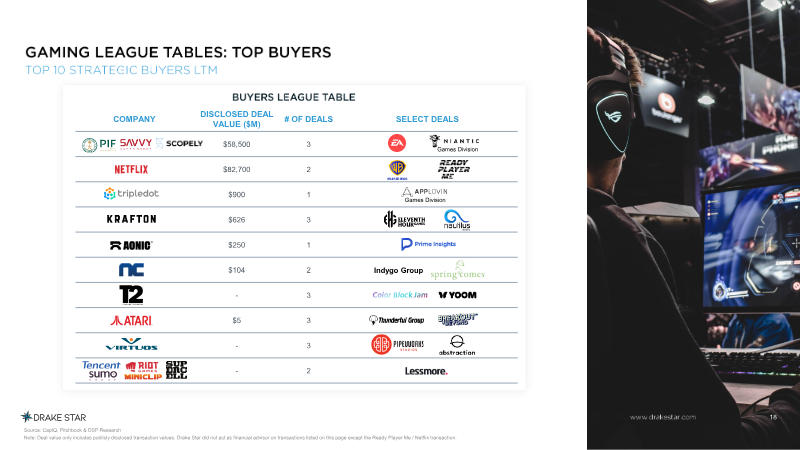
6 takeaways- 01Europe is a major hub for the industry, accounting for approximately 48% of all global early-stage gaming deals.
- 02Venture capital in gaming is an equity-based investment in the studio itself, prioritizing long-term team potential over the success of a single project.
- 03Venture capital is specifically designed for high-scale 'moonshot' opportunities rather than low-risk, steady-state business models.
- 04The gaming venture model follows a power-law distribution, meaning the vast majority of investment returns are generated by a small percentage of highly successful portfolio companies.
- 05Investors provide holistic support beyond capital, including recruitment assistance, strategic board-level guidance, and industry networking.
- 06Founders are evaluated on their commercial acumen and 'battle scars' from previous failures, while fragmented cap tables and conflicting business obligations serve as primary red flags.
Ask AI about this video
Transcript
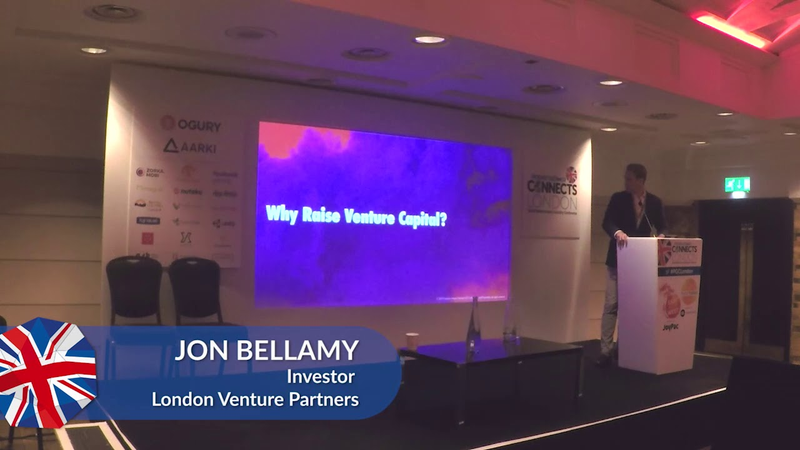
[Music] so my name is John Bellamy thanks so much for having me this afternoon I'm where the company called LVP formerly known as London Venture Partners we're a venture capital fund I'll come on to a little bit about who we are and what we do shortly but this is us talk a little bit today about VC in games so venture capital in games talk a little bit about what when why and how to raise VC so this is us we're a games fund we exclusively invest in games this is the third fund second under the LBP name we've been doing this for about ten years as a group and we only invest in the games ecosystem we invest at the seed stage so this is going to be frightfully pedantic for anybody who's
raised funding before but for anybody else hopefully it's a bit interesting our seed means were basically very early money and we're a team of games people so we all come from operating backgrounds in game studios me personally I came from Jagex up in Cambridge I spent a couple of fantastic years there working on deals with that company also in the company has worked at the games the games coast before this one of the general partners was employee number 11 at EA set up EA Europe Rand was CEO OVA for a long time ran Atari for a while another one founded criterion which if anybody Apollo games in here obviously you all know that company and within the team we've done just about everything you can do with the games code from founding to winding up to selling to buying to listing in China in fact games companies are now obviously investing so this is part of our portfolio this is the second-to-last humblebrag slide we've created about fourteen point three billion dollars in shareholder value so far by investing in games companies the
biggest of which probably supercell Playfish he amongst others and so I came here today because I took an interesting observation away from three of the three of the events I attended last year the three that I'm talking about here are egx Nordic game and Barcelona games world so while I was there I took a load of the data that we got from people that basically requested meetings with me and what kind of finance they were looking to raise 89% of the people that came and asked to meet with me were looking to raise project finance a bit like you might go to a publisher with and say look here's a game that I'm working on we'd love for you to help us finish it with a bit of money and some expertise maybe some distribution 26% came looking for equity investment 5% were lost he's 6% that that was the number I wanted to focus on I didn't really understand why only one in four people that basically wanted to raise money to build a studio had even considered this or at least were open to the idea of
meeting somebody to talk about it and that was he so early-stage venture deals have been on the up for as long as long as we can track data basically and Europe is absolutely no small player in that roughly 48% of all the deals in the Western world come through Europe so clearly there's something not quite right there so I spoke with some of the founders in our portfolio I also spoke with some entrepreneurs that I met at different events and some of my colleagues and came up with three hypotheses as to why this might be the case why does so few people have an active interest in pursuing equity financing number one was the Palazzo Pei connect connect inaccessible so it's a bit of a black box a bit mystic the second was I just don't want to give away any of my company fair enough and the last is I don't really know what venture capital is and I think actually number three probably applies roughly to you as well so I thought I'd talk I'd start talking a little bit about what VC is so it's quite simple it's three consecutive processes very largely number one is that a wonderful VC will
come and invest in your company so perhaps we buy into the shares in a company for a million dollars that way the startup gets a million dollars with cash to spend to do what it does and we take a small stake in the company it's then in our interest and your interest to try and grow that company so basically as we grow the entire pie grows with it and then by the time we get to the end of that funnel we're in a position to exit our stake and probably the rest of the company so that's when you're talking about M&A or maybe taking your company public and so this is this is a very long flow and this chart I've really put up here is representative very roughly of what a company kind of looks like in terms of profit growth stage as you might look at different options all the way from friends and family money up until you know the big private equity guys that might want to take care of your company public strategy sake in it this is where we play we're very very early no such thing as too early for LBP so we'll come in right at the beginning we've started companies with founders
before technically as joint ventures but we'll also invest up to say two point dollars roughly in an early-stage company so I thought I'd talk a little bit about the differences between equity and and project investment just to really clarify why you know your pitch to a publisher might not be the same for a VC focus for us is is really project sorry it's team potential versus project finances we'll be looking at project potential obviously they're buying a revenue share from that project so they really want this to succeed for us I'd say we take a bit of a longer-term view so statistically speaking at worst or even your second product that really hits the the big leagues if it does hit it'll be your third it's roughly two-point-three products it takes on average for us the best way to ensure that product three does that is by investing in a team that's capable of hitting three excellent products and one of them being unwell like I said project finances will buy a revenue share or a profit share so they'll buy part of the money that your game earns or perhaps subsequent games on for us we buy a part
of the company so this is a very deep marriage this is right at the cap table level or with you guys this is ownership and when it comes to control project finance is typically will look for IP control not always the case but that's probably the most common common situation when when project financing is coming looking for some level of control for us ball is probably a little bit predatory at least the board position is probably what we'd normally look for so we can be right at the sort of front of that ship with the founders of that company and help making the big decisions that really will turn your company into something successful and then when it comes to value add project finance here's the really good ones should be exceptional a go to market it should be very good at taking a product that maybe is very nascent for a young helping turn into something more fleshed out and then taking it to the world for us it's a little bit more holistic again it's symphony growth so it's not just product like to a product three it's not even necessarily company one we'll find that many of our repeat successful founders will come back to us and we'll do it all
again an ultimate priority again project success and company picks for itself one thing I will say publishers are project finance years and VCS are not mutually exclusive so there are situations in which it makes a huge amount of sense to have both some less so okay so when to him winners need to win big I'll come on to a little bit of why the math works for that but really you need to be aiming for what we what I would call a moonshot something extraordinarily ambitious very very high in potential scale and it really tends to be a thing sort of situation so quite often I'll be approached by people who say look we've got a super low risk proposition it's less about risk and more about potential so we really want you to be shooting for the stars without going too deep on this because my colleague who just came in Gavin told me that I've heard much on math I'm sorry that's me portfolio companies don't really follow a distribution that's a normal distribution by which I mean if you're stacking up the size of all the companies in a portfolio they typically
wouldn't be roughly even not even close they actually follow power laws the winners more than compensate for all of the losers but less successful companies in a portfolio so generally speaking you'll find that I think a lot of major VCS aim to 30% of their companies to kind of return roughly the money that gets in there and the top 30% to be really their outstanding winners that drive all of the performance of the funds so I thought I'd talk a little bit about how we make money so it makes sense for you guys why we need to aim so big so the timing could be very good if if your mock growing and is large and is very high potential which is often the case for games so we think our business very good fit for games for that reason you have an appetite to lead the market or perhaps in a very very large market coming second could be great to you but generally speaking we want you to build market leaders you after that you have to want that and there's a very clearly presented path to scale and I think one thing to clarify here is that it's not always the case that you have to want to build the next EA that's absolutely fine
if you want to build exceptional games in an indie studio that's unbelievably go but it's probably not the best fit for BC at least not for us so why raise venture capital so advice is one part of this product market hiring fundraising these are the conventional things these will preach but we genuinely like to be quite hands-on we're required so that means if you need help with hiring there's probably somebody in our network that we can help you with really add value in that way Network again an extension of the previous point so we have as UNIX relationships with platforms with your peers competitors so it can be quite useful to have somebody informed and contextually clued up on your cap table on your board to really help with making the decisions that maybe we have a different angle on fundraise mo or fear of missing out is a trillion dollar industry generally speaking if you raised a little bit of money from a really good VC the VCS will take notice and say actually we like what these guys
do we respect them therefore we'd quite like to invest as well and that's suddenly where you find these runaway venture since we're a companies tried to raise two million and eventually over two years raises 50 recruitment kind of what we talked about obviously a lot of our portfolio companies have different needs and so sometimes as they're winding up we find great people from those companies to join other come perhaps somebody wants to leave King or sorry Todd if you're in the room or anybody else of that nature and wants to join a startup we can absolutely help with that and so good chance we'll know somebody and their validation generally it's a bit like the fundraising points it's kind of a brand somebody who is well respected in the room invest in your company it helps attract talented hail it helps attract partners it helps with generally selling your company and then finally at exit as you'd expect because like if you remember in that tree tree sort of slide we find our X at the same time you do so really it's in our interest to find the best possible outcome for you guys because we win then as well and that's what's so nice about this model is that
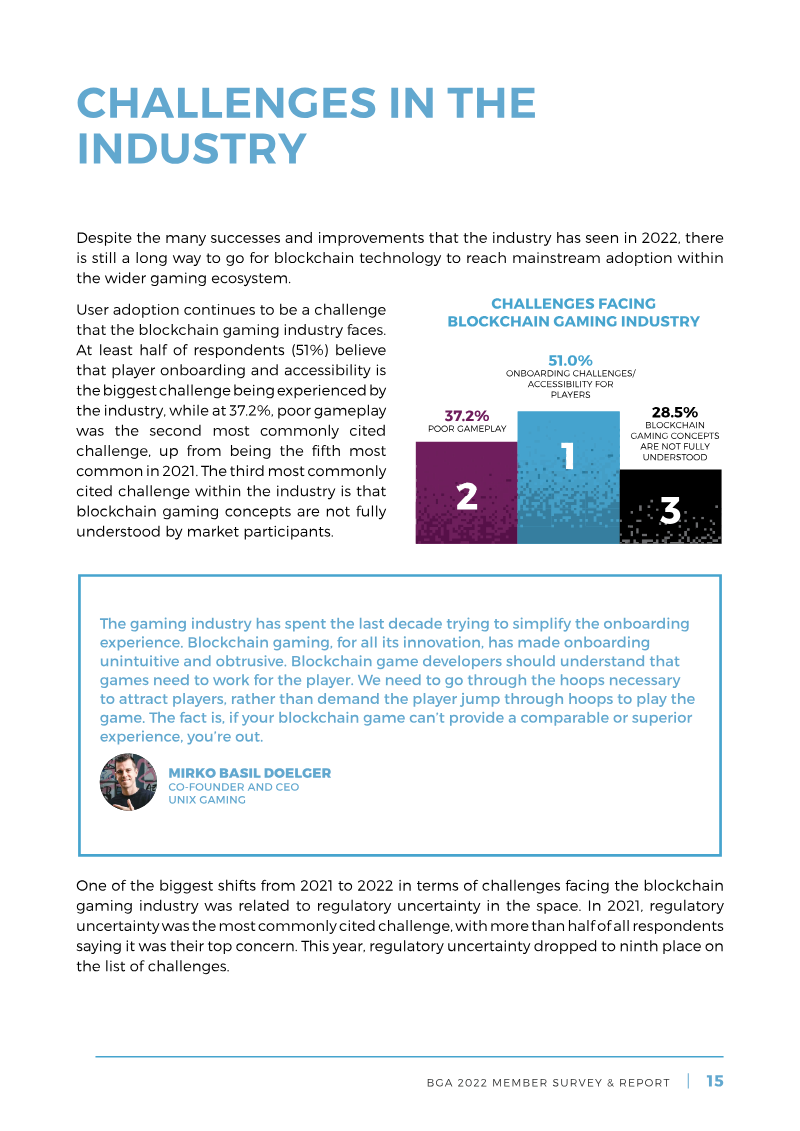
winners breadwinners generally speaking so I thought I'm green flags and some red flags things to do things to avoid when you're pitching a VC just for a few quick tips I'll start on the negative so conflicting obligations and this is a big one a lot of the guys in this room will have or will already be doing something higher work and that's completely understandable that's a very viable business model that's worked for people like Patti and Chris at 4j Studios who made all the console versions of Minecraft indeed extraordinarily well that's a really admirable business model but if somebody's coming in you it's very important that the objectives are clear and everybody's aligned that making sure that the work being done is exactly the work being pitched over-promising we know that rome wasn't built in a week and there'll be six guys in San Francisco that could promise me a billion-dollar Empire by the end of Nikki it just doesn't really happen that way so be very realistic no track record it's very hard to understand the
capability of a team without having seen what they've done before unclear and verbose this is very much the pot calling the kettle blow but generally speaking you're going to be selling to everybody when you're hiring you're selling your company when you're selling your company you're selling your company when you're fundraising you're selling your company you always need to be selling and if you can do that well and concisely that makes the job at home a whole lot easy and low market knowledge like I said we really look for market leaders people who want to lead the market and it's very hard to do that unless you know the market in which you're trying to lead and sloppiness so raw is fine I want to be very clear that if you count out of white slides and say look this is what I want to build super early nothing polished that's fine you don't need a videographer or a PR team but ultimately you know spell your name correctly and a product pitch as well so if you come and say look this is my game then I really want to build it can you help me build it maybe but it's probably not what we would look for like I said we really focus on finding exceptional
teams that are the most qualified to solve the problems they're trying to solve so absolutely pitch your products we need to know what old it's important it's vital but not just that we need to hear about the team in the company and then I fragmented cap tables so if you have you know sixty three close friends family and angel investors that all owned a small slice of your business it's very hard for us to make sure that as you're going forwards the founding team stays really incentivize them motivated so for us simplicity is very key at the early stage it's fight a little bit more acceptable later on but generally speaking we like founders to own all of their company when we first start talking to them or call of the company okay so green flags a clear vision so something that you can concisely Express we want to take mid core games to mobile and build an empire of people that used to play PC no longer play mobile I love supercell exceptional fit by this I mean exceptional team is fit for the
proposition in hand here so it's very very good to have an exceptional team of people who build Triple A games for the last days but if you then pivot and say we're going to make a casino API for mobile games in China it's very hard to understand why your team is the right fit for that and a commercial acumen so quite frequently we are presented with some of the most exceptional creatives in the country if not the world being in games but it's very important also that you have at least one person in the room who understands things that your unit economics if you understand the value drivers behind your LTV and your CPI's that goes a long way with us but exactly the kind of problems you need to optimize for if you're trying to scale a business a warm introduction so if you can get introduced to a VC by somebody that they respect there's almost a hundred percent chance that you'll have a good reception or at least make of having an in-person meeting or something of that nature so really we're all reasonably well-connected in the industry it shouldn't be too hard to find somebody if you could do that it
goes a long way and battle scars it's absolutely fine in fact it's good to have failed right to start a company before and it's not gone well perhaps things wrapped up if you've tried some other sort of entrepreneurial or adventurous or brave endeavor and it hasn't quite gone right absolutely flaunt your scars because those those dollars that may have been wasted in those minutes or hours wasted on failing that time are minutes and hours that may not be needed again so that's really attractive for somebody like me and seasoned founders obviously if you've raised money and you've built companies and sold them before this pitch isn't for you but if you've done something entrepreneurship before or you've run another studio or owned a P&L at a big studio I mean that's that's very good seasoning it's a great way to start a conversation obvious potential if you can show me that the market that you're attacking is you know 18 billion dollars relatively untapped and growing at fifty percent per year that's a pretty compelling narrative and finally competitive awareness so really
understanding who else you're competing against and and why they're successful or why they're not and why you will be as well despite them or because of them is critical it's super super important that you know your competitive environment better than we do because ultimately they'll be looking at you if you're not looking at them and thank you so much it's been a short but snappy one I really appreciate it if you have any please feel free [Music]
Summary
Venture capital in the gaming industry serves as a strategic partnership designed to scale companies into market leaders, distinct from traditional project-based financing. While project finance typically focuses on securing a revenue share from a specific title, venture capital involves an equity-based investment in the studio itself. This model prioritizes the long-term potential of the founding team over the success of a single product, operating on the premise that it often takes multiple iterations to achieve a major commercial breakthrough.
The investment landscape for games is characterized by power-law distributions, where a small percentage of highly successful portfolio companies drive the majority of returns. Consequently, venture capital is best suited for founders pursuing ambitious, high-scale "moonshot" opportunities rather than low-risk, steady-state businesses. Investors in this space provide more than just capital; they offer holistic support, including recruitment assistance, industry networking, strategic board-level guidance, and validation that helps attract further talent and investment.
Key indicators of a strong investment candidate include a clear, concise vision, a team with relevant experience, and a deep understanding of unit economics and the competitive landscape. Conversely, red flags include fragmented cap tables, conflicting business obligations, and a lack of commercial acumen. Founders are encouraged to demonstrate "battle scars"—lessons learned from previous entrepreneurial failures—as these experiences are viewed as valuable assets.
Geographically, Europe remains a significant hub, accounting for approximately 48% of global early-stage deals. Despite this, many developers remain hesitant to pursue equity financing due to perceived complexity or a desire to retain full ownership. However, for studios aiming to build sustainable, high-growth organizations, venture capital provides a structured path to scale, aligning the interests of the investors and founders toward a shared, successful exit.


















Comments