1 free read left. Create a free account for unlimited reading + AI research.
Create free account
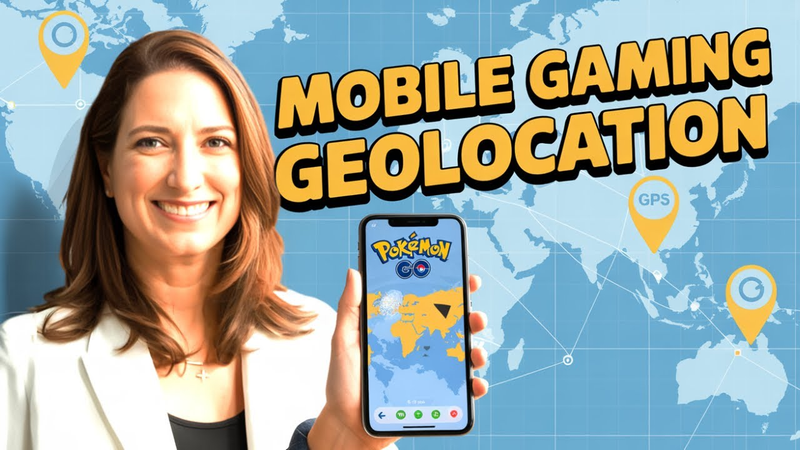
Location-based mobile gaming - How did we get here and what’s next after Pokemon GO?
Key insights
6 takeaways- 01The gaming industry is positioned to capture a larger share of the U.S. mobile advertising market, which is projected to reach approximately 50 billion dollars.
- 02Location-based gaming provides a closed-loop system for retailers to track measurable attribution for advertising spend by bridging virtual gameplay with physical store traffic.
- 03Brands are shifting toward sophisticated loyalty programs that utilize GPS data and NFC payments to track the consumer's path to purchase.
- 04Retailers are rapidly adopting infrastructure to support this, with 80 percent of the top 100 U.S. retailers having implemented or planned beacon technology by the end of 2016.
- 05The integration of physical and digital retail experiences is projected to influence approximately 40 billion dollars in retail sales.
- 06Future location-aware gaming will rely on a convergence of augmented reality, connected cars, smart city data, and natural interfaces like Amazon Alexa.
Ask AI about this video
Transcript
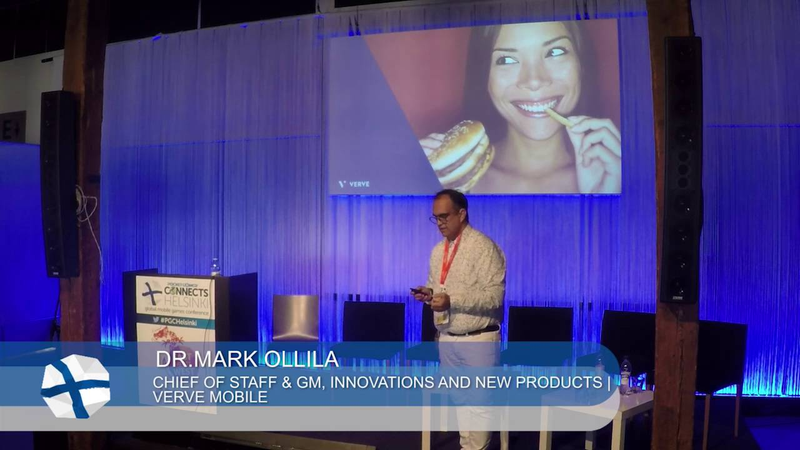
[Music] so is the microwave guess it is I just love all the chairs behind me and all that is a Sabrina in the room from King no she had this wonderful talk earlier where she was really trying to get the audience interactive and she was wondering why everyone was quiet and I also had that same thought when I was working at nokia like for eight years like how could this be the dominant mobile phone company over the last like like in the early 2000s late 90s and who are they talking to they're on the phone but who are they talking to the fins were very quiet as a population so what I'm covering here at this session was a Chris was asking me okay can you talk about some industry trends and what you're seeing and also what's happening with things like Pokemon go and what's afterwards so big hands up if you haven't played pokemon
go I can only a few currently a few like isles in the u.s. yesterday i flew over here deliberately just because i wanted to get the pokemon that's only available in europe so let's get into it so where am i now so verve mobile it's a Qualcomm and Nokia funded company working specifically in location-based mobile advertising it's existed for about 10 years and we're working Oh looks like pocket game I didn't check the fonts I told me that the deck was perfect okay so we're working with the top 10 retailers us cpg global cpg US auto and fundamentally women working in location-based mobile advertising for about 10 years and not directly with game companies but mainly with retailers and advertisers and brands so the question I have for the audience here is how much money do you think has been spent or plan to be spent in mobile advertising and let's say 20 19 just in the US alone how much money do thing is
getting spent in that industry or intended to be spent any question any okay no answers interactive audience it's about 50 billion is just been spent only in the US alone and mobile advertising and so it's a market that's expanding quite quite a lot one thing that we did at verve earlier this year is a just a couple of months ago is that we acquired a beacon company we've been focusing so much on location which is about driving people into retail stores that we looked at what can we do next and what's needed for this to succeed to actually get that more advertising dollars coming in and we're quite a beacon company rocks emiti they used in starbucks stores ford ford auto dealerships walmart pretty much all across the u.s. and we wanted to acquire that company to accelerate what's happening with location and again like location why location well like our view
fundamentally is that if you're doing advertising and you don't have a location information you're just doing digital advertising like relocation you can get so much more context you can get better understanding of what the consumer is actually doing so to this talk now my role at verve and was brought in was basically to look at what's happening in the in the future what are the trends and what are things that we need to be aware of and I have a lot of freedom to actually do this and basically see okay what should we invest in and what should we partner with and look at and so together with my team i put together what's known as points of views now these are points of view that we're seeing happening in the industry and we also get to see what advertisers and big brands are doing and what they're coming to us asking us about now I'm not going to go through all of these like for this session like I didn't know how long it was going to be until recently where they said it's actually 15 to 20 minutes so I'm going to narrow it down but well fundamentally looking
at like what's the new stuff happening in gaming and ad units what's happening in internet of things in terms of advertising AI platforms shared screens what's the new innovations happening in TV the ones in the middle are the ones which on fundamentally will look at things like loyalty indoor location natural interfaces connected cars and smart cities and then finally at the bottom you can see some other aspects about advertising going social user revolt happening against advertising what's happening with wearables and and so forth but these are points of view that we look at what's happening in the space now when you look at what's happening out there in terms of retail and we take a pic of vertical such as a cue SR quick service restaurants we pick a random q sr the typical way that retail and these QSRs are doing marketing is typically like direct mail marketing their mail out maybe millions of dollars worth of coupons or letting people know about a
new campaign and drop trying to drive that into retail they have difficulty tracking that and what they did in partnering with our verb to give you a sense is that we've got access to like hundreds of millions of consumers our SDKs on thousands of apps high quality apps and we have a sense of who the audience is what age group they are where they're going and where they're playing so they give us a data of like a anonymously about what people they set the direct marketing campaign to we see how that matches to our data and then we send them a message when they're close to one of these qsl restaurants and the results that we saw from this was that it actually blew out their campaign expectations but actually tying that traditional mechanism we've actually a digital mobile location focus mechanism where you're geofence locations around the around the country so how's this
relevant it's actually showing that there's all this marketing money advertising money that's out there on retail driving people to locations which isn't yet really been made available to the gaming industry typically I see advertising and gaming fundamentally being really much around performance advertising advertising other people's games and so forth there's link between physical retail and physical goods tied to actually digital worlds is a hasn't really been explored until what happened with Pokemon go is is it's actually getting taken is this getting serious attention from the brands and retailers well when you go to a place like Target and you actually start seeing these things out I guess everyone recognizes a ball down the bottom so target one of their target stores actually which was a poker stop actually started to advertise it hey we're Coco stop now I don't know if the phenomena is been happening here in our in Finland and so forth but I know in the US when I'm going around
local pubs and bars and all that they're putting out signs saying hey we're a poco stop and by the way between two to four we're going to have a happy hour if you come up here as well they also start advertising in there like billboards that we're going to put outlaws we're going to put outlaws every every saturday and sunday between two and four pm come over here and visit so they're advertising it and they're trying to drive people to the retail so this phenomena of like getting people into the retrial driving foot traffic is what we're seeing take off you also get the situation and this is where I go into this POV around the gaming ad unit is we actually see the situation where you got the antic working with other with their Pokemon go which is based on ingress naturally looking at partnering with companies like McDonald's and fundamentally targeting retail stores with locations which are actually matched with the with a virtual world that they've got
with Pokemon to actually again drive traffic and bring that branding in so you're bringing this blending of retail real physical locations to the digital world I've noticed that my timer isn't working down here for the back of the AV side so just indicating that so I'll start again I guess it's because like we started 20 minutes late okay so that's happening with a gaming ad unit and so to show how at this event I haven't had too many comments around location here from the presentations I've said it's basically maybe it's a one-off or something like that I'm getting brands large brands coming to us and saying okay we're just have been doing campaigns but we actually want to start looking and thinking about how we try to gain developers and what game companies actually doing location-based games and then I in this aspect that okay how do we tie our physical retail stores and locations to actually driving traffic to them and how do you blend that virtual
location in the game world to the physical goods that are unsold and how do you tie that together well one thing that we've seen develop quite a lot and thinking about is the use of loyalty loyalty is becoming quite important to the brands and some of the brands are saying that they're considering maybe dropping their app development and actually just focusing on using the wallet capabilities that are coming in Google and in an apple and developing the loyalty cards but then also the coupons as well so loyalty is something that we're seeing is very big and what we see is that tying mobile geolocation generated with the devices GPS in conjunction with mobile wallets NFC payments and beacons to tie in the fact that you know the consumer is in there there are loyal consumer this is something which we're seeing has been very powerful and very important to the brand's and could be something that could be incorporated into you again
that it doesn't necessarily only need to be about the physical under the virtual rewards you have in the game but how you actually can tie that to physical rewards as well as i mentioned indoor location we're seeing these beacons getting rolled out and one thing that we learnt pretty much during 2016 this year is that eighty percent of the top top 50 retailer know that eighty percent of the top 100 retailers in the US have a plan to roll out beacons now or have done already by the end of this year out of the top 200 retailers with more than 50 million in revenue eighty-five percent of them have said that they're going to roll out beacons or plan to buy the end of 2016 there's also indications that the impact of beacons just in retail is expected to be about forty billion dollars in terms of influencing sales so there's a big big impact in terms of what indoor technologies and beacons I can have to
retail so that's a trend that we're seeing as well why is all this important or down to this aspect of you have an ad displayed on the actual device the retailers and brands are fundamentally trying to see okay how does this lead to a path to purchase and then some purchase mechanism payment mechanism has taken place maybe it's met done by the mobile wallet and what they can finally see is that for the advertising dollars been spent that there's a direct attribution taking place sap tribution is quite important and we'll see more and more of this starting to take place during this year and the next year about these full closed-loop attribution now eSports after this session here we've got some more topics on these sports but this is a trend that we're also seeing very much that there's a big interest in eSports colleges are now starting to actually offer e sports scholarships even my own teenage son is
actually starting to apply for colleges for an eSports scholarship I don't know necessarily thought that was a good idea or not but I try to support him and but eSports is one of the one of the big trends that we're seeing I'm not going to go too much on this you're going to hear much more about it later on but it's one of the ones that we've identified here a big question when I was here in the summer this wasn't the case like are you able to buy the echo in Finland yet still no ok so this device here is the Amazon echo and amazon has been investing a lot in new technologies recently they've talked about delivering drones am at low drone like mail and deliveries through drones but this is about natural interfaces and i have to say when we got one of these for the home late last year really changed the environment in our kitchen that everyone was interacting with it and it's almost like the serie experience that you have on your phone but it's much more rich
much more enjoyable and like having the kids to every morning basically asked ok tell me a joke Siri no sorry not tell me a joke series by tell me a joke Alexa it's a very very enjoyable and recently just so as it rained recently just over the weekend amazon released a gaming gaming skill for the echo and that gaming skill was to allow developers to actually develop let's say play play play by choice adventure games that you might have played as like early this century or last century when you just choose your own adventure stuff and they released a skill they call this stuff skills where you can actually easily create games that can be played through natural interfaces voice interfaces on the on the echo and the system is alexa microsoft scott cawthon or Apple's Siri and there's a lot of money that's getting invested into this space and they're fundamentally looking at it as another form of interface that you have
to your app and that you can engage with it and so I'm looking forward to actually seeing the types of games that will come from this that will be interesting to look at from advertising perspective this suddenly becomes very interesting because of the fact that you can suddenly look at ordering directly from the amazon store the types of items that you want or you can look at other elements that might be interesting that require natural interfaces so it's a very very big trend this and a lot of investment is going into it arv are like we saw with Pokemon go it's like the first successful AR game what I found interesting and unembarrassed about it is that a big ingress player which was a game that the antic use before they brought out Pokemon go to actually crowdsource all the locations I actually didn't know there was an AR mode and Pokemon go until I started seeing all the pictures out there I was just playing it in virtual mode Tamils a location-based game and then there's the
AR motorcy yeah this is quite fun but it kept on crashing and everything like that but it's fascinating how some are calling it location some are calling it a are but with the investments that are happening from Samsung Microsoft I recommend anyone who hasn't tried it yet try and hollow lens if you can get your hands on it it's probably the most amazing experience obviously an MVR that Microsoft has a made made available the only problem is you can buy them but they don't ship them to Europe so it's a bit of a problem there but we're seeing again a lot of questions coming from brands about how you tap a our experiences into into their retail into the different apps that could actually be working with them the other one we're also seeing a lot of work on is the connected car and this is a this is going to be really interesting because you see the earlier example of a lexer and natural interfaces let's be in a situation where
amazon has signed deals with different automotive in our manufacturers to get the alexa technology into those cars and what these cars are now fundamentally providing is much more telematic information you can build some fascinating connected car experience their game experiences which are tied into into cars and one of the projects I did like 15 years ago was actually backseat gaming where you playing against plays and you in the back seat of the car they go past each other and you got you're throwing like I know like a bombs and so forth at your other players and things like that so this is something that is that starting to look quite interesting and this taps into the smart cities here in Scandinavia I've had the luxury of living both in Sweden and Finland there was a lot of this Smart City thinking in these countries I remember that being used very much even 15 years ago in the US it's not the case like this is a topic that has only just recently come but President Obama one of
the things he just did recently was basically allocate tens and tens of millions of dollars around to invest in smart cities so there's about 16 16 or 16 or so smart cities which I have been selected and some of the things that these smart cities are doing like San Diego where I live is one of them is that they're starting do these hackathons a smart city hackathon and what they're doing is they're making all the infrastructure data publicly available so you could get things about like what is the routing of all the garbage trucks through the city what is the actual histogram or heat map of which suburbs actually do recycling of rubbish and which suburbs don't do recycling of actual rubbish and they're looking for new applications that can utilize all that technology that amount of data is a dream for developers that actually want to take in and do location-based game or games or want more context in the games that they actually develop so a lot of investment actually coming through in the in the
Smart City side and a lot of interesting hackathons that are being made available for you to play with that so that's something you should also look into to see how you can tap into that so as I said I couldn't go through all of them but these were some of the trends that I'm seeing what the brands are actually talking about the biggest thing I want you to walk away from listening to the talk that I've had here is that there's a lot of brands out there there's a lot of money in retail there's a lot of opportunity and how you blend virtual with real and there is like desire for things more than just Pokemon go alone there's a like a big interest there so end with a pitch as it is there's my email you can tweet out to me and thank you Chris very much so mark can I just say not those that comes from most beautiful slides ever seen you've worked there's a little bit of you I always work on slide very beautiful I know thank you so much that's a really fascinating to okay if
we give you an hour you could have done we need to do it we selfing yeah that's right stand up and put a thumbs up everyone sums up like a true self in come on BP on tiffa never goes good there you go good smile excellent actually okay sit good work thank you much a Mart will be a row available for questions that were a bit behind so you can tell he's perfectly on time thank you so much indeed [Music]
Summary
The evolution of location-based mobile gaming represents a significant shift in how brands and retailers engage with consumers, moving beyond traditional digital advertising toward integrated, real-world experiences. The primary thesis is that the success of location-based games like Pokémon GO has created a massive, untapped opportunity for game developers to partner with physical retailers. By leveraging geolocation, beacons, and mobile wallet technology, developers can bridge the gap between virtual gameplay and physical retail traffic, creating a closed-loop system that provides measurable attribution for advertising spend.
Key industry data highlights the scale of this opportunity. In the United States alone, mobile advertising expenditure is projected to reach approximately 50 billion dollars. Retailers are increasingly adopting indoor location technologies, with 80 percent of the top 100 U.S. retailers either planning or having already implemented beacon technology by the end of 2016. This infrastructure is expected to influence approximately 40 billion dollars in retail sales. Furthermore, the integration of physical and digital worlds is being accelerated by advancements in natural interfaces, such as voice-activated platforms like Amazon Alexa, and the emergence of smart city initiatives that provide developers with public infrastructure data for location-based applications.
The analysis emphasizes that the future of mobile gaming lies in blending virtual rewards with physical incentives. Brands are moving toward sophisticated loyalty programs that utilize NFC payments and GPS data to track the path to purchase. As retailers seek to drive foot traffic through geofenced campaigns and partnerships with game developers, the gaming industry is positioned to capture a larger share of retail marketing budgets. Ultimately, the convergence of augmented reality, connected cars, and smart city data offers a robust framework for the next generation of location-aware gaming experiences.

















Comments