1 free read left. Create a free account for unlimited reading + AI research.
Create free account
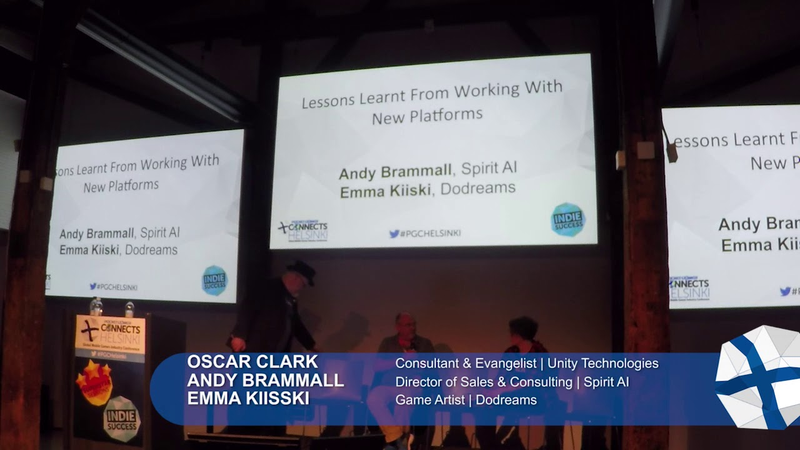
Lessons learnt from working with new platforms
Key insights
6 takeaways- 01Successful innovation on emerging platforms requires designing native mechanics rather than porting legacy systems, such as using mobile devices as physical controllers or integrating procedural dialogue.
- 02Rapid prototyping is essential to test design concepts against hardware limitations early in the production cycle, ensuring technical features enhance rather than overshadow the user experience.
- 03Technical ambition must be balanced with core gameplay quality, as the novelty of spatial computing tools like ARKit and ARCore cannot compensate for poor design.
- 04Early adoption of bleeding-edge technologies provides strategic advantages, including direct access to platform holders, increased market visibility, and the ability to define industry best practices.
- 05Development teams must maintain organizational agility and utilize flexible game engines to adapt to the high technical volatility and shifting hardware specifications inherent in new platforms.
- 06Fostering strong collaborative relationships with hardware manufacturers is critical for navigating evolving software toolsets and fluctuating technical requirements.
Ask AI about this video
Transcript
[Music] I mean we've talked a lot about trial and error we've talked a lot about learning lessons from data I think one of the things that also gets missed is when you ever you start looking for a new platform where all you start working on new tools the actual process itself I think changes you and I wanted to explore that a little bit so what I'll do is I'll let the guys introduce themselves so aunt Ayano say who you are and what you do after means everybody my name's auntie Bromell I've been working in games technology for over 15 years over the last seven which obviously unity working with this wonderful man just started working the new company spirit anyway so I've seen lots of
things so yeah hi I'm Emma and I'm from do dreams I'm a game artist and lately I've been working with a are mostly so we've been prototyping on a are so been working with some interesting stuff over there so could share some interesting cuz we're gonna coat you could have almost got diametric opposite the old Lagarde let's put on myself here and then we got your realistic kind of relatively fresh to kind of the the game space so I think this is what I think it's kind of key to it so I mean let's talk a bit about technologies you specifically been working with right now so and you're working with gonna this character AI kind of stuff talk about what that does yep you're um so say spirit AI is a startup company we've been running for about sort of two years or so and we have two products that we were working on which has specifically built on you know sort of a dynamic
language processing so you can look at we have one is a product called character engine which allows you to do procedurally generated dialogue for non-player characters and so that you can instead of having sort of pre-scripted conversations you would have with with NPCs in your game you can define input make pieces of information that the character the NPC is aware of and also their interact with the player themselves and then they can generate their own responses dynamically so if they like the character that then they can give them more information or if they dislike them then they can either with withhold information or just wait light of them which is quite fun but again it's a way in which you can get much more engagement with your characters we also have some other technology called alloy which is to deal with moderation of online games so either sort of in-game chat or going on forums and so on so both identifying either negative
behavior from character players or encouraging sort of positive behavior given that information back to Community Managers I find interesting about that is both of those have different use cases but they've they're asking you as a developer and a designer to do is change your preconceptions about the way the abstractions work and I think that lends that for a mindset change is an important lesson for people to sort of get their heads around I mean have you seen how it take up how do people generally address that process I think I've seen that we you know particularly like with with the character engine side of things that people have to understand the way in which that they can construct that information almost if you'd like experiment with some aspects of the design but it also means that you need to get that integrated so they're very early in the process as such so you know it's naturally sort of you know targeted either you know narrative storytelling or boar or boar again sort of RPGs that sort of type have activity but it does
mean that you have to it gives you a lot of flexibility about how you can you know deliver the story that you want to to beyond the experiences you want to the player but in a very constructive way so I sort of expand that into sort of the kind of the RNA our content so we're talking about invierno it's still relatively new but it is a different paradigm in terms of how you operates that sense of immersion particularly where they are and that sense of sort of presence in space that al gives you how does that change the way you think as a developer as a designer well first of all I think well I've been working on some different technologies like there's been tango from Google for example and the tags things that were before AR KITT so you basically have to have something on the floor all the time like a tag where you spawn stuff so I think there's just interesting stuff you
can do with with like controls and stuff like that since for example we've been working on golf application or golf game no it's a mini golf so you're basically using the device as the controller so you swing the device itself and not actually how like this basic you know twin stick or something like that controllers on the on the screen itself so I think there's a lot of interesting ways you can use like controls and I'm really not that kind of idea that you're you're kind of getting the opportunity because of the way that tech is working yeah to step back from the expectation of how we use this to in some ways it's a bit like kind of when we did the Move controller in the first place it kind of got our heads thinking about what could be done differently but now we're doing even more deeper into the world around us and even when it was the sort of markers on the on the ground or on the side you're still having this
kind of idea of the fixed position in space as in the real world and does that affect on the way that you kind of approach projects is there's more freedom because you've got this or does it introduce different constraints well we've had these like restrictions from for example like we want to grade I create something on our brand like we have this brand from before so we have a successful game called drive ahead and we want to create something that is basically on terms of that like it fits to the to the brand so [Music] sorry I'm being very fair cuz I'm I'm forgetting the order of questions I said I'd set but yeah I think that's really for me the kind of area that I find fascinating about any adoption of new technology because one of the things
that I think most challenging in many ways is that we have markets like mobile or an even steam where it gets very constrained and there's lots of competition and UK will think ok we'll go to the next platform we'll go to the next tool we'll find the next technology that will save us but I think my interest is just stuff that you're talking about she's not though oh that will save is instead it's oh look what this is now offers look what could we do what's the possibility and it sounds like what you're saying earlier is that saying this is a really important thing is the chance to think about the possibility right right so you have to kind of think about the creativity and and how you could because there's not much out there yet like the AR is pretty new in that sense that there's not too many games that use the the AR in a good way you you just have like a you use the camera and look around and there's something spawning and you tap on them so that's not really I thought I don't think that's really using the full capability of AR so I
think you should actually like think further and kind of use the creativity because there's a lot of creative to creativity in this industry so I think it is not showing its full potential just yet well I think if you like them there's several examples I think where you've had new hardware platforms they've been introduced some people have used made good use of either if they've got you know new controllers or new ways in which you can interact with things and other cases it's not worked very well because they've either not understood there or just basically taken any sort of existing game and not make use of specifically of the new features that's introduced with the platform I think you know sort of VR is a really sort of good example of that was that you know some some some other lot you know the early times on release on VR have been really you know extraordinary experiences in other cases that they've not taken into account the design aspects of you know the limitations of the hardware or motion sickness and type of thing we had terrible experiences for people playing the game so I'm intrigued attempts at you saying
that you use the device actually like as a golf club and yeah yeah so how do you get over like seeing how you strike the ball yeah I mean it's good if you've got a tablet and you start you know well we've got the con the club on the on the screen actually so you have this button where you toggle it on and off so whenever you're moving around and so you you wouldn't hit the ball accidentally okay we just activate it and then you can swing and then what's on you the boat yeah that's that's great because one of the things that you said earlier the early experiments are often I mix of the crazy yeah or the benign you've been answering the bernardo why would you we've been on is like how many how many of you've seen kind of like someone just tried to do like a space invaders or something in a in a vr it's just tedious and the pointless there's no actual value in having that game in that context and all the developers trying to do is just to could they make it yes cuz i'm getting it's not
something that jet demonstrates what the capacity of that platform is about and you know even in terms of things like using you nu AI to do things inside a game i think right you seem safe so I think this kind of difference from the genius of the banal yes I think so I think um we don't be I was a pretty sort of an easy example for that because I think and I remember seeing one game which again I won't mention what it is but they demonstrated the game like a develop in in Brighton and the head of quite a major studio in the UK played this game and had such violent motion sickness that yeah he fell over on the train on the way home I know the game there's other examples like like the one of my favorite examples so that would be like Lands End from whom from us to on gear VR didn't or player Lands End from us to know mean
I did yeah it's incredible going because it's it gets over to sort the issues about and motion sickness our navigating around inside the world it's because it's a very simple sort of teleportation game but it was that gives you because it makes use of no proper use of a VR headset and also just simple interactions that you can actually really get a very positive experience and playing the game I remember demonstrating the game to a collection of investment bankers here in the Helsinki and this is incredible they were like woman we've got power clothes on and high here was everything else on that and she started playing the game and one of the first things that you do is that you walk out on the top of a cliff and you could look down you could see all these sort of see girl was everything was so exciting around and she literally she was like reaching out hold on to something because she was feeling like almost like vertigo she was looking down all these things wouldn't had a very sort of strong impression upon her and so it's you know that's a
the design was implemented in such a way that it really made great use of the hardware and actually make the whole experience much better yeah talk to the guy that did that yesterday with he was saying it was they were looking at more as a come just to see what could they do in that space yes that strikes me a lot of the stuff that we've hidden hearing this afternoon's the same principle to say okay well we've got these tools what could we do with them I think attitude rather than their oh let's just chuck something that we already exist it is much more fit so that sounds like kind of what you do or you try to do yeah we're trying to of course I could to create something new that that hasn't been there yet since well there's not much to look at yet because it's it's so new so we've tried a couple of prototypes like for example with the tango technology we try to create a flying game called fly ahead what a surprise so yeah you you it would recognize the
walls and create collision so you would have a room where you could fly around and shoot down stuff but we found out that well it's not that easy to fly around when you're looking at the plane flying around over there and there in the room and you would still fly it as you would fly it be flying a first-person playing so yeah there's a team that do okay and the demo area doing a VR experience of the truck and we had loads of conversations about how do you control the truck because if you look ahead of the truck to kind of determine speed or direction then you're not looking at the truck so but if you're looking at the truck you kind of follow it and so you end up with this especially we're trying to do some of the earliest are thinking about cardboard type games thinking about control schemes at work in that limited context when they just don't map with the old ways of working is I can't
see my hands I can't do anything with my hands so I've got to find some other clever way to operate yeah but we never sort of things like that do you think you've picked up because I think these are these little kind of tit bits that you pick up this item so this is maybe the reason why I get to sit on stage a lot is because because I started doing mobile stuff before there was any really I got to sort of learn those at lessons that only comes from being there early it only comes from kind of testing out what was possible because we don't have the preconceptions you have did vote near the previous models to copy do you find that you're discovering paradigms covering rules that people should be learning about well I think you just think kind of need to think outside the box so like since there isn't that much out there yet so yeah it's a tough one
because I'd like to say it's often hard to put in words the the stuff that we've discovered but I mean you I mean you've just seen similar things in terms of you know sort of things do you think was the biggest challenge really when you're looking when you're dressing a new platform that yeah the people on on what from from a technical perspective or a design perspective or a design perspective okay so initially anyway I think again it's it's it's not doing the obvious is the way I would look at it in that if you have you know there's you know again you have to an understanding of if you like either you know how the control system would work in that situation or or you know any sort of you know feature specific aspects of the technology how you can get that to a point which is going to be sufficiently engrossing for it to be like the heart of your game as such and so you know it's one of the things I think that's interesting about the difference with with the AR applications for example is that you
don't have this sort of the standard problem about there's not enough Hardware out there that can run these these things in the first place where it's obviously brain these are all mobile devices that there's not you know billions of them out there already right so from a commercial perspective if your game is going to be successful then you've got a huge target market you could work with you know whereas that if you're looking normally they're like a console or or again like a headset well the limitations that you've got is there aren't that many of them out there yes okay I have one it's great I spend money on it and proper money on games for yes and I enjoy it but I don't pick it up every day it's again I think it's a case that you that's why you if your gameplay experiences is sufficiently engrossed in it is something you could look to play you know every day I think that um this comes back to sort of the same kind of ideas as right you obviously you're
doing a lot of stuff with ARB AR is a shifting beast as we know you know it's gone from these markers to now looking at things like a our kit and mango and how big a transition for you was it to go from know sort of markers to thinking about those sort of marvelous kind of experiences that change the way you worked a little bit yeah because there's no so there's so much more space and more possibility in there when you actually can put stuff anywhere and like who's actually gonna print out those tags like we can't we can't really like expect people to like print out things like that so there's so much more I think we can reach so much more people with with a arcade version of of things and what we want to add to the tech tech and the availability to to the devices is that it was kind of funny like tango is so so great as the technology it can like track motion and and you can really well
count all the other bumps and everything on there unlike real life surface but it's only on two devices at the moment like who's actually gonna gonna play your game when you're you only have it on two devices so there's not a big money inside the problem with that kind of fair the head-mounted to PC devices the scale isn't there right but that doesn't mean we don't think this is the way for I don't mean at the end of the day I mean you know general unity talks about this as you know we're looking at this as a long-term kind of experience and and obviously we talked a lot about brn a are here and there's a wider set of technologies and what in my mind is this this moving it's this rolling future whatever the platform is whether it's from an A or a I point of view or the the visual display point of view or whether it's from other some other other kind of technology in terms of background infrastructure whatever it might be if you're living on this bleeding edge of possibilities it's a
painful damaging process yeah how do you cope with it and how do you deal with it I think you have to have very smart people is the key to that and also an ability to deal with moving goal posts it's why I would look at it I always always remember a couple of things that we do like going back to you matter the PSP when that was released as such that that everybody has its own expectation about what it was going to be in between about a months before the thing shipped they cut the clock speed by 25% to save the battery life and so everybody's everybody's performance because whenever we know and so that ability to to deal with with you know something which is going to be evolving over a period of time is quite a difficult thing to deal with but I do feel that both hardware manufacturers understand that better in terms of getting better but a tooling that goes with it and and profilers and that type of thing and also that you
know with sort of third party engines like unity and other people are very good at you know helping overcome those sort of technical issues because it might in many cases that they are available you know either at the point of release of the platform or very soon after that so you look at things like you know with Nintendo with the switch I think nearly half the released titles they were out there all unity authors know so I can keep your chance but to get to get access to these things early on so I mean again it so do you find the experience yourself so you talked about only two tango devices are you do you get access to them do you you do you have the relationships with the do you have to have a lot of relationships with the people who are making those platforms those devices those technologies great well if you're early like out there and you start doing stuff like for example a arc it since they since Apple kind of said they would be doing this we already had been kind of talking with them earlier and of course they couldn't like say anything like okay we're gonna do a our next year so
we can already had that idea that okay they might be doing a are and we had that hunch so when they said they would be releasing a or kit later we already started doing stuff like okay what what could we do in terms of of AR and they actually it was like for a small company it's really valuable that you do that because then they will notice you and you have so much more possibilities to kind of send them your stuff and show what you're doing and they're actually interested and that's really valuable I think and that kind of support you'll get if you show commitment but again I think to this this point about there's a lot of pain on that process it sounds like you kind of got to hope that the the providers of the supporting technology or whether it's a unity or other other engines to exist so whatever that provider is it's got a hopefully knock the corners off the sharp edges
to make it a little easier for you to get their font fast enough but is there a comp is is there a balance between trying things out and waiting for the tech to catch up I think in some cases it's it does give you some really great opportunities if you're able to have to have that type of relationship with that you know you can give you exposure in a much higher level than you would expect I was thinking of them like the team that made can fan tastic contraption on bone on five no two person you know husband-and-wife team in that case and they were right on the age financially but I had this idea for the game they wanted to put together and they did that and that's you know both in terms of you know investment from you know from from HTC vive and also you know from it from a commercial perspective is one of the best-selling titles on the platform and let's cite them so what we're saying is that this might come with risk but it comes with a couple of really kind of powerful opportunities one is you're the first to market which helps but equally
you presumably the first to know what works and what doesn't work as well yes I think so I think it's it's you know that does give you an opportunity to do that but again come back to the sum of the potential I'll be which is it does you know give you an idea to sort of experiment with things from a design perspective but sometimes again if you can also turn on other issues there was a one of the sort of oculus projects that obviously involved even when I was at unity was was a being developed by the geyser Altman yeah and they had it was a VR experience about what it was like to be one of the refugees escaping from Syria trying to get over and into Greece and the title called we wait and this was a case that they had a very strict release day that was tied up with the BBC they were working with and they
developed all this on on dk2 hardware kits and they were looking to try and ship it on on the when they were releasing the the commercial hits and they didn't have one to test it on so I lent them whenever us that we had from our demo system and all the gamma on the on the displays was off so they had to redo all the lighting literally 24 hours before they shoot the game ouch that that redefines crunch we had that kind of experiences you know or it you you've had it a little bit and hopefully easier than that well for the mini-golf game I talked to you about we had two months to develop it in the beginning and at some point we got some new ideas that yeah we should change the game completely kind of creep never happened it's like you can expect the thing to change all the time so it's so
we ended up changing the arch style quite a bit in like quite late in the development so as an artist I think that's really like it's really stressful but if you really believe in something you want to put it out there you actually do it and then you just learn to cope with the stress with that sort of telling change was that based on on performance then or was it just thought trying to to get images that would be clear to use you know in the game in terms of what Wyman said that you decided to change the art style well we first of all like the game itself we kind of thought about it to be like a casual game for kind of everyone kind of like we sport style so we could get more people into it and stuff so at some point we realized we wanted to bring it more towards the brand of drive ahead so then we change it to drive ahead mini golf so that that kind of wasn't it was necessary to bring like drive ahead elements to that in that point so we
needed more assets like obstacles for for mini golf courses and and like other fun stuff that could be in there that made it more like cars and drive ahead at the particular art style that you had I'm assuming so that resume buddy added different constraints do they have any direct impact though on gameplay when you had to make that choice you know cuz just you know you might be just used to REE skinning at that stage or just the fact that you're using an AR game change the way you look at how you do that well we was kind of like more like a reskin rather than changing the gameplay at that point is enough going on I guess well we added like minds and stuff that actually affect your gameplay but I was thank you though is that kind of expected you have something like I obviously won't carry on I'm sure but I mean that's talk a little bit I can I'd the use of the AI side of things because
you know I'm particularly fascinated because I think when you start looking at the combination of particular VR in AI when you start having more natural conversations yeah with NPCs what does that do for storytelling quite a bit I think it's a case that there's there's enormous potential for looking and and also just trying to make the entire experience much more of a a believable one I think there's there's quite a lot of underlying technology that we can we need to make sure is going to be into place are things like you know speech the text in terms of being hours so you know how you keep how you would control in how you would generate dialogue with with characters is quite interesting but also how you can change the response of the characters in the game depending on you know sort of gestures and and health foul play you know if you're if you're moving you know very close to somebody that has a different sort of
psychological effect on that there's characters or suction so that's some of the things that we're starting to look at I think it's it's still very early days though I think yeah and it's rolling feast as well I imagine at some point we're gonna have like are we gonna use the webcam to be able to see someone's face are we gonna start having you know look at the way that we where we're looking and write and whether we're smiling or not and using those kind of pieces I remember when we were when I was at Sony and they were doing the original testing for until dawn which is originally going to be a move controller game alright they did a whole bunch of tests where they watch people's reaction every time there's a certain local effort you know when they're frightened they did something worse in the game and it was hilarious and you know watching these moments of people's fear and then having the game respond to it and they're doubling back on it was brilliant it was just amazing and when you start seeing those kind of experiments happening and the possibilities of that unlocks I could
tie it in and the game knows how to respond because I giving it a set of instructions and it knows within this framework to do these behaviors right that sounds to me narrative writers dream about do you think this there is this great potential there I think that the other side to that though is that one of the challenges from from again garb actually design perspective and from a narrative perspective is to make sure that you you know that you all still constructed in such a way that you still end up having a coherent story but also that that it does what you would expect you know the behaviors in the game to be as well I say so you still want to get those over those messages and such but it's you have to be very careful about how you to find the environments that you're working in and in particular I mean I love branching narrative but there's some writers that just can't adapt to it and it's interesting to see how many writers are
able to do the kind of stories that can I can use those kind of tools but even you could do that with with with really super simple games as well I mean the one I one of the games aren't always really to like and from that perspective from a narrative perspective he's 80 days it was that's it this beautiful game but also very simple game but you have you know you can get quite detailed information about the relationships between the characters and different storylines every time that you play it but that's still bright based on a sort of a branch narrative approach that's in - but it's an interesting narrative yes it's not entirely branching your branching is which route you should take as much as I ever yeah there are choices in each one but they don't always have a dramatic effect on the story yes it's almost like it's a location incident story yes arguably and I I love that different way of writing it yeah and to me this is sort of like what if I behave in a space and that not just
the character but the response to me but the events in the world respond to me mm-hmm that fact that literally has fascinated me for 30 years my very first pitch as a game developer right when I was 18 was proposing a game that would actually change the you know the behavior of the environment every time he had interacted with somebody it's bizarre I'd forgotten about it so I saw my my best man the other day reminding me and it's this this is something I think has been the dream for lots of people for a long long time I'll be there yeah are we just at another milestone together I think we are starting to approach the point where we can have that for the type of Tom things super so my team gave a talk about this then last week where and it was talking about to begin like the relationships be characters that you can have and all that can change and and so you know I I know several games that I've real favorites of mine so and I was like you know Red Dead Redemption like I'm a huge
you'll have a huge man crush on there John Marsden I always wanted to ask him what you know where does get Scalf Robin and all that type of thing and it's a beautiful very complex detailed character but you can't have a conversation with him it's all dealt with through through cut scripted cutscenes and scripted interactions but it always felt that even though he's a character I've really invested a lot of time in there were some of you things I would like to have asked know about it yes er er journey I mean well I think we've all accepted that we're not at the end goal yeah but do we think we're getting to a point where particularly where they are we've got a feasible platform you know do we think we're gonna see something this year that's going to get scale that means that more than just the innovators will start developing in that space well yeah I think there's a huge possibility with they are since we're getting more and more these high-end devices that people can play with and then obviously I we can hope for another kind
of be we sports kind of thing where like people who don't consider themselves as gamers kind of like start playing and think it's sake this is cool like a hobby you could do like playing on your it makes me wonder when do we think Pokemon go even though technically you'd probably could argue it's not really an AR game but did you think that changed people's consciousness about what AR was and how acceptable that was as an idea do you think it had an effect sorry what that Pokemon go go my feeling is it did but I've got to know what you think I think they brought awareness to like what AR is but my personally I think them the use of the camera in the game isn't really necessary and people don't really use it either so the only thing that is AR is basically the map that is like projected in real world and that's a location game because I think you with
with that and what I would say though is I think is the part that kind of media consciousness they've become aware of the idea of a are being images on over the real world and I think last year you know major effects through Pokemon but why won't worry about is when we start changing the terms all the time so there is something I re something XR is something fre some wow yeah are we are we are own worst enemies do you think I don't think so inventing acronyms for our stuff yeah yeah god no the games did receive we would forward for to it slings if he couldn't make up new names we have to have more acronyms yeah more XTL a I do actually worry because I think we've just managed to get you know people like you know the mainstream press to understand AR is a thing and we're already moving on and I you know where they are kit coming out with the
Google equivalent AOL core yeah yeah I was to get those think those technologies are basically here now I mean Oak we're more and in the devices people have already got and that to me whew I smell this is like a not a boom period but an opportunity to really establish what they are gaming could look like do you feel the same way yeah yeah and I think like if you think about people already using a are like snapchat and those kind of applications where you basically can track your face and add stuff on on it so and change your voice for example if you sending funny videos to your friends I think that that's like young people who are using that that's that kind of technology or applications they already know kind of the base of how it works so I think it's interesting if we can translate that to games somehow that we can bring those people who already know that stuff kind of to gaming and again that's what interesting cuz I I've seen
lots of people talking about doing games my favorite one with a are kit I've seen so far and it's not clever but it's it really was impressive to watch was basically a tower block building game and he built the tower block up but the tablet was on that table and I moved the phone round and the nicest thing was moving my phone into the tower block so I could see the little coffee shop I set up and then were serving coffee inside my tower block that was also and yet you know a lot of the air stuff is you know is when you're watching people walk running around the world there's an object at the ball coming at you and you're shooting or you're doing whatever else but I wonder if this like like you said the video selfie is is that is there a game in there as well I don't know I don't know there could be a game in there can you gamification happily carry on talking but if you have any questions a please shout I'll come over and get you involved but I mean what I'm
really trying to get to it this is something for real best to sort of think about it is this way is what is the real lesson where we're talking about here is it what would do it comes to a adopting new technology whether it's AI or VR or a rx or whatever new console whatever it might be what's the thing the lesson you think people should take away as to deal with adopting a rolling feast like that I think it's a case that they have to be flexible in terms of the way that we obviously have a good idea in terms of understanding you know something which is the specifics of where what the new technology is is is offering you in terms of as from a design perspective but also you know once you start to investigate and work with it IRA period of time and be aware of its limitations in this potential not being sore too too precious with your ideas so that you're gonna be prepared to change things you know either to accommodate you know
the hardware or performance issues or just whether it's fun to play is the key thing really I think the main thing is just to keep doing like prototype prototype prototype prototype see what works and what doesn't then kill them early you know I mean it's like two kind of ways of doing it I mean I think they kind of needs to happen in parallel which is what can you do with what you've got now I think something that we don't do enough of what what interesting things can we do with the tech that we know works but then knowing what might be coming how do we push that to do something something that no one else is doing it and really finding that balance between kind of being able to sort of focus on what's possible right now that will just work and what you can then move on to that balancing act I think is always the tension for me and I think you can pull that off that's when you you get the really delicious interesting
gameplay experiences because the end of the day like you said gameplay comes first yeah if it's dull people won't buy it on that note thank you very straight so thanks for that I hopefully you got something out that week [Applause] [Music] [Music]
Summary
Successful innovation in the gaming industry requires a fundamental shift in design philosophy when transitioning to emerging technologies such as augmented reality, virtual reality, and artificial intelligence. Rather than porting established mechanics to new hardware, developers must embrace the unique constraints and capabilities of these platforms. True progress emerges when creators abandon legacy paradigms in favor of novel control schemes, such as utilizing mobile devices as physical controllers or integrating procedural dialogue. Prioritizing these platform-specific interactions ensures that the final product feels native to the medium rather than a derivative experience.
Navigating the development of these bleeding-edge technologies involves significant technical volatility, characterized by shifting hardware specifications and evolving software toolsets. While these projects carry inherent risks and the potential for increased development pressure, early adoption provides strategic advantages, including direct access to platform holders, enhanced market visibility, and the opportunity to establish industry-wide best practices. Success in this high-stakes environment depends on maintaining organizational agility, utilizing flexible game engines, and fostering strong collaborative relationships with hardware manufacturers to adapt designs as technical requirements fluctuate.
Ultimately, the long-term viability of immersive narrative experiences hinges on balancing technical ambition with core gameplay quality. While tools like ARKit and ARCore have democratized access to sophisticated spatial computing, the novelty of the hardware cannot substitute for compelling design. Developers must prioritize rapid prototyping to test ideas against hardware limitations early in the production cycle. By focusing on responsive, character-driven worlds that remain engaging regardless of the underlying platform, creators can ensure that technical advancements serve the user experience rather than overshadowing it.


















Comments