1 free read left. Create a free account for unlimited reading + AI research.
Create free account
Lessons Learned: Gaming Startups & New Global Risks
Key insights
7 takeaways- 01Success now requires a dual-competency approach that integrates product development with sophisticated performance marketing and community growth strategies.
- 02High retention metrics are insufficient for success if they do not translate into long-term revenue potential, necessitating a clear distinction between niche appeal and commercial viability.
- 03Founders often fail by prioritizing analysis paralysis and minor metric optimization over addressing fundamental flaws in core gameplay and broad market appeal.
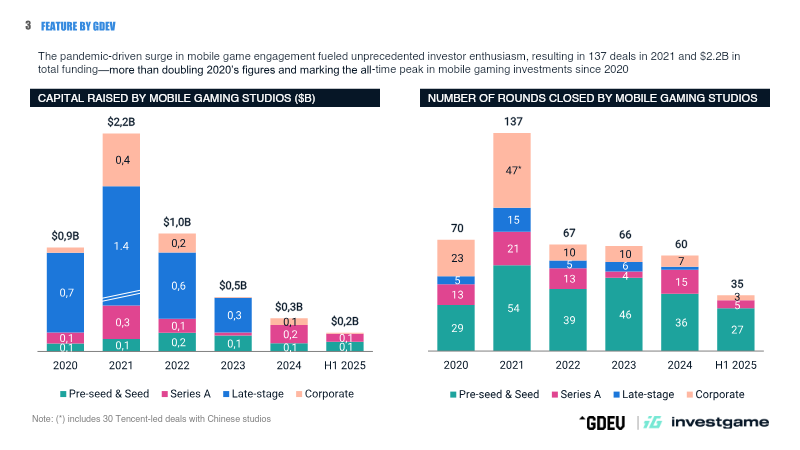
- 04Current investment trends favor bridging existing portfolio companies over funding new, unproven ventures, making adaptability and cross-platform growth essential for survival.
- 05The traditional mobile gaming model of high-quality product development followed by standard user acquisition is obsolete due to the deprecation of IDFA and shifting macroeconomic conditions.
- 06The industry is shifting toward 'blue ocean' opportunities that intersect gaming with sectors like mental wellness and lifestyle to achieve sustainability.
- 07Investors now prioritize operational resilience, requiring founders to demonstrate proficiency in managing global risks, financial compliance, and maintaining clean cap tables.
Ask AI about this video
Transcript
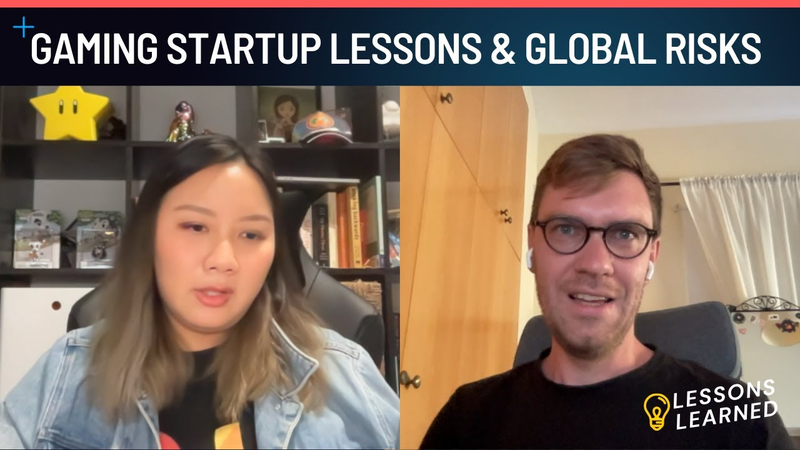
hello and welcome everybody today we have a real life story of Entrepreneurship and some of the challenges modern day startups can face with new geopolitical and global market dynamics so coming from wargaming Anton kulkovsky founded bulberry Studio Studio um a few years ago to build mid-core free-to-play mobile games and last year in a very difficult geopolitical environment bulberry was unable to raise a follow-on round of funding and also joining us today is Felicia Cove vice president from play Ventures one of the Premier early stage Venture Capital firms with a focus on gaming so the objective of our discussion today is to walk through Anton's Journey with his startup to hear about the lessons he learned and things he would do differently but we also want to get Felicia's advice on how she would have advised Anton and finally to talk about where are we today and moving forward in the current Dynamic and changing geopolitical environment what should
Anton do today to begin the Journey of starting another game studio if that's what you want to do Anton and what is the market like and what would it take for someone like Felicia to fund a new game Studio given all the changes and things happening in today's environment welcome Anton and Felicia so you know thank you I'm really excited to have this conversation today a huge fan of learning and retrospectives and so for the first part of the discussion I thought Anton we could start with you talking just about your story Felicia feel free to give feedback jump in and provide a little bit of additional color where you can but before we kind of dive into this stuff I was wondering uh Anton and Felicia do you want to talk briefly about your backgrounds and what what are you guys currently doing before we we kind of head into the main part of the conversation thank you today's episode is sponsored by datadot AI to access estimates rankings downloads Revenue usage or engagement for millions of apps on the App Store and Google Play sign up for data.ai
so hi everybody uh you know I joined gaming industry uh more than 10 years ago uh joined wargaming before that I was doing a little bit of you know Investment Banking and analytics research so at War gaming I was responsible for corporate development strategy investments for a good number of years and then I moved on to manage a like a large investment with my Aid into VR it was a allocation space you are big big project and I oversaw building World tanks VR within that uh and the product and direction and a couple years later I moved back to kind of muscle and War gaming doing uh mobile games so as a producer of internal ideas with external teams so I basically effectively kind of moved myself from a little bit of business background to more kind of product background and uh like close to three years ago I left wargaming and started my own studio
uh Uber Studio and had to close it down in December and now a couple of weeks ago I I joined a new and you venture that I will tell you a little bit about later so I'm Felicia I'm actually just been promoted to partner at play Avengers I was yeah I was employee number one thank you very much I was employee number one actually I joined Harry and Henrik uh back in 2018 when they first started the fund which was a 40 million dollar fund uh dueling doing early stage uh gaming Investments um since then the funds we have had grown um we now have about 320 mil in terms of assets under management but we still very much focus on the early stage of gaming so pre-seed is our usual sweet spot we can go up to series a Investments still investing into free to play uh We've also obviously invested into web 3 companies as well and what we call gaming Services which is really kind of like a catch-all a very badly named catch-all but for anything that's in and around gaming so that could be a
Tech that could be things like mod IO which does ugc for games um so a bunch of things I also LED an investment into an avatar tech company a few years ago which has been acquired so it's a very very diverse group um but yeah we're I'm based in Singapore we invest globally from India to Indiana the only territory we don't invest in is China um and yeah really really excited to be here and chatting with Anton I think it's a great story we need to you know talk more about this kind of retrospectives as well right Anton so it'd be great to hear your story maybe you could start by talking about bullberry how did it start what was sort of the strategy or intention behind the studio right so it started when I was back at War gaming producing like an internal ideas with external team so one of the team happened to be led by uh my ex-collet from war gaming Galaxy Unity you know each other for many years uh
you had like a development team on Outsource basically right so we were doing a lot of research but then cover it happened uh to all of us in early 2020 and wargaming decided to simultaneously because they decided to shut down a lot of initiatives internally just to you know become kind of leaner let's say and uh so a lot of my projects were shut down too and I decided it's a good and a perfect storm opportunity to try something new so I enjoying that team that we were working in externally I joined them uh full-time we formed a new Venture which became Wilbur shooter it was around like May 2020 and uh we had some kind of role prototypes and one of that we developed a little bit further uh it was around the idea most of the concepts were around the ideas of skill based games and when I say skill it means like uh
games like Clash Royale or like shooter games where you know gamer skill uh means something versus you know meta games where it's it's more around kind of progression through you know construction or something like that right or pay let's say and so we were keen on on skill based games and uh in the people in the team who were like many many years players of Starcraft and League of Legends right and and so one of the ideas that we saw was very perspective was kind of RTS Style game right so we took that game we polished it a little bit as a prototype and we we went fundraising we actually talked to play Majesty my new Harry from his times when he was running his own startup and I was at war game in corporate you know developing team investing in so very tight relations um Harry gave a lot of good feedback uh but it was too early for uh for
clearances of time anyway we uh we were like six people at the time we you know talked to many many fans but eventually uh what clicked was my game's going to Capital I think uh before uh for the reasons of you know we talked the same language you know they understand the culture they were more I think in a favorable to to our circumstances and gave a little bit more more belief into us let's say right um so the idea of the game was this the division was hey we reinvent uh real-time strategy games for mobile and you know the usual uh the usual let's say uh explanation of what the game is is like Clash Royale makes total war Arena or Total War series which I which I hate to kind of do those mixings of you know games and genres to explain what I do because I think uh when you lose the game it's the game in itself
but anyways it was Clash Royale mix Total War arena in the sense that you have you know card based kind of meta but then on the core gameplay you have those uh kind of a little bit larger uh squats of troops and you you fight in the PVP skill based online uh synchronous battle with direct control over over those troops and those there is that RTS elements where you you tell them hey go there fight this you know make a flank maneuver uh and so there's a lot of kind of second to Second tactics uh which piles into like a you know three minute strategy kind of match right right maybe I could just stop you there for a second and and maybe kind of Shifting back to you Felicia so there's a studio here they've worked together before worked for a larger organization working that has had success um but there's six guys and looks like the approach they took was working on a bunch of prototypes until they found one that they had a sort of belief in in
Felicia when you look at a team whether it's back then and maybe you were aware of Anton's presentation at the time and and for this kind of a team kind of starting off getting started uh six people with a prototype how would you if evaluate um this kind of a team or what would you be looking for um if if Anton were to approach you today six people with a prototype in this kind of like idea for for the kind of kind of game that Anton just described I mean I I think the the way we look at things now versus how we would have looked at it again is a little bit different I think there's there's little things that we we would like right so the stuff that you said you know you guys have worked together that's always a plus Point that's de-risking I think from a BC point of view it's always like thinking okay what are all the risks here and which parts are de-risked and the more de-risk it is the better it is right so it's better for the company as
well because you can you can also come out of the higher valuation so great the the team has worked together I mean it sounds like pretty uh intriguing interesting uh concept where you have that RTS elements the core to it uh with the the the the card hero meta um so that sounds interesting could be an interesting opportunity I think how we differ and how we look at opportunities now um in this climate is is a few things um you know after idfa and everything for mobile free to play we just see a lot of teams even with great games even with like objectively you know if you talk about 2020 2021 like objectively really good metrics still struggle to scale um and you know you could still say like yeah you can probably find a way to do Performance Marketing at scale and that's true but it's less straightforward I think in the past there was this sentiment of and I think we shared in that sentiment if you created a great game there was a known Playbook of things with great certainty that you could execute
and you know it's a matter of spending optimizing and you could probably scale your Performance Marketing to get the user base so that's less certain now so whereas now we in the past we would say Hey you know you don't have a marketer on a team you don't have somebody who knows that that's okay you could probably hire for that right let's figure out the game first let's make sure it's fun now you know the way we would think it is well okay this team knows product thus this team also have that Swiss army knife somebody who also understands Performance Marketing or you know or ideally and or a very kind of go to market driven founder who really understands that and it's really hyper focused on that because there are things that you can do on the paid UA front but there are also probably now a bunch of levers that you have to pull in all in order to scale a game um and nobody has well very few teams right now the good news is very few teams you don't have the answer to it so I can't tell you how many times we went
to GDC this year and everybody was like we're going to use influencers um and they're like great like the other 50 companies I talked to and like maybe out of all of them only one team has like or two teams have actually done even small experiments at small scale right that like are actually like okay that sounds like something that you could use a repeat scale but like it also shows me that you're thinking out at the Box you're like a modern day gross hacker if you will I hate that title but right if you will um somebody like that so I think if you look for that composition as well of somebody who's thought about the go to market rather than okay let's just only focus on the game and then you know repeatable playable Playbook that we can execute when time comes not just product expertise but you're looking for growth expertise or Performance Marketing based expertise in today's yeah yeah and I think so some teams have a you know have different approaches to it we've seen teams where they they literally have their own in-house influencer as a founder and they pair
that with a really strong Dev team right remains to be seen whether that creates super scalable impact I think obviously it gives them a leg up at the start um some people hire for what we call Community growth leads um and these are kind of people who focus on growing community in whatever ways and different tactics it's not just kind of being a community manager that's not what this role is about so different ways of approaching it I wouldn't say there's like a hundred percent known playbook for Success even in team composition all right back to our story Anton so you talked to uh yeah my games you got an initial round of funding was it like a just just for the audience to understand was it a typical sort of venture investment type of relationship or was it a investment plus publishing relationship or could you go into a little bit more detail in terms of like the structure yeah sure I think it's not it's not a secret um so my game Century Capital at least
used to work I know they changed the approach a little bit but they used to work in a way that they provide the Venture funding at the initial C drunk of a distant size let's say um and also uh strike an option called agreement with you basically uh they having the right to buy out up to 51 right and they control kind of the board in a way to kind of uh you know to maintain diligence Etc uh so is it like a typical deal which involved a lot of there are also incentives for the founders uh to grow the company uh uh to basically when they buy out this you know up to 51 everybody's everybody's incentivized and happy um yeah and and the thesis they invested under was that uh kind of let's um investigate whether uh RTS gained on mobile is a viable option because like
at the time you know strategy segment was stagnant and that was also part of our kind of finding when we had like Market when we are doing market research and trying to kind of form our thesis hey is there a lot of kind of great games they yes they they dominate the market like Clash Royale Clash of Clans and then there are a lot of kind of Forex games with heavy construction loops and heavy modulation kind of elements but there is nothing new right there is nothing new that sticks so why so right like when we saw certain hints that there are games like uh dawn of Titans which kind of shut down around that time but had a very strong uh user base and then relatively well kind of monetized uh and and other games were trying to do more you know RTS kind of mechanics in the core gameplay and so I thought hey why don't we do this like we um we love Total War in the series I you know we love let's show you out and in supercell games we know a lot about kind
of skill based gaming and PVP uh why don't we try to do this and so we pitched to my games and and they you know there was alignment in in interest and I think this is the most important thing when you try to find race uh or when you're successful at fundraising it's it's when you click with you know your thesis or your vision clicks with assistance of of the investor and then a lot of kind of red flags or yellow flags are really kind of could be mitigated in a way um and so basically I gotta to keep on telling the story the timeline uh we raised it was like the fall of the fall and winter of 2020 we when we sign and got the money we threw away the Prototype it was like Unity Scrappy kind of thing uh we threw a lot there's really a lot of content because it was you know low quality um and you know we we threw away the technology
because we had to decide what technology do we use and so we decided we're going to use Photon Quantum which is the cool cool engine for you know PVP games recommend highly recommend and um and our team in three months basically we wrote everything most everything from scratch um and that really done a new content we've done new new you know ux UI we've done you know this PVP technology and we had the kind of the core of the game we tested it on the market right now like in in Spring 2020 one and we had like good Redemption metrics to like to the quote of the product it was you know uh well above 20 percent like close to 25 I think uh D1 okay yeah do you want retention it was like you know very quick like vertical Slice on a good technology
let's say a good technology basis like versus the Prototype and so we started kind of building upon that and 2021 we spent building you know those four building blocks of you know for gameplay you know meta systems like uh and also the you know the building blocks of the team you know hiring people for for doing this you know gradually greatly I won't you know delve into the details but up like close to the end of 2021 we were like 15 people uh we had you know content up to you know day 30 for sure uh and we had like one basic monetization we had you know battle pass you know quests uh basic leaderboard uh we we didn't have anything for the date day 30 plus like cleanse and you know complex tournaments uh chat all those kind of things so complex monetization in in a way like offers work right these days like based on user behavior and
cohorts Etc but we had like the from from users we tested on uh you know monetization campaigns we had like relatively good retention more on a kind of low side of what we wanted to do and so we like will focusing a lot on hey what shall we do now to uh to to basically level up the game you know five five to ten percent more uh to squeeze everything we can out of you know out of the audience in in retention in the retention uh um context okay and and I mean sorry sorry just uh just to stop you a bit there so when so you went from six to Fifteen you're working on the game launching you you sounds like you launched fairly quickly just to get initial metrics uh 30 days of content and then you were primarily at that time focusing then on retention and were you focusing on D1 or a specific were you
focused on a specific like DX retention or was it mainly D1 or just overall and how did you like we were looking on day one day seven and day 14 you know progressively like in March it would only be one then next time we tested in September it was day seven and then October we it was day 14 and uh November we launched monetization tests and uh it was already day 30. so it closed close to to autumn and winter things started to develop really quickly um because we built a lot of foundations for you know for Technologies and then you know all the things that I do kind of come together but we still have the problem with the day one retention and um the conversion from basically install to you know tutorial complete let's say right okay so you're looking at sorry to
keep it updated just for the audience just because there's a lot of people who who are kind of going through this issue now and um also what would be great if we could get you to jump in please real quick but so when you so when you are soft launched and you were focusing on D1 retention and then from there your focus was how do we get D1 retention from say like you initially started with say 20 25 you were trying to add an additional five percent to that and then you are also trying to figure out how to optimize your your fatui your tutorial to just get that for two week completion percentage to as high as possible and maybe going over to you Felicia for the typical startup gaming startup that you work with is this a typical approach or are there other things that you would recommend to founding teams in terms of in soft launch like a focus or things that they should be talking about but you know oftentimes you know a lot of
teams do focus on retention first uh what are your current thoughts I mean I I would agree that we still we still you know look at teams that focus on that day one day three retention um you know if you can have a more built out curve day seven and things like that that's great but I mean at the very least that day one needs to be kind of fixed um because everything else after that is kind of like a little bit more challenging if you don't get that right um I think there's there's so there's the business of the making games itself and then the business of building a business which is where I want to kind of ask a ton of questions so if I if I understood correctly um so so they had they are your investors basically had an option to buy 51 of the company to get as part of their seed funding deal yeah was that the terms that was right okay so so yeah I guess that was how they probably used to operate I don't know if that's how they currently operate but like from a VC perspective
at least for most I think VCS in in the western world or or yeah it's quite difficult to look at such a deal because you essentially have somebody on the table on the cap table with the option to buy a majority Equity stake um and and it probably has terms that option to buy at a certain multiple on maybe revenue or something like that I I don't remember I don't know what the details are but that that kind of essentially is something for us which is a bit of a concern where it's it's kind of a flag because you're kind of kept on the upside of where the company could go so the company does really well I guess they won't bite you yeah yeah I understand I agree but at the time um you know things were going kind of as planned let's say so like we were not raising really we had a good partner and and my games uh going to Capital was really helpful so they have the team of the producer of game designer so there
was a lot of synergies and and close work like week to week in in trying to kind of help us and and we you know provided value back to them and our feedback on other projects so it's it's the community uh in a way so everything was going kind of according to the plan they were like you know first signals of you know certain difficulties in a sense that we were uh not getting the certain metrics that we expected in terms of retention sure um sure and like there was a lot of you know discussion and huddling and trying to understand what like why and what shall we do and you know a b testing but again if you're a startup and you own a deadlines you know certain milestones and plans that you invest expect freely from you and you kind of you know uh kind of enforce yourself to to to kind of keep right it's it's it's so hard to do those a b tests and make quick decisions because it everything takes time and if you're making a PVP game an
Online PVP game where there are so many uh so many uh hypothesis why things don't work well maybe it's because we have like a weak AI in bots of boring or it's because you know PVP is not working you know it's because you know and we need a lot of you know online concurrency or it's because you know we're just missing you know we are three by testing in in Russia initially in the UK and then Brazil maybe just missing our you know audience or maybe like our creatives you know are not right you know and and we are not we were using Facebook maybe we should test on Google because everything matters like Google gives you different audience on Facebook right and so and every kind of question and answer to those questions um they take time and when you're a startup it's so important that you have somebody you know by your side and this is where you know certain High skilled VCS are
important and they're pretty valuable they can help you navigate hey guys dude just focus on tests you know this is the root cause that we saw like 100 other students and assault or you know talk about right um yeah yeah and and Anton maybe I have a I have a question for it like like while you were while you were working on you know bringing up day one it sounds like you guys knew that one of the areas was that install to FTE in completion um and obviously you know you're probably in discussions about your roadmap and the Milestones was there ever a discussion about like hey what is the how do we know if like we are succeeding in bringing up the retention like is there a benchmark that we're trying to meet is there a deadline by which time we say like okay look from a Runway perspective we had so many much funds right and and like like you say game making is hard right so it's unfortunately in the first game sometimes it's not not the one that works out so were there conversations around you know internally with just the
founders and the team and as well as you're with uh with my games about okay this is one we're gonna call it a day because we've sunk a lot of time into this and maybe we need to go back to draw important and maybe start something new that's a really good question and I think you are you know jumping a little bit into kind of conclusions and the lessons I learned um but but it's okay I think I think this is this was a really important lesson to me that um I was like well we as a team and me specifically I was really over optimistic in a way and overconfident that you know this is the scene we should do it you know we'll be going to be successful and so you know my my advice or my my uh my finding is that you have to find that fine line between being confident and and being just wrong you know uh and not seen and not understanding and not hearing other people saying you hey or
metrics telling you that hey you know you know just go back you know go to the drawing board right and so I think there were kind of there was time that we could have done that and we didn't right yeah and maybe I could just kind of jump in here just to follow follow up on a few few threads uh that that we had already discussed but going back to your point Felicia um I do think when it comes to like the corporate investment and I know this was kind of this approach was popularized uh here in Silicon Valley you know back back even the days it's like Cisco in the 1990s right where uh you know like these companies basically the the perspective is we can't do internal r d very well so we're going to try to create programs to fund outside Studios but then have a you know kind of like a path to acquisition but then I think uh to your point Felicia I think the one thing that teams like yours Anton maybe just as a retrospective should then
understand is to the point of okay well if you do that kind of deal then the danger is that other VCS would view that as having potentially limited upside but at the same time in that scenario I I do think to your point Anton you know my games may bring a wealth of experience other games Network expertise but then you would also want to make sure that they would then be like how much commitment do they have if things if if trouble hits to continue to invest and and and you know invest and kind of bet on the company longer term um so so I thought that was a good point that you brought up Felicia but then now going back to this question of of where you you know how you kind of started in soft launch and maybe just like if I could actually get you to go into a little bit more of the specific thinking process behind okay you know D1 retention and fatoui completion Anton you had mentioned you
had a number of hypotheses on on how you can get raise that but could you actually walk us through so then you're sitting here with maybe you know call it 25 D1 retention and then what specific processor what what was the approach you took to to try to figure out okay we're trying to raise D1 and retention we're trying to increase you know tutorial completion from say you know whatever it is 55 to 65 percent how did you guys come up with the different initiatives or things to try or what was that approach if you can go into a little bit more detail Anton sure it's a good question uh but just just to mention we actually internally never called what we've done a soft lunch we called that okay a series of tests okay because there is like a more more or less clear notion of what is a subfunction industry so it's basically where you try to get your monetization done and and when you kind of launch in a little bit of in a number
of markets let's say right so and we launched on only on you know two countries basically initially uh in a very limited scope of Google Play open data um and so there was no Organics really super very very tiny and and we've just pushed like a you know a thousand people thousand installs you know this month and then you know two thousand installs next month so like it's limited tests and actually I think I'm I'm I'm yet not sure whether that was a the right approach in the sense that when I came back when I came to investors like you know six months later still not in the soft lunch really saying hey I need you know money to run the soft lunch now and you know we are about to go there and you know the investors are asking and partners are asking like do you have any metrics from any tests I'm saying yeah I have I do and I'm showing them and this is like a zoo of metrics from different periods
from different cohorts from different countries from different product Scopes and it's not beautiful you know they're not good but the game looks like it's a done game it's like a complete game and so the the impression that um that's that's the investor has is like well those guys tried everything and they you know they failed already why why do they need a soft light so it's a little bit of a trap of kinda yeah a trap I think but uh but anyway going back to your question which is a good question like how do you how do you understand and work with the hypothesis you know we had two approaches our initial approach for a very long time was a continuous Improvement of small stuff hey guys you know we have a lot of um crushes for example right we had at some point in time it had four percent crushes uh of unity and hypothesis was hey you know this
kind of drops attention a lot at some point in time you had just problems with the performance because FPS was you know you know falling down up to like 15 FPS you know 20 FPS from 30. so a lot of playing spikes back and forth and so the the hypothesis was hey you know people are not kind of tolerating this kind of you know bad performance and so we were solving that problem that problems that problem right or like improving just the overall kind of flow and quality of the tutorial uh you know add in certain Windows you know policing eventually what we what we found out and what we saw was it doesn't it doesn't change it is not changing anything nothing was changing like uh we were changing also we were playing a lot with the length of the tutorial and the complexity tutorial because there's a lot of debate in the industry in the students you know one side is is telling you hey
you know make the tutorials skippable you know and and don't over explain to people you know everybody knows how to play they are just you're irritated by this because it's a skill based game it's a mid-core gaming right but the other side it tells and and the numbers actually tell that no you should explain you should go step by step gradually and you know tail it to everybody and this approach actually works better but what I found kind of as a general trend is that the conversion to uh uh to basically then like the first battle or something right is directly tied to the to the time and so if you have like a one minute tutorial then versus three minute tutorial so the one minute tutorial will perform much better just because it's only one minute and people still have attention span this is that simple um and so for us basically actually mustn't worked really to improve the conversion what we found out
eventually and what we didn't really do uh like we never asked ourselves really deeply whether our metrics are good or bad so we were focusing on just improving what we got so we had like around 70 75 conversion to first battle and we thought well why don't we do it like 80 to 85 can we do it let's do it versus it actually like doesn't matter it's maybe it's a good petrol for the from the for the for the genre or for the sub-genre or just for your game right I think this is very important to understand because you can have really really you know load day one retention and you know conversion to first battle but then everybody who converted stays forever right it and then you have your unique unit economics Etc so you don't have to be super focused on improving unless you 100 sure that you need Improvement I think this is also a lesson for us yeah Anton I I think to your point there there have been a couple of games that
I've worked on before where the D1 retention was relatively like 25 and people are ringing their hands but the the tricky part is some of these games actually may have lower D1 but because they have such strong d365 you know you have long-term Revenue stacking over time and then those games become profitable but who can wait that long you know you know I mean to to wait for them so like you really gotta the other thing I would have recommended is just watching your RP curve and not just you know because it's it's that balance between retention and monetization and so so if you continue to see rpu increasing that that could be an argument whether it's to your investors or you know your corporate sponsors that hey you know we are seeing Improvement so um I I totally understand that the initial focus on retention I agree that that should be initial Focus but I I do recommend other teams who might be watching just also keep a track on where your RP curve is is going and watch that
very closely because you never know like some of these games just have different Dynamics relative to you know what what people would typically expect how a game to perform yeah I think you brought up something as well um in the earlier part of your story where you were talking about how you went to investors and you know you had metrics but from very very small cohorts right um and like very like all over the place in terms of timing and I think that's something that we often see with teams as well um especially when they come and I think the challenge is if like you come and we we ask you about so how big is this cohort because obviously it's great if you're a data retention it's like 60 but not really great if your daily cohort's like 100 installs it's not very meaningful and I think that's the problem like you you know if if if if there are people out there listening and thinking about like I'm gonna do my tests like really you need a meaningful size of cohorts like you know 500 installs a day
um if those metrics are really going to move the needle with any conversation right um if you have like a hundred installs a day in the daily course it's just it's nice but it's it's like I can't really extrapolate anything from this so right and it doesn't really help Felicia maybe to to add on to your point because I totally agree with you that the one other thing that I I would recommend to like game teams is not to try to fool themselves right and so sometimes you'll run a bunch of tests and it's like oh yeah this specific cohort on iOS in the U.S or and yeah you can like try to like um selectively pick certain cohorts certain tests to try and make it seem like you're doing better than than you are so I I think there's like this balance between not to be overly negative where it's just like ah you know uh we can't be successful just because this just because other games have better metrics but also on the other side and I think this is
especially a problem with bigger companies where they try to like oh you know what is uh what is some higher up gonna say so let's let's just kind of like fool ourselves and fool them or just present it create a narrative and then that's also equally destructive so yeah this is this is definitely a tricky part I think Anton the the experience that you're relating this is one of the the most difficult parts of getting game games to be successful right is like navigating this first part coming up with a specific hypotheses and and I do think that's an area where I I would hope more game teams like reach out to other people to get advice but also to have strong conviction internally like you know and not to take too many small swings because it sounds like some of the things that you were you guys were trying a lot of things whether it's uh tutorial completion and other things it wasn't quite moving the needle and then in that case you know I I think one of the things that some especially like you know and I don't want to call out specific companies but there are certain
companies that come from like these data-driven type of cultures or or companies where they're doing all these little tiny small things okay well we're gonna move the button over here or we're gonna change you know we're gonna go from 17 to 15 tutorial steps but it's like well if you're not moving the metrics you gotta you know you gotta go big right and so I think that's actually the other approach that we eventually kind of came to to realizing that we should should have done that that the problem is in the in the core gameplay and and by all I realized that only in late 2022 when everything was kind of already in a negative tone uh in a sense um but yeah if if something doesn't work change something boldly like it doesn't have to be like a pivot of you know I'm making a strategy game and dividing into like an idler no it's still going to be a strategy game but something doesn't work and this is
and this is kind of again the lesson or the finding but we made a great great game like everybody in the team loved it we played it you know a lot of feedback and you are kinda stuck in that well if this is such a good game why like the retention is is it's not moving in a way uh we need and the question is is simple it's because it's a good game just for this amount of people that's it and it's like a true and you have to be really honest about it and and and so if you keep doing this good game for this amount of people you'll have bad business and so this is one of the you know I think biggest reasons you know we we couldn't succeed is we we built a really good game really good game you know a lot of people are still playing it and actually paying it it's still up and running but we couldn't build we couldn't be we couldn't build a
good business out of it because it's just a good game for this amount of people and and when I realized this I found certain kind of comfort in um and that it's okay you know um so Anton in terms of like is so it kind of sounds you're kind of talking about the game in terms of like it sounds like with finality like oh it only has this amount of audience but if you were to think about that time what do you think there was anything you could have done uh whether it's going for something older or any in terms of the approach or maybe a different person you could have hired in with a little bit more expertise or like if you were to go back and think about the the thing that you could have changed to make to potentially change the outcome of what happened do you think that like what what would you say that is if anything yeah I think I think we should we should
have hired somebody kind of with a different perspective yeah okay because what you tend to fall into when you develop a game that you like and you love for a long time and in a year even it's a long time already you you start you start to be you're blind certain things you're like you just don't understand and you you get into this analysis paralysis and frustration of but this is good like why does why doesn't it work right and so I mean even like as a leader like I'm I'm talking about you know my personal kind of perspective I also heard this from my team members it's like we all of us are really experienced we understand our game and send other games it should it should work like we get we're getting feedback uh we're implementing positive feedback and we see positive impact in terms of you know uh feedback again but and we are frustrated and so what you should do at this point in time is just get somebody in the team just get fresh blood I think
and and like a very you know High Caliber let's say right and whatever it means like the person you can trust I think this is what means for me right so that you can take this feedback and actually do something different and so what we should have done is hire somebody and with the help of that person change the core gameplay in a meaningful way in like in a really meaningful way and then make a really clear a B test and yeah I think this is one of the most important things and we should we should we should have stopped doing anything else really Beyond like maybe building the core you know poor technical kind of stuff that should be done in many ways but but we've been doing you know we've been improving battle pass we've been like improving you know uh certain kind of gameplay elements like this Archer should you know should be firing with three arrows at a time now instead of one and we're like let's let's introduce you
know perks uh like abilities uh grades so that they you know also saying that that before you have correct the the kind of the DNA of what what works uh that's meaningless it's basically you should burn the money it will be better you guys were getting into the weeds there and I mean like I think you know one thing is like if the team and like we have you know I think I'd say we have like 60 70 unique companies now so I'm not gonna sit here and pretend that every team every team's game is a hit game right after decades I mean I think your experience is more more common um than talked about um and you know sometimes the team's able to be that person for themselves um and oftentimes also like us as investors or us as board members are kind of that person for them where
we're like okay let's commit let's do do these changes that you wanted to try um let's see where that gets you um and if it doesn't get you to where you want to be then let's have a serious conversation honest conversation about what do we do now right and sometimes let's say let's go back to the drawing board um let's change the core mechanic because obviously it's not working um and we'll say great because that's a decision that's moving on that's thinking about the company Long Term and how you end the game is also how you start a new game and sometimes that's having a ending that on a positive note as opposed to something dragging on people kind of becoming more frustrated like why is this not working it's good sometimes you just need to start fresh um yeah yeah I think this is kind of the notion of what is the biggest fire right and I do think that in my experience it's it's like and based upon my experience like when I worked on this game King Of Avalon which wound up being pretty very successful but like there were a hundred fires
but I think the thing that we did right is we understood we can have 98 things go wrong but let's the one or two things that have to be right let's get those right um and so and I also think it's kind of psychological too it's because when you have a hundred fires you're like oh well I know I can work on this and I know it can get better and here's this other little thing over here I know if we do that that can get better and there's almost like this fear of but there's this huge fire that's Burning Down The House That one's scary so I'm just gonna work on these other things and not address the thing that's burning the house down right and so I do feel like that's something where and I'm not saying that was your situation Anton but that's a situation that I've seen often before in other game teams it's like yeah let's let's get to the biggest fire and this so so one part is identifying what that fire actually is and then putting all your resources on that so somebody I knew once called it card tricks in the dark where you get so fixated on doing the card tricks and the darkness really speaking but you're just
really obsessed with it and they'll tell you too but it's not it's not the main fire as you say right and so Anton maybe going back okay so going back to the story um what what happened from there so basically it was the like end of 2021 we were like on a relatively well passive you know experimenting uh you know trying to improve this and that and uh we went on the kind of second round of fundraising we were going to go but um our partner my game changer Capital basically uh helped us really quickly to find the social funding for the kind of follow-up round for kind of the next year right um and so we were like super happy everyone ever since then I've had the money for the next year and we we had it like a team meet up we tried to talk about those problems we decided we we actually go back to the core gameplay
um and try to understand you know what's really working what not how to actually improve it and actually at the time we decided to work on the on the on the tutorial on the onboarding and so that was a mistake but the core gameplay was the right thing to do uh and so we started doing this uh trying to close the con the second round and then the war started and it started for us uh Ukraine Russia is what you're referring to yeah yeah the roster basically invaded Ukraine and it was it was terrible it was uh because I'm like the team is distributed right was distributed you know I came from Belarus my partner came uh came from Russia uh we have team in Russia in Belarus um uh we have ukrainians in the team and um and so when we you know waking up in
the morning and you know our friends are there and keep in hierarchive and relatives actually also right and it was devastating but um let's just set it aside business-wise uh on on the on the eve of the of this day 23rd of February uh I got the contract to sign the final contract to sign to get the money to get the financing and I I didn't sign because I was just busy and I thought I'll sign tomorrow I was I was busy with something and and we are waking up next day and it's War right and so and we actually I was so happy I didn't sign because the money eventually proved to be really toxic coming from Russia and so if you sign that would would have been kind of even more difficult to kind of solve
this kind of corporate situation so within sign uh and started to basically fight for the future of the company uh and the team and many months it was just trying to work with psychological kind of you know stabilizing people helping them you know trying to wire them money because everything stopped working in Belarus and and Russia and uh people are kind of running out of mind how do you how do you actually can I give it to them nothing works so we're working with Krypton and stuff and uh and trying to develop the product right and trying to understand so what shall we do next because we have like x x months in the of the money in the bank and it's it's quick to it quickly running out uh running out yeah and so so we quickly pitched to certain investors and we understand that you know with uh within the current climate we couldn't Trace because my games was associated with uh
with VK which is like sanction company and uh like like the company my game's a company is like totally perfect like it's just a business it's great people right but because they're associated with you know this capital you know nobody really does business with you and it makes sense I totally understand I actually embrace that uh and so we talked through this with my game search Capital we find that find out the way to kind of rearrange the investment uh to basically try to raise um uh try to make the company investable basically the race uh on the on the market it was a hard negotiation it was a lot of paperwork it took like six months really um but we found a way to kind of structure it in a meaningful way and to a point uh if you make sure when you're saying like the the company owns
the investor owns 61 in an option it doesn't make sense for anybody else to come totally and and so we rearrange that to make kind of the company investable uh but and we hoped also that you know the war will will start to kind of solve out somehow like everybody hope that it will end and and everything kind of stabilizes closer to end of the year but basically when I found myself in in September with a company that is structured in a way that could be could get money from investors the war is going on right and everything is getting worse and worse and worse and the macro situation is going worse right and I'm talking to investors and everybody's just freaking out because you know uh ATT how to buy traffic you know money is becoming expensive because of inflation you know we we still have people in Russia in Belarus because we don't have money to relocate them really
uh and we spent the last money trying to kind of help our team go out of Russia because of mobilization right [Music] um such such a a Black Swan right such a big problem you have to solve because of this and you still have to think about the product and then try to develop it out so that was like on one side it was like a heroic did in a way we kept the team we we tried to kind of you know help everybody they try to develop the game we try to race we try to restructure but eventually you know all of that failed because we when we've done all of that and try try to fundraise we found that you know we were you know like
we couldn't do it basically for many reasons and we were so busy you know we're so busy trying to solve all those problems that we you know missed that you know we don't have the game that is you know uh Rock Solid all right and that we probably should do something you know different that we probably should lunch it globally earlier that we should probably maybe you know get it you know do something else with the game and not try to solve those problems because solving those problems doesn't lead you don't lead you to to basically the future we were a little bit optimistic in assessing the the macro situation the micro situation our product and our team and our ability to fundraise over optimistic because in in a normal world
we had all the chances but since the work was different every every possible aspect of what could go wrong went wrong outside and inside and we we have not the kind of the best product I think I still think we have a really good product in a way that we could pivot it and work around it if we like have enough capital in an office and like we wouldn't have to save people from from you know going to war just to and just work you know and just go into conferences and you know having a good partner who is focused on you and to just work with that capital and and maybe yeah still the game would be you know a failure but um in in the in the reality we didn't have any chances of doing this and this is kind of my conclusion and we just you know kept going and
exhausted ourselves to extreme extreme way like in financially psychologically um to a point that we couldn't you know play our game because like um and um I'm so I'm so grateful to the team that you know stayed with us with us until the very end like um most of the 15 people stayed until the very last day and it's just extraordinary um and um yeah I think it was a super talented Star team that just got into the the worst possible you know situation like many other teams uh and and me as a founder and kind of CEO I feel sorry that I couldn't help them you know to you know to the full potential in terms of you know them working in a good
environment and them you know building that game to to the success I couldn't kind of help them go through this um and and so so we we fundraised for for a while like September October November we tried every VC we tried every like more creative kind of way of raising capital I would say uh it doesn't work like ever since right up uh and uh first of December I start I decided to kind of let the team go with my partner and um we just pushed the game with couple developers couple key people we pushed the game to Apple like 14 of December globally on Apple and we just put push the button on Android on Google it was already there we just opened all the countries basically it's just hey you know take it the world uh we still have a little bit of Organics on Google you know we still have a little bit of payments uh in apps
and AD Revenue um and I'm kind of I'm kind of happy it's there you know I think uh also that from like 100 you know Studios and hiring games in development I think very few actually go live um I know 10 20 games go live out of 100. uh maybe I don't know uh not not even saying that they're successful and then you know earn money and and our game is different in a way that it's it's it's uh you know it's a complex game right it takes time to develop it it's not a hyper casual game it's not even like a hybrid casual game or it takes time to build the technology the foundation you know all of those systems from ground up in an experience before that team which became experienced through those kind of two two and a half years it takes a lot it speaks a lot to the team uh and I'm really really proud of
them and I'm grateful to them Anton I I've got a few thoughts that come to mind as you um you know kind of uh get get to the conclusion of your story here but um so when you were so the war breaks out and when you when you mentioned at that time you had uh I know you were running out of cash and then it took six months to negotiate and then you were fundraising so at that point in time did you guys have a talk about reduce reducing burn or did you try to reduce expenses did you talk about people taking reduced salaries can you talk to us tactically like in that kind of situation like what went through your head and how did you try to accommodate having a longer Runway if anything yeah so we actually we we raised a little bit from friends and family um when we when we kind of realized that hey let's try kind of this route let's try to figure everything out and so we
need a little bit of Runway additional Runway so we we raised from friends and family um obviously we didn't take any salary as me and my partner from from February and on and and certain key people on the team the people who started with us uh kind of the the studio like those five six people also took um basically no no salary for a number of months let's say and so it was it was a really difficult situation and you know certain people we couldn't really uh fire anybody or because we felt you know it's 15 people and everybody was really playing like an important role I think it's it's a relatively lean team for for the kind of for the product we were trying to build and um but yeah and so we tried to pay a lot like 100 to most of the team and the basically the core team
it wasn't taking any money effectively so this is was this was our kind of decision um you know it helped us kind of go through this right and I think one other issue that I think isn't talked about very often is that you kind of alluded to is kind of like the the psychological impact I mean a lot of people don't realize just how difficult it is to be a founder and in that situation where you're at right now you're not taking any salary you're kind of staring into the abyss of like oh are we going to make it or not could you talk a little bit about because I do think even you know right now and we've got we we actually have a lot of cash in the bank but even I am like you know like some of the the emotions the the kind of um you know kind of impact to your psychology of all the problems that you're facing and things like that could you speak a little bit about how what you were dealing with and like how maybe your your relationship with your with
your partner and some of the other people in the company like how did you kind of deal with that or what were you kind of feeling at that time you know it was a lot of panic initially like what's going on what's what what's good like you had it like it had a funding for a year and this day and next day you don't right and you are you know realizing ever since falling apart and I was really successful uh with who my partner is right um he's a he's a super helpful and you know balanced person and so he helped me go through it um and kind of listening to my concerns and and fears and you know um and we're discussing a lot of that and he took a lot of heavy lifting in terms of you know going through you know operational you know clausted uh trying to sort everything out talking to people so he took a lot of
that on him and so I'm really grateful to him I think I'm very lucky uh with that [Music] um but you know I I found that I was kind of trying to work more basically not to you know go insane right and to cope with my you know emotions and fears and and doubts Etc just just work more that was kind of the mantra I actually don't think this is this was the right thing to do I think I should have done more outside of work in terms of you know building relationships means you know keep in relation or maintain a relationship with my family uh doing a lot of you know Sports and Physical Etc I think that that should be working more like you should you should abstract yourself from what's going on and if you work
more you're just getting in that private hole and you don't see more you don't use less actually and you understand less so you should you stop uh for a second you should you should work less and then when it was started and when the problem started you know every day I was working more and more and more and more and so you kind of seeing less less and understanding less less and less this is important important lesson for me got it yeah oh sorry and Felicia post the war did um did Anton reach out to you guys and what would it have taken in that kind of situation in those kinds of situations that you see what would it take to invest in a company that you know long well kind of like launched a game at least in sort of soft launch have some metrics going through some issues with geopolitical concerns like that what would what would it have taken for for you to kind of look at that deal or or to invest in in that kind of a situation yeah I think uh Anton had reached out to us and I think he did speak to a couple
colleagues of mine on the team and I remember we looked at that deal um and I mean first first of all I think thank you Anton for sharing that story I mean it's obviously very personal and raw um and and my sympathy is obviously to to yourself and your partner and everybody on the team for having to go through that truly Black Swan um unforeseen event um I think for us the biggest challenge that we had was just on I know you restructured um some of that agreement in terms of the equity holding that my games had that I think was was for us the biggest challenge of being able to consider an investment into that and I think it's it is also the case for any startup that's raising now if you have things on your cap table that need to be restructured like that is a big kind of negative point unfortunately and investors consideration just because
that just means you know this is not a straightforward deal in the sense that let me invest into you we'll get the investment done you guys go back there's a lot of work that needs to be done with the cap table renegotiating um it took you six months to negotiate that so I didn't have that context but you know if for example we will come back to you and say like we can't we still can't right you need to renegotiate that I don't know whether they would have taken that either I'm guessing not if that's what you know you had the relationship with them if that's what you managed to get it into but I think that the deal was was okay uh I think it was favorable for for all the parties let's say and gonna optimize them for the for the success of the game really I'm not going to go into too much of the detail there yeah sure uh but I think the feedback I got from from YouTube at the time was a lot more around the product and I think that's fair I think um yeah I think if I if I were you I would ask
kind of same questions and I would you know have the same doubts right uh from the inside it's it's always seems like well why don't they invest into me you know I'm such a good guy I'm such a good you know attacker I'm such a good team I'm such a good game right uh but on the outside they were like you know hundreds so literally hundreds right you know of students like this or thousands I don't know and so you you you're like you have a luxury of choice and it's like this is how it works right uh this is one and then and then B it's just the macro situation was was not suitable for Investments and we could not as a student you know live without Investments anymore and so there's no match there right it's just it's just business as it is uh unfortunately yeah I mean I I think you know the product was one thing the metrics wasn't where you wanted it to be I think the other part was just the the structure of the
repayment um and and then I think you know the timing of when you raised this wall was when things were starting to kick off so for a lot of VCS even and and more so now um oftentimes you know it's not just like hey should I invest into new company right um a lot of VCS are looking at bridging their existing companies so when they're looking at opportunities they're looking through the LEDs also of like let's say you're raising 3 million well that's three million that I could be investing and bridging some of my other companies whom I've already invested into whom I've been working with whom I know you know better their capability of execution for example uh or maybe they have more metrics I I just know their situation a lot better and I've invested into them and if I think about where my 3 million could go with them versus doing a new company investment so that's something I need to think about as well um and yeah a lot of early stage funds are going to be at that that point now
thinking about bridging and so it's an opportunity cost evaluation as well right and yeah Anton I want to thank you for telling your story but maybe like just in terms of thinking about where we are now in the future in Anton it seems like you're going to be shifting more towards like an investment sort of role Felicia could you talk about a little bit more on this topic and and I did have an opportunity to talk to a couple a couple of venture capitalists on a previous podcast and kind of like the thought in terms of where we are in the industry today is that some LPS in Venture funds are kind of guiding down saying hey let's let's kind of slow down a little bit here but where how are you thinking about new Investments and and maybe Anton you can also speak about when you start your new role you know in terms of the lessons you learned from your operational experience what are you going to be looking for when you think about investing in new companies in the current environment and maybe Felicia you could actually characterize your take on the current environment as well for for new Investments and new Studios
we are going to continue investing into new companies we are going to continue focusing on that that early stage series a stages we'll still continue investing into free to play I think like I said um you know the things that we look for in the team composition has shifted we acknowledge that mobile free to play is a lot more competitive than it was like 10 years ago right that's just the truth so you know we're looking also for teams who kind of have thinking on innovation in terms of genre of gameplay or even just blue ocean opportunities and and some of those things could be you know like um things that are outside of gaming per se that that could be the gaming and intersection of Lifestyle so things like gaming and dating how would you do that or or gaming and and romance or give me a mental Wellness like are there these kind of blue ocean areas that can be played in that's just a little bit less competitive and also ripe for disruption
um I think we're also looking a lot at cross-platform play just as a way uh you know for games to to have better engagement and retention over time um some of the things that we love seeing are are teams that have kind of thought about you know if there's only so much you can do in terms of optimizing cpis can we rethink things of how we've traditionally done distribution and part of that is cross-platform some people are looking at alternative app store some people are looking at how do you monetize through other payment rails whether that's exola or something else um or app charge or something else like that so I think teams who are thinking innovatively and also thinking about their go to market proactively like I said you can't just say influencers uh you have to think a little bit more you can't just say we're going to have great organic traffic and that's going to be like all because we have uh featuring from Apple and Google we know that that stuff doesn't work anymore um it can't just be ASO because that doesn't the one that doesn't work for
every genre um and number two that has a pretty capped upside in terms of traffic that you can get and installs so looking for teams that have thought a little bit more about that strategy it's not to say that they have a proven method but honestly I don't think a lot of people have thought about it so just the fact that you've kind of thought out these experiments that we want to do we want to prove it out that already puts you ahead of competition in a lot of ways um and yeah I think you know a lot of the things that I talked about you know the early stage feces thinking more about bridging companies for example that's that's probably still going to be true for for a lot of funds out there and that's also because you know we play at the early stage right um let's say a later stage investors they are fewer generally they figure funds um they're writing checks but they have their pick and they're being very very picky so you know before whereas like you maybe you just need maybe j7 retention if that right now they're
asking D14 D30 now they'd like to see Revenue actually if there's a hierarchy of metrics right Ibiza Rojas comes first and then oh well retention comes as a second here um metric that they want to look at um so they want their demands are higher and the Really reality is that a lot of the early stage like you said it takes time to build this stuff out it takes time to get those metrics so you know when that happens um you know early stage startups are also turning to their investors and saying okay well maybe we need to bridge you so you can get there because it's also not a great fundraising uh environment so maybe you get to a better stage and then in 2024 you raise a better round um Better Price round um so that's also where some of that bridging pressure is coming from it's not because like you know we don't want to invest in new companies um we'll still do that um it's just it's just the Dynamics between the early stage and later stage investors as well okay and Anton as you shift into your
new role with all of the experiences now that you've had both working at wargaming and your own entrepreneurial experience if you're thinking about investing in a new company or to bet on a new company given your experience what would you be specifically looking for well first yeah let me say that I joined like a couple uh a couple weeks ago as an investment director a new a new gaming company we are still in stealth mode okay hopefully to come out on light in a month or so but the business is basically uh like in private private PC fund really uh with with a really heavy Touch of hey let's invest some good teams Let's help them grow and then uh consolidate and you know go IPO uh and all those mobile companies mobile mobile market uh so but the thesis we are kind of trying to to to uh figure out now the investment this
is hey you know the the VC funding is drawing up for kind of serious safe kind of follow-on Investments uh or dried out dried out already and and this will kind of keep happening for 2023 at least uh and and and you know mobile marketing will still be difficult for at least 2023 and and maybe even more when Google also introduces their limitations in Dragon right so everything is kind of and probably macro will get worse the high risk because macro is getting worse in 2023 uh so there's a lot of risks that are staying kind of deep risks right but does it mean that the the teams are getting better oh sorry worse no the team's teams are still there they're good but they're not trying they're not able to get money and they're facing challenges right and so why don't we kind of opportunistically understand you know is there a Gap where
like a good team couldn't get enough money to deliver on the on division also because what you Joe mentioned before you know to uh to develop and then soft launch and be in soft lines for a while and then grow for a mid-core game or a game like a meaningful kind of game the game which has a potential to become a you know like a like a hobby like a lifetime game right right you know it takes time and money and so a lot of investors don't have appetite or patience or risk Habitat to do it right so here we come and say okay you know you have a problem you know for example you're stuck in a sub launch and you run out of money and it's basically you're on the verge of shutting down right for example and develop no VC follow-on because you know you haven't proved yourself right so but we come here and say okay like we understand that you need another six months in that software and it's okay
right what will help you to think from outside what is the problem right because you probably are you are stuck because you you don't see things not because you are stupid because you're like certain for certain reasons you don't understand what to do next right will help you to understand what to do next to change this to you know either to you reach positive for us and you know faster or improve your attention or scale from you know from from from like 50 000 a month scale to 500 000 a month right to be able to pay the studio bills and grow grow right so we are coming in as that kind of force um because we think there is opportunity there another opportunity will build up as we go into 2023 and 2024. yeah and Anton just to like go back to the question so if you've given your experience and so forth were to evaluate a team seeking additional funding to
extend their soft launch or whatever what are the top two or three characteristics or things you'd be looking for from that team to make you say okay I'm going to bet on this team we're going to invest in in this company versus another company I think Frankly Speaking uh in my experience and what I'm hearing from from friends and Industry is and and seeing myself the greatest metric for success is you know uh is is you are being a serial founder so if if this is your second Studio you have a much greater chance of success versus uh versus somebody fresh um and so I would I would first look at this because when you are a second time you know founder you automatically don't do so many mistakes you don't go into genres which are super heavy to you know to go into because they're red Ocean or you know
and or you don't go for a 100 blue ocean which where like everything in your concept and idea is is perhapsing you let me switch slide right so you you you are realistic you understand like what is a plus one Innovation yeah we said so many other things you understand how to build a team better how to avoid certain mistakes how to build relationships with VCS how to not not to over test so that you are still kind of you know attractive to to deceive let's say Etc um and second I would invest in teams who uh I think I will Echo Felicia who think a lot about marketing and and who are uh proactively kind of speaking about it I in a way that or confident about about it because
nowadays there is a lot of um Panic around hey nothing works but when I speak to to Founders him Cyprus are a lot of gaming companies so when I speak to them and asking them hey how do you do marketing now right now those who used to have Revenue before ATT they say well it changed but like we adjusted it's okay it became difficult more difficult but it's okay those who didn't do marketing before ATT changed they don't they don't know how to do it now right so this is the separation right if you knew how to do it before you will adapt much much more easier to new to a new environment so I would I would look at those teams who confident around marketing the new realities because they don't Market it marketing before right so they are they are not optimistic they're not pessimistic
they're realistic they're okay you know there are ways around we'll do this this and we test so I think this is yeah this too is very important these days yeah I think to add on to Anton's Point as well like I think the another quality that that that's in common with kind of those people that you're talking about or I think developers who are challenging their own assumptions um I think the the space everything has changed so much that like if you know maybe you felt like um you have certain assumptions about how marketing is done for example like you have to challenge those or if you had certain assumptions of for example like what is a sexy genre uh you know sometimes those unsexy genres like the puzzle like word games honestly chess the sexiness thumbs not sexy to some um or you know certain type of Social Casino Games those games are the ones that actually do make money um maybe they've not they don't fit exactly what some priest conceived notion of what
games are but you know I think it's good to good to look at the data good to dig into it um spot Trends and opportunities and do that homework I know we've been running a little bit long here but maybe I could ask one last question to both of you and so Anton I know you had run into geopolitical risks and things like that and I think as we are moving into a more global environment you know we've got distributed teams in some cases we've got more Global kind of interconnections here and there but it seems to me and in my own experience there does seem to be a lot of increased like macro and geopolitical Global macro risk and so as a leadership team you know for example even in my own experience we had 8 million in svb when they went down and there was real risk of us going out of business for that I think that we have to also navigate you know we may have a default soon in in the U.S based upon all the the politics happening and I have to manage US dollar versus Indian rupee INR
currency risk um we also like if we were targeting the Indian market there's like there's like bands of a lot of a lot of apps in India that that have relationships to to China and vice versa and China there's a lot of bands on various various apps and things like that and so when you think about the new environment in which we're operating in global macro awareness or the requirement of that of leadership teams how do you guys think about what is how how up to speed or how knowledgeable do new leadership teams need to be of macro Global macro geopolitical risks versus say two years ago how important is that are you guys going to be looking for that kind of awareness in leadership teams is you guys make investment decisions I would say it's not something that we would you know prioritize as like a must-have because realistically
there's there's a I mean geopolitics is a very difficult Nuance to understand space to be honest with you I think having some awareness is good but I don't think it's also something that you can obsess too much over because realistically these things aren't really within your control obviously if you're choosing to play Within certain records like India right or you know what those risks are if you're choosing to do web 3 in the US you know that that's not probably a great spot um so I think you know you have to be aware of those things as it as you can prioritize what makes sense for your specific business but I wouldn't say that's like a quality that um you know it's something that we specifically look for um I think you know this is also kind of where working with your board and investors is great because probably they're going to be looking at those spaces and have more Intel
um and hear more you know through the grapevine of what might happen what's going to happen than you are and so you want to make sure to have use your board use your investors to figure out and stay up to date of what's going on um you know if when something like SBB happened obviously it's just that was a tense weekend but you know I I know for most of the the great investors that we co-invested with or we work with like most investors were you know on the phones with their companies and checking who's impacted how much is the potential impact um you know trying to figure out Solutions um you know trying to figure out you know like what if you can't access that bank account come Monday morning um or you know you can't access those funds so like I think working with your investors is great I think being part and connected to other Founders as well is great because oftentimes the best advice you're going to get on like how another founder is dealt with the how how to deal with the situations how another Founders dealt with it um and and you know where
where that's something that we try to Foster within play that Founders kind of are openly sharing so you know um it's not just svb right whenever anything happens um that's something that they help each other with right so what you're saying is be aware of relevant risk but you don't necessarily need to become an expert because that's going to eat up a lot of time well partners are characterize the risk basically yeah yeah okay and Anton what about you what do you think yeah that's actually my point too that the modern reality of macro is creating uh the basically overhead on on the founding team or the management team like it's not even a question of uh whether you have to you know uh be knowledgeable about it or not yes you have to like otherwise you're out of business right and so it's either you do it or you hire somebody right it's just overhead in terms of time or money um it's inevitable
I I see it in businesses All Around the World in startups right you kind of thinking more about where the money is coming from uh you're thinking like uh you're asking teams like do you have people here and there right or uh yeah or like where like do you have a bank account even if you have a Russian passport like how do you open a bank account do you know it's not getting you know Frozen or something like have you have you passed your kyc recently um it's those questions before were much more easier to kind of not even solve like to ask and quickly answer and now there's a whole discussion around it so you spend time spend money you spend resources mental power um so in terms of me as an investor looking at the teams I will just be aware that this is a factor now and um it's definitely a factor and yes I will just kind of assess quickly whether the founder is
aware but I think it's hard not to be aware these days all right well Anton Felicia thanks so much for your time and insights I think that was my last question so so maybe uh just to end things off if you have one last bit of advice for our audience and then how could they contact you if they wanted to to reach you guys and maybe starting with you Felicia yeah um if you want to contact and reach me I'm on LinkedIn I'm on Twitter at uh ppphyl very inventive um I think last piece of advice if you're looking to raise this year I try to raise next year but if you have the time like like I said you know try to try to study Trends and opportunities I think the best time to be pitching is actually when you don't need to be fundraising use that opportunity to like soft pitch catch up with investors you know that you know in your network on a quarterly basis if you can um just because the market is moving
really quickly and you want to also kind of get those early signals of when things are starting to pick up and and yeah by that time you probably would have had the opportunity to kind of refine some of hypotheses you have and some of the pitches that you have as well okay great Anton so yeah everybody who's listening just please keep doing the games now keep doing new games I think it's worth it um there is no one way to success every successful game came to be this came to be such like in its own way and it's only because people kept doing those games so just keep doing it and uh if you want to talk reach out on Facebook or LinkedIn yeah great all right well Anton Felicia thanks so much and for our audience we'll catch you next time thanks guys thank you Joe them [Music]
[Music]
Summary
The mobile gaming industry has undergone a fundamental transformation, rendering the traditional model of building a high-quality product and scaling it through standard user acquisition obsolete. The current landscape is defined by the deprecation of IDFA, which has fundamentally altered performance marketing, and a macroeconomic environment that demands higher retention and revenue benchmarks for follow-on funding. Success now requires a dual-competency approach where product development is inextricably linked to sophisticated go-to-market strategies, performance marketing expertise, and a deep understanding of community growth.
Founders frequently encounter failure by falling into the trap of analysis paralysis, where teams obsess over minor metrics and iterative tweaks rather than addressing fundamental flaws in core gameplay. This tendency to over-optimize small, statistically insignificant cohorts often masks a lack of broad market appeal. To mitigate this, studios must prioritize objective, high-level evaluations of their product, even if it necessitates bold pivots. The ability to distinguish between a game that is beloved by a niche audience and one that is commercially viable is a critical skill, as high retention metrics alone cannot compensate for a lack of long-term revenue potential.
Operational resilience has become as vital as creative vision, particularly as geopolitical instability and market downturns create significant fundraising and administrative hurdles. Investors now view a founder’s ability to navigate global risks, maintain a clean cap table, and manage financial compliance as core competencies. In this climate, the industry is shifting toward blue ocean opportunities that intersect gaming with sectors like mental wellness and lifestyle. Ultimately, the path to sustainability requires serial entrepreneurship, a data-driven approach to cross-platform growth, and the adaptability to survive in an environment where investors increasingly prioritize bridging existing portfolio companies over funding new, unproven ventures.