1 free read left. Create a free account for unlimited reading + AI research.
Create free accountArticle The Esports Advocate
1 free read left. Create a free account for unlimited reading + AI research.
Create free accountArticleThe Esports Advocate
This new commission will explore the integration of virtual sports into the Olympic movement. It aims to promote Olympic values and healthy lifestyles.
Key development. The IOC has created an Esports Commission to integrate virtual sports into the Olympic movement.
The International Olympic Committee (IOC) has formally established an Esports Commission to oversee the integration of virtual sports into the Olympic movement. Chaired by David Lappartient, who previously led the IOC Esports Liaison Group, the commission is tasked with exploring how virtual sports can complement traditional athletic events. The initiative reflects the IOC’s stated goal of promoting Olympic values—such as excellence, friendship, and respect—to younger audiences and encouraging active, healthy lifestyles through digital engagement.
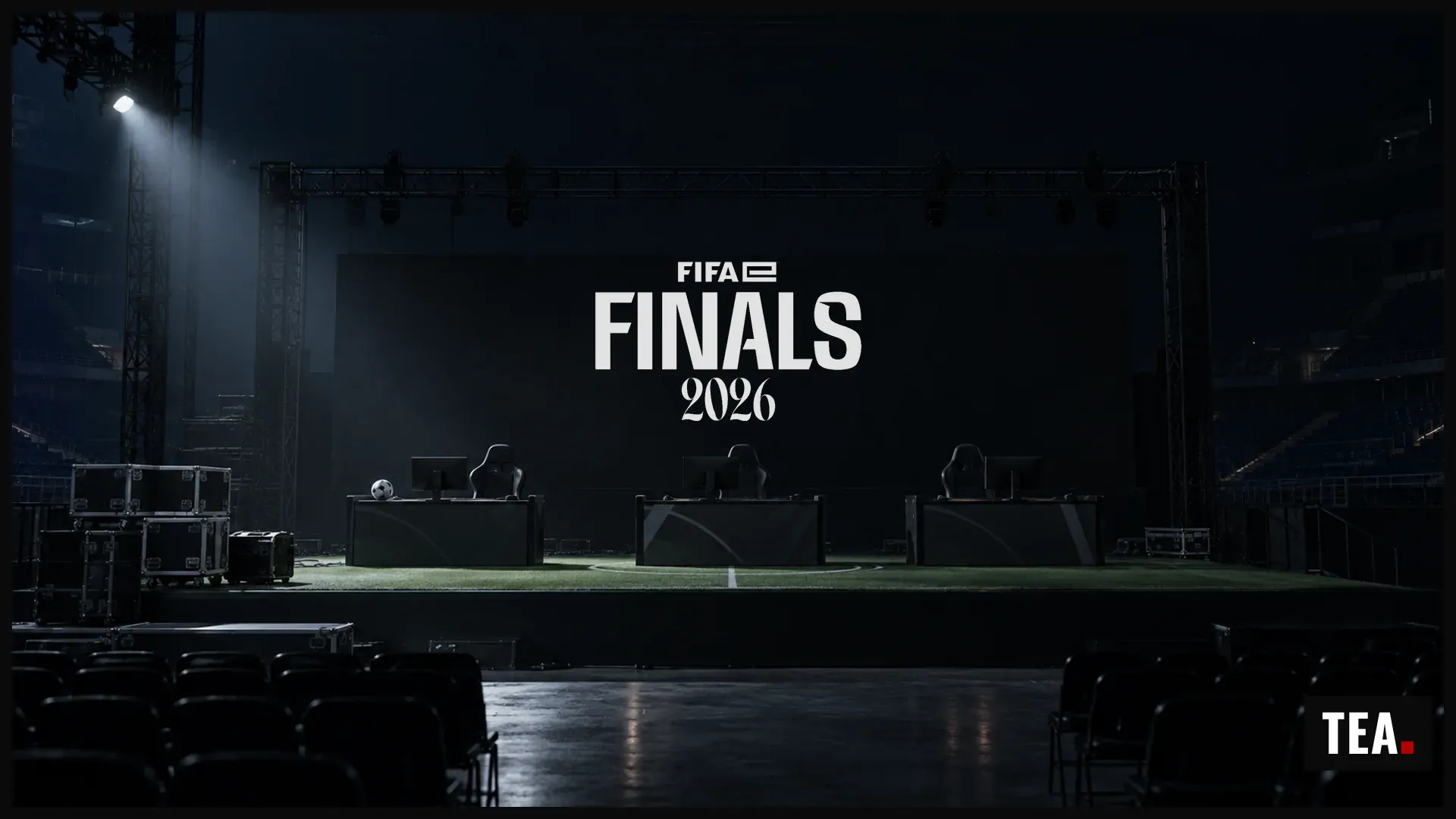
Despite this organizational expansion, the scope of the commission remains constrained by the IOC’s strict stance against games containing animated violence. Consequently, many of the most popular titles in the global esports industry, including League of Legends, Dota 2, Valorant, and Counter-Strike 2, are effectively excluded from consideration. The commission is expected to focus its efforts on non-violent, sports-related titles, such as racing games and simulations like EA Sports FC, provided that licensing agreements can be secured with relevant stakeholders.
The formation of this body follows the recent Olympic Esports Series, which faced criticism regarding the selection of titles and potential conflicts of interest involving the developers and the governing body. While the commission aims to bridge the gap between traditional sports and the digital gaming landscape, its long-term impact remains uncertain given the significant disconnect between the IOC’s content requirements and the current market dominance of competitive titles featuring combat-oriented gameplay.
The Esports Advocate · 2026
The Esports Advocate · 2026
The Esports Advocate · 2026
The Esports Advocate · 2026
The Esports Advocate · 2026
The Esports Advocate · 2026
The Esports Advocate · 2026
The Esports Advocate · 2026
The Esports Advocate · 2026

The Esports Advocate · 2026

The Esports Advocate · 2026
The Esports Advocate · 2026
Game Dev Unchained · 2020