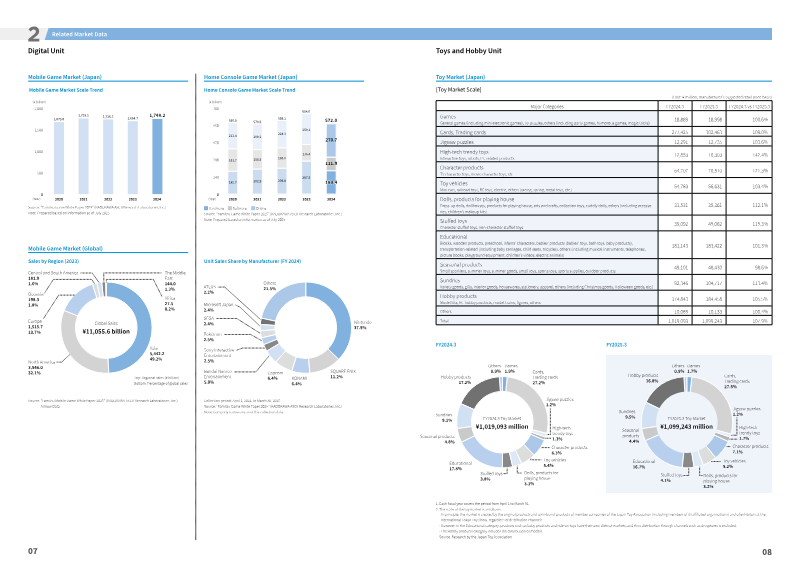
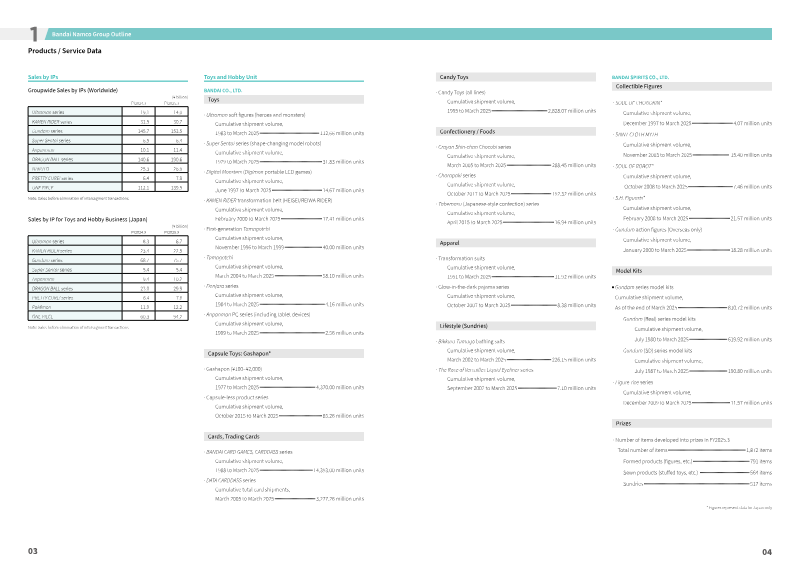
This unit accounts for 45.2% of total sales. The Digital unit follows, contributing 34.5% of total sales.
This strategy centers on iconic franchises such as Gundam, PAC-MAN, Tamagotchi, and ELDEN RING. It drives consistent financial growth.
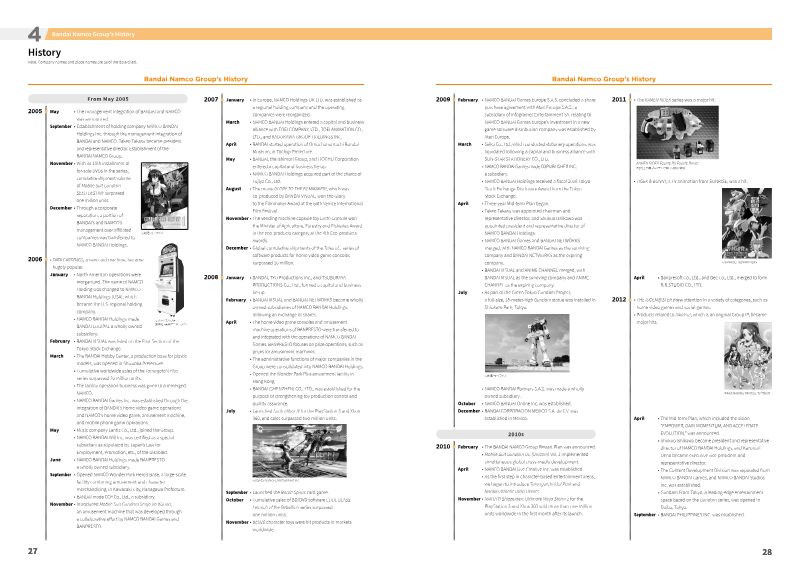
This structure was established following the 2005 integration of Bandai and Namco. It facilitates global scaling and diversification.
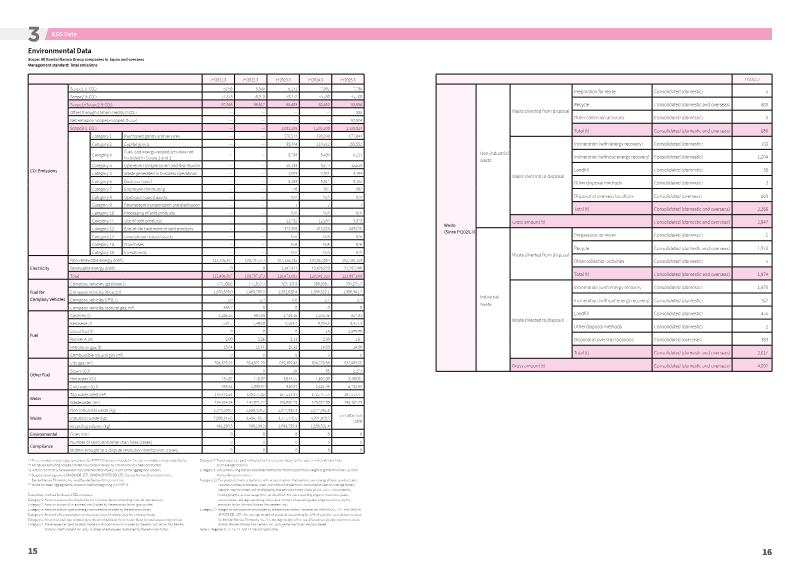
This includes investments in renewable energy and the reduction of Scope 1 and 2 emissions. These efforts are part of a holistic approach to corporate sustainability.
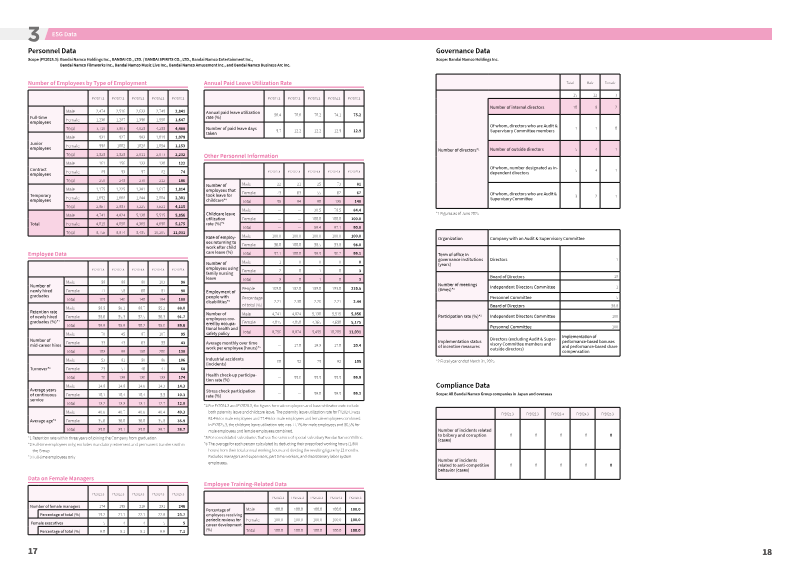
This increase in female representation is part of the company's commitment to human capital.
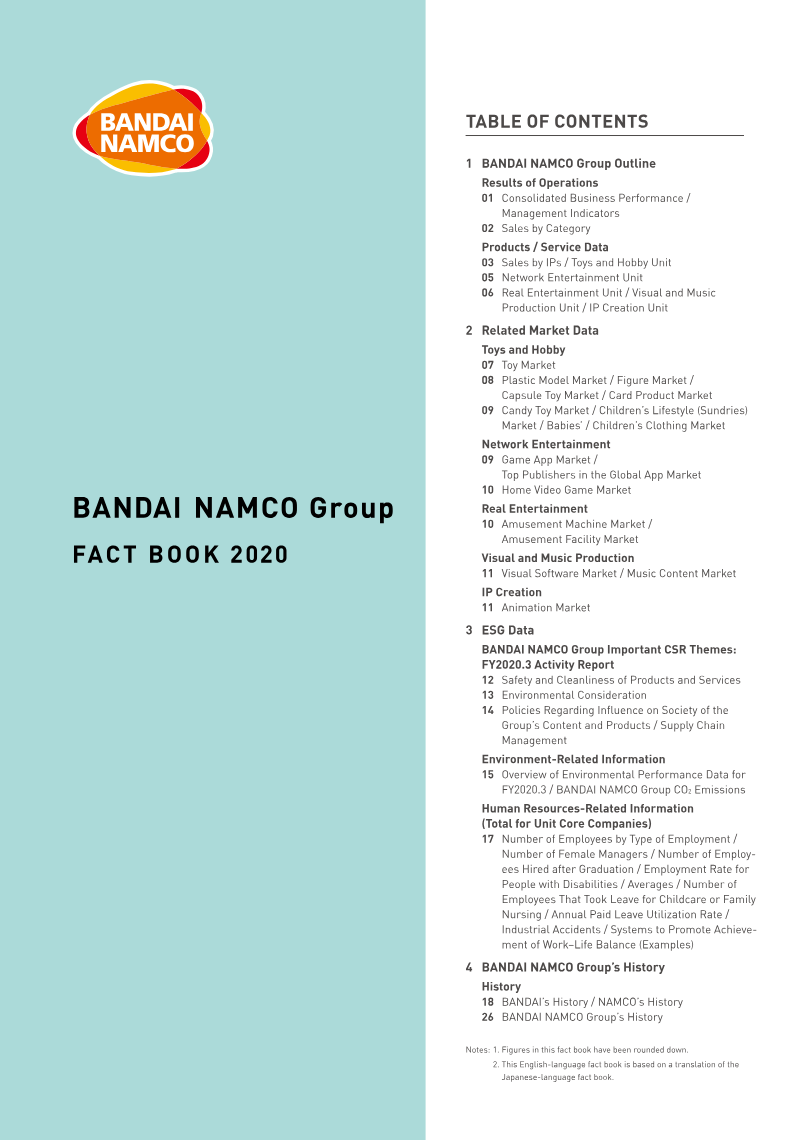
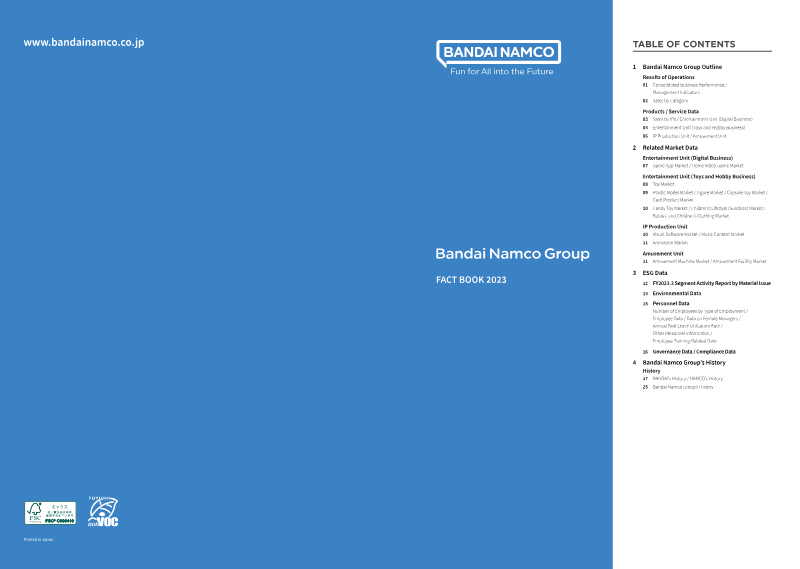
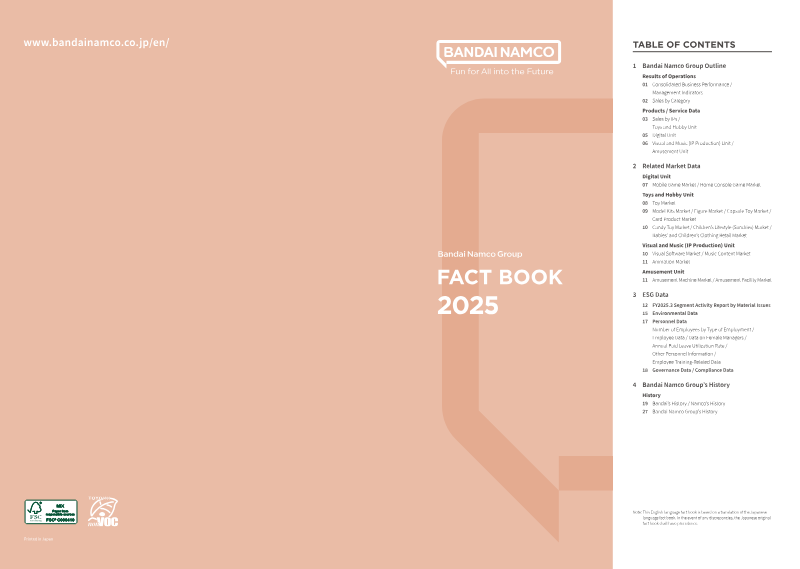
Bandai Namco Group maintains a dominant position in the global entertainment industry by leveraging a robust portfolio of intellectual property to drive consistent financial growth. For the fiscal year ending March 2025, the organization achieved significant expansion, reporting consolidated net sales of ¥1,241,513 million. This performance is anchored by a diversified business model where the Toys and Hobby unit serves as the primary revenue driver at 45.2% of total sales, followed closely by the Digital unit at 34.5%. The group’s strategic trajectory is defined by a commitment to IP-led innovation, spanning model kits, card products, and digital gaming, which has allowed the company to sustain market leadership across international territories.
The group’s evolution from the 2005 integration of Bandai and Namco to its current three-unit organizational structure reflects a long-term strategy of diversification and global scaling. Historical milestones, including the development of iconic franchises such as Gundam, PAC-MAN, and Tamagotchi, underscore a consistent focus on creative development and intellectual property protection. Recent years have seen further commercial success through high-profile titles like ELDEN RING and the expansion of amusement facilities, all operating under a unified vision to deepen engagement with global fan bases.
Beyond financial and creative output, the organization integrates rigorous ESG standards into its core operations. Current initiatives prioritize carbon management, with significant investments in renewable energy and a reduction in Scope 1 and 2 emissions. Governance remains a priority, characterized by a clean record regarding anti-competitive behavior and corruption. Furthermore, the company demonstrates a commitment to human capital through extensive employee training programs and a measurable increase in female representation within management, which reached 23.7% by 2025. These efforts reflect a holistic approach to corporate sustainability, ensuring that long-term growth is balanced with social responsibility and ethical supply chain management.