Bandai Namco’s 2021 integrated report presents the group’s strategic pivot around an “IP‑axis” model that leverages flagship properties such as Mobile Suit Gundam to drive growth across toys, digital entertainment, and amusement. The strategy, underpinned by ¥25.5 billion of cumulative investment (FY 2019‑2021) and FY 2021 R&D and marketing outlays of ¥82 billion and ¥45.2 billion respectively, enabled the launch of more than 300 IP‑based products worldwide and delivered record‑high net sales of ¥740.9 billion and operating profit of ¥84.6 billion, marking the seventh consecutive year of revenue expansion despite pandemic‑related disruptions that shaved roughly ¥75 billion from sales and ¥21 billion from profit.
To sustain momentum, the organization restructured its legacy divisions into three core units—Entertainment, IP Production, and Amusement—integrating digital and physical content while tightening governance through a 12‑member board with four outside directors, a 50/50 fixed‑variable remuneration scheme, and heightened diversity targets. A revised business‑continuity plan instituted a 70 % work‑from‑home target, reinforced cyber‑security, and expanded digital investments, mitigating risks such as IP infringement and supply‑chain concentration.
Corporate‑social‑responsibility initiatives reduced group‑wide CO₂ emissions by 10.2 % to 52,256 tonnes, shifted lighting to LEDs, and increased recyclable packaging, while workforce metrics show women comprise 32.6 % of staff but only 19.1 % of managerial roles. Financially, total assets rose to ¥732.8 billion and equity to ¥511.4 billion; the group recorded impairment losses on amusement facilities, issued ¥966 million of convertible bonds, and saw trade payables climb to ¥82.5 billion. Acquisitions of SOTSU Co., Ltd. and Reflector Entertainment expanded the IP‑creation pipeline and reinforced the global footprint, which spans subsidiaries across the Americas, Europe, and Asia, supporting a diversified portfolio of toys, collectibles, media, and ancillary services.
Bandai Namco · 2026
Bandai Namco · 2025
Bandai Namco · 2024
Bandai Namco · 2024
Bandai Namco · 2023
Bandai Namco · 2023
Bandai Namco · 2022
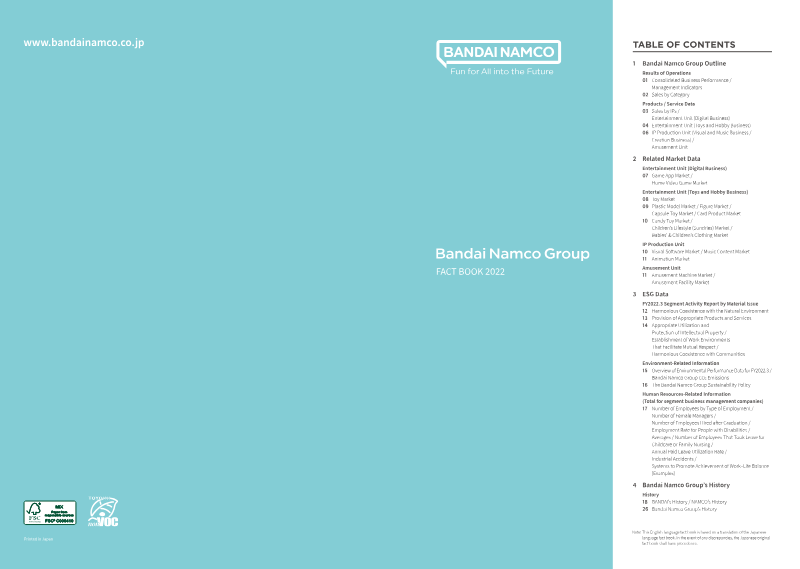
Bandai Namco · 2022
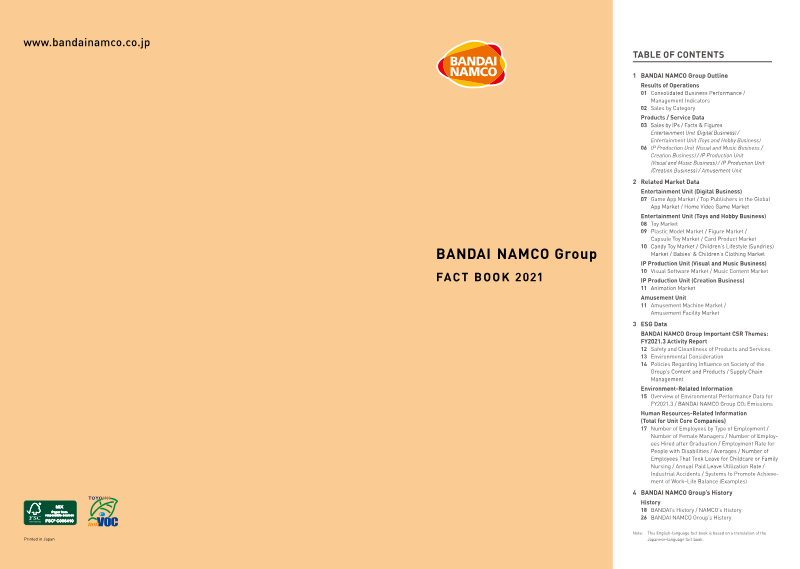
Bandai Namco · 2021
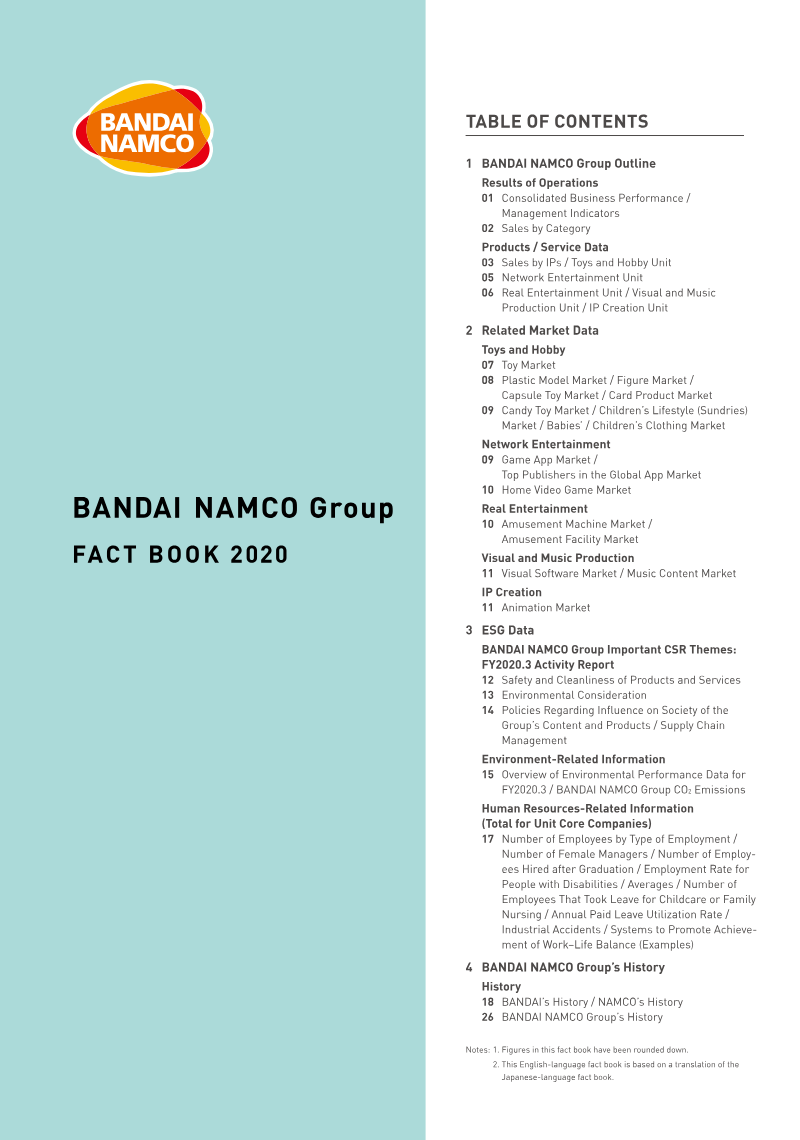
Bandai Namco · 2020
Bandai Namco · 2019
Bandai Namco · 2019
GungHo Online Entertainment · 2026
Kadokawa Corporation · 2026
Akatsuki · 2026
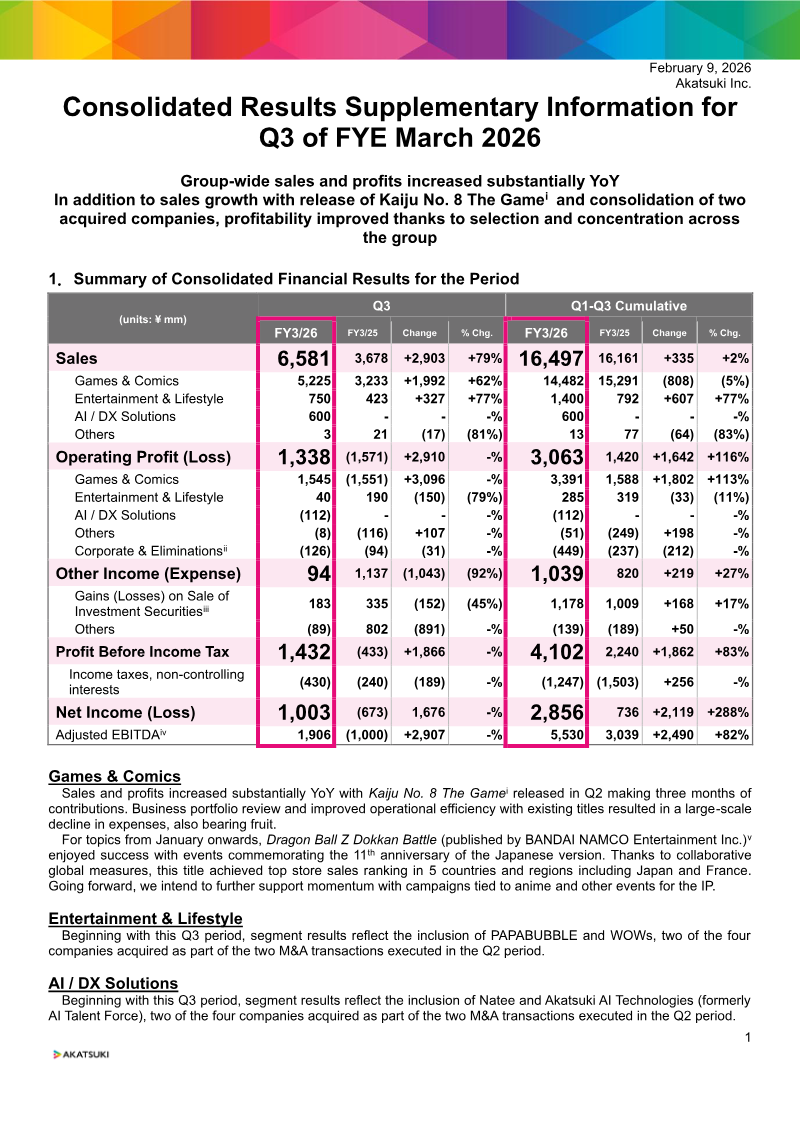
Akatsuki · 2026
GungHo Online Entertainment · 2026
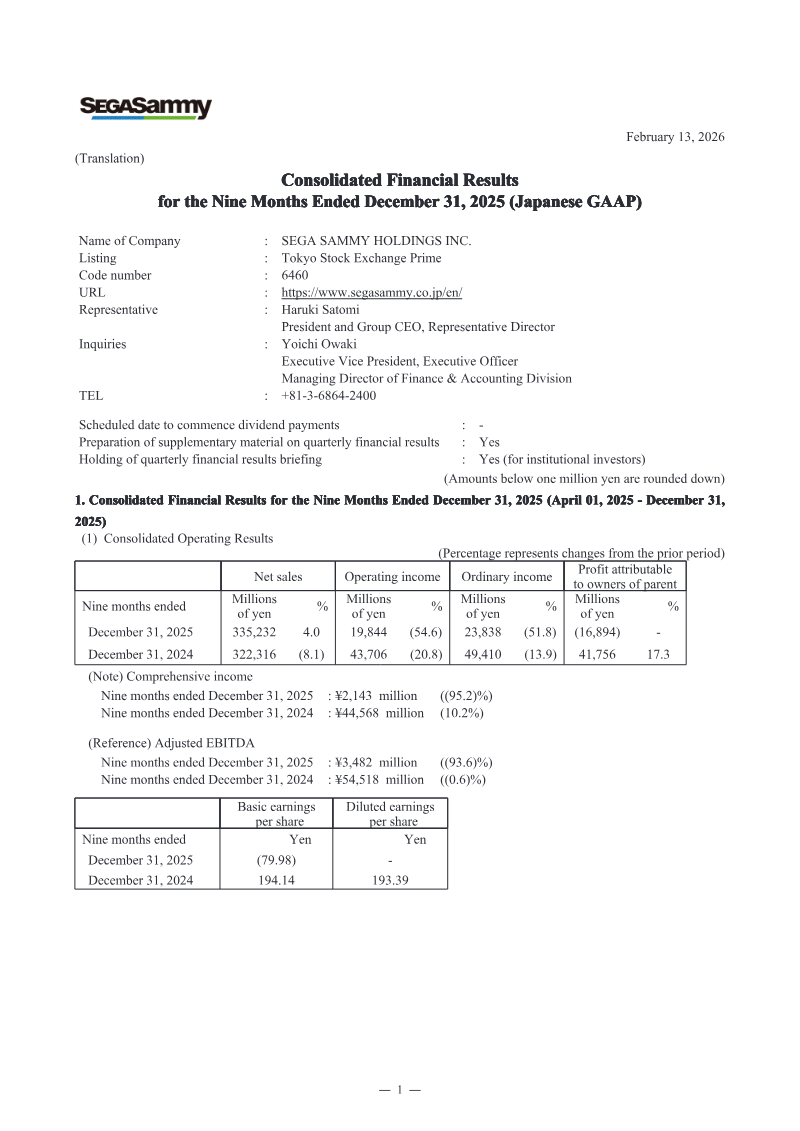
Sega Sammy Holdings · 2026
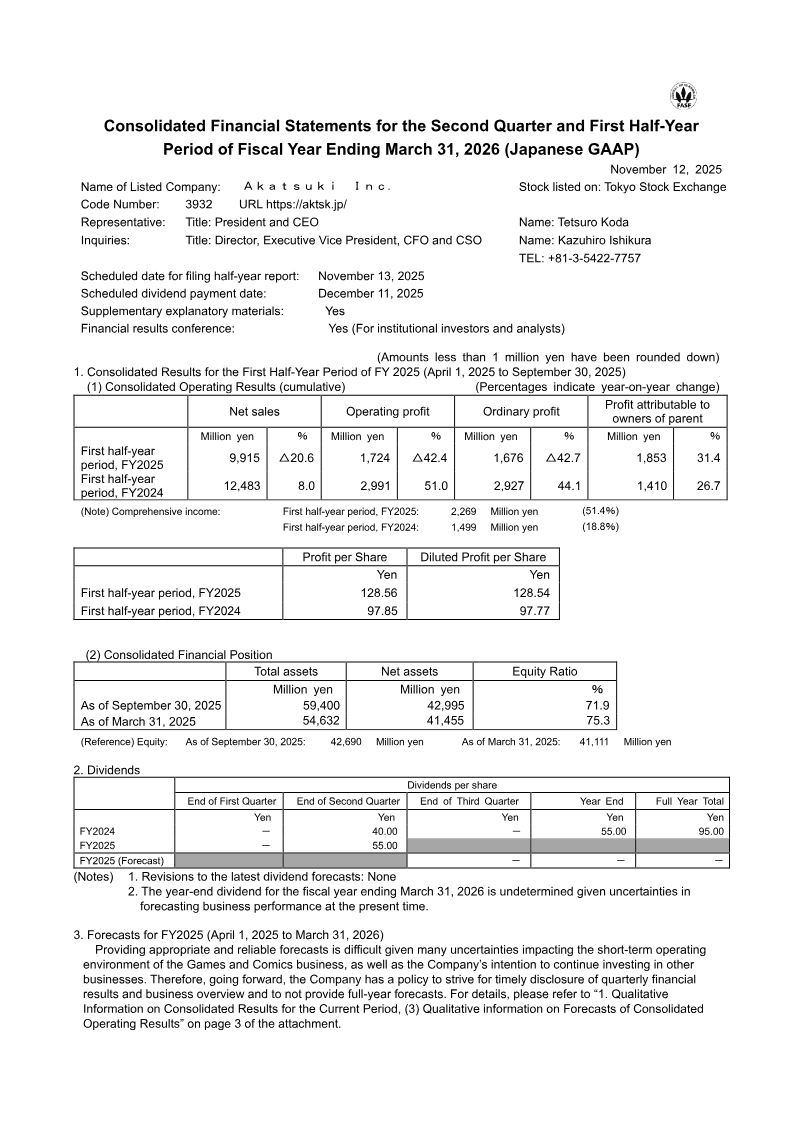
Akatsuki · 2025
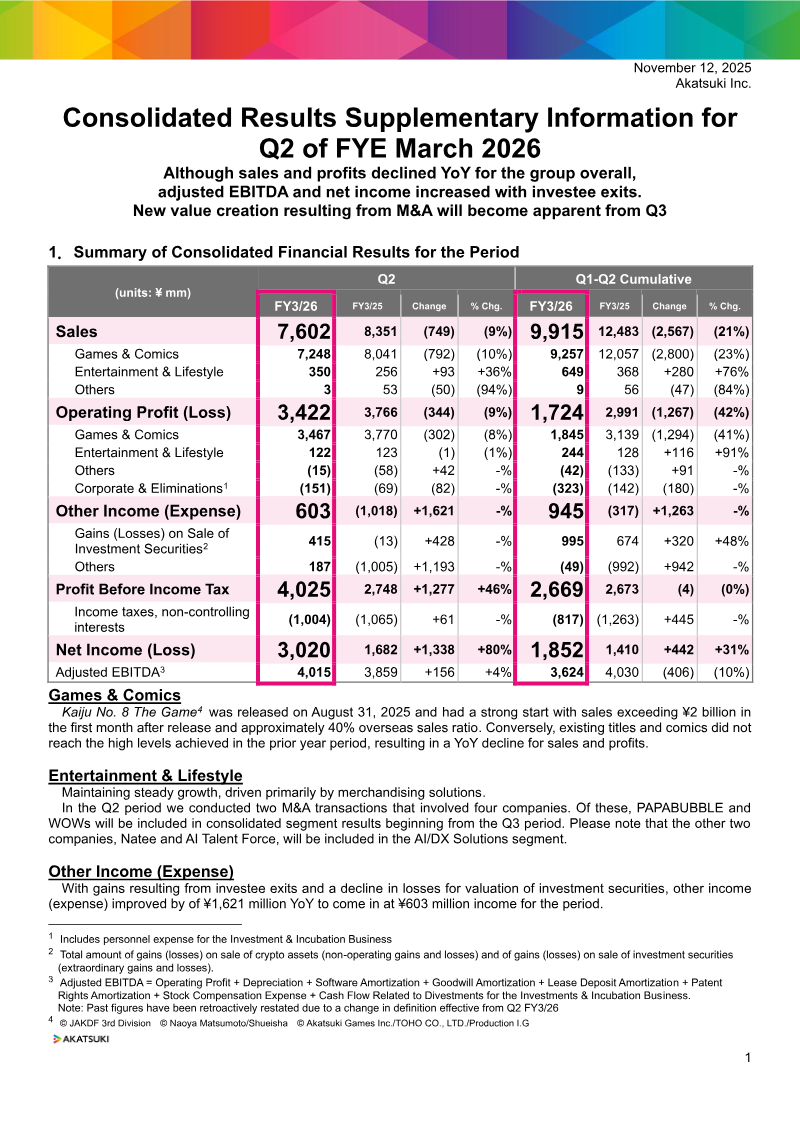
Akatsuki · 2025
Akatsuki · 2025
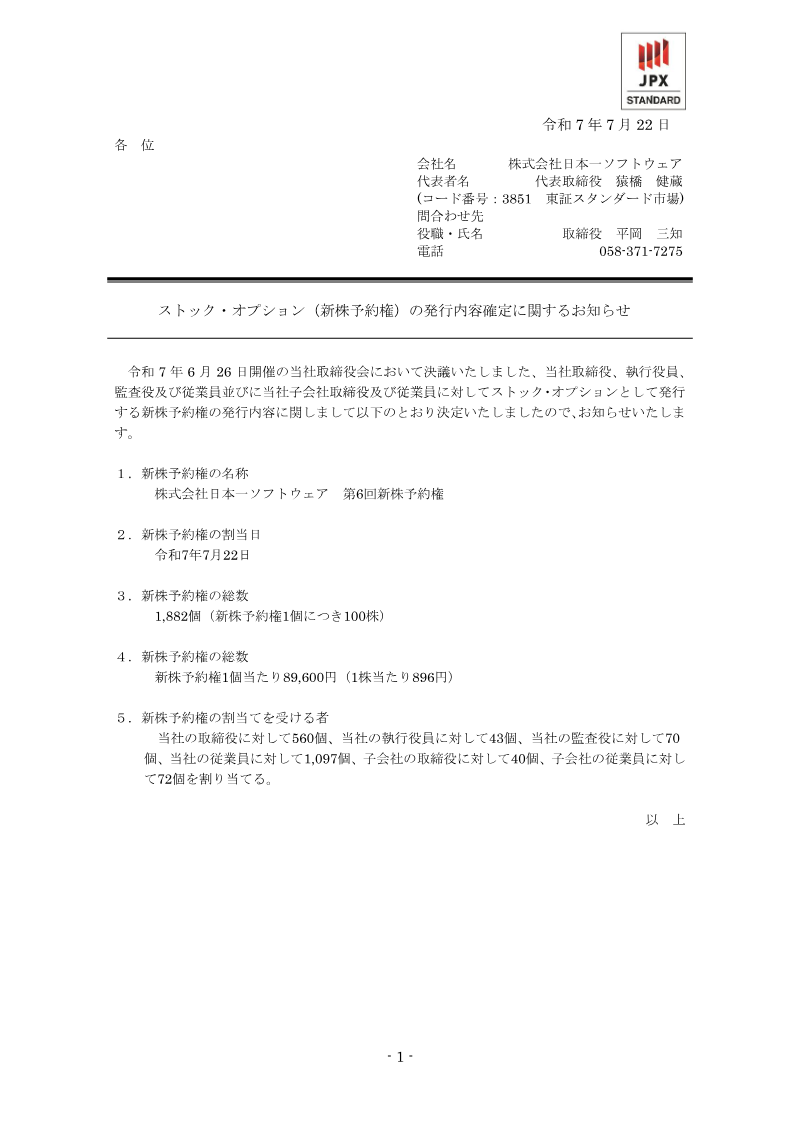
PROEXCA · 2025
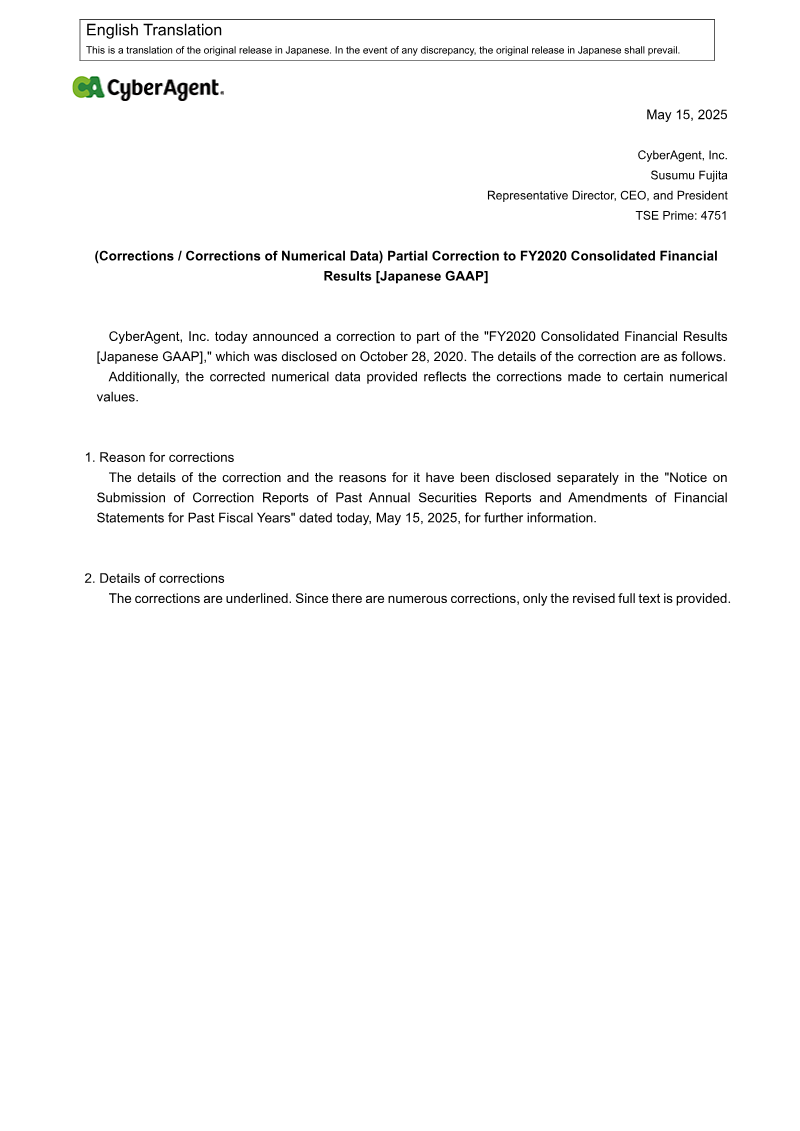
CyberAgent · 2025

Koei Tecmo · 2025