1 free read left. Create a free account for unlimited reading + AI research.
Create free account
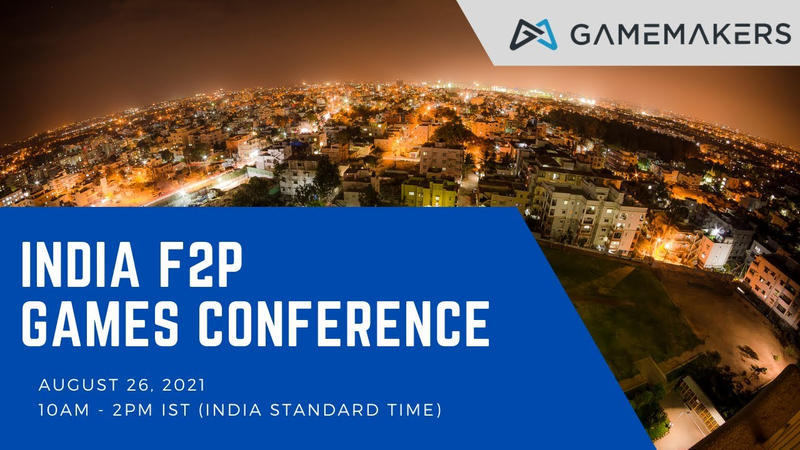
India F2P Games Conference | Aug 26, 2021 (Thurs @10AM - 2PM IST / Aug 25 Wed @9:30PM PST)
Key insights
6 takeaways- 01Long-term growth is contingent upon the industry's ability to synthesize creative passion with business prudence to deliver experiences that resonate with both domestic and international markets.
- 02Successful studios are adopting a 'craftsman' production model that prioritizes the granular deconstruction of global hits to master the mechanics of engagement and retention.
- 03The industry is prioritizing the development of 'T-shaped' talent, combining technical proficiency with data-driven product management to overcome existing skill gaps and career stigmas.
- 04Developers are increasingly treating games as 'live services' by utilizing backend-as-a-service solutions and CI/CD pipelines to focus resources on core gameplay innovation rather than foundational infrastructure.
- 05Global firms are actively pursuing strategic acquisitions and partnerships in the region, specifically targeting studios capable of producing 'evergreen' franchises.
- 06The Indian F2P sector is transitioning from an outsourcing hub to a creator of original, globally competitive IP, driven by a mobile-first user base and a shift toward high-monetization midcore genres.
Ask AI about this video
Transcript
hey s can you hear me hello hello can you hear me well enough yeah yeah so I just started the stream a little bit early just to be able to see the audience and see if they have questions or comments and I know Amit was on for a second and he kind of jumped off but we'll yeah we'll start in like you know seven minutes here right on to yeah sure have you on early and by for for helping out no I'm glad it's all come together the uh strategic panel looks so good I'm really looking forward to tuning into that as well um so it looks looks really good um hey Amit hey Salone how are you good how are you not too bad Hey Joe hey how's it going we had we do have a few people from the audience uh I assume they're watching from YouTube
uh so just want to welcome the the early folks that have jumped on if you have any questions or comments feel free to to post them before we start in another five minutes or soit what's going on with nuke boox any any new games to announce or anything exciting happly nothing to announce but yeah we we've been working on a new game so uh sometimes maybe next year but it's too early yeah yeah 's always playing very close to the chest he's not telling you about the incredible success that the other games have done so now new box is doing just great stuff it's really great to see what Amit and subir are up to we just trying yeah yeah and soney I noticed that you guys have been quite active in terms of medium posts and things like that so I I
think that's pretty encouraging but um maybe you could speak a couple minutes in terms of like the motivation behind getting more content about the Indian gaming Market out there yeah so I think you know the when we when we launched uh lumai I think we got such a warm um just a warm uh in Embrace from the industry and we realized that there was so much information that we could share uh so much from you know Global best PR practices um that we could help the ecosystem with and I think that was very encouraging and we we that's what essentially the idea behind sharing all that content is hey Manish hi we're just we're just talking to the audience a little early ahead of uh you know we we'll start right on time but uh you know just welcome folks to to kind of join early and ask questions if they have any doesn't look like we have any
specific questions yet although a few comments have come in yeah getting eliciting questions from the audience in India you will be surprised it's a tough [Laughter] job it looks like you're back in office full-fledged it's the nazara conference room yes yeah yeah I've been coming to office now almost for what 3 months okay so but the full team like everybody's back or is it still staggered yeah Finance team keeps coming in and out operating teams twice a week I am every day there I okay happy to from Office rather than for home well now now is the public company CEO so you do is public yeah no now Manish there's no escaping I public property now
yeah all right dinner a dinner can happen now now it can happen I going to ping you separately and you're back to office we can definitely do good your neighbor I was in your neighborhood few weeks back and I was thinking of pinging you please why didn't you I was not sure whether you're meeting not meeting what's your scene so yeah no no let's let's do it I'll I'll message you we we'll fix something Joe you you've managed to NAB Manish Manish is uh it's it's hard to get him now it's so okay in the three minutes that we have uh we did we did actually have a couple questions come in any thoughts on this one what according to you is the most successful IP in the Indian market Gam or any other do you guys have any
thoughts on that success can be defined multiple ways so I think that's that's the pivots you can take you can take from exits you can take from Made in India for India you could look at PC Mobile so yeah I'm sure Amit and Salone will have all the information to answer across pivit yeah I think you know I think that's a great Point um you know if you were to look at just Indian Studios now building for from India for Global markets I mean clearly play Simple has been a fantastic example of that right and uh both Sid and pry and their entire team has done a splendid job in building a company which is now been exited it's very successful has 14% of the world global World game market so that's phenomenal um but on the other side if you even see some of the other Studios whether it's a game asan or a game Berry or some of these other Studios that are now building in India for or India now
they're starting to rise in the charts uh you're starting to see more Indian developers crack into the top grossing charts um up until like March May June April May June uh there were out of the top five grossing charts to were Indian title so I think it really yeah it really I think it really does depend on how you're defining success but I think overall what we're seeing is just definitely an increased uptake in um Indian Studios now looking to build world class experiences right and I think uh we'll start another minute or two as we wait for an to join us as well but let's see one other question uh are we going to discuss different design choices of all making commercial I think uh abanov you might want to ask this question to Paul uh because that's going to be a big focus of his talk coming up next and looks like someone is benchmarking in sites from this for
Nigeria and Africa so welcome delay osikoya glad to have you here with us um and it is 9:30 maybe we could go ahead and get started and um when an joins I'll just go ahead and add him in but first of all I wanted to um welcome everyone to this inaugural India freetop playay gaming conference we actually have in my opinion a really really exciting set of sessions planned for you starting with this panel on essentially how India becomes a world leader in free-to-play gaming and you can also for folks on YouTube you can check the show notes to see the overall agenda but we do have five panels planned but in any case I think we could go ahead and kind of getting started with maybe introductions of our p panel members here with us and uh as soon as a n joins hope hopefully you'll he'll join on on on time to introduce himself but I thought we could start first with Manish agerwal CEO of nazara Nish I know you're
pretty pretty famous already but it'd be great if you could talk to us a little bit about your background hi hi Joseph thanks for having me here uh good morning everyone who's listening tuning in from India good evening from us and rest of the time uh so guys U came into gaming a decade back or more than that U happened by Serendip I don't claim that I was a gamer in my childhood I have not have any fancies stories about playing Xbox or console and playing uh on those games and saying that I was born to build a gaming company no I have a very very standard boring past of doing my engineering MBA trying to build businesses and gaming happened send p and then it hooked me forever uh so yes I'm hooked in love in in making businesses based on gaming uh five years back I would say I would I had loved making games but last five years had super busy in trying to just build
businesses around gaming and yeah I would love to go back in designing games which is my first love but don't get much time so that's it from me over back to you Joseph all right and maybe next in terms of alphabetical order we can go with Amit Hardy CEO of nuke boox Amit thanks Joe thanks for having us here uh yeah so uh uh so I go back about 10 years like Manish uh games and and we've been you know doing or dabbling with multiple ideas since long time now and uh uh I think for us uh I think the success or let's put it this way I think for us it it all began with the success of food truck Chef which was uh one of our claim to fame and from then on we've been you know uh working with multiple free to-play games and uh we followed up that with uh
SpongeBob crusty Cookoff and uh we've been working on multiple such games and ideas and we're looking forward to uh make a dent in the global market which is our primary focus and uh yeah so so that's where we stand okay great and then Salone yeah sure um so hi guys I'm Salone I'm the general partner at lumai where India's first dedicated Gam an interactive media VC um I've been fortunate uh to see the industry at least the gaming industry for pretty much the last 15 years and from all sides of the table I've been an investor I've been a founder and I've been an m&a Banker so prior to this I was with a fund called London Venture Partners which is uh the fund which essentially pioneered investing in games and interactive uh before I transitioned to lvp I was the CEO and co-founder of truly social which was a venture back gaming studio building immersive social worlds for female AUD audiences um and
then I spent the first six seven years of my life in Investment Banking and private Equity uh with over $10 billion of m&a experience so yeah I've been um I'm super excited now to be in the India market and it's uh it's been really great to see it from from all perspectives right and finally Anuj just in time anuch thanks thanks for joining us hey sorry about that no problem hey guys uh been in the industry now for last 11 years uh again won multiple hats first as a uh co-founder of a gaming studio back in 2010 uh when when you know evangelizing the Indian market was sort of a dream so made uh made games for the global audience as a as a startup founder for five and a half six years uh then joined nazara for a year uh then as a cxo for Yuzu and now heading cobd and Investments for Crafton in India and
Mina so yeah varied roles been a proponent of Indian gaming industry for quite some time all right thank you uh panelist and so I thought we could go ahead and Jump Right In with my first question really being around what's missing and so India at least in S I know notied that you mentioned a few games that are starting to drive into the top gring but when we think about like Global top grossing or top free globally there seems like a lot of promise and I know we've had recent successes like with Minish and and nzara but you know in terms of the industry here it does still seem to be a lot focused around liveops of mature games from whether it's Zinga glue GSN and other mobile companies like that and in terms of other geographies what we've seen is for example in China and turkey we've seen like this burgeoning developer Community starting to emerge that have started to become very
powerful with companies like whether it's you know fun plus Lilith mihoyo and China or Peak and now dream games and kind of like these companies emerging in turkey and so when you guys think about India and some of the companies that are starting to emerge in India or maybe some of the ecosystem or infrastructure that's not quite developed there yet could you talk about what is missing what would it take for India's ecosystem to be further developed such that we would have a much more vibrant and much more kind of powerful or successful set of games coming from Indian developers and I don't know if anyone wants to jump in otherwise maybe I can call on someone like manise since you're since you're recently public may maybe you could start so Joseph I I it's been you know since 2009 um we have been saying that India has amazing potential and we are in 2021 when he still discussing what is Miss and and there in lies the whole story right uh
it's a story of on and any any Market to grow ecosystem to grow from a developer you need to have a large domestic Market if that is possible otherwise an access to capital for you to experiment in the global market right uh and these are the two ingredients which combined with the third Apex is the skill sets The Experience uh which one learns either you can learn through intutive experimentation like Anu was doing in 2010 sheer passion great determination to really make something out of it Amit has been at it for last decade and so uh now if you have if you compare the external markets with India market our history of really playing games working on those hardcore midcore games working on meta design uh it is it is all happening in in in last two three years so our history is very very very
new and nent versus a 40 50 year old history in China Korea Japan us uh which is coming from PC console based games where you had already whether in East you had a premium design on PC or you have a very amazing kind of game designs happening on on on the on the UK based Studios forever so I think the beauty of our Market is that with the infrastructure issues getting solved with the domestic Market be giving promise and more and more exits happening in this market which is what you alluded to Turkey if you see pre Peak games exit and the post Peak games exit it has been a c change the acceleration and development of the ecosystem in turkey and the exits therefore have been mindboggling and we have seen in India whether you have SAS companies coming out of very successful SAS companies or e-commerce companies coming out of e-commerce companies similar thing is going to happen with exits like play Simple Moon frog
nazara and many more to come you will see many many entrepreneurs coming out of these companies and trying to create their own gaming companies uh because they have gone through they have seen the scaling they have Know What It Takes investors who are jit are now Salon is coming in with a dedicated gaming fund and many more investors are okay to really say that yes we will take that leap of Fai so I think capital is not coming in the talent pool is being developed domestic Market is happening and the boundaries of global are getting blurred so all of that ingredients which were kind of an handicap for somebody sitting in India are getting sorted so maybe I would say that at two three four years the statement of Indian IPS becoming powerful four five years uh and becoming should get sorted it's a journey which we all know that uh if you are building for domestic Market uh we are not China you have to really compete with the global games quality of the
shear game animation as well as the game design has to be at at that part for a midcore hardcore gamer and I think that's where the skill set Improvement will happen here um so it it is a combination of our our nent history in gaming which is what is leading to all misses uh but the future is super bright right Joseph I I'll just follow up with what Manish said I think he has just laid a very good foundation of you know not H having an Indian uh gaming not having a sort of a history which all these other you know mature markets like China Korea all had I think it's more of a philosophical question as well uh we don't have an identity of the market it's still being established we don't yet know how the market is shaping up are we a real money gaming Market primarily are we a casual hyper casual gaming Market are we a a DA farm for
Global gaming uh companies so we sort of jostling with a lot of uh moving pieces so to say and uh we still not found an identity of the market what is the Indian gaming Market uh sort of going I I Echo the statement of Manish you know the local IP will drive a lot of uh the U you know giving the identity to theet Market it will take some time but yes we are on that track uh it will it it's still a little immature uh development ecosystem at a large uh level but yeah things are changing rapidly yeah um yeah you know I think uh I I've tracked the both the global markets and the India market for for a long time and you know I think what we look at was were markers and you know it's very interesting all of us have
talked about China and turkey and if you look at inflection markers that happened in China let's say between 2004 and 2007 it very closely relates to how the Indian Market has has has played out in 2004 it'll be very surprised but foreign games accounted for more than 80% of China's available game titles and 70% of domestic Revenue in fact the top grossing titles in China at that point of time were South Korean and Ian titles in fact China and if you look back at gaming reports which were listed in 2004 2005 everybody used to talk about China just being a lenser market and you know it's never going to make its own original Ip and you know there was Talent strapped and uh payment infrastructure was not developed Etc so all of those discussions that you know Manish has just talked about were everything that happened in China back in 2004 and then by 2007 the market shifted so quickly that 60% of of Chinese revenue or from gaming was
coming from domestic titles and in in a decade China accounted for 1/4 of global gaming revenues generating $30 billion even overtaking the us so I think when we trace the market we we kind of look at inflection points and as inflection points one is a great inflection point is Talent ecosystem right when you have exits happening you have um any pool of talent which will come out of those companies um but the second more promising I guess overall infrastructure wise and you know there are obviously the macro markers Indians are now consuming games India is now the largest mobile game download market similarly if you saw that in China that literally happened in three years between 2004 and 2007 there were 600 million mobile phone users in China and Chinese Gamers were spending seven seven and a half hours per week playing games payment infrastructure changed right prior to 2007 majority of transactions in China was still handled in cash but by 20 7 bank card usage was 21% of the market
look at what's happening in India right now digital and electronic payments are 40% of the national transaction volume so payment infrastructure has changed monetization behavior is changing right in if you speak to the team at Google Etc you know India is now registering the fastest growth in new inapp purchasing users in anywhere in the world it is the fastest growth growth rate so while these changes when you're in the middle of it it happen you know on a day-to-day basis you aren't seeing that incremental leap you aren't seeing Indian companies come into top grossing titles but in three years four years hence I think the market will be a very very different place um and if you look at the capital now that's been infused in the last 18 months there's been a billion and a half infused just in the Indian gaming ecosystem that's been way more than what's been infused in anywhere in the last five six years and yes ALB it has gone to real money gaming but now you know as an early stage fund
we're seeing people come out of these RMG Studios saying we oh we we want to build actually different kind of games but now there's Capital to build those kind of games like we want to go and experiment on casual games we want to build midcore games we want to build um other genres we're looking to build games platforms all of that you know I guess unplugging of that ecosystem is now starting to happen and we saw this right Finland emerged out of Earth while no Vietnam gaming scene emerged out of Game Loft I mean in India Zinga alumni is doing so so well we have you know Bombay play as part of our company so I think this is just a Natural Evolution and in India at this point of time adoption monetization infrastructure and payments has converged in a way that I guess none of us have ever seen um and which has made enabled uh you know nazara games to go public which has enabled more strategic in interest so I think it's it's really interesting kind of sounds like you guys are speaking a lot to resources capital I
think an mentioned also having an identity and as one of the insurgents trying to you know get to the next level in this space what what are some of your thoughts so yeah I think uh I'll just take this slightly different point of view from okay particularly the studios's point of view I think what is missing is I think we like to look at it from uh some of all all parts kind of a view uh so I think whether it's Ste making or relationships or you know Concepts and marketing Tech uh relevant investors I think uh we've been trying to work on all fronts for for multiple years and it has taken us this long to get to this point right and we've seen that difference between like a food truck Chef to a SpongeBob it's like leaps and leaps uh apart from what we've done right uh and we see where the gaps are so I think if one has to look at it uh I think Studios
have to uh work on all fronts to really uh get cracking at multi it's not like you know you you can produce a hit game today with the suboptimal quality and you know the quality Benchmark is just going up and up and uh to compete in the global landscape I think uh uh it's not just one thing that's going to uh get it going it's going to be uh some of multiple paths and I think uh uh the difference between a turkey and an India is that you know uh I think this predominant mindset that you know we can make everything in house and versus you know we really need to uh or rather the outcome driven you know scenarios I think we need to start looking at things which are outcome driven and that's when you know uh I think finally at the end of the day consumers who play the game I think I think the game that will matter the most then you know rather than how you're trying to build the game right so
I think that is like one of those missing pieces that I've been observing for quite a few years now right and could you explain that a little bit more when you when you say that there should be more focus on things being more outcome driven what is an example of that so I think uh I think keeping the close I mean keeping the game very close to the audience and in terms of let the audience trying to dictate the kind of or the quality of the game that they would like to play uh and you know so whatever it takes to get that quality of game out of the studio I think that that is predominantly the Focus right so for us as a studio uh if we know that if we are not good at certain concept arts or you know we we're not good at certain things we would rather Outsource that and you know get the best people working on it and of course the the the the uh cost of production is going to go up but I I think to be relevant in this market
today I think that's a given uh and one cannot Escape that so I think so so hence the outcome driven rather than you know trying to make everything in house right so okay and uh I have seen or spoken to a few people who've been working on multiple things in India uh you know what we think uh we can build uh versus what the consumers really anticipate that they would like to play there is always a gap and you know trying to identify that Gap and you know filling that Gap is I think the most important crucial bit got it and sort of Shifting the tone now to more of a positive outlook because certainly there are good reasons for why more capital is flowing into India and so when we thought not only talk about what's missing from India but then what are some of India's strengths what are some of the advantages coming from India and so when you guys think about some of
the areas of strength and potentially maybe initial identity to n's Point um what do you guys think of when it comes to to to that to to to this the the strength part of of India and Manisha maybe we can start with you again so Joseph I think the beauty in India lies in its numbers and its demographic dividend uh young population in bulk in numbers amazing um middle class which is per capita income growing uh gaming is a discretionary SP uh and discretionary spend really happens when the overall per capita income of a country really starts increasing uh because then you're not kind of in the master hierarchy you're not looking at F Ro kapaan as I would say and you're trying to elevate your Spence to more other discretionary spense and that's where India is in that cusp as we are looking at next decade we are looking at this younger population
getting adding more per capita income to their wallets with a propensity spend and willingness to spend on Alternate means of entertainment and gaming is the best form of entertainment we all know and and that's very very well articulated and stated so I think that's one big positive for India which anyone sitting anywhere in the world cannot ignore such large Market uh second is the stability and lack of whimsical nature of policym uh you are always worried about opacity in world's largest market uh while it's a$3 billion Market China but it's always uh overnight things can change and we have seen in last 30 days 45 days uh even the mightiest of the tech companies in the world could not handle uh the local ecosystem and and and there has been a full meltdown uh that kind of you know political instability or policy
instability both of them you don't see in India uh so that's the second Advantage which you will really have if you were to really look at from an India Point of View and the third piece is because of the size and volume of people you get such large addressable cohorts like what anut says identity I don't think India will have its any identity ever because we will have 900 million Gamers out of that there'll be a full Europe sitting for an hyper casual you will have a full us sitting in midcore hardcore you will have a largest market of Esports so I I think the cohorts of different segments and depending upon what you want to really kind of attack you will be able to do that at scale of both volume and value I think those all these three factors really make this Market very fascinating cor yeah yeah I I I 100% Echo with what Manisha is saying I mean if you look at uh traditional mass media
and mass entertainment evolution in India you'll see a market which transitions from Global Imports to you'll have a healthy balance of global content and you'll have locally res resonant content and with local content which represents the true Mass market and this is this is bound to happen we have various genres in the ecosystem and that's going to be just the appetite um of of the Indian market is is very deep and there's also a lot of break and this is a market which can essentially support that um I I think another U is just the hunger and the entrepreneural uh desire for India's Founders and just the the sheer ambition right like it's it's a competitive culture that you've grown up in and uh at the sniff of a mere opportunity you you will see Talent flooding into the ecosystem and we're seeing this right in the last 10 months 11 months we've seen 700 uh early stage gaming deals who would have thought that is even possible
before you know we we entered into the market but clearly there is just this Mass Rush of uh Founders who are coming in who are far more ambitious who are bolder and who are ready to make those bets and and who have a growth Focus as well who are now ready to say well you know now there's Capital there's this infrastructure we have access to the world's best the world is condensing with remote working you can hire from anywhere you have the ability to raise larger Capital because of higher risk appetite so you have now these Founders who are coming into this space with very larger larger visions and I think that's that's also an incredibly big asset for the market okay andit yeah yeah I think so go ahead go ahead yeah I think uh yeah I think I resonate with this I think predominantly I think there is good amount of talent which is coming in from a lot of peripheral Industries in India I think uh and and I think whether it is edtech or you know whether it is overall startup scene in India it's it's been
booming for quite some time and uh so given that there is this you know risk taking ability in general right I think uh we've been seeing that quite a bit and people who are generally entrepreneurial in their mindset uh joining the bandwagon kind of helps because uh India was forever known for its services background right so we as a country were known for you know the infosis or the vipro or you know all of that so from there to get into the product mindset was itself a big change and uh with the product mindset becoming a new Norm um you know and plus you know the exposure to games and people playing games at large uh there is that you know uh inclination to you know work in an alternative industry I mean in India gaming is still considered as a you know uh an alternative industry which is not
very well known so I think when we talk to colleges or youngsters in general I think uh there is that you know uh we we see that you know people are very well informed and you know they're quite relevant as far as the industry is concerned and they're willing to kind of uh you know take the plunge so I think that that has been a a massive shift uh yeah anage yeah so I think um uh building on all the uh points the co- panelists made I think the most important factor is the the the Youth of this country who's now playing games in the last two to three years I'm very excited when they ex enter the workforce and the kind of games they want to make that is going to be uh the standards of game they have been playing on the last two to three years have been you know Battlegrounds free fire the the the Call
of Duty mobile uh The Clash Generation all of these guys now when they come into the workforce and they want to try and build a gaming company uh that's the Benchmark that they have set and that's why I I that's the most optimistic thing for me that will uh you know build this uh Market because it's built by game developers I mean let's me very honest uh the gaming companies the gaming ecosystem is built by game developers and the lack of them uh no matter how much we diversify into real money platforms infrastructure the core of any gaming business or any ecosystem the base is always gaming Studios and game developers and and if we sort of that is the focal point that is where we uh the ecosystem sort of needs to focus that is where you know we all need to Rally behind uh because if you have plenty of game developers and game studios all the
other peripheral problems will solve we are all already as an ecosystem hedged to solve those problem uh that is the pain point of the market and I I believe two to three years down the line that will get solved at a large scale okay and so we've got about 15 minutes left in this panel I thought I would ask you guys one last question and then we'll open it up for any questions from the audience and there there are a few that are that have been coming in but my last question would be uh in terms of in terms of like when thinking about potential ways of accelerating the market for example there's notion of like tribes and like different industry groups in the west and things of that nature um what are things that you think that India can do to help accelerate the maturation of the market and then if you guys have uh one or two names of companies that we should be watching out for I'd love to hear some names of course obviously besides you know naara and and nuke boox what you guys think um
any thoughts on that and uh I think so go ahead you you track the ecosystem much more than anybody else sure um so I I think just to answer the uh I guess the you know the way forward for for the market and you know what the industry can do um I think uh having looked at some of the developed countes markets in fact you know coming from the UK or even China for example from from a policy perspective there's a lot that regulations and policy could do for example in in the UK there was the video games tax relief which was hugely beneficial for game development Studios who could basically claim their uh development costs as research and R&D and could claim it back from the government and they were you know this was a very sustainable way of actually powering your your development and th and also setting up Center of excellences uh for for the game development uh industry or also looking at let's say game development courses being imparted as part of education and
we've seen China do that and I think that from a policy regulatory perspective is something that as a fund we work with policy makers we work with regulators and plant these thoughts and ideas and saying these are best practices which we' seen from other markets um in fact um in the Ministry of Education has announced with IIT Bombay to set up a game development Institute where courses on game development will be offered and you know again these are very interesting and um interesting measures from a regulatory perspective that could help accelerate the industry uh tax reliefs uh investment credits and all of these again you know game game development is very Niche but if you look at the market and it's growing at a 35% kager year on year it's just going to become larger and larger and so if you have Forward Thinking uh bureaucrats and Forward Thinking uh politicians and we are seeing early signs of that especially with the INB uh uh information and broadcasting Ministry they're they are
starting to think along these lines and I think that's very encouraging for accelerating just the momentum um in terms of uh I guess exciting game development Studios that we've come across a little biased we have three three content Studios one of which we're going to be announcing uh soon next week uh but again you know we think Bombay play is doing some excellent work it's again Zinga team uh former founders of moonfrog building hypers social multiplayer cas games uh building on instant games and then cross cross uh building crossplatform games uh they're just they're doing incredibly well we invested in them eight months back and they're on a really really solid trajectory we obviously have another studio called Allstar games building midcore Cricket uh Solutions um we have another deal which we're going to be announcing soon uh that's going to be coming out next week so you'll have to watch out for that but again it's a midcore Content studio um is super excited about the potential for that uh outside I guess of the lumai portfolio I think we really respect uh what some of
the other developers like gameberry Etc are doing in the market um you know they're they're making um interesting work we're also seeing like young Indie developers uh who are really differentiating themselves in the type of content that they're building and both for the global market whether it's PC or Steam games U there are there there are a bunch of these uh Studios that we really like tracking and you know stay in close touch with right um any any other just just to kind of share with Joseph U the industry is uh working so in there are three bodies which really kind of evangelize with policy makers at Center and State uh internet Association of mobile Indian association of mobile and internet imai fi and CI uh so I'm working with all all three of them to really create a cohesive which can cuts across premium real money skill based money gaming uh Skilling Capital taxation I think the key thought process
there are four five pillars on that and we are working on it but the key thing is here how do we really create more and more Talent Tool uh which could be done through making India a very exciting hub for the global companies to set up their bases because I think the best learning can happen on the job and as Amit was talking about I sonon was talking about is zingga Mafia they've all come out with doing on the job training and and learning some of the best product and design skills while really improving the retention and monetization of those games so how do we make India really exciting place for the global companies to set up their bases and like ano is now working with Crafton how can this become a big Crafton Development Center here in India and really have let's say a a Battleground entire team being set up in India for doing that that will really spur huge amount of ecosystem development right uh Zinga EA Ubisoft
all of them have really contributed in a meaningful manner in last decade in adding to the Talent poll in this country so I think that's one key thing which we need to really as industry also we can evangelize the quality of talent which we are seeing every day uh to give more and more Comfort to our Global peers and friends that Hey listen come India and set up your shop while government will do many things uh giving that comfort of uh of a stability of great talent uh of professionalism uh it's not a land which is still readed in of snakes and cows um is what something we can all do to really influence more and more people to come here I think if that's one thing industry can really do rest of the things as industry bodies and groups we are all coming together to really help in in defining a policies on many other aspects any any thoughts yeah I mean I I think
salon and Manish have covered uh everything related to policy announce I thought going to announce a big R&D center right not in my but any I would like to make a comment I mean Amit would agree with me anyone who has built a studio in India uh knows the fact that you know one of the biggest challenges you face is is uh the talent and I think Joe you must be also sort of with Leela it's it's like running a gaming finishing school uh sort of when you're building a studio like it's it's six months of training uh the fresh talent and and and and then you start actually uh working on a business so I think uh all the policies aside we need uh you know Talent uh uh creation which is the most important aspect of of of of the ecosystem need uh because with all the
capital in the world you can solve for a lot of uh things but uh building out Talent will be a slow process uh and and that is uh that might lead to you know the slow growth uh or or anything that is you know that can slow this down momentum that we have behind this uh this industry so that is in my opinion the number one challeng Amit yeah I think uh like you said it's a finishing school I think we've been losing a lot of talent to the West I think uh We've you know we've seen that in and out and uh I I think I think we've stopped relying on uh you know uh highly experienced individuals and you know or rather people with great backgrounds because we know that's a very short-term Endeavor uh but Amit that's not you have not relied that's a necessity now we've been doing that for quite some time and it's also so I think given the scenario I think we we realize that you
know uh it has to have a study pipeline of talent coming in and we have a specific uh you know six-month induction going on for people in different streams so and that's the way we're thinking of building talent and uh and I think I think if you just look at the industry as a whole right I think uh whether it is uh Zinga or or uh Ubisoft or any other Global entity having you know setups in India uh I think there is a very limited pool of uh gaming experience talent pool which is circulating all across right so it's it's not like and and the very few who are hiring fresh out of uh uh school so I think unless we go down to the grassroot and identify Talent and groom them uh that pipeline is never going to get established uh so yeah that's I think
lot of work needs to be done there and I think uh cost as an advantage of operating from India is not going to sustain for long I think cost is catching up uh I think running a studio I think Jo Joe you would agree that running a studio in the US versus in India I think uh there is a huge difference in cost but I think eventually that cost will catch uh I just one question is it a Bangalore phenomenon or is it an indiia phenomenon well I think Bangalore more so I think uh I can't speak for the rest of India but uh I think at least in Bangalore we've seen that you know it's been like uh a very aggressive market and you know especially since Zinga is here and plus you know there are so many other Studios out here so yeah it it's it's very easy to kind of jump ship yeah but I think also like you know
we're seeing other hubs emerge like Hyderabad pun uh we seeing now some of these other hubs emerge um out of smaller cities which are now building Studios and you know with a with a lower cost B but I but I do agree I think uh cost is now cost is no longer going to be this factor of uh driving uh an Arbitrage of uh between Global and India I think that's going to change but this comes back to the fact that that culture of game development Studios and building highly retentive teams uh becomes very very important I think that has been undermined and underestimated um and in in general you know when companies are looking at culture Etc we find these thoughts a little bit I guess not as paid attention to uh this is why we set up a panel of leadership development coaches who can work alongside our our portfolio Founders to start thinking about you know how do you build highly retentive team cultures and it's not about giving free food or bikes or you know Dubai vacations uh it's actually about really
entrenching loyalty uh and building those streams which are high performance High Caliber and you know there's much more to it than just just monetary values and you have to think about that and you know we've seen examples of this in in global company Bosa or space a or you know some these other Studios which have managed to build highly retentive teams and cultures in in markets which are incredibly competitive um I think that same kind of mindset and Ethos has to come here so I think another point which I sorry uh which I should touch upon is that you co co accelerated the attrition for most companies yes I think there's been like 30 to 40% attrition across the board I think predominantly as everyone is working from home uh there is that sense of attachment to a studio or the sense of working together with people is gone out of the window so uh I think that has one of those big roles to play especially in the last year or so yeah maybe one other point is that I think what happened with a lot of teams is because of covid they started looking
for more remote workers which then LED them to cost which then LED them to like try to hire Engineering in particular from from India so you know I I've spoken to a number of Engineers it's like well I'm gonna be going to Finland I'm going to Germany I'm g i I would like to work for your company but I'm going you they're all they're all jumping or or they're just taking jobs with folks and and in addition I do think that you know certain companies uh glue in particular you know with the after the acquisition with from EA they've been shifting a lot of their Workforce specifically in Bangalore so uh uh by the way so for our audience there's a ton of questions coming in sorry we won't be able to hit all of them but maybe we could hit one really quick before the next session let's maybe this one from that chint would you say that most folks who are looking at building games currently look at it more as a business which leads to situation of what might work
rather than what we are passionate about so for it an that's your favorite question yeah I think um there is a lot of Um passion which is required for game development surely um and uh the the passion when you start building a studio the first one two years when you have uh savings uh that you put in that's uh that's how passion rules your mind and then as soon as the semblance of a pnl starts to come in it's the uh the business students sets in and then when you realize that you know passion is needed but might not give you that uh Studio strength I think there's a balance needed for both you need passion for game development uh definitely especially when you're trying to build a culture uh you need a team that unites
behind that Vision uh the game that you're trying to build but uh business Prudence is what is missing in a lot of uh young independent developers U and and uh that's that's that's needed a sort of mentorship is needed to you know go through from it's not the suits versus the uh the bhood as in in a lot sense it has to be both that's my sort of take of going through both sides of the uh you know tap yeah I think passion does not pay salaries right so I think you know at the end of the day uh it's it's a choice that you make between being an artist versus a Craftsman so I think being a Craftsman It's a combination of the art and the science and the Commerce of it uh I think we've spoken enough about it but I think we we all start passionately about the industry but I think when the reality hits you realize that you know uh
finally the games that you're building have to make money so that you can sustain them so and if one starts to think about it as and that's how the the the f2p market has been defined as right you're giving a away games for free and then trying to realize how to make money out of it so and that's not going to be easy so uh yeah so uh yep it it it's a combination of rather the Craftsman mentality that you know is essential rather than just looking at it from a Pure Passion Play Okay so we've got about one minute left so I wanted to thank all of the speakers thank you so much for your time but maybe if you have one last message you'd like to relay or how people might be able to get in touch with you maybe you um we can start with Manish if you have uh that final message from you here I think just hit me for anything
which you really need as na said love to be big big propagator of Indian developer ecosystem want to see Indian IPS ruling the roost in India and globally and hit me on it for anything you need Manish at nazar.com okay and then maybe uh AIT yeah so uh uh I think uh you know so so we are happy to talk to anyone who's interested in going down the game development journey and uh at least we can share our experiences and you know the dos and don'ts and you know uh happy to help anyone who wants to uh seek any sort of help uh I'm available at Amit nbox studios.com so yep um so I think my my closing words are just you know be bold and uh you know this is this is the next 10 years for the Indian gaming Market are incredibly exciting so if you're
thinking about building a game Studio or you're thinking about uh how to approach uh just the gaming Market you know reach out to us at lumai we have a lumai spark program which runs for Founders who are looking to enter into the industry and who are just wanting to just brainstorm with us um there's that Avenue if not you know I'm at salon at lumi.com we also have hello lumi.com and with very very responsive so just reach out to us right and en yeah super exciting times to be in the gaming industry in India finally we are seeing whatever me and Manish have been talking about for the last five years coming to a reality as selling India at all conferences uh I mean finally things are becoming uh real uh don't have to S so hit hit hit me up on LinkedIn or or on Twitter I'm at U apart from bgmi stuff you can reach out to
me yeah I've seen ano's Twitter post largely like customer support complaints it's really hilarious all right well thank you very much and we will go ahead and start the next panel thanks very much speakers thanks thanks all right and we are ready to start our next session and uh with us today we have Mr Paul Laden Paul you have worked on a number of top grossing games maybe more than anyone I've ever met in my life but uh yeah unfortunate yeah unfortunate yeah so anyway uh I yeah just want to go ahead and hand it over to you so let me set your background and feel free to share your screen anytime you're ready okay cool and uh let's see share
screen okay put this off to the side here little technical setup up guys yeah so Joseph says I worked on a lot of top grossing games which is too which is true I work with a lot of teams who produced a bunch of top grossing games and so most the first first of all I started off as just a um QA tester and then I got a chance to work as a designer and um recently in the I mean in the last previous discussion someone said what about business versus passion I thought that was a good question I think since the very first time I came into the industry I really didn't know the difference between the two you know there's a the triaa world there's the free-to-play world and there's supposedly this big difference between the two I can go on a huge a huge tangent about that but for me freeto play and Triple A were the same I never
really thought as freet to play as like this evil thing that prays on human weakness for profit and Triple A is like this beautiful passion place where you know true passionate people exist that's a whole another thing but really it it made me think about the beginning of this topic like reality versus passion so today I'm going to talk to about depth and hard work and how I think it can help make a top grossing game and it may actually come off as pretty passionate in the end even though everything I'm talking about is about making a top grossing game I mean if I were to talk about a top ging game you would think maybe I'd talk about kpis K Factor draining the economy making sure you have reoccurring purchases groups of users putting them together clever features cohorting events sales Christmas thewall Thanksgiving Cyber
Monday New Year's uh but we're not going to talk about those things today it's I think those things are a little bit stuff I kind of don't like to go into usually when I give a presentation I like to talk about basically doing the work if you've ever seen any of my YouTube content I just do the work I I really don't want to look back on my career and see me talking about things I know unless I have a really great great product under my belt which is something I'm trying to work on here at Leela now so without further Ado let's go into the talk let's say you were trying to make a top ging game in one of these categories which is known as forx March battle you got rise of Kingdoms Evony Game of Thrones Conquest number 28 top grossing 46 and 94 as of August 23rd 2021 your company's got a big old bank account some executive hires a bunch of people bunch of artists come in they got their cines they're cranking stuff out PM's walking around designers trying to come up with something they got to come
up with a theme I mean what are you going to do to get into this space this is what the industry is really about it's about getting into a space it's about creating something within the space unless you're totally Innovative and you come up with something like I don't know Minecraft or Flappy Bird and if you could do that then good for you but for the rest of us we work for our paycheck rather than waiting to win the lottery you know those Lottery hit games are tough a lot of us are analyzing trying to figure this out so for the most part these are some tough games I mean let's just take a look at rise of Kingdoms I mean rise of Kingdoms here's a little video of it I mean this thing is polished man I mean let's just rewind it here a little bit see oh my video might freeze up for a second this thing's extremely polished game I mean the UI is Flawless the economy flows super well it's just such an expensive product so to beat this I mean the bar is extremely high I mean Evan is kind of old Game of Thrones I mean they have game they have the IP
Game of Thrones for the God's sake so maybe IP is not even the answer so do you make a better version I mean rise of kingdom is pretty good but what do you do about these games match threes how do you make a top grossing match three game you got Tom blast gardenscape Royale match I mean all these match three just as equally as one of as one another they're all pretty ful all pretty sparkly I mean what do you do match candy match gems match flowers match how many different themes can you think of you're G to put an IP on this Marvel match Power Ranger match I mean look at look at match Royale I mean this game is is is incredible A Royale match I was just playing it recently and it's got a lot to offer man it does it super well and they did it in the midst of everyone else and king.com where are they at right they're supposedly have all the analysis all the data all the team everything and uh this
isn't by king.com so how do you make a top gring game like this and it's actually evaluated like a billion dollar company or something like that it's crazy the success on this game is insane I actually really really big fan of this company now how do you do it with a shooter game you got green of freefire top 25 pubg mobile top 26 as of August 23rd at least in the United States and then Call of Duty mobile top 34 I mean all these games have characters that run around shooting guns someone gets eliminated when they're shot enough I mean how do you get into that space What do you do I mean let's take a look at uh maybe some greina of free fire I mean this game's not that great looking right how does that work how does this game become the top grizzin game of all the shooter games games that's a really big question and a lot of companies want that answer how do you make a top grossing game or a game that
does well in whatever your target is which mostly is top rosing so here's a slide that kind of tries to explain it at a really high level now by the way I'm just making a presentation here I'm just trying to have fun talk about things this isn't everything that people do but it's basically High Lev what I think happens so in the middle you have this little illustration of a gaming company and there's some existing experience there right most people have existing experience and above the black line you see they want to hire the best you know we're going to you know we're we're we're we're King we got the money you know we're supercell we're gonna hire right we're Crafton we're us we got money we're gonna hire the best in the world so oh we got we got the designer from king.com oh we got the designer from supercell now we're good or maybe they're going to use a ton of analytics oh yeah we we got analytics you know we're app loving we're Zinga we're V we have so many games you know we know all the analytics and what maybe what
they hope to do in the space is to potentially make a game that's just higher quality right maybe like rise the kingdoms was higher quality right it has a maybe a unique approach with the features and it it's kind of hopeful that the new hires and the new data and all these things are going to bring you those results to a better looking product you got a better you get the best art director you got the best designer you got the best systems designer now we're gonna we got this or maybe you have a different strategy like you decide you know what we're just going to be like a Gina freef fire you know we're not going to be the best we're just going to be the most performant we're going to perform the best and be delightful across many devices and that's one way to do it too but it's still again a strategy or maybe you're going to be like a what is that game Royal match and you're going to be a little bit of all you know you're going to have a good strategy better looking and a unique approach to
Features this is sort of where I think most people kind of live in and so let's take a look at what it's like to get a new hire for your top racing game and the companies are throwing around ton of money for this stuff right so over here you got a bunch of guys trying to get the job this lady she got the job she got five to eight plus years experience she launched a couple titles one was a big hit in the category that you want to get a top ging game and She interviewed super well and she presented a really cool design doc she's going to give you the edge I mean what does the company really hope from these great hires and in fact a lot of companies get really annoyed by this they're like gez the CEO you know he keeps on hiring new people he thinks that the Silver Bullets going to walk through the door we already have a lot of exist existing talent I mean gosh I mean what's going on so even just getting a new higher into the flow of things has its complications but I think what people hope for is that this person
has gone through a bunch of experience I mean she's played a ton of match 3es or uh you know been seen UI that failed somebody's like let's make the UI like this and she's like no you don't want to do it like that and she's looked at bunch of databases and uh you know made live tools and been there for the dwali sale the Christmas sale the new year sale the Halloween and she can actually make a game that's a business but sometimes that's actually not the case there's actually a lot of people who have a lot of experience who are actually not that good um not that I'm good but for example you could work at pubg for five years but that doesn't necessarily make you good at the next shooter game I mean there's a lot of features there before you I mean you could have worked at king.com and launched the game that was a top grossing game but maybe it was was writing the back of a bunch of other successes so what you're really hoping for is that the authenticity of the
experience in the intuition is there what about the other side of the industry which is analytics and analytics you have a few things that I just put down a couple here for fun this little image here represents like a little database and you got your little data person here your feature Seeker right they're on LinkedIn hey I found this battle pass feature it's awesome or the feature measurer like hey this feature is worth three cents because it's cosmetics and at Zinga we measured this as a three cents based on the arow and all this measurement or the database of stuff what is that you know app lov's got all this information zinga's got all this information what is that information oh maybe it's like we know blue is better than red and we know scarecrows perform better than pumpkins and we know that in the first three minutes if you fail you could in the first three minutes of your game play you're likely to quit and if we can get you to spend in the first 10 seconds then maybe you'll be a bigger
spender and this is just massive database of stuff and so you have your lifetime per user stuff you know people talk about the K factor and all these metrics is and there's even the platform researchers people who say Hey you know fish games do really good on Facebook so we should make a fish game oh look there's a really trending thing on Steam we should make one of those kind of games let's research all these things and maybe this will give you the edge to your top grossing game and this is sort of the same thing as a new hire right you're gonna have data you're gonna have metrics you're GNA have insight you're gonna have marketing you're gonna have features you're gonna have basically experience and intuition you hope that there's going to be some thing the the the the the analytics are going to tell you if you're Game of Thrones it could work because people like Game of Thrones and it really fits us and the color scheme of this and be I talked to this one company and if we add this clan feature
it'll really take us there and if you have the the the right hires and the right analytics everything can come together and I think um a gentleman in the last call just said it like the passion and the business comes together we have to shake hands and I wanted to talk to you today about something that I'm just going to call depth and doing the work and I think the this concept actually equals almost every single concept indirectly just because of the the the act of doing the work will actually unlock everything that's otherwise kind of confusing in the industry I'm going to use two examples for this mobile Shooters and maybe a match three example so throughout my career um I worked in a lot of situations where I didn't feel like I was as good as some of the people around me got these Yale
Guys these Stanford guys you know they're laughing at games ha you know this game's funny and you know I always kind of felt like maybe I don't quite understand what I'm seeing here how are these games top grossing how are these games working so for the longest times as I can remember since about now going on maybe about 10 or 12 years ago I've always just studied a lot of games and I just do a lot of work and I believe it's a result of that work that is probably your best bet of getting a top grossing game and I'm going to demonstrate some of that work right now for my attempt at making what I believe is going to be the next top grossing shooter game and right now that's my big mission at Leela is to make a top grossing shooter game uh during a dinner one time somebody was like you're trying to make a shooter game you're crazy you know they just like yes it's too much but they don't really understand the kind of stuff I do so let's let me show
you an example I'm going to switch over and kind of share some depth in doing the work this is an example of uh illustration file of me looking at a feature inside of pubg mobile and if I keep scrolling up you're just going to see these lines pointing at certain features and everywhere I go you're just going to see more of that and if I keep zooming out and keep zooming out you'll see that about a nine months ago and maybe more I researched every single feature inside of pubg mobile every single one something I've done for a very long time when it comes down to a product that I'm really serious about trying to take down where I'm trying to get in there I know every single feature by its name even the fact that there's a no internet screen do you know what a no internet screen is and no internet screens when you log in and there's no internet I mean that's a screen and someone's got to design it
or what about a down for maintenance screen or what about the FAQs what about the push notifications what about how you jump what about how you land what about how you run every single feature in the entire game every single one I got it by its name perfectly and I believe that this kind of work unlocks everything that I believe what it takes to actually make a top grossing game here's a list of things that I think is what really makes top grossing games above all this is just in my department and there's really strong people that feel really strongly about analytics and marketing and we need those and and you know Joseph's he's brilliant at those things and I'm glad that he you know he's on my side because I really love this kind of stuff so what I'm going to do is keep on showing you some research and show you how deep that I will go to actually try to crack the code of what it takes to make a top grossing shooter game and then I I'll I'll show you with match 32
so intuition context Training Systems in UI knowing why the feature matters planning it better making it smaller making it better getting done making clear docks and keeping Engineers unblocked is when I wrote down a list of how to make a top grossing game this is what kept showing up in my and on my bullet point list now every single time I worked on a product that was successful this was always it and it came down to having absolute Clarity I mean absolute Clarity Clarity that you just can't even fathom the kind of clarity that makes most people go are you serious dude like when I talk to some of the designers that join the company and I tell them and I show them some of the work I'm doing they're like holy crap and this is nothing I can tell you so much about shooter games over the last year of research I mean even nine months before we raised money against this company I had already had research like this I could tell you everything
about a shooter game I could tell you what the Sun looks like in Call of Duty war zone I mean let's just pull up a a war zone study real quick here's Call of Duty war zone study this is just more screenshots it's GNA just like a crazy amount of work I'm going to scroll in and look at for the sunlight here we go the sunlights it's nice do drop it's a nice do drop what about the sunlight in pubg Mobile it's like six lens flares that kind of pull back and they're all octagon shape we'll go ahead and pull that up for you here pubg every screenshot that I've taken just for environment purposes here's the you know tons of octagon lens flares and it's kind of like that in Call of Duty mobile as well Call of Duty mobile research I mean I wanted to understand
it at such a deep level that I would know everything about the game I'm s when I say everything I mean everything okay like everything what is everything about this game how can we see the shadows of this game how if somebody ask me about the sunlight I need to know exactly what I'm going to say how many items are in this game what is is it really going to take to launch this thing you know I even know where the best weed is in this game the weeds of the grass this is a weed right here and weeds are really good for the environment they make it look dis Disturbed but you only have so many Choice chances to get this right because there's only so much pixels and polygons you can really work with right so you know a really goodlooking uh weed may look like something in uh Grand Theft Auto 5 this this is some super good weeds down the side of the banks but can you accomplish something like that I mean
probably not but it's at least a good example and it doesn't even stop here I even have Call of Duty mobile research similarly almost about as much as pubg not as much but I had to stop at a certain point because there so many things you can research at once and so I can get a feature list down to such minute detail that when I'm working with a PM or when i' I've showed some CEOs back in the day and they say man this feature list is is crazy and I'll say no man that's a top grossing game right there if you want to make a top grossing game then that's what we need to do guaranteed and of course there's your own spin right you can't just make a copy of exactly the game so how do you do that someone once asked me which is a whole another topic and I'll get into that maybe with the match three so after I broke down every single feature in every game from the sunlight to the Shadows to the way that the
windows are tinted or not tinted on cars every single gun skin every single button knowing everything even watching some YouTube videos that are in different languages because they're not explained in English because pubg has a lot of foreign uh language YouTubers that I can't even understand after I've researched everything I can then break things down to such an easy way of looking at stuff that we can plan it better I can know exactly why the feature exists I mean in knowing exactly why not just arbitrarily not just saying hey we need Clans I mean a traditional feature list for most designers is like Clans uh you know battle you know uh shop Clan shop you know and it's it's it's deep but it's not that that de that that deep and so This research is non stop with me and even if I show you some stuff that I'm doing with my team this is a research of uh from a designer that we work with his name is p g he was
tasked with looking at every single item in greina freefire and when I told him about this I was like yeah man it's going to be a lot of work um and he's like holy crap I mean if I keep scrolling out here this is such tremendous amount of work that it's almost just ridiculous how many screenshots this is one by one one by one by one by one everything breaking down every single character every single gun mapping it around the entire thing and I'm able to do this with my team because I lead by example I tell them look man we're going to be in the business of the shooter game and I'm gonna have to manage a big economy here I got tons of Saturdays to fill you know how many Saturdays I got to fill there's so many Saturdays so many weekends so many so many events I mean exactly what level of custom ization will we be able to give I mean this is super important when it comes to context of a feature
and when you say you want to add a battle pass in your game well how many tiers is the battle pass going to be tell me how many tiers what's going to be in that tell me well how many tiers you g to have in that and what's going to be on tier 20 you think you have something engaging enough to get people to tier 20 and then what's the leverage how are people earning XP against the battle pass do you have weekly missions what are the missions and this is extremely difficult industry to work in you have people who are constantly trying to figure things out they're like we're going to slice up the features and know we're going to test it some PMS have these big bright ideas we're going to test these features in small countries we're going to get the data back on it so how could you even know if the feature would work I mean if you're going to test Clans in a small country don't you need a ton of stuff for Clans to even work you need a player name you need a player profile you need the game mechanic you need chat you need a clan menu you need you need a reason for it to even exist it is so intertwined that the better you can
really understand where you're going I feel is the best way to make a top grossing game and it really comes down to making clear docks and keeping Engineers unblocked I mean when you look at the expense of engineers in the Silicon Valley it's through the roof your burn rate is just going down so when your engineer when your designer walks in and he's like yeah I got five years experience okay whatever tell me what we got to do man okay you worked on pubg great I'm so excited we got the pubg designer no way I bet you if you sat me down next to the best pubg designer he would be blown away that I've never made a shooter game because I've done so much work it's just totally unreasonable Monday through Saturday 12 hours a day doing things way in the night time constantly researching constantly pushing and so could this be uh could how could we make a top
grossing game well I can't tell you what we're doing in our mobile game but let me show you how this type of deep work could potentially result in a top grossing game just through a fun example and let's use match three as that example and so here is um match Ray a Royal match every screenshot that I that I could think was just at least reasonable for this presentation okay so let's say it's my job to make a top grossing Match 3 game which I've never done and I don't I don't know or claim that I could but it would definitely be a lot of fun so how does doing the work actually result in getting the answer and so I wanted to kind of go over here and show you just some pictures of these are some hard drives of mine I got a bunch of these laying around and I was going to kind of scroll you know show you some stuff and just show you a bunch of work from a long time ago that was sort of in the vein of where Royal match ended up
and try to explain how this hard work in the depth could result into something that is otherwise sought out through buying vendors trying to use analytics and all this crazy stuff so let's take a look at a video from uh 2011 and uh I'm going to go ahead and open up my finder here and just kind of drag it in so this is my finder on my computer this is a an old hard drive I have and this just a bunch of research that I've done throughout the years now this is literally what I think it takes to like make a top gring game here so I don't have like anything special to tell you I'm just trying to show you insight to my work into what I do and what I hope unlocks top grossing stuff so you may see some fun stuff in here maybe the old school guys remember stuff like this do anyone remember this game so my screenshots and my my my studies go back super far they go back so far that I've
even lost some too early early game design because I started luckily right when the iPhone came out and I just love free toplay and so let's take a look at I don't know like a crime story tutorial so you know how I was showing you a tutorial of match match three well this is the tutorial literally if you look at this date right here from Friday December 2nd 2011 at 2:30 p.m that says Friday December 2nd 2011 and here I am before you could even record the screen facing my camera at the damn the damn device trying to understand free to playay and I'm just going through the motions just like okay here we go I'm like trying to understand this new game called Crime Story and this goes way back we don't have game Refinery we don't have Tableau I don't have a PM I don't have the best Zinga
hire I don't have a a Crafton hire I don't have a a king.com hire there's no one gonna save me I'm just using my thumb and clicking through and you can see my younger face in the reflection of the device and I'm just trying to figure it out I mean we're talking thousands and thousands and thousands of games constantly pushing buttons you know and I go into these companies and I work with these awesome CEOs and these awesome businessmen and they're like hi Paul we we'd love to give you a job you know there's a budget for you and I'm like dude what's going on here everyone's walking around buzzing around everyone's got their big Ideas somebody just got off their last article and I've been hammering and researching and trying to understand freeto play for as long as I can remember and it still doesn't guarantee me the success at a top grossing game so here I am just playing it out or what about this screenshot here from 2014 so just so I can uh potentially
prove the fact just because it probably would be uh good if I go to what is the name of that game it's called what was that thing called morning line if I go here and press M Morning Line where's it at guys oh it's in match my match three folder sorry match 3es research Morning Line video here's my videos from 2014 and uh this is the file uh that I have open here this was me trying to figure out every single level in a match three game it cost me around 300 bucks to do this and the company didn't reimburse me for it I was just trying to figure it out so I research every single level every combination I was just curious I mean I I was told we may work on a match three do I have any ideas so I went the distance I tried to figure it all out
and I chose a relatively less known match three hoping that I could find Simplicity in it and maybe it would end I wanted to see the levels repeat I wanted to see if it was possible to see how this thing worked so let's go back to match Royale and then go down to a time when I was working on a game called Adventure Communists I made a YouTube video um I was trying to make a game that was better than Adventure communist now this may you know be too lengthy I don't want to get into it but essentially I tried to make a a series of videos where I was trying to make a game that was as good or better than Adventure communist and I came up with this idea and it looks like this so this is the game there's a bunch of stuff down here that you click and there's people up here screaming help and then there was this idea that there would be a bunch of zombies IES running towards this this structure because I noticed that AFK Arena had an incredible advertisement that didn't
even make sense for their game it was just a lot of zombies running at a at a at a hero and I thought if I could build this mechanic of a lot of zombies running into this this this into a hero situation if you see here it says AFK arena is advertising with content that doesn't exist simply why so I thought if I could get into this space I could potentially create a design and how did I come up with this design and would this design even work well it comes from you know years of recording stuff and just thinking about stuff and I thought well maybe if there's someone screaming help and it's this whole situation it could be a theme that works a brand that works and a game that works fast forward to a time when I got a a a a deck from a analytical deck from liquid and grit one of the best decks out there I mean liquid and grit is like one of the best for when it comes to analytics on games and I still have that deck right here
and uh if I scroll down it said hey there's this game called piggy go it's like Piggy go introduces Leela Li Lily's kitchens and so I decided I was going to study piggy go this was in um I forget when this was this was like a couple months ago I took every single game every single picture and I started to maybe try to you know make improvements on it I was like trying to design things for it look at all the Facebook touch points how are they trying to integrate Facebook and I'm just super curious I'm just super passionate about this stuff and what's so cool about piggy go I can actually pull up uh the research here's all my um my videos you could see some of them this one's at 9:54 p.m on a Wednesday and I work all day because I work on an American schedule and I also work with India so I'm doing this stuff I mean my investors don't want me researching match three games I mean do they do Joseph want me researching a
match three game I I'm supposed to be working on Shooters but the thing is I just can't stop because I have to know because there are serious consequences for me pretending that I do know there's serious consequences for me writing articles and taking podcasts and spewing out a bunch of information that may not be right I just want to be right I just want to win the only thing I want to do is make a game that changes the lives of the people who play it changes the lives of the people who work at the company and then changes the lives of the investors who invested in the company this is what I really want to do and so what I noticed is that on the second login for piggy go there was this really funny moment where it said you unlocked a new feature and that new feature came into the form of this girl who was screaming for uh me to open up this cage I gotta find it you guys got to see this it was so
cool I'm not being able to find it that quickly I thought it was on the session too where you at lady well looks like she's already freed well let me show you what I found in my research I found that there's this girl who's screaming for help in a cage and I was like damn I was just thinking about that I mean just like a year ago I was trying to design a game that was lucrative in 2020 and here I am in 2021 and I saw this help help and it doesn't really mean anything like it doesn't really fit the game that well but it's interesting right like she's basically a feature and the feature is in the form of this lady and she unlocks you have to free her from the cage and it really means nothing and it never happens again ever it's just that one time she's in distress and then you she thanks you and she becomes this menu which is the menu that I was looking for when I first
looked for this uh dock now let's fast forward to um match Ry and match roal is really cool a Royal match they have the the clear indication of a castle right here super nice and then they have this guy who's about to get crushed by a wall and right before I just downloaded this app I read the top review and the top review says this I have played all 951 levels and he says this shows the game as playing to save the king in different predicaments I have played all 951 levels rounds which are just harder repeats of the previous played levels and only played two or maybe three rounds in which was consistent with the ads and when I saw that I was like I know exactly what they're doing it just
crossed my mind like that bam I was like I know exactly what they're doing this was exactly like the feature that I was doing over here I was trying to create a feature that was sort of baked in that would really help improve the ads so I'm thinking about everything as a free-to-play designer how does the store look even though I we're just beginning on our on our on our on our first on our mobile shooter game I know exactly how I want the store to look and I know exactly how it's going to be for your firsttime user experience because I've seen so many first-time user experience I know exactly what we're going to sell I know exactly how it's going to feel everything and when I saw them do that I was like wow this that's they are actually creating a feature where you build and what's funny about piggy go is that piggy go actually builds stuff too you build out your Island it's so I was like Jesus Christ this is pretty much like Piggy go and it's also kind of like the game that I came up with a little bit I mean it's like there's a space down here in which I do the action I
mean this is the bottom half of the game and then this is the top half where this person's saying help me now did I come close to that I mean and to some degree yeah I mean yeah kind of that's there and this was just a YouTube video gag I wasn't even designing this for a company and so could I have come up with this game I mean could I have uh come up with a game that was as good as match this match Royale game I mean in 2011 I was researching tutorials 2014 I was breaking down every match three that know to you know that I could get my hands on and I'm doing all this work in between then and there and 2020 I'm making videos on G games that have help features that also uh elicit emotion through advertisement stuff and then 2021 I get a deck on piggy go which
has this build your city help me feature and then and I I run I see this game hits top grossing and I was like damn dude it's one of those things where you're like come on I'm so close I'm so close like this is it man we are making free to play none of this like oh know your feature set and stuff like that of course know your feature set you know there's a lot of CEOs they take podcast and they say make and break your game faster or they say get to Market quicker and no why would you build a game for a year if you don't know it works let me let me ask you a question what part of this do you make and break faster what part of a big ass expensive crazy marketing gnarly free-to-play experience systems UI flowing art I mean how do you take a black screen that has
no art on it and then turn it into a screen with art on it that moves around and then suddenly there's value and then I give it away for free and then somehow it comes back simultaneously a top grossing game how the hell do you do that and so there are a lot of ideas out there and I think a lot of these ideas should be totally looked at I mean look at analytical decks if I get my hands on ones I like listening to podcasts and hearing all of the latest trends I like doing all of that but the one thing that I'm counting on more than anything and I'm just praying that it really works out for me because this isn't the end for me I still have work to do and this presentation now is sort of just for fun like I'm not even a presenter I don't like writing blogs I don't like like being in podcasts I just want to do the work I just want to create that result but there is a lot to gain from the
entertainment information area you know building your socials taking interviews writing those types of blogs and stuff you can earn a much higher salary and things like that but God it must be so stressful to really not know you know it feels so much better to know there are people who work on pubg and don't even know you know I don't I wouldn't even really know what to do with somebody who's from Call of Duty mobile Joseph told me today hey man we got this guy he's a lead designer at Call of Duty mobile I'd say whatever he can kick rocks you know what I'm saying what' he do I mean what time did he join what's going on I mean I got it I'm trying to figure this out and so the depth if you look at this now if you do the work and have the depth you can have the intuition to potentially make those decisions but you got to to do the work and if you want to introduce a feature if you do the work and you go the distance you will know context of why the feature exist if my engineering
team cannot introduce a feature I know exactly what I lose I may not be able to put a metric to it like how somebody would probably put it but I know if we don't have a certain feature and I lose that currency that it really hurts my daily login I need to put 30 things in a 30-day login okay and some of those things are more valuable than others and some of them are trash and I can't give away value on top of value on top of value forever so if we're going to be making a feature you need to know the context and when I'm working with the team because I work so hard on my craft because I do the work training is like no problem I don't Train by tyranny I'm not like hey man you need to research every Gina freef fire asset in the whole world which is insane I could not believe that this gentleman actually finished that research I knew it was going to going to be a big job but when I saw it I was like holy crap Gina freef fire is freaking insane me look at all these screenshots
I was like Jesus Christ their strategy I started to see it like God their game's not that good but they got this they got every artist in the world working on this thing and so I can train because I've seen a lot of things if I have someone working on missions I could say okay you're going to be working on missions I don't have the time to do it but check out fortnite this mission was hecka good also check out this game their missions are really good we probably want to do a blah blah blah you'll know why if you do the work sure you can hire someone and you can do all those things but you need someone in your team who does this you can plan it better when my PM says hey I'm a PM I've joined the company I'm very nervous uh Joseph has given me the opportunity to work here at Leela I need to be successful I say I got your back I could tell you every single feature I look at this I even we even had a designer research every single movement inside of pubg mobile this is every single movement what it's like to Vault what it's like to Vault tall walls what it's like to fall off something
what it's like to fall off something in the perspective it's a little clip video of a second video of some dude falling we have our own we have our own channel on YouTube where we upload these videos and that's what it looks like to fall this is what it looks like to fall from another angle doesn't somebody have to design the falling animation shouldn't there also be a landing animation now I'm not sharing this because we're going to be making a pubg game we're actually not I wouldn't even want to do that but isn't my goal to make a top grossing shooter game you bet your ass it is and so don't I need to know everything about Shooters Hy yeah I need to know more about Shooters than a shooter professional knows about Shooters in fact I would be suspicious that somebody who works at a professional shooter company may be actually a little lazy I with my team who's never built a shooter game might know more about the broader spectrum of Shooters than somebody who claims to be a professional five plus year shooter experience veteran we are
trying our best so if you go into knowing why or planning it better or make it smaller you got to get your product out man you got to get it out the vision's already too big you got to cut cut cut so how can you cut with context and intuition how can you make the feature better I mean I was looking at features in a in a live study I don't know if this is going to load quickly this is U me studying every single live feature in every single partyup feature and chat feature in fortnite I studied every single chat feature in Call of Duty this is all my research I didn't ask anyone to do this this is all mine this is mine and I studied across apps from the craziest streaming apps from bego live to live me and many many more trying to see how friends work in Instagram and Tik Tok and everything how can we improve the social system the friend system the party up system how do we make it better and then how do we get done well we get done with the
clarity because we have a massive amount of work ahead of us it's supposed to help us move faster now sometimes the amount of detail that I require and desire as a designer is so much that it seems kind of crippling in my PMs and Joseph himself will say you need to hurry the hell up and so I don't get extra time to do this I have to work the extra time to get the luxury to have this I don't say hey project every engineer has to wait for me we want to figure out every run animation we still have to get done so I work an extreme amount to do this it's not something I'm exactly proud of but it's something I'm just stuck in okay I don't agree with everything about the IND industry's work hours and work ethics I'm just a part of it and finally we make really clear docks to keep the engineers unblocked when an engineer sits down
junior senior broken English whatever you sit down on my dock it's going to be so specific and there's so many different things I do to make them specific like as far as details inside of mockups and things like that and this is what I believe what really creates a top grossing game at least in the areas that I've worked now I have seen hires come in from analytics and marketing and stuff and they add tremendous value but no marketer can help a game that's not done no analytics can be done to improve the performance of a game that doesn't even run or work so it takes a tremendous amount of effort in my opinion to try to figure out a free-to-play game even a casual one and I've been trying to figure it out for a long time and so I'm not here today to tell you that I know any specific um answer or um any way to help your company make a top
grossing game but I will say that something I miss in the industry which was I think a little bit earlier on is that there's just a lot of hard work to be done and there's no special magic in that and so I thought this was this this talk was actually kind of strange because I didn't really have magical thing to say that was going to unlock the potential for to help your company however big or small it is and some companies are so big they can't even work hard anymore they have too many meetings it's too slow some things are um some people don't even know that this amount of work actually exists when I show some people this stuff they go what the hell like I have seen really professional people react like damn that's a lot of work man you're crazy and it's like I kind of am man like this is serious for me I really really want this I want this super bad and I don't know if Leela can make a next top grossing shooter
game there isn't anything that I'm certain of that could do it except for this this is what I'm betting on and I'm I'm I'm happy to invite analytical thinking and marketers and all those things that Joseph can bring to the table and all that stuff and but for the most part I believe that to get your game to a top grossing rank in an Innovative spot it's going to require depth and it's going to require work and that will bring you so much knowledge and feature understanding you I I can't even really read an article these days like I see an article and I'm like whatever you know it's old they're writing articles about a game I already seen when they went to bed I was still up when they woke up I was already awake when they talked about the feature I already saw it it was just entertainment so if you dig in hard you will find the answers you will have the context and when you bring in those
professionals you have to check if they have that depth you bring in a new hire you have to make sure they have that depth and if you don't have that depth in your company it's something you really should think about having maybe you take someone aside and say hey look when's the last time you really went the distance to understanding a feature for real and see how you can work that in personally I research games about when I can maybe about three hours to two hours um three times a week uh so Monday through a Saturday I might do it a Monday Wednesday and Friday and some days I do it even more and this includes recording things and it's just crazy at this point I just can't stop and so that really that's the end of my presentation which is just doing the work and um you know hope for the best because you you think about those guys who made roal match why didn't King do that I mean King had a bunch of money they had somebody they had an
expensive designer right they had an expensive analysis but it uh didn't really work and they somebody else did it with just pure hard work what's up guys Joseph you're I think you're muted bud here we go all right thanks for the talk Paul we uh we're a little overtime but we are going to start our next session with um avanos I'll let you go ahead and introduce your session and Paul and I will drop off right now go thank you guys thanks J all right hi everyone so you know uh now that you have bossed Paul's awesome talk on how to design a top grossing L and how to build those uh how to plan for those you know challenging games but one thing uh which is now the next step of building those kind of games is uh first of all you know from my personal
experience I can say it's not easy to kind of execute on that ambitious vision and how do you do that how do you avoid common mistakes while developing those kind of games uh so we are going to talk about uh how to address critical challenges in terms of building a scalable games and for that with me uh is Arin neilan AR this currently technology evangelist at Epic Games before this he was also a technology head of un India and he has been part of multiple gaming Studios like Disney and nicklodeon where he worked on really ambitious games including MMORPG so uh welcome Arin uh thank you avash and thank you Lila folks I'm just excited to be here all right so uh why you know me and Arin on this topic is that Arin has been helping you know indan gaming studio from a very long time uh he has deeper insights in terms of what kind of development we have been doing so far and uh what are the common mistakes like
you know uh we have seen which we can avoid upfront to kind of you know not uh affect our development in longer period of time and the other thing which we are also going to talk about once your game is live so you know this conference is like India Free to-play Conference and the difference between a free-to-play game and uh I would say a casual game or hyper casual game is that uh these games are not only onetime published games they are like services so when you build a game you have to support that game for a very long time in terms of you know uh technical updates content updates and also live Ops so uh let's directly jump into the topic Arn and my first question to you is from your experience of working with so many Indian gaming Studios what are the common mistakes you have seen in terms of early development of games in India and how can those Studio avoid those mistakes yeah that's a very important question and thanks for thanks for asking that because one of the things that I usually see game studios here
here is I have a whole bunch of a list right but let me highlight some of the things like the first thing is folks who are going to be making games who have a big game idea should be playing games and that I see is a big uh it's it's kind of moving away it's we we are we are seeing game studios evolving but uh but you know I I know a lot of folks who started a game company but they're kind of proud to say they have never played a game before uh which which kind of seems seems to be an antithesis like it's like a movie director saying I've never seen any movies and yet I'm here I am making a movie right so my advice would be that and second or already seeing a lot of uh uh money that can be made out of games because is one of the or it is in fact the largest entertainment vertical in the world it it has surpassed movies and music long time ago uh and it's not and
while game making is definitely a business it is also a very technical business so my advice for folks who are going to be making uh who are establishing game studios would be also to get Technical Resources on the highest level and not uh and not just designers or not just business folks but also to get the best uh Engineers who because at the end of the day the game is of course a very engineered uh and is pretty much a centerpiece of the game itself so uh uh investing in a CTO investing in a technical director investing in a Senior Resource upfront before you start a game or before you start a game studio is Paramount uh and and so those are the typical things I see now there are also mistakes that you can that that we can talk about once the game development itself starts uh and and but I want I don't want to get too deep into that because it's really it's
really unique to how each game setup itself is uh but you know fundamental things like having a uh having Version Control uh having a open uh open and flat environment in order to uh in order to better communicate with each other having a fairly uh flexible creative uh uh designer a game designer who can who can work around the constraints of what the engineering Talent can bring in there's a whole list of those things but for me the first two things I mentioned about uh about having a strong technical team and then having um a good sense of uh of of how to make games uh is very is very important yeah I think those are really important points and there are you know as you said there are multiple things which you have to get right when you are just starting the development one thing I would add is uh which many studios I have seen get wrong is the differentiation between prototype and production so you when you are building a game first of all you have to uh
prototype your risks so you know if you are just cloning a game which is you already there everything is clear like this is exactly what you are going to make and then you know you can follow a waterfall model and just you know come up with a road map but if you're building challenging game you know valid validate your hypothesis up front by building lots of prototypes so that is one thing and the second thing understand the difference between prototype and production I have seen one mistake making like they have something working in Prototype they see it in the build or whatever platform they're building it and they just you know bring that prototype inside production and then you know they want to move fast they want to develop that game in six months or what timeline they have they don't realize the problem at that moment but once you are deeper into development pipeline now it's been like you have multiple features on top of it and now you start testing to go live and you start seeing so many issues and then you know then you end up spending almost equal amount of time as building something from scratch rather than just out of no absolutely I think that's a that
is that is true from a technical standpoint too like you know um like like you know for Unreal Engine folks saw the Unreal Engine five demo uh the value of the ancient and they're like hey can we do it on mobile I'm like nope don't that just just because you're seeing it doesn't mean it's going to work over there yeah right okay so this brings me to the next question which is uh um and we already spoke about so when you are starting a development uh and let's talk specifically about India people have this choice of you know choosing a game engine so you know as a as a studio or as a developer like when you are making this call what are the things which you should think about before actually you know choosing a game engine well see game engines today are uh are pretty much uh you know most most the game engines have have very similar off offerings I would say uh but what you would have to choose in a game engine I'll talk maybe specifically about Unreal Engine because that's where I'm from uh is because Unreal Engine is
predominantly uh you know for console games and there's also enough games on mobile so you need to know where you're going to be publishing the game too like who is going to be your audience is your game to is your game going to be a mobile is a game going to be on console is a game going to be on a browser uh is it going to be on a Facebook Messenger kind of a game and at the end of the day optimization plays a very important role uh so whatever game engine that you're going to be choosing needs to be optimized for the platform that you're going to be deploying to and second thing is also the ability for artists and the and and this is a this is a this is something that I've recurringly seeing in in in studios uh is that the ability for artists and non-programmers to contribute greater or even better into the game development process itself uh early on in my and and that's changing with with game engines today but early on in my game development process the engineers uh used to do like myself I in myself included used to do
all the artwor like you know they like you know the artist would just throw a Maya file at me and then I'll have to like integrate that into Unreal Engine and then or they'll throw a UI and you UI at me like a Photoshop file and then I have to like integrate that into the engine and of course I'm a uh you know I'm a fundamentally a programmer so the artistic vision is probably not going to be realized in its full potential or its full imagination as a designer can be so I would say and and game engines these days are fast evolving to uh to include artists and non-programmers into the game development process and I would say any engine including Unreal Engine which allows you which allows for better productivity uh would be a good choice uh to begin uh to begin with after you have figured out that it is an optimized engine for you to work on correct and I think as a developer you have to understand that you know your game better than anybody else so you first of all you have to kind of pinpoint like
hey these are the critical areas of our game so know I have seen games where maybe visual Fidelity is not that important but there are games where visual Fidelity is the key element of your game so you know that to be the key player of your game mechanic then you know choose the engine based on that like hey you know this is non-negotiable for us can the engine which we are going to choose support that if not then you that's that's where your answer is so you know figuring out like what what are the key elements of your game and the other thing which I personally feel is that capabilities so you know how much time do you have to invest in learning something new so this I had a talk with Tommy who had built his own game engine for a very famous game called wi Glory my was like hey who should build the game engine so there is this common interest going on in Engineers especially like they want to make their game but if you look current state of game Eng they have evolved so much so like if you have to build your engine to support features which you get out of
the box in unreal Unity then you know you would be spending like years just getting to those features before actually having that inside your game so know if you planning to make your game engine good for learning but unless you have you know millions of dollars resources uh to invest in that I think that choice should be clear yeah absolutely like you know there is a there was um end of the day you have to you have to tell your story you have to the story is your game and making something from scratch just because you can or just because you want to uh is is is absolutely a sync of time and money uh if someone has already done it uh then I would say leverage that and start using that rather than doing something from scratch and I'm a big proponent of that yeah right cool uh so one of the powerful things about current game engines is uh you develop once and then you can publish it on multiple platforms so and most of the studios nowadays kind of whenever they do a game development
they always plan for multiple platforms so you know from your experience if somebody is building a game how should they approach this problem like for example they want to make for mobile they want to publish it on Console like Xbox PlayStation PC how should they plan their development pipeline to kind of address this thing in long term see for my my advice would be aim for your lowest common denominator at the beginning uh because if you are going to be making a game for your like your shitts device and part language uh you know uh then it's easier to add on top of it to support higher end consoles for example so if you're going to be supporting a 200 2,000 Rupees you know phone Android device uh and making your game at the beginning for that kind of a device and then planning for a a higher end console is a lot easier than doing it the other way where you're going to be making a a massive game with 5K or sorry 8K assets for example and then bringing it down to a mobile device is
going to be very painful uh and when you and and planning kind of at least up front like if you are if you even have like long-term plans of putting it on a low-end device it's better to plan for it especially when it comes to assets uh so you know make sure that you know if if you have uh if you have the same game on on mobile then have make sure that you are planning for you know low low resolution textures low quality meshes up front even though you might not that might not be your first platform but planning for it definitely helps uh when it also comes to multiplayer games uh when it for PC and console uh the the protocol matters a lot uh one of the earliest and this is like an anecdotal thing that we that it kind of throws back to your prototype versus production kind of a thing right when I was at my previous company um at in Los Angeles at at Nickelodeon uh we had this uh prototype of getting uh which is a multiplayer a massively multiplayer online game and the Prototype was just
like you know dumping the inventory of the player uh through a through a TCP um and it was great work during a prototype but then as the game grew and more and more people started acquiring more and more items uh we noticed a slow down in the game and we had no idea what it was until we realized like you thousands of items were just like passed through a TCP which then crash the game itself uh because it just wasn't able to process that huge Json file uh which was which which we then changed to to ARR request later on but but those kinds of uh awareness of what your device is capable of in terms of processing power in terms of optimization and planning for your lowest common denominator up front and then adding on top top of it is a lot easier than doing it the other way uh and this applies for both uh client based development server based development and also tools yeah that's
very true uh actually you brought up a very important Point here about multi games so uh for crossplatform when you are choosing most probably you know I would always say uh that's our actually next topic which we are going to discuss is build versus buy so if for example if you're using a game engine you decided to use that game engine and once you areer in the pipeline it will be very hard for you to change and same applies for for example if you are using a multiplayer service so if you're are building for class cross platform you have to also see the capabilities of that technical solution so you know maybe that works for mobile but if you are very serious about crossplatform then see whether that technology can support uh the that particular platform so if you are choosing a networking library and on mobile for example you are running your servers on 10 or 20 tirade see if that framework can support 60 tiate when you are on Console because you know you cannot run a 20 tiate game or or shooter game let's say for example on Console so see whether that
particular Library can support that so that's so that you know after one year once your mobile title is done and now you have to publish on Console you find out that you're already so deep into your integration pipeline that it's very hard for you to take that out corre these are and that's yeah and that's the planning part right like making sure that you plan for it uh test it uh prototyping is good of course you don't need to take the Prototype of production but prototyping and making sure that stuff works uh and in an optimized fashion is is very important also want to add one more thing like you know especially when you're talking about different platforms and this is something maybe we'll discuss later down the line uh is is also testing uh needs to be uh planned for uh because you if you're if you're already thinking of publishing to even even just Android and Android has like thousands of variants these days uh but if you have if you're planning for that then making making a good plan for testing upfront uh also helps a lot because uh involving QA upfront or quality
assurance folks UPF front uh has always pay dividends because they're able to find nuances uh early on because they're able to uh because that's what they do and and and and planning for that also helps for especially for multi uh crossplatform game game development yeah so I'll just summarize because this is a very important Point uh three things on top of my head one is you have to plan your content pipeline in a way that even if you're going for mobile you have idea how will you develop that content pipeline for crossplatform second uh choice of Technology when you are choosing any technology which is going to be critical part of your game make sure you know it can support the platform which you are going to develop it on and the third one which was very interesting that is plan for QA if you're going platform have that plan ready for that that's right uh so you know uh let's let's talk about this and this is very specific to I would say Indian gaming industry also and I have seen this mistake happening multiple times in in
our industry that is build versus buy so and I I'll take an example of uh lots of available assets right now so even if you go to Unreal you will find lots of assets which are already there and they look amazing like you know if you want to build a shooter game you can find lots of shooter templates same with unity or any other things so um and this again this is related to our prototype versus production thing where you know you build the Prototype but make sure that you know when you bring it to production uh you are aware that what are the limitations of that so what are your thoughts on have you seen this kind of mistake happening where people just use a asset which is not capable enough and then they build the game and then later on they realize like hey you know we are now constrain by the limitations of this particular asset and how should they approach that well it goes both ways right in my experience I think F personally I think the marketpl is a great place for you to start making a game from because you don't have to work you don't how to make or know you're not blocked by Art in order to start making
your game uh up front um and I would encourage that I think it's a good it's a good place to be it's also a great place for you to learn like you know if you're doing like if you're building an environment and you want to know how that environment was put together if you already have the environment then you can kind of just dissect it and then figure out how things work uh which again brings me back to my favorite topic of optimization which is if you have a if you if you need to be really good at optimizing existing code and existing assets you need to know the fundamentals of it if you're unaware of the fundamentals of optimization then you are playing a very risky game which is kind of what I said earlier like you know you see value of ancients and then you're like let me put it on mobile and then it'll just crash and then you don't have no idea why why why it work and you need to you need to be you need to be aware of that uh you know um and that said if you are going to be buying an asset I would say please
go for it right but also be aware of what the asset is capable of um and you and and once you buy the asset you own the asset you it's it's your responsibility to make sure that you know what it is all about um you know uh like the environments or like high poly character art that you're going to be getting you need to know how to optimize it how to break it down of course unreal itself has has anticipated and inside unreal you can break down a lot of uh meshes down to lower lods for example and in environment you can turn off and on certain features that don't necessarily work on devices uh of course engines help you out with that but at the end of the day you need to be aware of what you're buying and be aware of the optimization processes itself s and that and and that's kind of where it is you you right yeah you just you you need to be aware of how to optimize it and and be cognant of it yeah yeah and I think for the business people I would say uh who are not too much into
technology is that um if you are using some existing assets ask questions about the capability of that asset so you know uh one common mistake happens is because as a business person you always see how it looks rather than you know what all capabilities you might have inside so now ask questions like our game need this can this asset support that later on and have the plan to build it or you know just buy it again from a different assets no I think the more aware you are about the asset the better choices you will make yeah and and on the other side right like you know um when I was at Disney you were seeing a plethora of of endless Runner games right everyone was making endless Runners all the time uh and and in that case I would say like you know if you found an asset in the marketplace that already has the endless Runner kind of working use that I have no problem with that like why why rebuild something when you have a template that's already there and and then optimize it or you know swap the assets if that works for you because it
just saves time because it's any a kind of a game that you that that has a although it's endless Runner it has a short life really so that's kind of what you're looking at yeah yeah and now that you know we are talking about games as a services and I I see epic making big moves in that area with you know epic online services and back end as a service has been like really critical part in terms of you know moving gaming industry uh forward uh so what are your thoughts in terms of you know as a for example you are a new game studio and you already have so many challenges of building a game like you know you have to build a team uh you have to kind of come up with technology plan like what are the tools uh to use and now you have a challenge of building live op tools where you know once your game is live you want it to be configurable you want to be able to change you know do all those economy TS and everything else so what are your thoughts on like you know using a back end as a service platform as compared to building something from scratch uh in inhouse well I would never
recommend building any platform or service you know your server side service inhouse uh itself primarily because of two two reasons one it's really hard to actually hire a or even find a network engineer right uh in fact I am I a I'm a service side engineer myself uh and and finding like you know fellow Network Engineers uh for games because you will find people who are working on Banking and fintech and and all of those all of those places but game is a whole different Bas and finding Engineers is hard uh and second a lot of uh similar to game engines itself a lot of the server side capabilities of games are fairly boiler plate uh so you have like you know your leaderboards your your your uh inventory system or you have your achievements or you have your you know your rooms where you want to place your players in uh and most of
those Solutions have been solved for like most rather the problems for them have been solved for uh so resolving them for your game unless it's like completely new kind of a game uh which I really doubt it's it's got to be there um you know it's it's better to use existing G it's exactly like using a game engine versus writing a new game engine um and for me I would say like you know if there is a service and if you got to evaluate the kind of service too because you have like example uh epic online services uh it's uh it's been it's been tried and tested on realtime multiplayer shooter games for example and so you have a a pretty good uh a pretty good uh example or pretty good uh use case of it being working of of it working really well well but let's say you're making a turn-based game uh and you don't really care about real time like TCP or UDP kind of protocols you just probably are happy with the with the rest API uh so great so then
use then figure out a service that works for you uh for that kind of a game um and evaluate what works and yeah and then if you if you have a network engineer and if you are a engineer like who is able to figure out the server side of things then work with the existing code uh that has provided rather than building something from scratch because building something from scratch is hard uh and and like I said earlier it's you got to concentrate on telling your story don't don't get sidetracked right right and one fear I have seen in uh Studios uh is that they always think that these services are not configurable and to that you know I would say that I mean they should evaluate them again because some of these platforms I have personally evaluated and they're pretty solid there might be like you know few things you might have to do in IND direct way but I I have not seen many things which you cannot do using these services so they are pretty configurable right now so and the engineers who are working on these Services they they are pretty experienced Engineers so you know yeah
doing basically at the end when you are building a game you have to try to avoid mistakes so you know do you want to you know avoid mistakes on the gameplay side or do you want to you know make some mistakes on the backend side so you know take one at a time so yeah and it's also it's also a really good idea to build a relationship with the service providers uh because you know if if there is if you do have a unique capability it's better to throw the problem at the folks who are making that service or make providing that service uh rather than you trying to figure it out uh yourself um and and yeah it's always good have open communication with the developers yeah yeah so I would say you know shout out to backend as a service platforms give it a try like you know it can save lots of money lots of effort really your process so you know talking about this speeding up the process like um time to Market is very important for games you know no matter what kind of game you are building so what are the things which you can think on top of your head like hey these are the process which
companies can adopt to actually speed up the process and the basically time to Market like development process itself and one thing which I personally feel maybe we can talk about is some of those process might seem heavy in the start but over the long run you know they will kind of help you to reduce the development time so can you like talk a little bit about this sure uh so like I said earlier technology is the back end of games and you need to have a very strong technology to also support the game that you're going to be making uh in terms of processes itself uh let me let me get that out of the way first right in terms of processes like production process uh having a having a product manager or or a designer who who is flexible and understands the engine and the capabilities is is is usually the a huge thumbs up right because they are the one who can who can you know smoothen the road to publishing uh if
there something goes wrong they're able to come up with something and and and a creative way of solving and second is also as I mentioned earlier involving QA upfront quality assurance team up front huge hill it makes no sense uh you might probably feel that they're doing nothing and early meetings because they're just kind of standing and looking around but that helps a lot because they understand the product a lot more so they're able to figure out bugs later on the process because they have been there throughout the entire process now that's the production part from a technical point of view uh I am a big big uh backer and and and uh and you know proponent of continuous integration everywhere I go that's all I talk about continuous integration uh I've been making like Jenkins and bamboo scripts like all my professional life uh and continuous integration is extremely important because you if you're especially if you're doing like crossplatform games or even forget just
making an Android game because it has like thousands of variance you don't want a poor developer to be staying up all night or staying up all day just making a build because that's a complete waste of human resource a complete waste of compute also um continuous integration processes and integrating that up front and then making sure that it is all stable up front so that it's able to make builds to multiple platforms and also able to deploy to QA resources pretty much automatically helps a lot uh second thing is also on uh peer reviews uh you know when I know that someone else is going to be writing code I know my code is going to be much better uh because that's kind of how human beings are but if I know no one is going to be looking at my code I'm not going to be looking at I'm going to be writing shitty C uh so ability and and having those kinds of uh review process which is enabled by your um uh by your Version Control Systems like G kind of GitHub for example automatically provides those
kind of resources for you uh is is also something that will avoid bugs in the later process think bugs that are hard to fix or even impossible to fix and you'll are able to catch them up front uh in in those process uh and and you know um and and and and also importantly and this is a more nontechnical thing but a general health check of your uh of your developers is also very important like when I was at Disney uh I made sure everyone left at 6 pm. uh and you know that that's usually a good thing uh to keep the morale of your developers up uh and that also while it might seem kind of counterintuitive but send but giving them enough create because this is a creative process giving them some time to soak on the creative process even though it might be technical also helps a lot because you're then able to get a lot more from the developers if they're able to if they're able to keep Pace or keep a a steady Pace on the kind of
development rather than just throwing things at them like on the web yeah I think this uh this should also be part of the company culture uh as well so when we talk about this processes many studios think them as an overhead to start with so you know making a build directly from editor or directly from xcode or Android very simple like you click the button and get done no upfront investment there but what we companies don't realize is that that process takes half hour one hour a day and then you you know multiply that by you know 40 days 50 days so you end up spending so much time rather than you know spending few weeks to get your cicd pipeline working and if there are any issues fix that in the pipeline so I think this is that's why some mentality and culture thing see an issue try to fix that in the pipeline rather than just you know to getting done at that no in fact yeah it it reminds me of this uh this t-shirt
I got at Nickelodeon where where I always used to say like you know QA used to come back and say like hey something didn't work and I was like what do you mean it didn't work it works on my machine right uh and then I got a t-shirt saying like it works on my machine right because that's all and and you know so uh yeah and so that helps a lot too like continuous integration where you are able to make sure that it's not just working on one machine it's working on the build machine is more important uh and you're able to find bugs up front uh and make sure that that's not does that doesn't happen in production um too yeah yeah and the second thing which you covered peer review I think code review is something which a company should take serious and this is again you will not see the advantage of this like up front but over the period of time the advantage which you will see they will be like amazing not only in terms of code quality but also code awareness and Al you have people in coming going in your company so you know everybody understands the code base so there are lots of Advantage so you know just invest some time in that as well so I think we are close to our time so I have just one last
question Arin and that is uh now let's talk about you know now your game is live and you want to you know make your game configurable you want to do live TW economies so how can you plan that up front like during your development process only so that you know once your game is live it is treated more as a rather than just like every update you have to send update yeah as a as a developer I would say make everything API call based and everything loaded from the server if possible uh like you know at least plan for it uh including UI including characters including textures everything has to be configurable unless it's something that's uh like including levels uh it doesn't have to be there uh at the launch of the game but as a programmer you you need to be prepared for it and the reason for that is seen multiple times uh designers or marketing people especially uh they might very confidently say that a particular part of the game is not going to be
dynamically updated but you know they are humans right they're going to they're going to make mistakes and when it goes live they're going to realize that something needs to be updated on the Fly and it's it's unacceptable from a programmer point of view to then say it's not possible to make it configurable at least in the next build uh because you got to anticipate for it I did that mistake too uh I got I I usually get I even got pissed off saying like why didn't you plan for this like we got to plan for it better but but it's impossible to plan for it so my advice would be like you got to make you got to plan for pretty much every element of your game to be something that can be pushed something that can be updated as a uh from the server right uh and if you you plan for that especially mobile games and especially free toplay games because it is a service and it is a it is a live Beast you're able to make changes a lot easier um uh and in fact
you know your previous company your your uh uh uh you know they did a great job of building that engine uh June engine right uh and and and and that I thought was really cool I thought the idea behind it was excellent and and and I think that's kind of what you should be prepared for like pretty much every element of game should be should be architected to be configurable even though when you deploy it it doesn't necessarily have to be configurable and that that be my corre yeah I I will just add two things very specific points one is uh since you are going to use either your backend service or backend as a service platform so anyway those platforms allow you to configure data part of your game but have content pipeline also planned in a way that you can download it and many games now can avoid it like you have battle battle Pass based games where you have to continuously keep shipping updates so know you cannot send your app update with every battle pass you have to make your content downloadable the other things I would say is and this again goes back to solid principle of development so it is not only about the
code but also independent parts of your game so for example you have an environment so design your environment in a way that your assets can be downloaded and replaced so for example that can help you in terms of multiplatform as well so for lowend Android devices you can download lower for higher end you can download Higher assets so I think this is also part of your content Pipeline and as a live service that's right yeah absolutely yeah I cannot agree more yeah all right so I'll just take one question from the chat it's here so it's a question for you Arin h no this one uh where is that this one so Arin can you put some lights on automation testing on game testing uh yeah I mean it's a a lot of the uh you know game automating tests on game play is a hard thing to do it's kind of kind of I would say on the impossibility end uh because it's uh it
it doesn't it doesn't really work that way but uh but if you are going to be automating uh but a lot of uh you know we have this uh this MVC model like the model viewer controller model that that we all love in games uh but a lot of so that's kind of when it comes to the server side part of things like you know things that that gets pushed from the server uh things that get passed as a as a player uh inventory for example or player or player profile uh those things can be tested quite easily automatically when you're when you're testing and this saves a lot of time for QA to because uh when you're when you when you make when you have continuous integration you're going to make a build and when you're making the build all of these check boxes are tested automatically uh things like you know parsing things making sure that you know whatever is going to be pinging from the server is going to be coming in correctly or whatever data that is stored locally uh as a profile
uh as a player profile is also uh is also something that that works correctly and those might get those might be those might seem silly and as a developer you're going to say that is never going to go wrong but it will right it will go wrong uh and it's something that that saves some headache uh for you uh when you're doing um when you're sending your build for QA testing and uh uh so in terms of testing itself I usually have been using Jenkins I've been using bamboo um and that's mostly what I think most of the folks are using that for the most part and uh and and and and all of them have plugins for for unreal and other game engines also so you're able to then you know push your build or through like per force or through git and then you're able to then get those automat uh and and and of course to do the automatic testing automated testing rather the developer has to write those automated test tests in a fair manner because I have seen folks who just write if true just pass
the test which is a complete BS kind of a true test uh so you got to also be aware of writing fair and and reliable tests uh for for your U for your games um and once you do that it trust me it will it will save you a lot of time and headache right right and I think apart from that I'll just add one point automated testing is very game specific so few things you can have generic Solutions but for gameplay testing if you want to invest time maybe automate your gameplay so like you know for our game what we are planning we'll have ai will just try to replicate the same gam play they will try to pick up item shoot and all those sort of things so that you can also do but so if it makes sense you know do it all right I think we are out of time now but thank you so much some really really important topics discussed we can go deeper in those but you know I think it was helpful for everyone thanks yeah thank you and thank you L hey J thanks all right so we're about to start
our next session so I will be bringing on the our moderator Vic as well as additional speakers so let me get them on here and Vick I will go ahead and myself uh but feel free to start your session and take it absolutely hey everyone and uh welcome to a start started panel that we have here where we'll be discussing the topic of how to build a successful career in freet toplay games uh I'm really excited to chat about this is a topic very near and dear to my heart so I want to go ahead and introduce everybody first uh so starting off we have Pima with us Pima is a director of design at Zinga she has been part of the gaming industry for over 15 years and has had many roles varying from game designer to producer to Studio head and entrepreneur and she's currently a director of uh design at Zinga like I said and she's also a Hall of Fame inductee at the global women and games award 2020 so welcome
paa uh moving on we also have Karen who is heading the who is heading product at newbox Studios where he's released the Google players choice award winning game of 2020 which is SpongeBob crusty Cookoff and the Seven long year career in freet toplay games he's launched five titles and has worked on over 10 games hey Karen hello and we also have Shila Shila is a marketing strategy lead at simple Studios after running her own travel Market Marketplace for three plus years she worked with India's biggest vernacular social media networks share chat now her team has won awards for many of their games like Masala Express Masala Madness and super Krishna Crush I had a chance to play some of those those were really fun uh and yeah I just want to welcome sha to the panel as well thank you thank you and last but not least uh I'm a product leader at Zinga I'm Vic uh I've been part of the gaming industry for many years I think about eight years now
and I've been part of various monetization and liveops teams uh this was at firms like EA DNA gam machine Zone Amazon games and so on where I worked on eight different gaming titles grossing about4 billion dollar or so so yeah just a long time in the gaming industry uh and I want to jump right into this with the first question you know starting with the really simple one you know a lot of us have enjoyed playing PC and console games when we grew up but we never really thought about a career in video games that you know that could be something real so how did you break into or pivot your career to a role in the gaming industry and you know we can start off with Pima hey thanks Vick um so yeah my thing was I was an engineering graduate and I was looking for programming opport unities and uh this is 15 years ago so India barely had gaming companies per se uh there were just like you know two main ones and a few small ones here and there uh one of my college mates was already working at this company and he
said hey we have an opening for a programmer so why don't you come interview and uh that's how I ended up in a gaming company so it was purely by luck uh the interesting part of how it pivoted me into game design from a programming role is what happened there where uh you know they were looking for a game designer and again game design as a discipline uh even now it's comparatively Niche uh back then it was almost non-existent uh so they really were looking for a game designer and my friend happened to refer my name to them like they said you already have her as a programmer but you know back in college I used to design Age of Empire campaigns and World of War Warcraft 3 campaigns and uh he used to be one of of my uh you know buddies who I used to send this for feedback and test it out so he said you know she's been interested in doing something like that why don't you give her a chance and they did that U they handed me Dungeons and Dragons manuals
uh and said you have one month's time to come up with a a mobile role playing game much to the likes of never winter nights um and said then after that we lesses if you are good enough to qualify as a game designer and yeah that's how it started and my first gdd that I wrote was 100 pager so uh I I think I think I think it was all DND that made me fall in love with the universe of creating it like I realized that as a designer I am now able to create something like that for an audience to play uh something that I enjoyed uh while playing all these games that are my alltime favorites so I think that's when I fell in love with game design and and uh it's primarily being part of my journey wow this is really interesting to hear it's funny I used to actually design Age of Empires campaigns too and I used to also program Bots for Counterstrike so it's funny you know how what we used to do
you know back in the day just as Gamers actually led to a career for us that's really cool to hear uh yeah what's your story Karen yeah uh thanks VI uh so as a for me it's always about the first step being the hard right so I am by profession I am a mechanical engineer uh and my first job was with uh uh this company called Bat heavy electricals limited where I was a QA engineer and I used to work on this big machines called pulverizers they are they are these they are the machines which Crush coal in power plants so that was my first job uh so it it did have its own set of learnings uh but over time I knew that that definitely that is not not my calling um it took around you know a six Monon long period of introspection for me to uh you know finally set on some sort of a Direction so I know i' I've always loved uh playing games even when I was a kid uh
I've had all the consoles uh PS U you know the cartridge ones Sega PS1 PS2 PS3 I've uh I've been uh I've been a huge fan of playing games and I thought you know why not have a career in this um so that was the beginning of you know some sense of a direction of okay this is what I may want to do uh but then how do I start right so uh I think thankfully since we are in in this digital a there's a lot of content available out there for you to get your hands dirty in whatever you want to learn um so I uh as in college and I uh and I took a VAR uh I took a six Monon course on uh animation so they taught a zbrush and all of those those tools but I was so bad at it that that was that was not my cup of tea um I also tried my hand at uh you know some Unity tutorials and though I was able to handle some of that but um I
I didn't feel like it was uh um it was not what I would really like to do um um it was this time that I decided that you know uh maybe I should just uh you know take the leap and uh work uh work work at a place work at a gaming place so I took a internship at a very small firm called Fun element it used to make uh flash games for Brands so just imagine this guy uh jumping uh like like a dangerous da game but for pepsodent so those are the kind of uh flash games that the they used to make and that itself uh was super interesting I met a lot of great folks and that's when I understood uh uh what this industry is all about and that's where I came to know about this function called being a PM uh uh now that I had a much better understanding of what I wanted to do then I had to Trace My Steps back of you
know how I how do I get a job as a PM and that set the journey uh for me you know uh based on my understanding of the market at that point in time I I thought maybe a an MBA would be required to uh get a job as a PM so I studied uh got that and finally landed my first Ro at Lance games the point I wanted to make here is since the time I decided to uh join gaming until the time I actually got my first job it was almost four years right um and it was four years of a lot of uh hard work a lot of trial and error a a lot of pivoting to finally find out something that I genuinely enjoy doing and I like being a p because uh uh uh you know like I I like data I like the data aspect of things I'm good at it uh I I um one of the channels
which I uh most follow on uh YouTube right now is this channel called number file which just talks about numbers and that's I love numbers uh but uh that combined with my passion for playing games U uh I felt it was uh it was a good mix so I think to sum it up I would um use the word Vector right so Vector is uh uh unlike speed it also contains Direction so whatever uh you know whatever uh uh path whatever Vector that you want to go on uh uh you need a lot of uh you need to try a hand at multiple things you need to be extremely patient and keep going at it and obviously work hard that's a really interesting story and the the vector part really resonates with me I love to think about that because yeah you know it's not only that you have to you know going you you you go fast and you try something you also need a direction and that's that's a
really interesting way to put it thanks for that and I totally agree with you on the number side by the way I was recently nerding out about the Excel World Championships where people go and compete about msxl so I totally get it I think as PMS all of us lives our lives in Excel so that's always the fun part uh yeah and now we have Shila Shila I'd love to hear your story so my story is is totally different for me gaming was an very very elusive uh place where only the Chosen Few can work uh so I never thought and I never dreamt of gaming but I really love playing games especially uh my L game started with Candy Crush back uh in 2012 so uh it's but I have worked on consumer products and since I am part of marketing and strategy both uh I have realized that you know again and again one thing as a part of product strategy uh would come and sometimes in marketing
strategy would come is do something around games as Karen said he used to make uh he used to work with a company which made games for pepsodent so similar things were popping into our mind so that was from marketing perspective perspective but from from product perspective it was always gameification this this uh you know Diamond world uh is is gamification we have tried I have tried and that is how I gotten to read about it I started to uh realize that it is different and and if you know that gamification is very very hard to uh do by a product company and now since I'm into this ecosystem I know why it is so so hard because they to take it in a different perspective for them gamification is more like a product feature rather than an experience and uh from gamification I thought okay let me research about it what it takes and how
can I get into it and because I at that time I was thinking about transitioning into a new company new role and fortunately I ended up joining simple Studios and I'm very very happy we have done exciting work and I have learned so much so yes it was there but again elusive world I did not think that I could do that uh job or I could get into that world of Cen Fuel and and that's how you know I didn't think of it and that's where I think a lot of people they don't consciously think that they can get into gaming because sometimes you know it can be a mental barrier because there are not lot of resources out there so I'm very happy that this conference is happening because it is going to give perspective it is going to uh you know show a gway that yes you can get into gaming so yeah that's my story from gamification to gaming marketing yeah yeah I think it's been similar for
all of us like I'll share a little bit about you know how I went through like I had a typical you know Journey as well I I was a computer science engineer I came to the US to do my masters in computer security and management so nothing related to games at all except that I used to try and play competitive competitively during undergrad you know Age of Empires Counter Strike and I thought hey I'm such a cool gamer you know I play competitive games and all of that but uh I used to work in New York in Consulting and banking you know so nothing games whatsoever and uh you know like you were saying it was a friend that actually helped me out too I was visiting them in California and his roommate worked at Disney games and he like hey you like games so much why don't you interview and I'm like gaming is a real thing like you can get a job in Gam games like I didn't know that and like I was cramming all night I'm like okay I work on a product I'm a manager so I must be a product manager so I went in I'm like what is this arpu and da I should read up about all of this and I spent all night cramming I did not get
the job because I didn't know squat about the business of games but you know that kind of lit a fire and I also came in from the number side so like current I started approaching it with PM but then I actually went into the data analytics side and that's how you know after interviewing for a very long time so it also took me like 2 and a half years of preparing and talking to people and really understanding what can I do and where can I fit so I think it's been a common theme for all of us like whether it's a friend or whether it's analytics or whether you know it's gamification there something different that brings us to the industry and then all of us are like wait something we enjoyed on the site is a real job but you know one part the point that you brought up Shilpa was really interesting is that everyone plays games but they don't think of gaming as a career choice and what is it that you think stops people from thinking of the gaming industry as a long-term career option versus let's say Tech or finance and you know how can you change that perspective so firstly because there
needs to be Outlet where people talk about the career people say like like this or or blogs like you know uh deconstructor of fun or or meta Masters or Department of play these kind of blogs where people can read about it and see that yes there are people uh if you see the number of I I'll talk about women in gaming so very very few people are there so the moment I saw pima's profile I went and I I was like wow she has done great work earlier I didn't know about it before I came to gaming so I think you need lot of uh not just formal institution but informal ways also apart from this uh curriculum would also help I think curriculum in especially game designing or game PM certifications they can also help but they are traditional Pathways but untraditional or new thing is people seeing people like you Karan and Pima doing this work and they getting excited
and as well as I also think that gaming companies they can also when they are launching games they can also say that we are looking and and they can have different marketing campaigns for their recruitment strategies that's where it can help yeah that's really interesting I never thought about that yeah launch a game and say hey if you want to work for us you know come come join and you get 5,000 gold in your game if you if you get through that would be a really cool campaign but you touched on you know Community versus game design and I know Puna was talking about game design earlier so Puna like which one do you think like do you think you know is it the community that could help you know more formal training or something else altoe uh I think you know adding to what Shilpa already said some of the other things we have to consider is that gaming is a slightly expensive hobby uh and it is not something that's relevant to uh Indian households right like we still look at uh having a hobby as
gaming as a waste of time and this was true for many other things right like when when Sports used to be there if someone wants to go play Gully Cricket they're like oh you're wasting your time and all of that and today there are parents who are taking them to crickety to train and so the awareness has to be even from people who are like parents who are getting there like even when I started I didn't know about gaming as an industry at all like my forget gaming I didn't know about many like a lot of other options I had like okay I know I can get into banking engineering doctor like these are my only roles that were available to me and I had to pick one that's it I didn't know I could be like an event manager I didn't know I could uh pursue you know music Direction as a hobby like as a career right I I didn't have awareness that I could make a career out of it I could make money I could sustain myself uh you know one of the things that shart spoke about which is you know there are only these chosen ones who got into there I think that's
still a very common thing and in a way it is true because of the AIS that you have right uh when it comes to say something like game design for example you need to have good communication skills um you need to have a BAS B command over the English language especially now in India when I come to talk about just purely from this country perspective we don't have too much of a vernacular uh you know gaming industry like most of our games are being done for the global audience so when it comes to discipline like game design where you're expected to write documents in English because that's become like a common language that everyone uh is using then coming from a vernacular medium to get there you need to upgrade yourself right and this is becomes a bit of a limitation and a hurdle for you to cross not saying you can't there are so many amazing people who have managed to do that uh but it is definitely a hurdle and we need to enable these people to train them for the right kind of skill
set to get there uh often times we completely forget how important and relevant soft skills are uh and we only focus on the other side of the spectrum and which prevents them from growing further so for me I think at a grassroot level awareness about the industry uh and today the industry you can make money in the industry right like I was earning peanuts 15 years ago uh for quite some time and uh now it's a lot better now the industry is a billion dollar industry there's so much investment so much money that's coming into it uh so I think uh to one small call out again is because the industry is going growing so are the people who are wanting to grow come into the industry so you need to like you know up yourself more what used to be okay to get into the industry 10 years ago is not the cut off anymore you need to be like way better so you know the struggle that you guys went through in
understanding where you want to and to get there like Ken mentioned four years it took him while today there are more resources to reduce that time frame perhaps but you still have to like work way harder like what current entered at the barrier have like gone higher right like now even when we are hiring we are expecting someone to know way better than what we knew when we started off uh so yeah I think Awareness on ground grassroot level as well as from like a parents or stakeholders to yeah and you you bring up great point like I think we've talked about awareness we've talked about soft skills so far and you know like you were mentioning that you know like when I entered as a PM like I came from the analytics side and that's all you really needed to know and have an interest in the games industry know eight years later when I interview a junior PM I'm like have you read deconstructor of fun you know do you understand the basics of how to break down a game like you know you have more expectations because there are more resources so yeah that's really interesting what do you think Karin yeah
um I think uh both uh Shila and Pima spoke about uh you know two different aspects of it the first thing is you need to know that a industry like this exists I believe to a great extent uh that you know that problem has kind of been adhered to uh not uh completely but to a great extent uh the second thing um that they spoke about was okay a gaming industry exist how do you feel about it like like hey uh you're going to work in gaming like I had uh uh you know I had a lot of uh uh discussions uh with my parents if this was the right you know industry to get into you know whether it is stay safe like is it of like is it just uh fad or or is it something serious so the second point was about perception the third was about the you know knowledge base uh of how to um you know gain skill sets in the industry what all of these uh uh you know all of
these are uh um extremely important uh I want to talk about another aspect of it which is and this is in context to India uh is our risk-taking ability right uh it is my it it can be you know it's my personal opinion that on an average if you take uh let's say someone like us and someone like uh someone from India uh on an average the risk taking ability is a little lower uh uh um among among Indians it is good and bad uh you know it it it uh gives a lot of stab it ensures stability uh I've I've always uh like this one statement about the Indian economy and which is uh Indian economy is never as bad or as good as you think it is and I think uh uh and I think that
uh uh that talks about a need for stability uh but uh it might uh our need for you know low risk uh though it is good for stability it is not as good for explosive growth right and and and I guess that's where we are like we like I think sonon has spoken about in the in the first talk like we are at that cusp uh you know like we are at that point where uh we are going to grow so for that explosive growth to come there has to be that uh uh risk taking ability so now there is this population with a low risk- taking ability now there are like just like let's say you treat it as a cohort in your game right so there are two things that you can do for it one either you change their risk taking ability you know uh uh which is always the very difficult to do Behavior change is extremely difficult like if someone like U gives you the target of increasing retention that it's it's a
very difficult Target as compared to let's say increasing Revenue like you can you can make no more revenue from the people you playing but you give them you give the designers andm the target of increasing retention now you're going to uh you're it's it's going to be super tough so either you try to you know change their behavior yes some people will change their behavior uh but I'm more interested in the other 80% which is acknowledging their risk taking their current risk- taking Behavior how can we create an environment uh where they are able to uh you know um uh have a a perception that hey this is is not as risky as people think it is this industry uh and for that to happen what all do we need one is we need a World Cup win right like we need a big hit but to support that uh right like uh I'm sure a lot of
Indians are going to get into javing throwing from now on uh uh uh but to support that we we also need uh uh uh yeah and epic win I was saying yes yes uh but to support that you also need a bunch of smaller wins uh just to cement the idea that it is this is not a one hit wonder like this is this is a stable continuous industry uh obviously you know um um investors putting faith in uh people and you know uh helping uh helping the industry monetarily definitely helps but apart from that what we also need is peripheral Industries so for example I think uh edtech is a brilliant peripheral industry uh and it has a lot of synergies with gaming uh a lot of these Tech like and and I think U
arguably India is one of the you know biggest e tech uh uh nations in the world because obviously of a lot of investment and uh and and um and Acquisitions but there is a nice peripheral industry for people to think that hey okay let me try this out but if I don't get into this yeah I can uh use my skill sets somewhere else there is a very nice peripheral industry with uh for for uh you know for techies like there are so many great startups uh coming out and okay I tried my uh you know I tried being a Dev uh uh in a gaming company uh but uh you know I also have the option of doing this gaming U with regards to PM like the skill sets that you acquire as a PM in gaming can be used in almost all Industries uh so I think the presence of these peripheral
Industries will give people the perception that hey like U it is not as risky to get into this industry um and I think that's uh that's the uh uh and and I think we getting there slowly but steadly yeah I mean I totally see your point about risk like I remember I don't know if all of you have seen that the Hass Minaj video that came out you know many years ago when he was talking about the game industry and I was getting calls suddenly from all my friends hey I saw this thing like is the gaming industry risky like I don't know what to do you know should I think about it and I'm like maybe you know for me it just came down to kind of passion you know that yes you know it's still an industry of fashion where we join because we live and breathe games and like you said you know if you can show all the different Industries attached to it you know whether it is you know starting a own company entrepreneurially whether it's looking at gamification whether it's looking at edtech you know gaming isn't just about making a game there's much more surrounding that then we can attract more people and show them you know the kind of gamut of things out
there versus oh you have to make a AAA game or a top grossing free toplay game or there's nothing else so yeah some really great points and one thing I did want to chat about you know because uh this is something that came up a lot when we were trying to uh set up this panel is what you know what role do I join in the game industry you know like for example when we entered you know K I entered more from the tech site K entered from the tech but then pivoted to game design and then sh you know pivoted to marketing and gamification so I thought we can take a few moments and chat about you know our specific verticals and like if you were hiring somebody into that vertical what do you look for so maybe we can start from Piva and start up talking a bit about game design like when you look for a game designer now what do you look for so um I think one one common misconception about game design is that we are the idea person and uh that that's all there is to it and I have had a lot of uh design chats with people who say like I have this great idea for the
game and I'm like yeah but how are you going to make it right like that's that's what game design is about if you join a larger corporate or somewhere you might already have an idea like especially take some existing game that you start working on right yeah the core idea already exist so as a designer then is your job done like why why are you needed if the idea is already there uh so breaking down the idea into how to convert that into an executable is what game design is all about and there are so many aspects of game design it's not just about okay I can Envision the story I can Envision the player's Journey it's good but you still need to talk about what is the flow what is a control what is the system how are you going to balance it what are so many many things that goes into creating that entire world it doesn't matter whether you're talking hyper casual or AAA right like eventually all of them have every aspect of it in different levels and different Scopes uh so for me that's what I look for I also I look something I look for
is potential and interest and the ability to learn um and I feel like someone needs to be a team player for me like they could be like the Epic designer ever but they are not a team player it's a no from me right like I am okay taking the hit where someone is not that skilled because that's something I feel that you can train learn and become better at if you have the right mindset for it but if you're not a team player changing that psychology is it's a much harder game so I go for potential basic game design knowledge and at least I'm talking from a very entry-level perspective of course when I'm hiring a senior or a lead the expectation is obviously more uh but uh then again I think some of the common things is definitely the potential that I look for and understanding game design U so sometimes I think we are all locked in our version of what game design is uh and I think this can go not just for
game design but across the board that you know we are expecting a particular answer from a candidate because that's what we have been told or we know how to do right but we are we are locking ourself from understanding someone else's perspective and for a game designer especially I prefer not to have that right like you are always supposed to think outside the box come up with Creative Solutions and if you are going to be locked down in this pattern when you're interviewing someone then it becomes harder to uh hire the right people and bring in that diverse mindset into the company or the team that you are building uh so for me I think these are all the skill sets I look outside of Bas game design skill itself and that to I look for like rock solid foundation rather than terminologies and all of that I think terminologies keep changing uh we come up with new ones but if I give them a scenario I just want to understand their thought process how would you break down that problem how would you arrive at the solution the
solution itself could be wrong that they might have come with that's okay I want to know how they got there because that's what's important and the solution itself can be fine-tuned and made into a better one like that's what experience brings you uh so these are things and to make people understand it's beyond just an idea there's so much of like level Design Systems elements so many things that you have to start thinking about when you're are looking at game design especially in India we don't have too many diversification of these disciplines uh we don't have specific people who are designing only economy or you know there are some companies that do that but if you're entering at a midlevel company you as a designer you're expected to do all of it right so these are some things you have to take care of and that's what I try them to tell them and if you're looking at India uh freet to play is definitely something that's Prime so if you have worked all of your portfolio on a AAA game and you don't have any basic understanding of free to play that's tricky because you
need to understand the industry or the company you're approaching uh learn about it understand what aspects of game design work there uh the principles don't change but how you apply them slightly varies so so these are the things I look for that's pretty fair so you know and I when you were saying things about game design a lot of that you know I see in PMS too you know you know being a team player you know ability to bake down critical problems so since we have you current representing pm here today what do you think what's similar for you and what's different from what Pima said yeah uh so uh I would say uh that there are broadly four traits of of a product manager right uh let's say four personas of a product manager one is the gamer uh which means that you need to know like Pima said right like you need to know your industry you need to know uh you need to love gaming and uh you just need to know about games the second
is the Executioner uh this is the person who gets things done uh this is the person who uh you know convert made uh um will prioritize uh um will uh will talk to people will resolve issues and we'll get things done that's the second Persona uh the third one is the data guy you know like you uh you know you you ask a question that person will throw Excel sheets on your face uh uh and um and the fourth one is the growth hacker um this person is uh uh this person is all about wild ideas uh what's you know how can we how can we get growth here or how can we improve this and the the constant U experimenting uh sort of a person now uh
obviously there can be more aspects to this uh keeping this in mind there are two things uh that need to happen after this one you need to know what you are uh um uh as a successful uh if you want to be good you need to be at least average in all of these four and good at like one or more than one of these like I I believe in that t structure of skill set uh where like you have an average understanding of other things but you have the depth in U in one uh so you need to know who you are uh so that introspection uh is extremely important now uh on the other side of things you also need to know what the organization where you want to go needs uh because different skill sets are needed for different organizations so it's uh for
example let's let's take the example of a um of a company which is making a game from scratch uh if you want um you know if you want to meaningfully contribute in that organization one you need to be an extremely like uh let's say you need to be a gamer because you need to know the in ins and outs of the industry and second you need to be an executioner because uh you all like we all uh I'm guessing have been affected by scope creep and we we all know how long it takes to build things uh but you need to be able to get things done uh um since there is no data uh like when you when you're making a St like when you're making a game from scratch maybe you don't need to be very good at that uh uh but you definitely need to be a good gamer and a good executioner uh on the other hand let's
say it's uh liveops again maybe we you can add more to this uh you have to know your data because the game has been made um an economy has been created um um core Loops features have been constructed uh you now have to uh um understand the data understand what the players are saying and uh create and change your experiences along the way so you need to be a data person uh uh and um if you really uh uh and and you need to have some sort of a growth hacking mentality with you uh because uh if you want to make current liveop if you want to go get into that you know top 100 Crossing you need to take a liveop game and just say like what all do I need to do um so it it's it's sort of like a Tetris game you know like there is a set of requirements uh uh that an organization needs based on the phase uh
it is in and and then there is you uh with a particular set of skills now this doesn't mean that hey like if you are a one if you are one kind of PM you cannot uh you know you um you cannot work in the other kind of an industry no it just means that you need to put the effort in the right Vector uh uh so so you need to be extremely self-aware of what your skills and weaknesses are and once you have that goal set hey like I'm at place a I need to be at Place B what all things do I need to do to get there and I think uh uh that's that's uh uh that's what it is for PMS at least yeah I mean I agree with both both of you I mean uh I think emphasizing on live Ops a little bit like for me a PM has to you know definitely be a people's person you know your job is to go talk to many many different functions Mar marketing art legal Finance so if you can't you know get along with different people and lead by influence you know that becomes a CH
challenging for a PM now definitely being a data Wrangler you know is not enough to write SQL and you know be able to produce great report great reports it's about how you present it how you synthesize it down you know whether I'm communicating to a bi person a producer or my my EP you know how can I present that data in different ways that it makes sense and in particular for liveops I think one of the things which uh at least has worked well for me is just kind of being a little calm because when you launch games and when you go through liveops and you're making a few million dollars a day and revenue drops suddenly drops at half you're like oh no what do I do and everybody freaking out so you know at that point if you can be calm and say okay let's start it is the game working are the servers is up you know what was the last sale that we did if you can go into kind of execution mode and write out the madness and then come back and do a retrospective and figure out what happened I think in particular for liveops that's really important as opposed to being a feature PM when you do have time to take decisions so that's something unique for
liveops that I wanted to add uh and yeah and just privating a little bit asking Shila about game marketing because you know I've worked with marketing a lot from UA and brand but you know if you're hiring somebody sha for marketing what do you look for okay uh so for marketing I'm considering both the parts UA and Brands because it is it is very very easy for brand person to move into UA card and vice versa so marketing is different so there are hard skills for particular functions then there are soft skills for being a team a team player communication all those things but uh for for game gaming marketing domain hard skills are same exactly same exactly replicable because you're running your campaigns either on brand side or on us side they are same exactly same but what is different difference is earlier as a marketeer you
were studying the brain of your person uh your target audience from other perspective and now you're considering that brain which you have to capture attention from from gaming perspective and that's where the difference comes so I would want somebody who is who is willing to get into that side of marketing brain from gamer perspective because they are bombarded with lot of ads they are bombarded with lot of ideas they are constantly you know playing games so somebody who understands the gaming mind is is a very very specific skill set which is required for gaming thing so who uh in terms of measurable skills somebody who is a gamer somebody who can deconstruct a lot of gaming ideas as well as somebody is who is Data oriented because uh here there is very very thin line but and very very small portion of product which comes into
marketing why because you you know you involve few features in terms of organic download oh sorry organic growth Loop in your product so so that your factor is very very high which is Vitality Factor apart from that there are a lot of small features which are doing really good your data shows that it is doing really good you can take inspiration from those for your campaigns okay so somebody who understand those perspective also generally in traditional marketing role this does not happen but in gaming marketing role it does happen because you take Insight from your game and uh with the Advent of you know fake ad and ban on fake ads now people cannot run behind the pin pulling ads so you must have seen one big company put pin ads and then you see that every other company after that big company every other company would run this test why
because we only have three seconds if two seconds is already captured by somebody I would want to leverage that so here the competency to do a deep uh competitive analysis is is is very very important and dissecting it from marketing and gaming perspective is something very intangible so what I usually do is I give you know ad hoc task that you know this is the top running ads on the internet for this particular week because campaigns are little smaller okay and uh what do you think that why it is working and what are the similar ideas so idea generation very very creative mindset we would require and a marketing person has to work with product and design team because they would be the base of those ideas so whenever um you know some design idea or some feature ideas which let's say did not pass some test in
actuality they can be an inspiration so somebody who is into marketing they have to understand this from other domain perspective also so it's it's extremely intangible but in terms of skills it is uh transferable skills and for people who knows their marketing M and branding and UA part they are they are good to come and because these things they can learn and it's easy but inclination is very much required yeah I see I think all of us said you know had the same vein in our an like we have to have our domain expertise or at least an understanding but you know being able to Wrangle data and being a gamer are just two things that are required for for our industry so I definitely see commonalities there uh we are at time but there is one question from PL so I'll take that real quick and that's what Pima it says what are pima's thoughts on reoccurring purchases and the best ways to achieve this in a product wow that that's a topic in
itself yeah I think uh um so I would say from a player perspective uh it it works right I mean this is clearly for a free-to-play game and uh the reoccurring purchases are a nice way to consume in bits uh it's it's pretty much like what you might buy as a regular grocery uh like you you know you need so much Tomatoes but uh you still don't buy them in so much of a bulk right you're going to consume it in bits and pieces see how much you're going to kind of use it and then see if you want to buy it again and then this time you kind of know how much do you use on a regular basis and then you will try to buy a different pack or a small smaller or a larger pack so it allows you to do that and often times I I kind of uh put game design and real life in together perspective and I think you can uh work it together uh so I think recuring purchases comes from like things we do and then it has been
brought into gaming uh because of player behavior of how consumer behave with working towards this and that's exactly why we put it and technically this is also quite an alignment with what PMS are working towards so I would like them to step in and talk from that perspective as well got uh just just any closing thoughts current from the PM side just a couple of lines um yeah I think um recurring purchases is all about uh uh creating recurring value I think if I have to sum it up in one line um how do you consistently uh keep creating value and and if there's value the purchase will happen and like P said there's a whole series of tasks behind how to create value yeah I know right hey if there's interest maybe JK can help us you know do another uh talk in a in a few months where we do monetization subscriptions versus IAP and versus ads
so you're on mute uh you're still on mute JK whoops sorry about that yeah so I was just about to say that's a great idea Vic we'll have everybody back on so please make sure to sign up for uh to to to the email list and we'll email about the next sessions but yeah let's let's keep it going let's have additional Focus talks on various topics and with that we now have our final session for the day but it's a really good one and so let me bring all the speakers on and so we'll have a quick change here but great great job Vic and and speakers thank you so much hey thanks everyone this was a great chat and yeah looking forward to seeing you all in the next [Music] panel all right everyone I wanted to um introduce Justin here from lumai Justin I'm gonna jump out but feel free to to
go ahead and start perfect thanks a lot Jo hey guys um thank you for joining us for the last session today uh just to provide a little bit of Contex um you know this has been a banner year for India gaming we've seen record investment coming in from abroad we've seen some Landmark m&a deals including moonfrog play Simple and at lumai we now get pinged pretty much daily by large Global players who are looking to see how they can get more involved in the Indian market so with that in mind when kind of joined today now by an esteemed group of global gaming leaders guys have all been tracking India uh they already invested directly or indirectly in some shape or form in the market and we're hoping to get an understanding from them on how they view the market today and also some of the opportunities that they're going to be looking for in the market going forward as well I'm going to keep this as a free flowing discussion if you guys have any questions please let us know in the chat
uh let's kick off with some introductions uh perhaps uh Alex if you want to go first hi thank you juson hi everyone I'm Alexis Bond I'm the group Chief Ying officer at stillfront uh prior to that I was the founder of Republic Labs which quite acquired by stillfront a few years ago and um our presence in in the market is we uh were the choir of moonfrog great thanks Alexis uh Justin do you wantan to go next uh yeah great great to be here um with u my fellow panelists I am from scotley I'm actually in Tokyo at the moment based here in Japan overseeing the Asia pa Pacific business for scopely um and uh have spent uh the better part of the last year bothering Justin at lumai and Salon to learn more about the Indian market and um uh look forward to discussing
today great thanks Justin uh cyan thank you for joining us I know English is not your first language very kind of you to join uh please introduce yourself hi my name is go uh I'm from Sega corporation uh I'm the executive officer of Sega and also I'm a head of Japan and Asia publishing of uh Sega so nice to meet you and looking forward to talk thank great good so let's jump into some questions um I think let's start with um so look I think all of you guys as we said have been tracking the Indian market in some shape or form ofering from different directions with different prior ities what have your observations been so far on the Market's Evolution both on I guess the user side and the developer side uh I think let's start off with uh Justin on this okay uh thanks um well on the on
the um I have to say what's fascinated me about the past year 18 months or so on on the consumer side the evolution know the types of games that are being played uh I think the the growing sophistication of the of the player was something that um if you compare to the evolution of other markets um early on in their their their life cycle I think the speed with which consumers are adopting new forms of gaming in India is really interesting and um you know if anything I think the developers are and will continue to be challenge to keep up the pace to meet this sort of growing and diversifying demand um because as we know the the gaming industry uh the type of games being produced today are extremely diverse and so uh for any Studio including um uh
ours uh picking your spots and and really focusing on which genres you're going to become exceptional at is is a key point so watching how Indian Studios pivot and address sort of the the evolving consumer tastes and demand is going to be interesting um and I think from that we'll see some real interesting Trends in the next two to three years in and particularly at what type of games consumers are gravitating towards great Alexis go would you like to add anything to that go you want to go well well uh Sega been looking for indan market for years and I remember 10 years ago when I visit Mumbai it was very very different I mean we tried to talk to I believe it was India games uh to make games together at that time but unfortunately it didn't go well but two
years ago I visit Mumbai again and I visit a lot of developers and game Publishers and everything was different also the mobile uh mobile I visit G Gio and it was very very they were very very agressive to invest more in the internet and also mobile situations so sega's Point View uh these 10e changes is very very big and we're looking us the changes and also um to see how much they're developers are investing were looking for a very bright future I guess great yeah I mean if I could you know build on what Justin go just said I think if you if you take a bit of a step back and you look at the indan market uh from a games perspective and from an
industry perspective I think initially it was really all about the town pool the developer talentful that was there and about um the cost quite quite frankly that was kind of how how industry players looked at the at the market you would move now Zinga this big live operations you know uh teams there that also train train the town there so I think that's interesting now I think we're looking at it at uh at the toal pool in a different way because basically the town has increased improved uh so that's a big change I think in the in the industry in the big evolution which allows for many many new things so that's on one side I would say you know the the pure talent side of things and then there's the market side of things right uh where with mobile games we quickly saw you know India go from not even a market to you know on Google Play basically you know the the biggest market for downloads so you start taking notice uh and then now uh you're starting to see as well some local
players uh that are managing to do the types of games that monetize uh correctly uh in India it's still you know very very early days in terms of monetization in in in that Market but if you look at the size of the market you look at the evolution and you take a long-term approach now there's no doubt in my mind that this is going to become a massive market and then building on Justin's point that means that it's going to allow for new types of games and new things and that so you got you put together the evolution of the talent pool uh the quality of the Talent Plus a market uh that is massive and growing very fast and maturing very fast I think you find yourselves with a massive opportunity and that's why we're interested in this market yeah so you know I think um as we talked about earlier there's been it feels to us like there's been kind of an exponential increase in inbound interest especially over the last year or two um from Global gaming companies and obviously some of that is manifested in
some m&a activity um we've seen nazar's IPO we've seen more m& and just general investment across the ecosystem um but India has been on a growth trajectory now for you know three four five years certainly since goo why do you think do you first agree that there's been more interest just over the last 12 months and why do you think that increased interest is happening now and what's driving this well I'll go first I think um uh uh absolutely I would agree with that um and uh I'm an example of that and and our company's an example of that I don't think 24 months ago even maybe even 18 months ago scopely was applying the same level interest and focus on the Indian market that it is today um we don't go back as long as as Sega for example um and C on but um what I would say is you know things like the level of downloads gers a lot of attention you know frankly I
think the activity last year and the performance of some of the uh the the the the Chinese Studios at the time and and companies like craft and now you know in genres that we would have never associated with Indian consumers uh so that you know going beyond what we would have the the sort of the perception of it being very much a casual Market which in of itself could be very big but then you add on top of that these midcore categories that are now becoming in demand uh that got our attention so wait a second that wasn't that's new um we always knew that India would be a big uh consumer Market eventually but some of these these um categories that tend to drive a much higher arpu and conversion rates um and really speak to more of the core gamer audience are really picking up um speed that caught our attention and I think really that's probably the last 12 to 18
months that is definitely a seismic shift yeah cus on yeah U maybe adding to that I mean even though living in Japan I'm seeing the news by Japan Tex there are a couple of articles that says I mean new contents developed by the India will cover Japan games spage so I think that is puty new in this 18 months or so so I think we feel the India market is changing even not only the market but like Alexis mentioned it's Talent of development yeah Alexis anything to add obviously you guys have made a pretty big play this year yeah I mean I think you know Justin covered it pretty well I mean the only thing I would have is kind of insisting on this on the same point I think is um
I mean traditionally I think we've looked at India in terms of developing games in India uh for the rest of the world or having part of teams developing larger games in India for the rest of or doing live operations there I think that's still the case and an example of that recent transaction is play Simple we know which is really focusing on the external markets um but our move was very different you know we very clearly targeted a company that was you know in the top three grossing performance on the local market with moonfrog and that was clearly our strategic choice and I think we're going to see a bit more of that and in that way we might end up with I mean I have very few people try and compare you know oh what's you know does that mean that India is going to be the new turkey you know and and actually I don't fully agree with that I think uh the difference is that turkey is a big Market uh but India will have a massive market so I think the the Dynamics at play with India will be slightly
different yeah yeah so um but so you know you guys have all looked at the market pretty closely over the last 18 months uh I'm curious to understand um both from kind of I guess a personal perspective um from your own visits and your own research and your your conversation with Indian Studios and also just more broadly from a company perspective what do you look for in Indian Studios how do you evaluate Indian Studios either as uh Partners or potentially you know for early stage Investments Acquisitions um what's your kind of framework for looking at Studios and what are the kind of priorities that you're looking at well I I um I'll sort of keep the order going you know I think it's it's actually changed a little bit The lenses we're applying because um to Alexa's Point earlier if we were looking at an investment or even an acquisition about
a year ago I think we would have been very much looking at it more as like uh some develop to beef up our development our internal development capabil ities to support what we're doing in other regions particularly in the west uh Europe and North America and um although the ability to do that from India is only increasing and there's more talent that you could apply to that model that is a very viable model um and it's one lens we apply at the same time you know is the domestic Market grows at its current growth rates and probably will pick up p uh and knowing that you need a whole different set of skills uh in order to make a game successful inside of India or let's say in the broader region including the Middle Eastern countries then you would need for a pure support Deb function for a western studio um the types of companies we look
at are just broadening right and and um you almost have to apply certain criteria when we're looking at certain companies and say well they might fit our strategy in these areas uh but not in these other areas um some companies um that are doing well in India actually are doing well from India but not inside of India doing well outside of India in the region right some are doing very well domestically in Indian so you have to really dig in and understand the core competency of these these Studios as we look in at potential Investments because India in in of itself kind of like a China or Japan will eventually be its own Standalone region right that you you could build an entire gaming business just in that market right and never go outside if you wanted to like the states or you know um but at the same time it's a market that people are very Adept to like developing
with a global mindset um so again I think you need to look at it with with it depends on which lens you want to apply and within scopely we're we're we're looking at it in multiple ways yeah pan anything to add well yeah I think from sega's point of view uh pretty much same with uh Justin s scopri uh we see the India as a big future market for us even not only the Mobile area but those maybe uh some theme games and all those package games too so Bas I mean first thing when you when I wanted to come when Sega wants to come into I mean India we need partner who can localize or not only the text localize but uh
culturalized our IPS or games to the Indian market so that kind of capability is what we're looking for at the first SP but for the company AA we own uh various Studios across the world and we publish those titles to worldwide and we still believes that I mean we are now believing that India studio will have a capability to make own IPS or own games to publish which can publish will buy so it's kind of like investment to studio and also a partnership with good publish from yeah um scan are you uh so I think your perspective might be slightly different from Alexis and Justin and that they are their business is primarily mobile and Seer is a conglomerate across multiple different business groups how much of your interest in India is on sourcing and and
I guess complementing your mobile business or are you also actively looking for PC and console game developers because we actually this is I know a free-to-play conference but there's a Vibrant Community of like indie game developers who are now starting to build titles for the global market as well right I mean well we see maybe a little different way I mean we create mobile games and also PC games and various even arcade games right but I think I mean in coming 10 years or in decades I mean maybe device will not be that I mean making IPS or making game content itself is more important than which device or which platform you can try so uh it's kind of like making building IP uh from our point of view uh this studio can maybe develop mobile
and console together and business model is maybe the different in various local areas but having a strong IP it makes groups very stronger and yeah great Alexis I'd love to hear more about kind of the filters and how you look at uh evaluating Studios and are you interested in doing more Acquisitions or potential Partnerships or how are some of the ways you're thinking about working with yeah so we have a slightly different filter to um Toto s GA and also to uh to Justin um so we at scop we tend not to go as still front not to go to go in very early into Studios um we usually don't invest or take minority Stakes or build up a Development Center as you know for example scop Le is done
you know across across several Studio several geographies we tend to go in later on when the studios are more mature uh they've been through the highs and lows of building their Studios the culture is pretty set um ideally they've achieved you know uh you know product Market fit and some and some proper scaling um either locally with their local product but also you know we it's not what we we did acquire moonfrog but we also interested in studios that develop in India and have a for for the international market but we want them to be you know already the point where they're scaling and ideally they're the almost the complete package but maybe they're missing a few things to really go to the next level and we can help that them you know with the toolbox that we have at still front so that's kind of so I'd say you know more advanced Studios probably you know teams that have had experience previously uh you know maybe in other companies that kind of not not firsttime you know Builders uh of Studios uh because that's kind of the DNA that we have at still front uh
and then on the personal level um I like to see things right at the beginning so completely other opposite you know very seed opportunities to understand and feel the market and that's why I'm personally doing you know Angel Investing you know worldwide but also in India alongside you guys at Lum Kai because uh so so that's so I like to see really both extremes yeah well it's interesting I mean you've been a pretty active angel investor and you come from a VC background yourself I think aside from the late Stage Company mandate that you have at still front what is some of the personal filters and just for the benefit of some of the early stage Founders that are that are tuning in like how do you look at these opport opportunities and what are some of maybe your top three kind of qualities or metrics that you look for yeah so the number one quality is um that we look at is the ability to uh built a Evergreen free-to-play IP so if you have built a game that we think is Evergreen qualities is a game that will you be able to operate as a live service for
many many years that's really the key thing that we that we look for uh the second thing is um is obviously the the the culture and the and the strength of the team we spend a lot of time making sure that there's you know good culture fit you know we look at you know core values like humility and competence that are super super key for us that's kind of the second thing and then the third thing which is already a tough always a tough one to say is we know it's hard to be profitable when you're making games but we want you to be profitable we want you to run and operate a profitable business uh for us to consider requiring you yeah from the outset not from the onset but once you get to a position where you're talking to us you should be in a situation where you're either uh delivering profitability or you have a very clear path to deliver profitability the only reason you're not delivering it is because you're doing massive UA with clear you know clear you know R paybacks
within X number of you know of months etc etc right got it another interesting Trend and Justin you touched on this um we're seeing uh in Indian Studio is uh more recently is their success globally um and obviously we've seen it with play Simple we've seen it with Studios like newbox and plenty of others gameberry uh how do you guys view the potential for Indian Studios and IP to break out and become successful in other markets um and how should Founders be thinking about this I'm I'm kind of specifically interested in uh Alexis I'm sure you have your inputs on this as well but uh go obviously Sega works on a lot of quite Japanese Centric IP like the shin Mami hensai titles that are successful worldwide the yuza titles and uh just and I know your prior experience at Disney you know games like Kingdom Hearts which became huge globally I'm just curious to get your view on kind of what should Founders be thinking about in terms of Ip building and then the ability to transfer that IP to a global
market uh yeah I mean it's it's one of the things that personally interests me the most about seeing how India evolves in the next few years is is I I believe it's when and not if uh but when and in what uh uh fashion will you see the first sort of Global India based game franchise what will that look like and you know if you Japan's actually an interesting Benchmark you know back in the day it was on Console of course but that's not really the point it's like early on in the evolution of the game game industry Japan was able to develop certain franchises that to this day resonate well uh uh with audiences several Generations deep now and some of them come from Sega um and others like Sega and uh those are the companies with longevity so in in in our home in in
Tokyo I mean it's the square annexes it's the it's the Konami and the Sega and the Capcom and the bond damcos and um you know I'm really interested to see how the equivalents of those companies in India evolve right so how long will it take um it's almost less important to me what device or business model but more about character and story development um I am interested in genre right um Japan was able to build its base off of RPG right and and Kingdom Hearts you mentioned earlier thank you for that um Kingdom Hearts is a great example of how um uh you merged a very Western brand in a very uh Japanese brand and it was really made sense because of the story and the environment it was set in and the basic human emotions that it evokes uh the the emphasis on friendship um and and and loyalty and um
those things transcend any single game or any single platform and so I'm interested to see what creative talent in India what sort of ways they're going to evoke emotions that are Universal and and build franchises around that that is going to be really cool to watch in the next few years yeah and we've seen precedents in other Indian media right so you know we we've seen absolutely movies like you know Bollywood Hits like B become huge successes worldwide and in China uh and on the animation front you've got you know Cho to beam which is I think the second most popular kids show on Netflix worldwide I think it is a matter of time before it comes to games and there might in fact be more transferability within games as a platform that's a little bit flatter um C I'd love to get your perspective on this as well in terms of Indian IP breaking out and how Founders can be thinking about global markets right I mean I see the same thing like uh as a Jus
do I'm pretty not sure about what kind of a gen that uh India is strong with yeah but I think like just in s say I mean from Japan it's obviously stories and looks and it's all come from the manga culture or storytelling culture in Japan so I believe uh India has the same some kind of a same thing uh I'm not sure what that is but I'm looking forward to see what that is and to be honest I haven't found out that yet um for the comp game Japan it's hard to understand so that's how I mean that's what kind of a antenna I have to have and that's what we're looking for from the partners or some key players on the
Indian market so it's hard to say sorry yeah yeah and you know Alexis it's interesting that you know your you know first acquisition in India is a studio that's focused primarily on the Indian demographic was that a conscious choice and kind of what what's your thesis on the transferability of of Indian IP and culture externally yeah so it was a conscious Choice uh and I think you can look at IP you know develop in India maybe in two ways maybe it's overs simplistic but I'm going to try and do that I think you can look at Indian cultured IP or games that are very popular in India and their International potential do they have potential to also capture people's imaginations uh if you think about game mechanics think of a game like one of the leading games at moonfrog right lud extremely popular game in India quite popular also in other markets under a different name like Basi and all that uh
you know moonfrog probably has one of the best if not the best Ludo game experience in the world right now on mobile what's the potential of taking that worldwide okay so that would be an example uh of U of not two culture but kind of still a very Indian game you know going going International and then you kind of have the the more like um I would say the culture agnostic type of IP that can still be developed in India can work everywhere which I think is interesting to to look at I don't know what like if it would be good parallel you know for what happened in Japan to say that maybe you've got this the whole manga culture and uh you know and a certain type of design all that that's you know taken World by storm and is very clearly Japanese but you also have games that you know that that that that come from Japan that may be have become almost um how could I say it um um non non non non non Japan culture Associated if you think of Mario I think most people don't think that comes from
Japan so can India also developed that that sort of that sort of idea yeah interesting so look I think more broadly um you know India right now from a gaming perspective is is considered to be in this massive bull phase there's a lot of investment coming in we're seeing all the macro drivers around usage quality of developers Etc uh you guys um have seen the evolution in other emerging opportunity markets are there any comparables from some of those other markets you've looked at and you know based on those experiences aside from all the opportunities we've talked about any kind of pitfalls the broader ecosystem you think should be mindful of is there anything more broadly as an industry um or group of developers do you think we should be focused on that's a tough question uh I personally I'm not aware of an exact parallel of India um some people may try
to say well because of the scale maybe once upon a time China was like that but I think I don't think that's right I think China was very different um I think it's it's Unique and and and that's a good that's an exciting thing right there's there's it's been a long time at the very least since there's been a market this big potentially with such a unique set of of of uh uh cultural sort of icons that could be reinterpreted as entertainment in games um but at the same time uh is you know to put a realistic lens on it is still playing catchup in terms of it's development acument it's not the top developer Market in the world right there's other markets where there's far more established and sophisticated development uh capabilities at the moment so so seeing how that evolves is going to be very unique because the speed with which India is catching up is almost
unprecedented right the closest parallel might be China if you look at China 20 years ago versus arguably the best developer Market in the world world now where it was 15 years ago um so could India be like that maybe um but that's part of what makes India so exciting right because we have no idea how fast it's going to ramp up we only know that it's going to get very interesting yeah cyos I know you look at the broader Asia region as well you're looking I think China is obviously a comparable that gets made a lot but there's also the Southeast Asian countries that are growing very quickly as well what what's your view on I guess the trajectory of where gaming is going in India and bearing in mind that it's obviously there's Rich diversity of culture but also massive scale compared to some of these other Southeast Asian countries but what what's your experience then well well when you compare to Market size I mean obviously the China is B good example but again they're grown up
by the PC online gaming which imported on the Korea right and that's very very different than what we see on India right now they just skip all the PC online and they're just starting with a mobile gaming and which makes me interest to the Indonesian Market maybe uh but the culture is very different uh and I see more strong power on the Indian market so I think it's again it's very very unique that's yeah Lexus anything you want to add yeah I I think Justin Saito covered really well things you know like you know platform and and and you know and comparables with China um I think India is nothing like China um China right now is a blood bath of competition uh it's a
very very evolved ecosystem um I think India is a beginnings of building its system uh mostly around mobile experience because that's where the market is and I think it's going to be key to build that ecosystem in the correct way uh meaning you know making sure that you have a collaborative ecosystem the cake is so big and it's going to grow so fast there's no point in trying to you know outco compete your competitors at this point you know I think at this point is really about collaboration helping each others sharing kpis kind of like what the fin the Finish model uh was doing and was able to build this Mega industry because they were so collaborative and helping each other I think this should be the mindset said ideal in India and then there will be time to you know compete uh in a very aggressive way when the market is uh in a more mature phase so that would be my my I I know I'm not saying that that's how India is developing but that's my hope and my recommendation if in if India really wants to have a thriving and successful
developers Market it's very important to build that ecosystem in the correct way from day one and I think you guys at lumai have being one of the VCS locally there you have a major responsibility in making that happen yeah yeah so I'm conscious of time here I think we have about five minutes left but I want to talk a little bit about how you guys see the evolution of the market going forward uh so we've talked a lot about how this year has been kind of a bull year and there's been broader inflection points that have kind of all come together and the stars of aligned a lot of inbound interest um but you know as you look forward over the next let's say three to five years how do you see the market developing where do you see growth areas and what are the kind of I guess focuses for you guys both on an individual and a company basis for what you're you're hoping to see come next well you know personally I look forward to seeing the first sort of uh
uh major Global Indian developed hit and what that's going to be is a personal interest I don't know if that's in the next three to five years but uh I I think that's going to be fascinating I would say that personally what I'm looking in the next two to three years to watch is what becomes the genres that the India sort of developer Community is excels in so like we know if you want to build a great SLG you're probably gonna want to build it in China right now and if you're gonna try to build an RPG there's several routes you can go um but certainly where I am in Japan would be one of them Korea would be another there's certain uh uh countries are known for certain genres in particular and I I don't really know what that's going to be for India beyond the obvious things today which are very much in the Wheelhouse of Ludo and these sort of casual uh traditionally what would be called parlor games or or very sticky
social uh PVP type of experiences um which India's showing to be quite good at so that's probably one but I I think it'll probably be two or three and I'm interested to see how that plays out yeah CTO son any thoughts from your side well uh from my from sega's point of view I think uh one thing in a I want to to see in a five or three or five years in India is that how our IP can fit into Indian market with the indan Partners so I wanted to see more imported IPS uh in Indian Market at the same time I want to see the original but uh yeah I mean that's kind of like what we're wanted to see we're hoping to see
and both side yeah so I on have you guys um tried any experiments with local Partners so far I don't know if you can talk about that publicly but I'm curious to understand if you've made any foray with your IP into India so far uh yeah I mean we are just trying right now uh we're trying to do some uh deal uh we I believe I have announced uh small deal with a G uh using Sonic IP but uh that's about it I mean we're looking forward for it and I'm not sure Sonic is a western IPO or Jaan IP but yeah seeing Sonic in a Indian game is pretty much interesting and exciting for us Alexis would love to get your thoughts as well and you know I mean we can extend the timeline more than five years if you're going to dream big here like where do you feel the Market's going to go to I know you've done a lot of due diligence on your M frog deal uh
where do you and you've seen other markets grow and evolve as well bearing in mind the peculiarities and you know the differences Indian market where do you see the market going and what are you interested in yeah I mean really taking big big picture longterm as you're saying five to 10 years because I think short term I think is quite obvious what's going to happen I think that investors have completely underestimated and missed the India opportunity uh for the moment of course there's still a few a lot of obstacles and issues that could you know make that opportunity be delayed even more uh but I think realistically I would be surprised if within the next 10 years India doesn't become one of the main markets in the world uh at least for mobile games uh not just in terms of downloads but also in terms of revenues maybe of course not at the level of China or us but definitely you know
bigger than a big European country I would be surprised if that doesn't happen and you know and you're talking you know pretty large uh numbers if that if that happens and then I'd be surprised quite honestly and this is you know this is beyond stillfront if we don't see uh you know um you know another kind of you know very large Indian uh based and started uh worldwide games player uh because the talent is there the local market is there the knowledge is there the funding is starting to arrive there uh funding is seeing exit routs they want to see exit routes the exit routs are are there because there's you know D you've got Founders also that have become wealthy from exits you have you know founding teams that can take more risks so you have a lot of the ingredients for uh building a worldclass company locally uh so I hope we'll see one emerge yeah uh we have quite a few questions uh from
users that we're out of time I'm just going to ask one um so this is zooming out now away from India specifically you guys are all running businesses that are leaders in different fields within gaming globally uh just briefly what are some of the areas of just macro growth within games that you guys are interested in is it uh is it metaverse stuff is it nfts is it the Creator economy like what are some of the areas that you guys are really excited about from a global lens so really quick I'll get started so um I'm actually on on the board of tesos which is um you know a new generation blockchain uh that is very strong in in the space so and I'm also an investor in uh sandbox which is one of the main you know uh the main nft nft games so this is an area you know blockchain games nfts that I'm I'm looking at very carefully and and want to understand and uh quite frankly if I would starting a new company from scratch right now in the game Space um you know I'd probably try and do something around that area uh
so that's something that I think is um is interesting I think there's a bubble around it uh and there's a bit of a lot of extra hype the fundamentals medium to long term are strong so if you approach it in the right way I think it's a very interesting opportunity great thank you I mean I think I think most gaming companies are are definitely focused on that space right now and and you know nfts have just really gotten a lot of attention the last 12 months and I think for you know there's some obstacles and entering that uh part of the industry but um and some some clear difference es to traditional game making but I think it's fascinating and uh it's one area to pursue but I would also um just in general say that uh new you know and this India does fall in this categories like we're also seeing new uh GEOS become really significant growth opportunities and India is one southeast
Asia is another and it's another if you look at what's happening in Southeast Asia right now it's an incredibly fascinating part of the world with its own set of challenges to really scale your business but you know this thing is going in One Direction and and a very positive direction overall over the next five years so I would say that in addition to these new sort of opportunities and game uh Sub sub Industries like nft I would also say um new GEOS that traditionally gaming companies like Sega or scoping may have not thought about um but certainly uh uh presenting opportunities today yeah soan anything to add from perspec well H maybe uh from I mean Market point of view I think s is another I agree with Justin and also I think I mean from company like Sega which has a lot of ips and lot of
console game or package games I think streaming and submission those kind of area is one of the things we're looking for and subscription will change our that market also so yeah I think streaming is one of thing yeah okay guys I think uh we're running over a little bit so we'll wrap there for now um thank you so much ctoan Alexis Justin joining us I think we have an off hour hangout session now so I will end back to Joe Joe you're mute I've done that like twice already but uh thanks so much Justin you an excellent moderator and thanks so much for the speakers if anyone wants to hang out you feel free to hang out we'll try and f a few questions here that are coming in um but uh yeah we could we
could take a few while some of us are on uh looks like there are a few questions about crypto um maybe we can talk about this one any thoughts on axi Infinity and F future of crypto and gaming in [Music] India lots of revenues at axi it's interesting I wonder where it's coming from now is is a revenue overstated though because some of the research I saw seems to be looking at the overall transaction size relative to the actual revenue generated by by the axi guys yeah but I I don't know I I think that for me personally I I think that I I kind of agree where that it's a little bit overblown like I think longterm sure you know nfts are the future for everything not not just for gaming but for everything but you got to think that the majority of
like the models aren't going to work out in the in in the medium term but longer term yeah I I so I I kind of share the same kind of perspective on on on crypto there any other perspectives I mean I think sorry go ahead no no please go ahead please go ahead no I just very brief point I think if you me if if you mix IP plus Rarity plus a better platform to protect that plus a way of uh making your time gaming matter more or even become a revenue Source that's legal versus illegal you know thinking of the you know the gold mines for miners for Warcraft and all that and you get that equation right uh then there's something really interesting there uh the thing is I think we're really at the beginning of that and very few people are getting it completely right that's all yeah and I think there's just so for me personally just just I don't
understand the the economic model right like for some of these new uh cryptocurrencies how can they get like a 20% return like where's this money being generated from I I mean I I I assume people have checked it out but I just don't understand uh how some of the economics work so that that was that's sort of the question mark I have yeah I mean you know we started to see just on it from a fund basis um I think it's early days but we have started to see more nft India specific nft plays come into the market um a lot of them are based around so I mean given this is driven primarily by scarcity and and IP as Alexis mentioned the obvious plays are in cricket Bollywood music but there are some questions around I think execution and the who owns who's actually the the end owner of that IP so who's going to be the right person to bring it to Market but we are starting to see more activity in that space But it's early at the moment yeah that was
going to be my only comment is falling back on my Disney my 17 years at Disney is like uh uh rights ownership big deal um so it's a I know who will make money it will be the lawyers the hotter this industry gets the more the lawyers will make another question coming in what kind of games do you think will be leading the growth in Game Dev in upcoming years so similar to to the question you asked Justin uh I I personally and you know just just kind of talking my own book I I think that Shooters are still have a lot of room for growth right you look at the growth of Shooters of the last two years and there there's kind of like this notion of uh it's called Convergence Theory where once you have the the right set of variables converge the right Technologies right and so like device performance uh you know the the UI got
better uh multiplayer net code got better and so that to me is what led to the big growth in terms of shoot over the past couple of years so we've been seeing this you know I think 45% kager growth in terms of Revenue over you know 87% growth kager in terms of like downloads and so but we've only seen two subg genres right and so uh Team Deathmatch and Battle Royale comprise you know almost 90 at least in the Western Market almost 90% of the revenue and so when we look at every other gaming genre and we see what what we call sub genre expansion right that we believe that there will there will be subgenre expansion and so for us we even if we don't get our perspective on what that subj expansion is going to look like right on the first try we think we'll that somebody will figure it out and then we can at least fast follow so so that that's kind of our perspective in terms of an upcoming opportunity yeah I mean the only thing I
would challenge with that is um sure games are really hard to monetize uh you need to really get to a certain to because of the competitive aspects and then the pay to win versus especially free to play that that's why you get 4X guys to to do it right and and so when you look at Shooters and and and to Alexis's Point like if you look at the the typical um LTV for shooter games based upon a Cosmetics battle battle pass model it's been like $2 doll or less right I mean and so the trick with Shooters is can you apply a fair to-play model with a different form of monetization if you can figure that out then all of a sudden you could have a dramatically higher monetization and per user Revenue model right and so if you can do that that's what we're trying to do
cool I think I think right now there's um we're in a big boom of um merge games uh I mean we're seeing some you know some merge games doing really well I personally have two Angel investments in two you know you know companies that are focusing on mer games and they're like two rocket ships I haven't seen this in a long time I don't know if we're uh at the beginning at the middle or at the end of the boom to be honest I think the the the the more mature players in merge games are are starting to get go back to Earth but there's new forms of using the merge mechanic around you know other things that that that that are happening and this to me is not indicative of Neally of just the merge mechanic being great I think it's indicative of H being a bit too lazy in terms of what are the types of game mechanics and games that appeal to the female demographic which is becoming the biggest demographic in games on mobile uh maybe over relying for a little a little too much time on Match 3 and then you know different versions of Match 3 so I think there's
going to be interesting um you know game development opportunities uh for that demographic with potentially you know game designs that we haven't seen yet right yeah I think just to add to that looking adjacent to just a pure gaming lens um you know certainly from an Indian perspective we're also seeing the next evolution of what kind of so I mean if you take traditional digital social media what is an interactive Lean Forward kind of participatory version of that look like how do you gamify that we made an investment in a company recently called Elo Elo that's started started as a live shopping platform um on mobile and then they gamified The Experience they found that actually the creators were less interested in selling their products they just wanted a platform to interact with their with their community and their fans so this idea of taking you know short form video or live streaming and then layering in this kind of Lean Forward interactive kind of layer into that is really interesting
and I think it's also going to bring new audiences into the market to Alexis's point in fact you know Elo Elo over 80% of the top creators on that platform from a female it's just a safe environment it's maybe not considered traditional gaming but it's marrying something that's somewhat familiar in another media and then adding that interactive layer to it so I think we're gonna see some Innovations there as well yeah the the other thing I think that's happening is hybridization we've been seeing that over the past couple of years in Forex right where you're starting to all of a sudden see different game models in Forex like what what what's this doing here like Tower Defense and in a Forex or this and in in that type of genre and I think I think that's starting to um penetrate to to Alexis your point in in merge games as well so I I think finding and this is like and I don't know CTO son's gone but that that's part of the way that a lot of the Japanese think in terms of game design and Innovation is they believe in the DNA model right and so you just have different forms of whether it's hybridization or gameplay to game
systems and they just do X's MMO cross gotcha you know shooter cross gotcha this cross gotcha and then they take the next mechanic and they just start doing the the whole DNA model so it's it's striking a balance between making an experience that feels fresh but also familiar right so the core game strange tractor yes yeah yeah yeah um we're yeah Japan they've done that a lot I'm seeing a more of that in China these days actually um yeah and and and I think because there's it's so hyper competitive in China now that the devel Vel opers are trying to find that little something extra that makes what they're putting out in the market feel fresh so that is u manifesting in more sort of hybrid type of approaches too um and but at some point a hybrid can just feel like this hodge podge of stuff that doesn't really all should not sit in the same game so you have to if you execute
you need to execute well and what is sort of the reason why it feels organic for two different or three different types of gameplay to exists all within one game right um what is the connecting tissue there is it story is it a character um Evolution it's it's a challenging thing to figure out um but uh personally it's it's something I love uh to keep things fresh what's that uh that game that's topping the Japanese charts at the moment um it's kind of like a hybrid of a dating Sim and like a horse racing game yeah um M pretty Derby someone giv you a PCH you know you would be like what the hell is this but it's it's doing incredible yeah well and it and it it has a manga backdrop and it has a TV animation and it's it's a franchise and uh and that's part of the connecting tissue so it's not just that hey I want to play an SLG so I'm playing
this or whatever it is the loyalty is to the franchise first of all I think yeah uh guys unfortunately I need to drop off for another meeting but thank you so much enjoyed this Joe thank you for organizing and I'm looking forward to the next one all right thanks a lot thanks take care thanks Alex thanks Justin thanks so wow am I uh are we the last men standing it's you me and looks like we've got uh 35 people left although I think LinkedIn shut off so we lost some people there I don't know what happened on LinkedIn but uh Justin do you have any thoughts as far as U this next question what trends do you see in freeto playay monetization anything new from India that could represent a new Direction uh I actually do not have a good answer for the second part I just don't I'm not going to pretend to know the India market or the recent Trends
well enough to represent that as I will just say something incorrect so I'm not going to try um but in terms of free to-play monetization sort of trend I mean I think you in the last two years we've seen a lot of uh new models come up and you know this whole concept of battle passes has become just standard but you know if you go back you know year year and a half I I think I don't think that was at least on mobile not necessarily the case as much I think it's just become more more accepted and expected I think that um going forward um what will be some of the the the things you were talking about Shooters earlier how do you avoid the Pay to Win trap and allow for real competition in some of these these these genres that require that while still having a very attractive monetization model the more pressure to
make sure that your game is 100% fair and it's not pay to win the more Innovation will will evolve from that I think you know arguably battle pass I think came partially from that you know and and season passes and things like that but you know I would have to say in the last six months I haven't seen anything that I said wow that that that's new that's a really great idea you know in terms of the uh uh new sort of tactics to monetize and free to play right maybe it's a lack of fresh ideas but I really hav't that yeah I will say that I think that there are probably some new things coming and then depending on what happens with app stores I mean we we may we we we may see some potential for even more Innovation but generally I I would say that usually whether it's game mechanics or free-to-play monetization models it's usually rooted in something that has
already existed so I mean the battle pass prior to fortnite popularizing it existed in Dota right and so yeah um yes that that's what I would recommend to uh the folks in the audience to do is that sometimes the future can be predicted by what's out there existing or in the past and you know we have some ideas at Leela in terms of like uh different ideas for how to monetize uh our our player base um mixing some stuff that's not popular now but has been used uh successfully in other domains or by other game companies that may not have quite achieved the scale but has shown some some forms of success so I would just recommend people keep their their eyes open for things like that question do I ever sleep no not much H good to see you there Matthew um Justin know anything about the law do
you think there will be patents for crypto mechanics structures in games like how patents and game development programming Happ H I do okay great because I I don't um well you know it's let's put it this way there will be companies that attempt to do that and um I think that um uh whenever you have this sort of explosion in a new area of entertainment and gaming we've seen it several times um inevitably litigation ensues um at some point you know people claiming they own a particular game mechanic and there's this other game that looks exactly the same and they spend three years on litigation and so it's very hard you know I don't think the movie industry has an equivalent but it's almost like somebody comes up with a new genre take and they want to patent
it it says like um romantic comedy in movie did somebody have the Pat on that you know or something like you know it's just at some point it it just everybody moves on and says yeah yeah yeah that's crazy of course that's not but I think crypto mechanics and structures at this point it's so early that I would be surprised if you don't see companies try okay we've got another question if players play the game for the first three days they're much more likely to continue playing it over a longer period of Time how much much realistic this is with respect to puzzle versus shooter game genres uh okay well you know I think if you're kind of asking whether the first three days of player behavior is predictive of longer term gameplay I would say that it is I think you should look up there's a there's actually a study by Google that
looked at retention versus like the first 10 minutes of gamepl and I would say that um other Studies have been done that kind of show that that you can actually predict longer term retention even by the first not even the first three days but by the first 10 minutes although in my experience the data that I've seen shows that that proves true for casual games and not really midcore or hardcore games but I would say that you know you can have early signals some of the early signals I you know don't make sense and and so that's why you've got like machine learning algorithms that are instrumented against 50 100 150 different signals because sometimes you don't know what the things are that could indicate you know longer term retention or engagement in a game but that's what I would recommend is like there are some things that you that just kind of make sense right like so the the early forx
games showed that if you joined an alliance within the first day your monetization and retention were dramatically higher and so early signals like that kind of make sense and you can kind of figure out and for more complex games with lots of systems just instrument everything you can and and let let the algorithm figure it out for you would be my recommendation uh Justin I don't know if you know much about narrative but we do have a question from Adnan Amala what according to you is a secret of good game story example Disney is great at storytelling but the game studios that have made Disney IP games have historically been let down wow uh it's a great question so so um I should set back so when I was at Disney I was overseeing all of the games Disney made uh with uh uh in Asia so we made over my 10 years of running the business
we made games uh uh probably made about 40 30 to 40 games in the region if you include including Star Wars and Marvel right and Pixar and so um I would say we had a hit ratio one and three one and four it was pretty good actually um and um what I think is when we failed it was because we almost story was too intrusive because we forgot that first and foremost people are downloading our apps or or or buying our console game because they want to play a great game and so story needs to be additive additive but not intrusive it's not a movie it's not linear it's also not meant to to tell you the outcome you you are the one that determines the outcome however I think there's a big difference between mobile and console and I think there's a big difference between um casual and midcore so we had a a pretty successful game
with net Marvel called Marvel future fight and today the the sequel Marvel future Revolution was released and I was overseeing those games and um those games are first and for foremost great gaming experiences but there's actually pretty pretty detailed storylines and scripts and the two games actually have some connective tissue that's why the names are so similar and I think Marvel fans really like that without going too deep and being restrictive on what the outcomes of the game can be so it's very hard and sometimes it come in like Disney or Marvel we we want to tell stories so bad we we get over our skis and we muck it up a bit but when we do it right in gaming you get a Kingdom Hearts you get a a a Marvel future fight you get a that type of outcome I personally have like the same answer for any form of Art and for some of you who are subscribe to the gay
makers uh newsletter I you know I I kind of wrote about this in a post called designing for emotion and really uh the the answer is for me a good story a great song a great game is all about the depth of emotion that elicits in in in you as a consumer and so if the story makes you feel something if it surprises you if it makes you laugh if it makes you sad that to me is what makes something a great story right and so um basic human emotions exactly so they so for for Kingdom Hearts uh you know Disney's um franchise with square anx um we would do a concert tour World concert tour every year an orchestral concert that plays the music from the series and I would go to some of these shows two three th000 people in Auditorium and they would start queuing up the first song and the fans in the audience and we always sold out they would be crying before they were halfway
through the first song and that's the emotion that the game evokes because it also triggers memories so it's a very basic human emotion thing and I think when stories can achieve that but also deliver great gameplay you got gold okay so let's maybe we could take one last question here by baves KV I have seen that by just changing the application icon or banners in Play store we'll increase the new installation percent what do you guys think how can we attract new user continuously yeah I I so I you know my my response to this is that I I agree with you there's a lot you can do not not only with the icon but in terms of ASO more generally as far as the you know the the screenshots stuffing keywords in the description as well as in the YouTube video description text because the algorithm pulls all that stuff you know and then you can try and
um reverse engineer the algorithm like with apple it used to be that if you repeated a word four times s that word would index a little bit more strongly I mean they they're changing the algorithm all the time but yeah and icon itself and whether you badge the icon or for certain games if you say you know 2021 deer hunter or you know the whatever the next year is that increases engagement so I would I would highly recommend that you look at ASO in the current environment in which we're operating which is in a post idfa deprecation World ASO does become more important so look at that but look at all of it not just the icon but you know different variations on the icon I also think that you should think about when it comes to the icon or the screenshots or what you're doing for ASO try to think about the player and the themes around why are they coming to play this game if it's a hunting game are they there to kill something are they there because they like animals are they there for you know
a social hunting experience come up with hypotheses in terms of the themes and let that then dictate some of the creatives that you develop and just experiment and iterate and you'll I mean this is this is a proven proven practice there's there's people who are experts at this kind of stuff um and you will learn just by experimentation by trying these different things out and it will definitely absolutely improve in performance any other thoughts or concluding concluding message for our audience Justin uh no other than uh just want to express my gratitude this has been great I appreciate the time and being allowed to participate and uh for the people who are watching uh thank you and um best of luck I'm sure most of you are in the industry if not all of you and you're working hard every day to make great games and and to publish great games and uh best of luck in uh in being
successful all right awesome thanks so much Justin thanks everybody for joining and yeah catch us at the next event bye everybody cheers byebye
Summary
The Indian free-to-play (F2P) gaming sector is undergoing a rapid transformation, evolving from a low-cost outsourcing hub into a sophisticated, high-growth market capable of producing original, globally competitive intellectual property. This maturation is driven by a convergence of improved digital infrastructure, rising disposable income, and a growing pool of ambitious, gaming-native founders. Industry leaders characterize this period as a critical inflection point, drawing parallels to the early development stages of other major gaming powerhouses, while noting that India’s trajectory is uniquely defined by a mobile-first user base and a shift toward midcore genres with high monetization potential.
To achieve success in this competitive landscape, developers are moving away from superficial trends toward a rigorous, "craftsman" approach to production. This involves granular, obsessive deconstruction of successful global titles to understand the mechanics that drive engagement and retention. Technical excellence is equally prioritized, with a strong emphasis on building games as "live services" through server-side configuration, robust CI/CD pipelines, and early planning for cross-platform scalability. By leveraging existing backend-as-a-service solutions and marketplace templates, studios are encouraged to focus their resources on core gameplay innovation rather than reinventing foundational infrastructure.
Sustaining this growth requires overcoming significant challenges, particularly regarding talent development and cultural stigmas surrounding gaming as a career. The industry is actively working to formalize career pathways and foster "T-shaped" skill sets that combine technical proficiency with data-driven product management. As global firms increasingly pursue strategic acquisitions and partnerships within the region, the focus has shifted toward identifying studios that can create "evergreen" franchises. Ultimately, the industry’s long-term success depends on its ability to synthesize creative passion with business prudence, ensuring that Indian developers can deliver high-quality, emotionally resonant experiences that appeal to both domestic and international audiences.