Games and companies in this document
Connections
Each row is a game or company this document names, each column a document, oldest first. A mark means that document names it. Select a row to see those documents.
More from University of Hertfordshire
View allArticle
Procedural Feminism Through Game Design: Towards an Analytical Framework for Situating Games as Feminist Artefacts
University of Sydney · 2026
Whitepaper
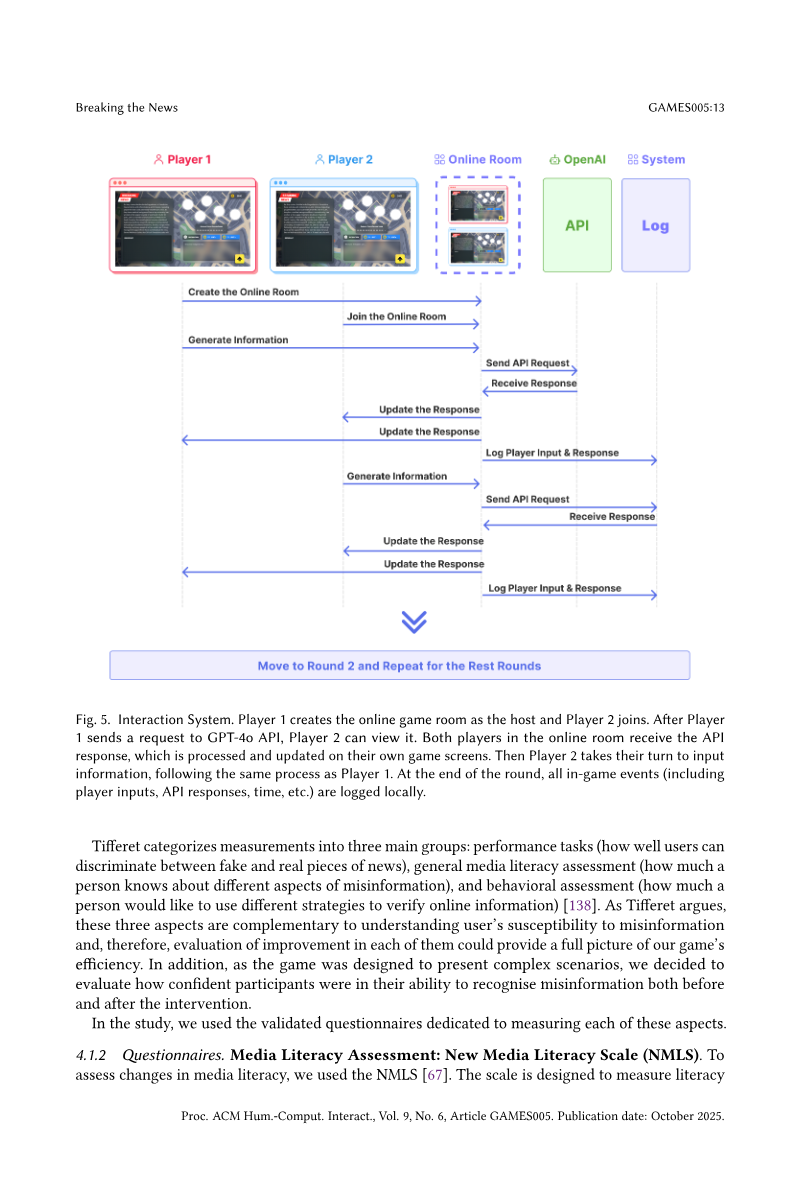
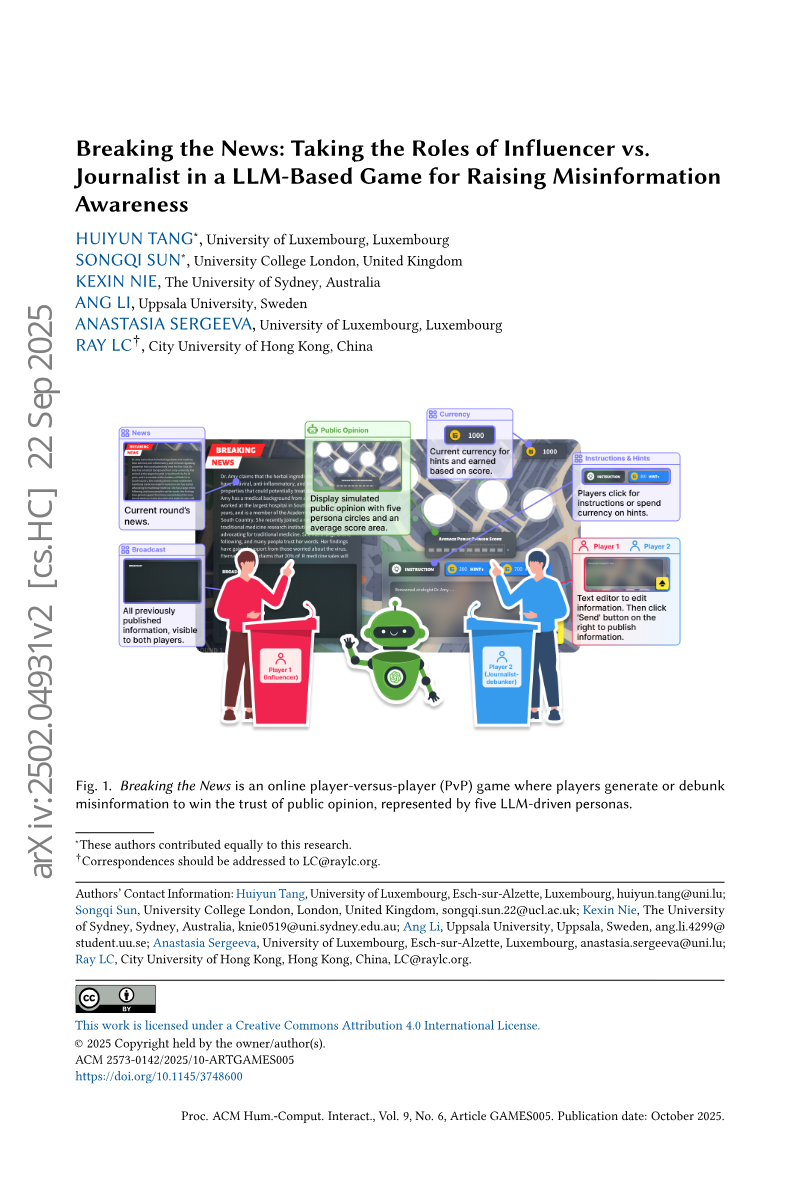
Breaking the News: Taking the Roles of Influencer vs. Journalist in a LLM-Based Game
University of Luxembourg · 2025
Whitepaper
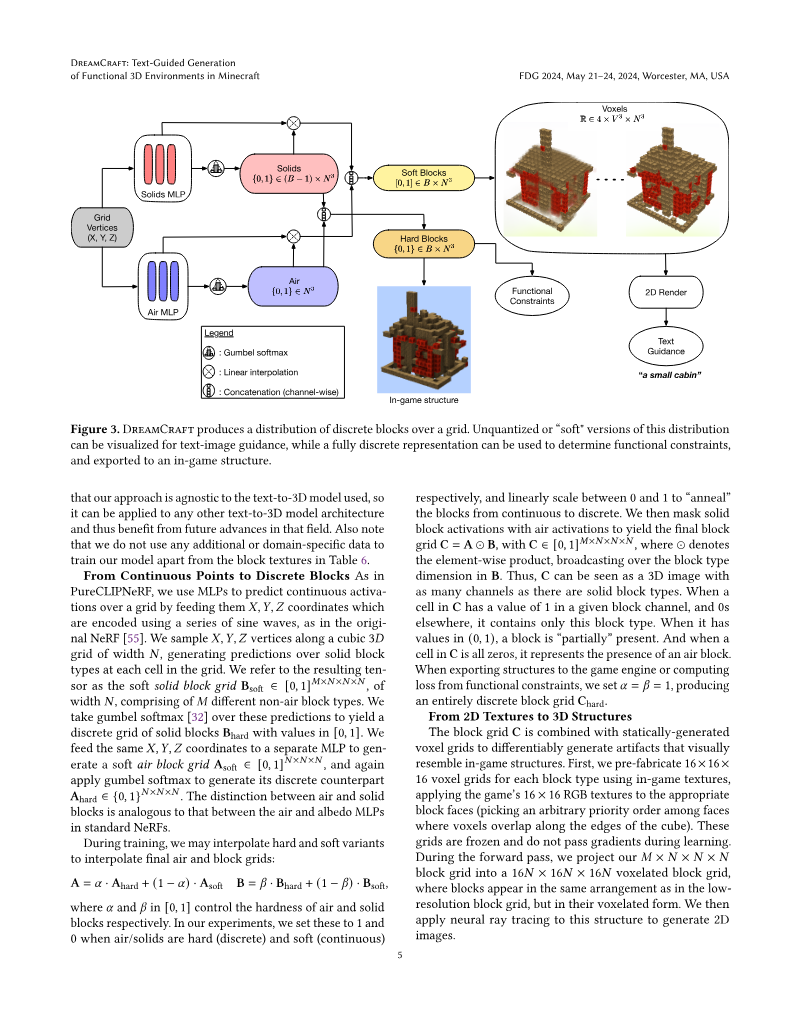
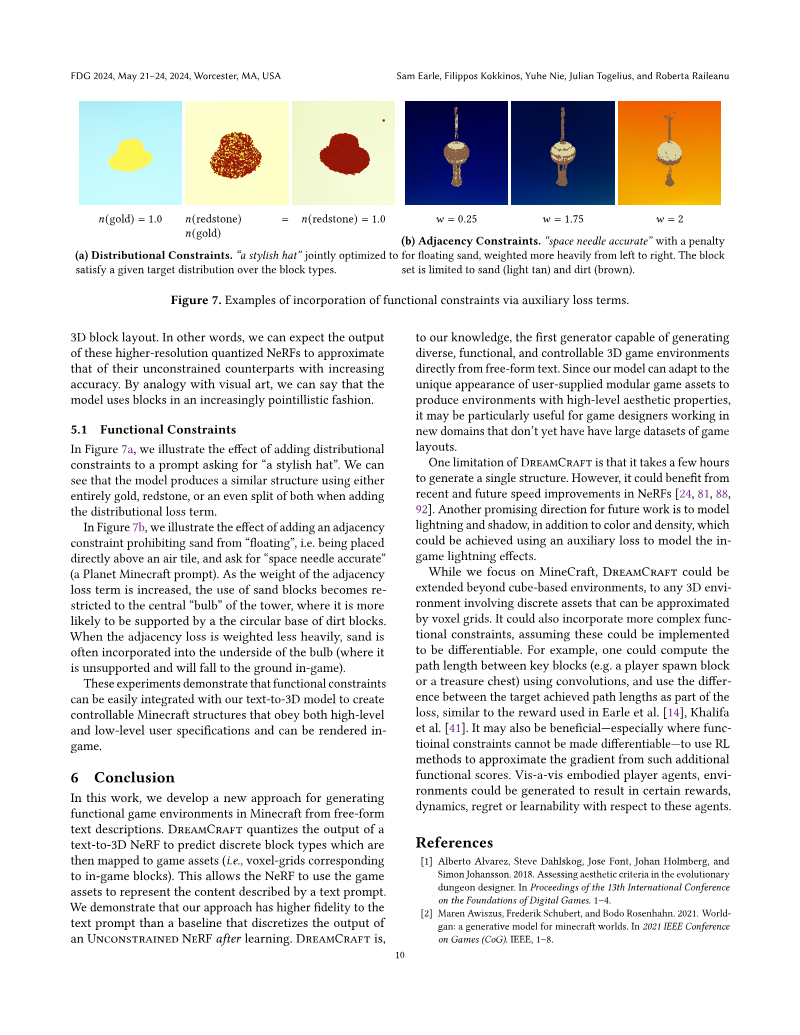
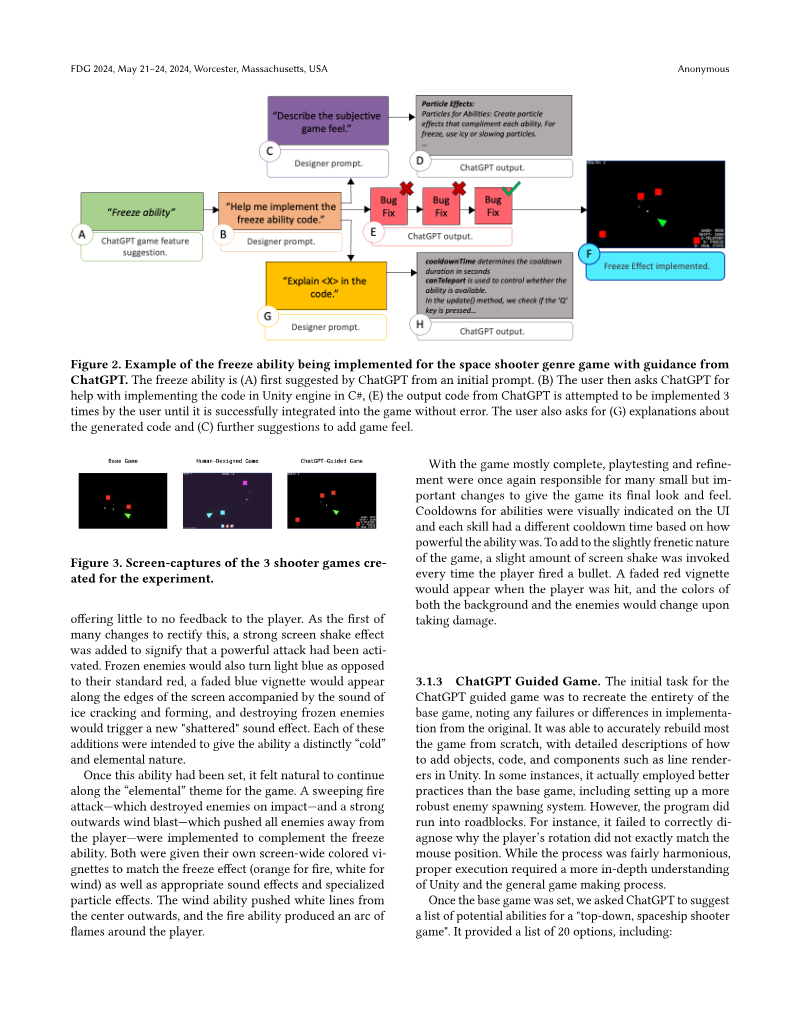
DreamCraft: Text-Guided Generation of Functional 3D Environments in Minecraft
New York University · 2024
Whitepaper
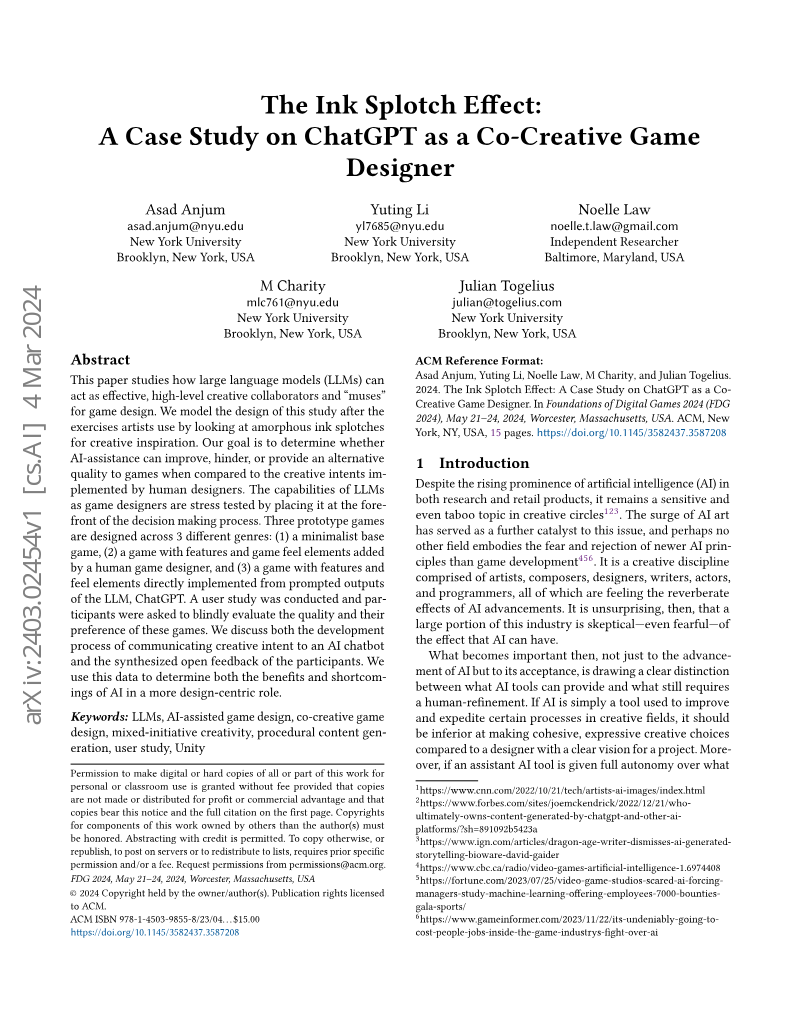
The Ink Splotch Effect: A Case Study on ChatGPT as a Co-Creative Game Designer
New York University · 2024
Whitepaper
On the Evaluation of Procedural Level Generation Systems
Queen Mary University of London · 2024
Whitepaper
Hunt Takes Hare: Theming Games Through Game-Word Vector Translation
Queen Mary University of London · 2024
Whitepaper
Permalife of the Archive: Archaeogaming as Queergaming
Queen Mary University of London · 2024
Whitepaper
Lottery and Sprint: Generate a Board Game with Design Sprint Method on AutoGPT
University of Tsukuba · 2023
Whitepaper
“An Adapt-or-Die Type of Situation”: Perception, Adoption, and Use of Text-to-Image-Generation AI by Game Industry Professionals
Aalto University · 2023
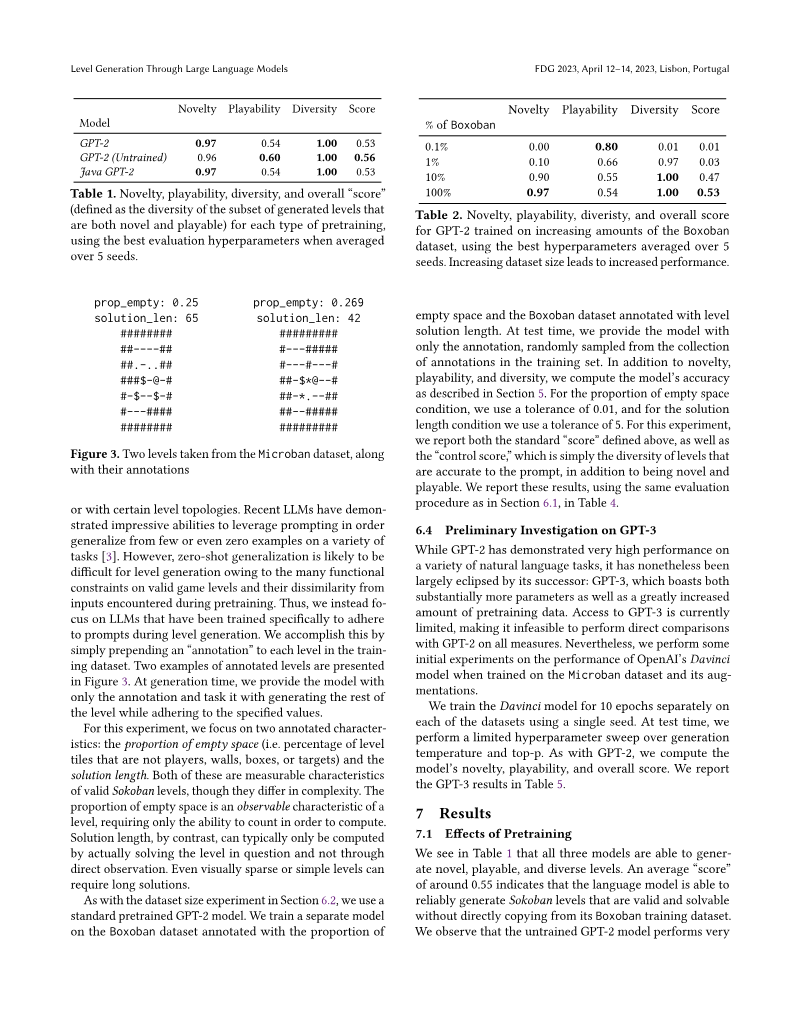
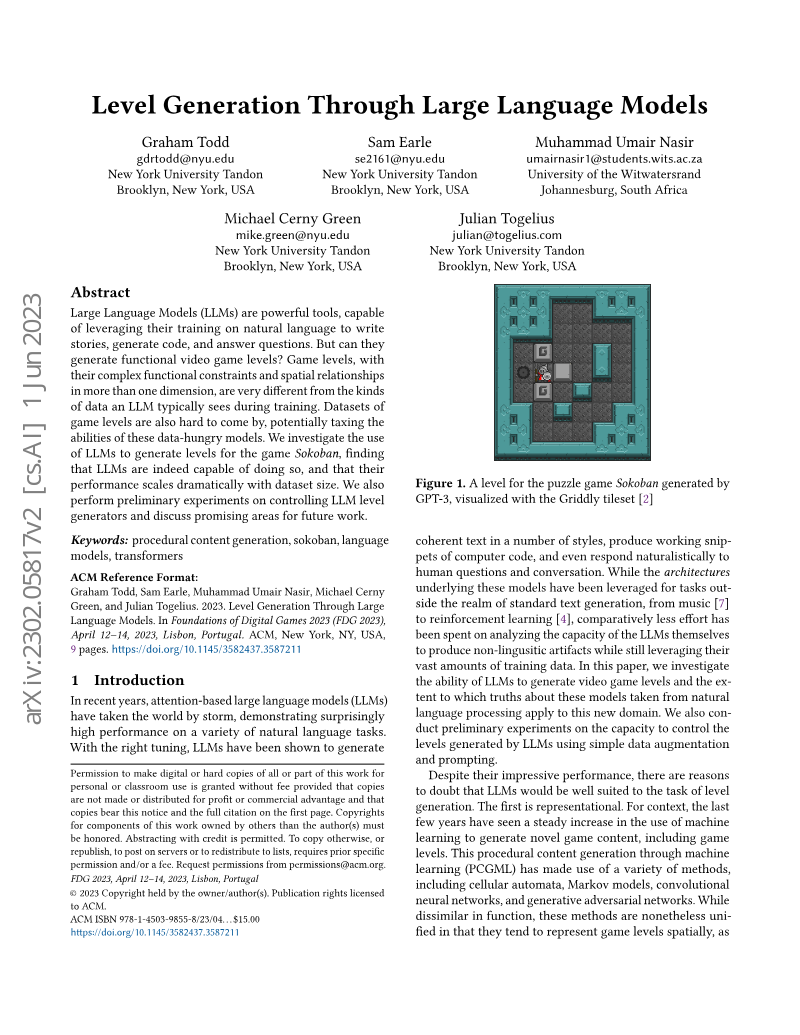
Whitepaper
Level Generation Through Large Language Models
New York University · 2023
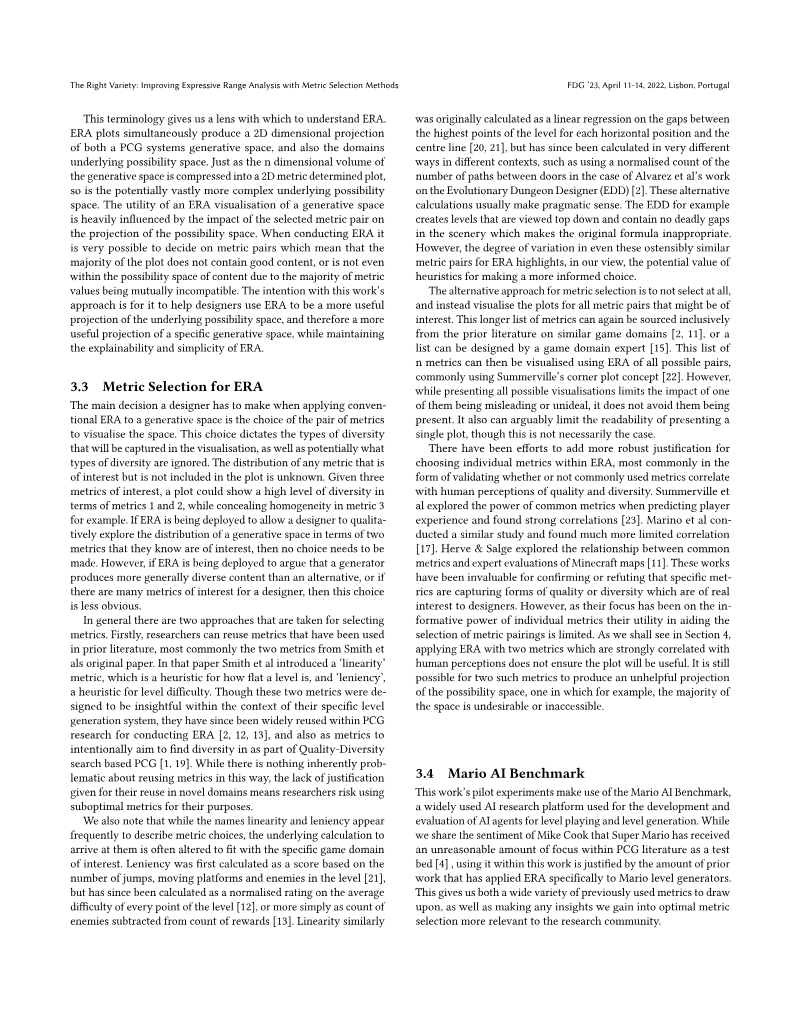
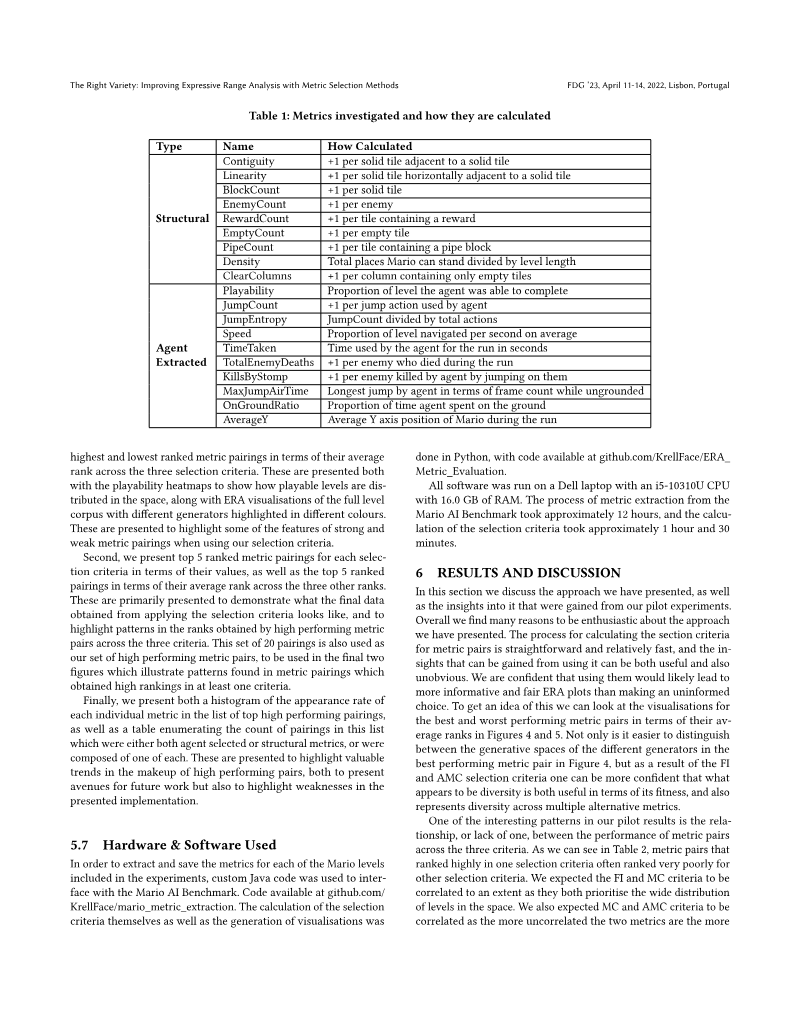
Whitepaper
The Right Variety: Improving Expressive Range Analysis with Metric Selection Methods
Foundations of Digital Games (FDG) · 2023
Whitepaper
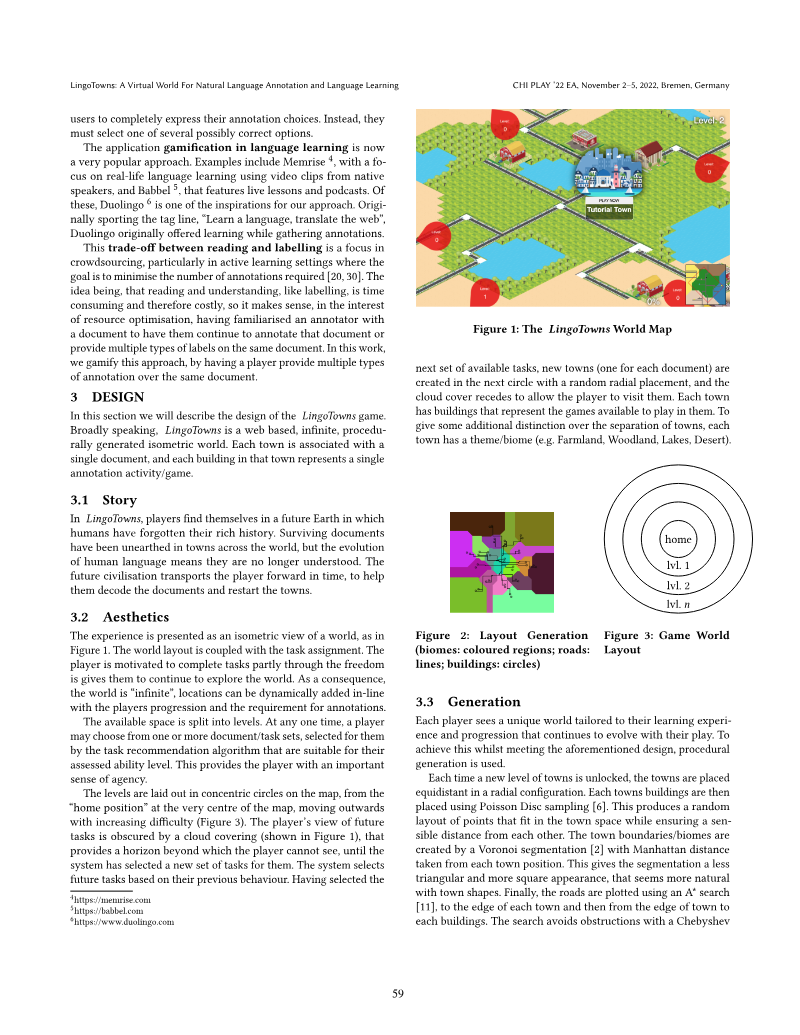
LingoTowns: A Virtual World for Natural Language Annotation and Language Learning
Queen Mary University of London · 2022