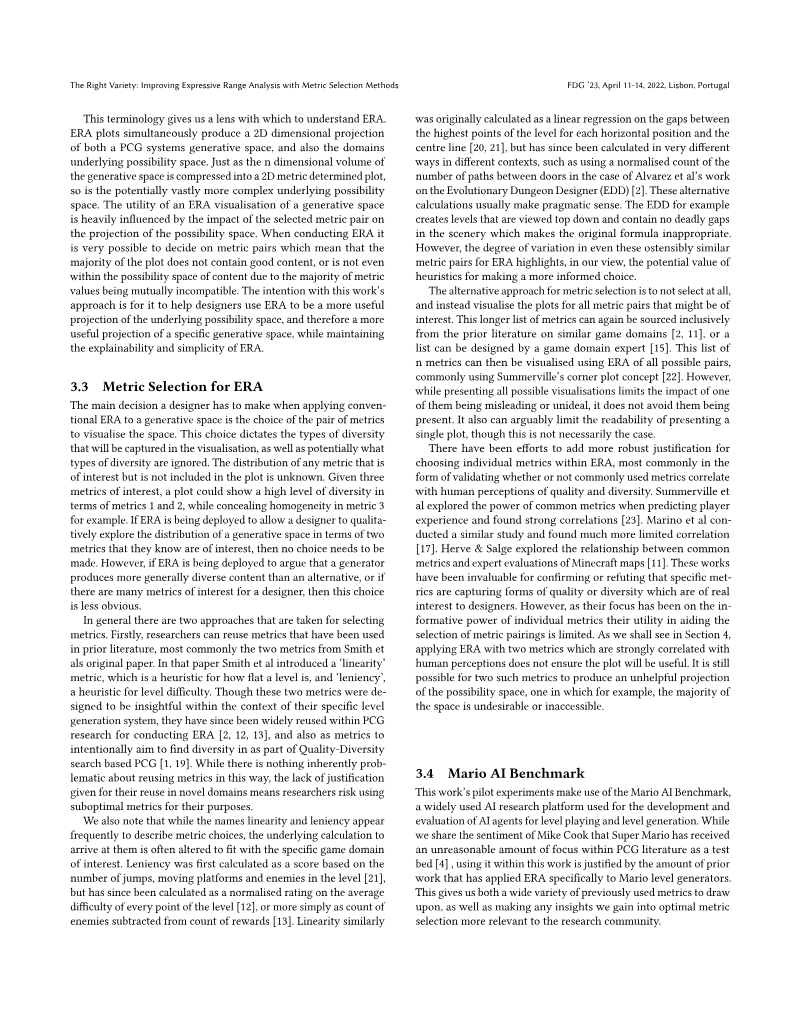
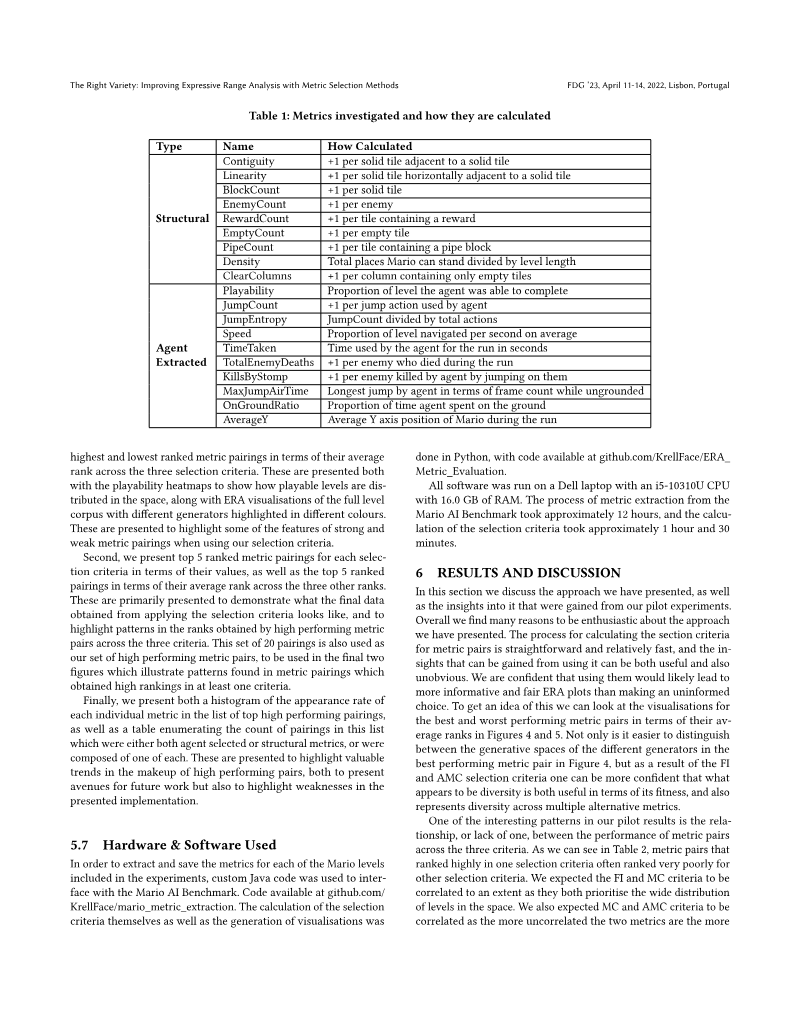
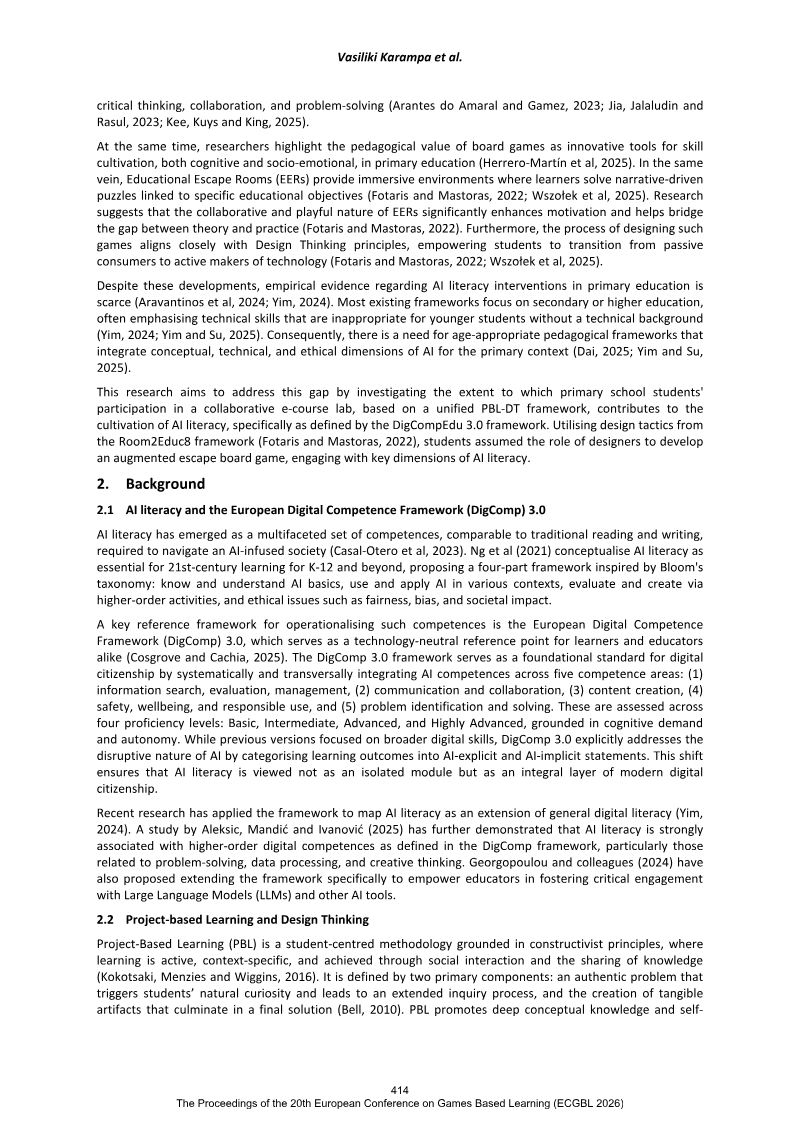
LingoTowns is a web-based, procedurally generated virtual world platform designed to integrate multiple Games with a Purpose (GWAPs) for natural language processing (NLP) annotation and language learning. The platform’s primary thesis is that by wrapping distinct, task-specific annotation games within a cohesive, immersive, and gamified meta-structure, developers can improve player engagement, ensure higher-quality data collection, and provide a more effective educational experience for language learners.
The platform utilizes a central progression system that assigns tasks based on a player’s assessed skill level, ensuring that annotation difficulty scales appropriately with the user's linguistic development. By employing knowledge tracing and procedural content generation, the system creates an infinite, evolving world where players explore different "towns"—each representing a unique document—and complete specific annotation activities, such as part-of-speech tagging, noun-phrase identification, and coreference resolution. This approach addresses common limitations in existing GWAPs, such as poor user retention, lack of interactivity, and the inability to handle complex, multi-level annotation pipelines.
The design emphasizes usability and entertainment, moving away from simple micro-tasking toward a more holistic, game-like experience. The platform currently features three core games—CafeClicker, PhraseFarm, and Lingotorium—which have been refined through user studies to improve on-boarding and feedback mechanisms. By centralizing the annotation pipeline, the system ensures that data verified at one level of the linguistic hierarchy can inform subsequent tasks, thereby optimizing both the educational journey for the learner and the accuracy of the resulting annotated corpora. The project serves as a scalable framework for future collaboration, aiming to support a wider range of NLP tasks while providing a sustainable, non-financial incentive structure for contributors.