1 free read left. Create a free account for unlimited reading + AI research.
Create free accountArticle GWI
1 free read left. Create a free account for unlimited reading + AI research.
Create free accountArticleGWI
The sector reached $137.9 billion in 2018. Despite this growth, the industry struggles with toxic subcultures and marginalization.
The gaming industry faces a critical need to modernize its approach to diversity and inclusion to remain competitive and relevant. Despite the sector’s massive financial growth, reaching $137.9 billion in 2018, the industry continues to struggle with toxic subcultures and the marginalization of women and ethnic minorities. The primary thesis is that outdated marketing strategies and a lack of diverse representation in game development alienate a significant portion of the potential consumer base, ultimately hindering long-term market expansion.
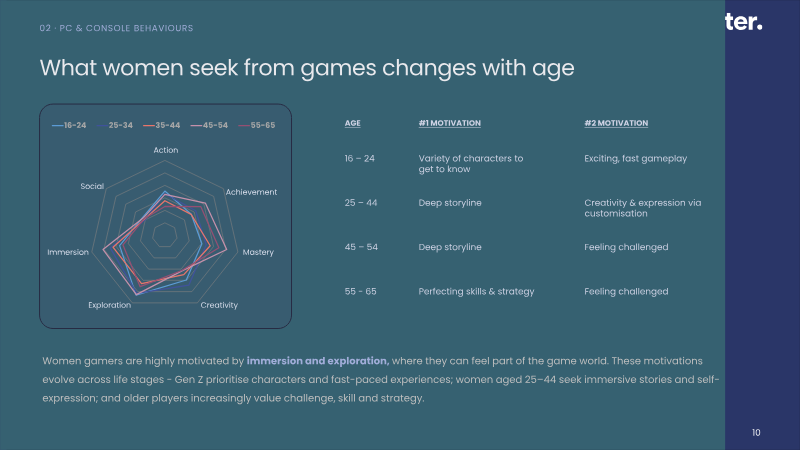
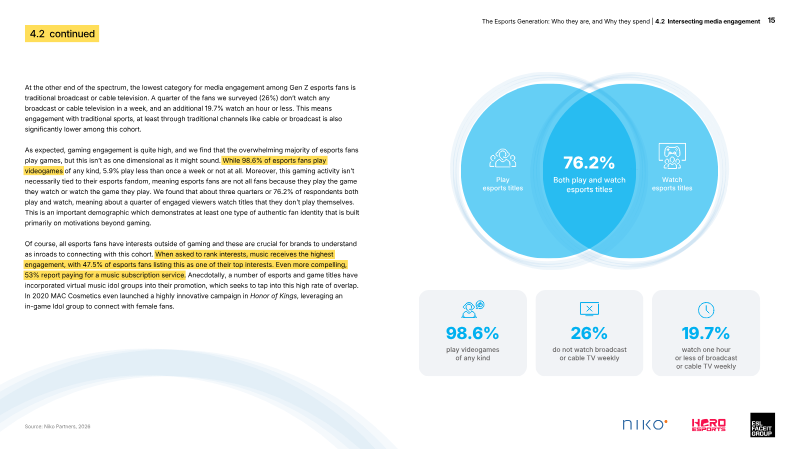
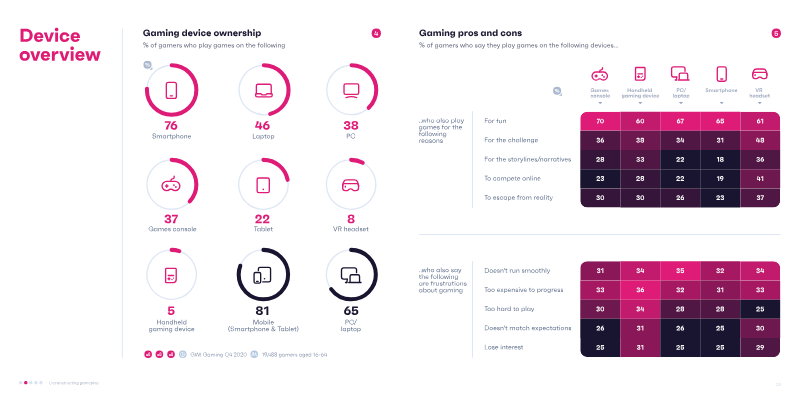
Data indicates that women are a major, yet under-served, segment of the gaming population. Approximately 72% of women play mobile games, matching the participation rate of men, and female mobile gamers spend an average of nearly four hours daily on their devices. Furthermore, interest in spectator gaming is rising, with 23% of women having watched a live gaming stream and 17% having viewed an esports tournament in the month prior to the analysis. Despite these figures, women are frequently relegated to secondary roles in game narratives, and female professionals in the industry have historically faced significant harassment.
The industry also exhibits a persistent gap in ethnic diversity, both in the workforce and in content creation. While gaming is increasingly prominent in high-growth regions like APAC, LATAM, and the Middle East, these demographics remain underrepresented among developers. Addressing these disparities is not merely a matter of social responsibility but a strategic imperative. By fostering inclusive environments and creating relatable, diverse characters, companies can better engage a global audience, drive deeper user empathy, and capitalize on significant, untapped monetization opportunities.

GWI · 2025

GWI · 2023

GWI · 2023

GWI · 2022

GWI · 2022

GWI · 2022

GWI · 2021

GWI · 2021

GWI · 2021

GWI · 2020

GWI · 2020

GWI · 2019
PocketGamer.biz · 2017