1 free read left. Create a free account for unlimited reading + AI research.
Create free accountArticle GWI
1 free read left. Create a free account for unlimited reading + AI research.
Create free accountArticleGWI
Long-term engagement is now the core driver of revenue.
Key Shift. The gaming industry has shifted from one-time purchases to a live-service model.
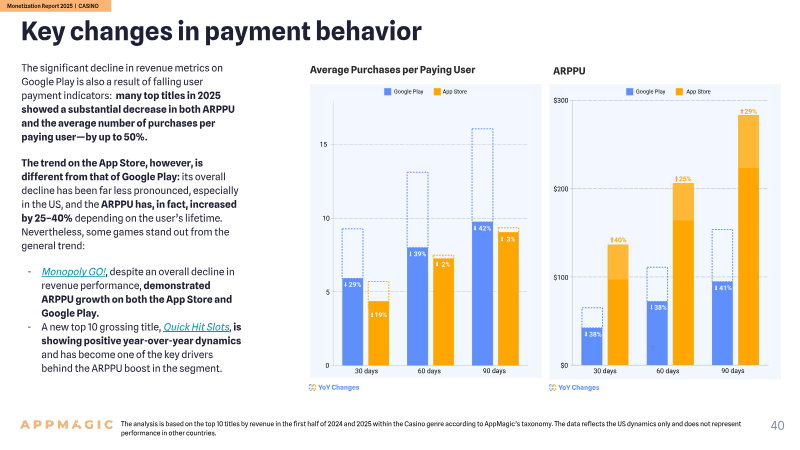
The gaming industry has evolved into a $200 billion global powerhouse, shifting from traditional one-time purchases to a complex economy driven by live-service models, microtransactions, and subscription-based access. The primary objective is to analyze how these monetization shifts impact brands, advertisers, and developers, emphasizing that long-term engagement is now the core driver of revenue.
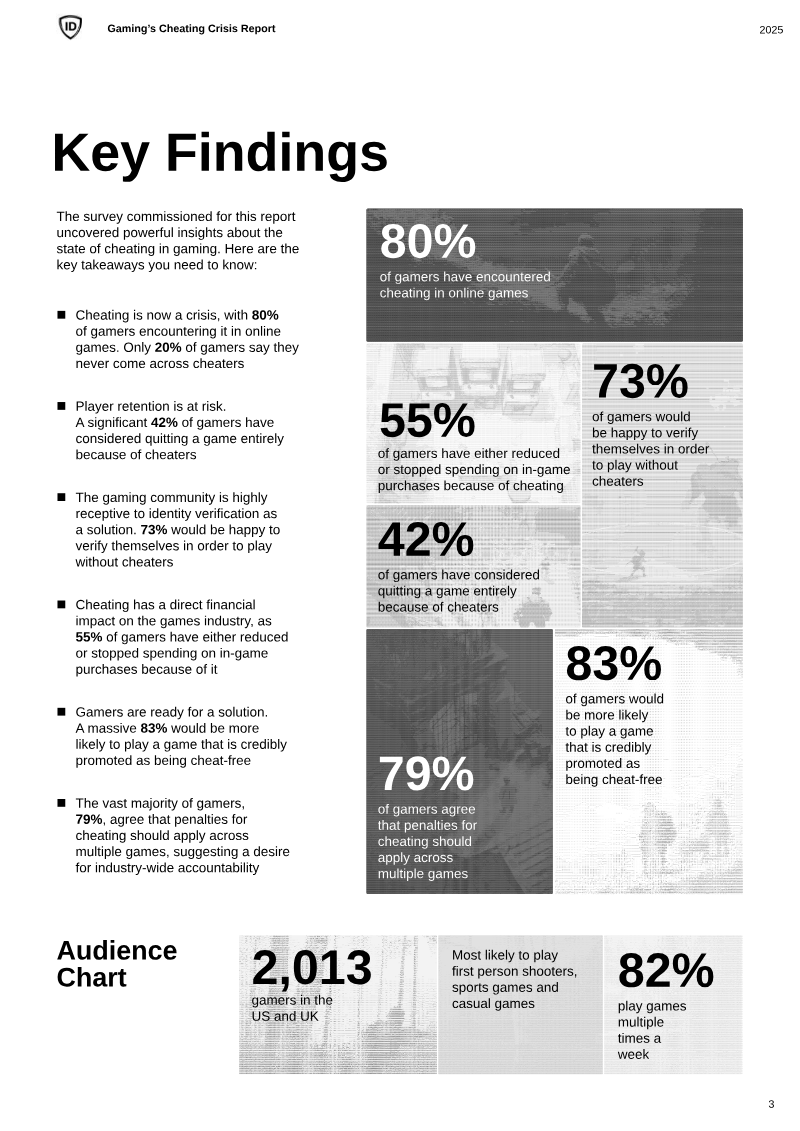
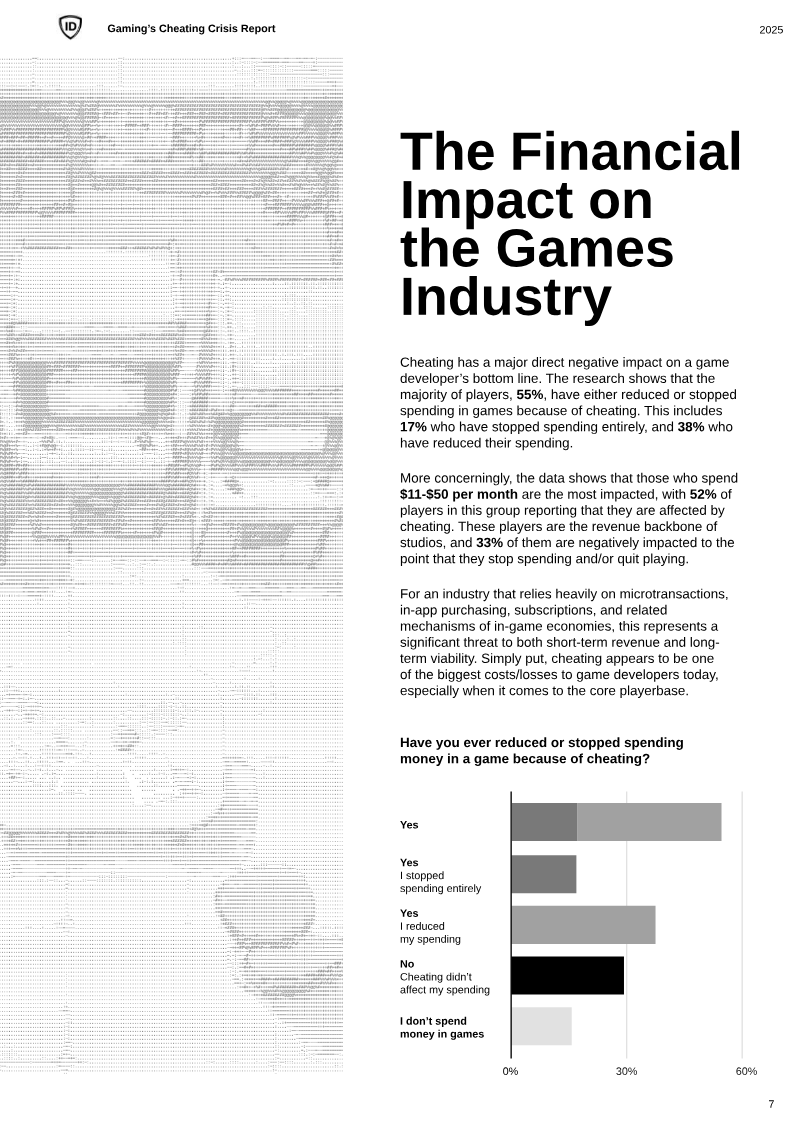
Key findings indicate a significant transition toward free-to-play models, with over one-third of global gamers engaging with such titles monthly, compared to fewer than one in five purchasing traditional games. Subscription services have seen a 23% increase in usage since late 2021, while physical game purchases have declined by 30% over the same period. In the United States, gaming fans contribute to this digital economy by spending an average of $18.60 monthly on in-game purchases and $15.07 on accessories. Furthermore, in-game advertising is emerging as a critical revenue stream, with 14% of consumers discovering new products through these channels.
The analysis covers global trends across console, PC, and mobile platforms, utilizing data collected through late 2024. While emerging technologies like blockchain and NFTs remain experimental with limited adoption, the industry is increasingly focused on AI-driven personalization and ethical monetization practices to navigate tightening regulatory environments. The findings suggest that for businesses to remain competitive, they must move beyond simple ad placement and integrate seamlessly into the gaming experience through branded items, seasonal content, and partnerships that provide genuine value to the player base.

GWI · 2023

GWI · 2023

GWI · 2022

GWI · 2022

GWI · 2022

GWI · 2021

GWI · 2021



GWI · 2021

GWI · 2020
GWI · 2020

GWI · 2019

GWI · 2019
GameDiscoverCo · 2026