1 free read left. Create a free account for unlimited reading + AI research.
Create free accountWhitepaper Loading... The Journal of the Canadian Game Studies Association
1 free read left. Create a free account for unlimited reading + AI research.
Create free accountWhitepaperLoading... The Journal of the Canadian Game Studies Association
The randomized rewards mirror gambling mechanics.
Key concern. Loot boxes are increasingly viewed as a form of gambling that fosters compulsive spending, particularly among younger, more vulnerable demographics.
Loot boxes represent a significant point of contention within the global video game industry, as their reliance on randomized rewards mirrors gambling mechanics and fosters compulsive spending behaviors. These monetization models pose substantial risks to consumer welfare, particularly among younger demographics who are increasingly susceptible to the psychological triggers inherent in digital chance-based systems. While the industry has attempted to mitigate criticism through voluntary disclosures of probability odds, these self-regulatory measures remain largely inadequate in addressing the underlying social harms and potential for exploitation.
To address these concerns within the Singaporean market, a multifaceted regulatory framework is necessary to balance consumer protection with the continued economic viability of the gaming sector. By applying Lawrence Lessig’s modalities of constraint—law, norms, markets, and architecture—it becomes clear that a singular approach is insufficient. While market shifts toward alternative models like battle passes offer some relief, they are not universally applicable across all game genres. Consequently, a more nuanced, soft regulatory strategy is required to effectively curb predatory practices.
Proposed interventions for Singapore include the mandatory removal of manipulative audio-visual design elements, the enforcement of robust age verification protocols, and the implementation of tiered consumption taxes on randomized microtransactions. These measures aim to discourage the most addictive aspects of loot box mechanics without stifling innovation or industry growth. By integrating legal mandates with architectural design changes and evolving social norms, Singapore can establish a sustainable environment that prioritizes player safety while maintaining a competitive and thriving digital entertainment landscape.
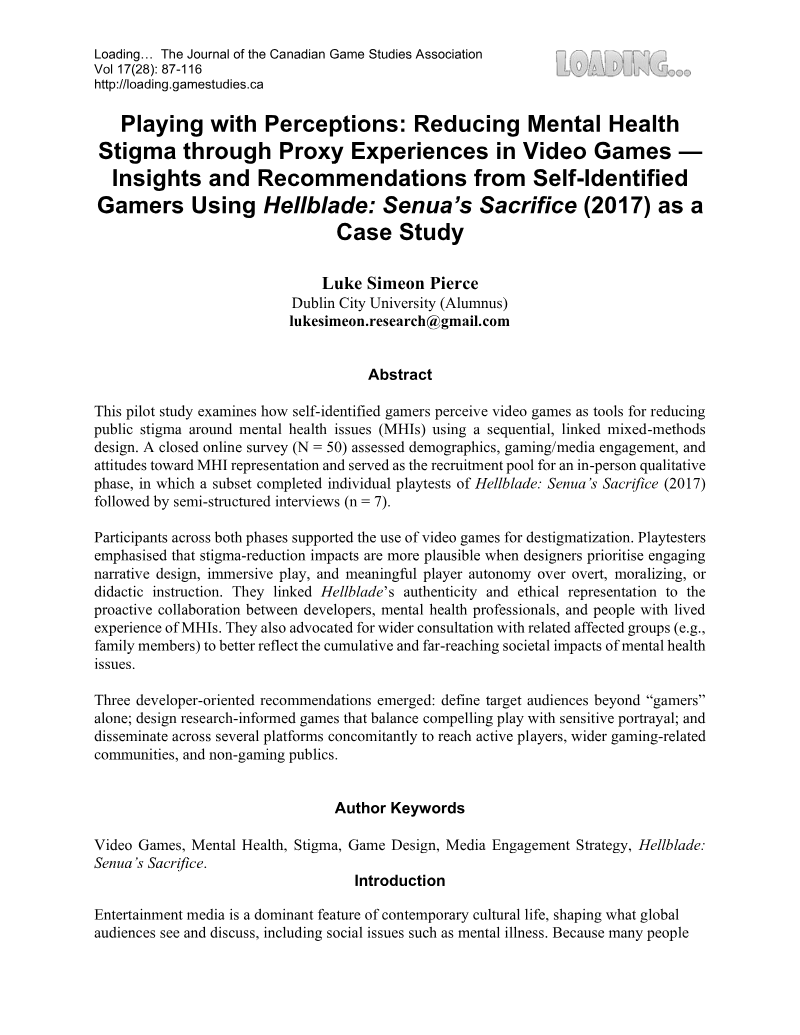
Loading... The Journal of the Canadian Game Studies Association · 2026
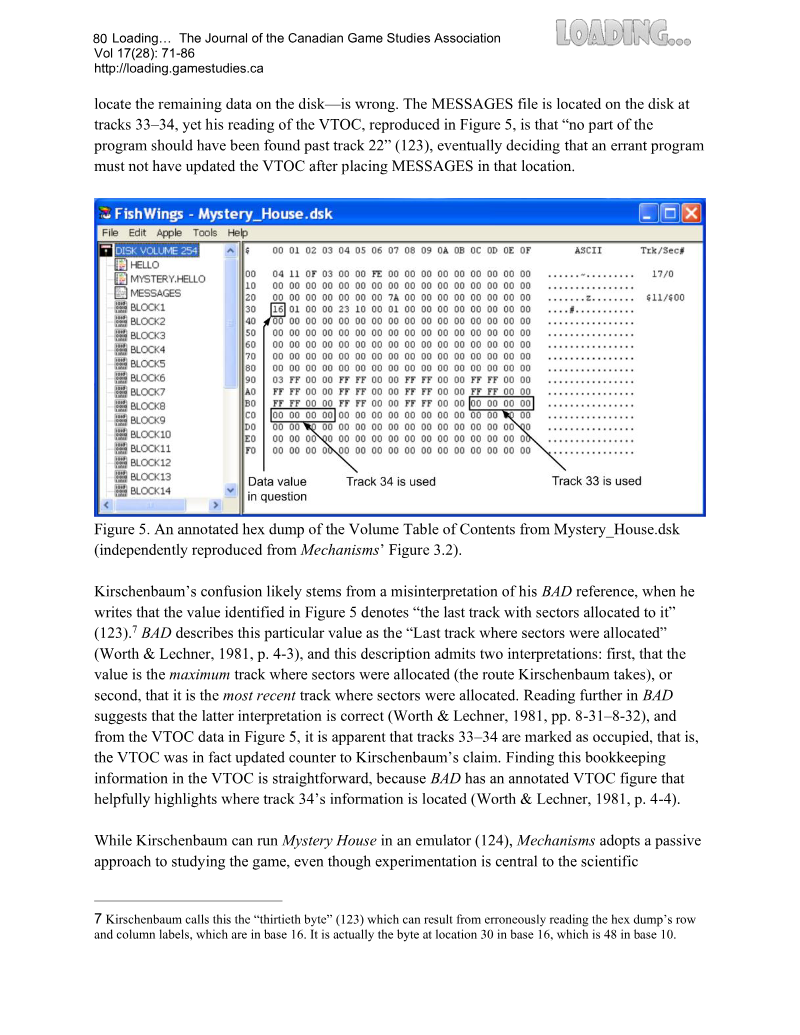
Loading... The Journal of the Canadian Game Studies Association · 2026
Loading... The Journal of the Canadian Game Studies Association · 2025
Loading... The Journal of the Canadian Game Studies Association · 2025
Loading... The Journal of the Canadian Game Studies Association · 2025
Loading... The Journal of the Canadian Game Studies Association · 2025
Loading... The Journal of the Canadian Game Studies Association · 2024
Loading... The Journal of the Canadian Game Studies Association · 2024
Loading... The Journal of the Canadian Game Studies Association · 2024
Loading... The Journal of the Canadian Game Studies Association · 2024
Loading... The Journal of the Canadian Game Studies Association · 2022
Loading... The Journal of the Canadian Game Studies Association · 2022
Loading... The Journal of the Canadian Game Studies Association · 2019