1 free read left. Create a free account for unlimited reading + AI research.
Create free accountArticle Replay. The Polish Journal of Game Studies
1 free read left. Create a free account for unlimited reading + AI research.
Create free accountArticleReplay. The Polish Journal of Game Studies
Distilling the key insights…
Video games serve as sophisticated moral laboratories for investigating the complex ethical decision-making processes required for autonomous vehicles. By moving beyond traditional, static experimental frameworks, immersive simulations offer a superior methodological approach that captures real-world cognitive processes and ethical intuitions. These digital environments allow researchers to gather diverse data points necessary for training artificial intelligence, facilitating the development of moral modules that can navigate the unpredictable nature of real-world traffic scenarios.
The integration of ethics into autonomous systems typically draws upon deontological rules, utilitarian calculations, or virtue-based machine learning models. While games provide high ecological validity, they introduce specific methodological challenges, most notably the risk of powergaming, where participants prioritize mechanical optimization over genuine ethical deliberation. To ensure these simulations remain effective tools for research, designers must carefully balance gameplay mechanics to prevent the reduction of profound moral dilemmas into purely technical or binary tasks.
Ultimately, the use of gamification in this field highlights the tension between algorithmic efficiency and the inherent ambiguity of human morality. While simulations are essential for generating the vast datasets required for machine learning, they cannot fully resolve the normative complexities of unforeseen accidents. A critical, cautious approach is required to address the lack of transparency in algorithmic decision-making, ensuring that the pursuit of technological progress does not overlook the necessity of human-centric ethical oversight in the deployment of autonomous transportation systems.
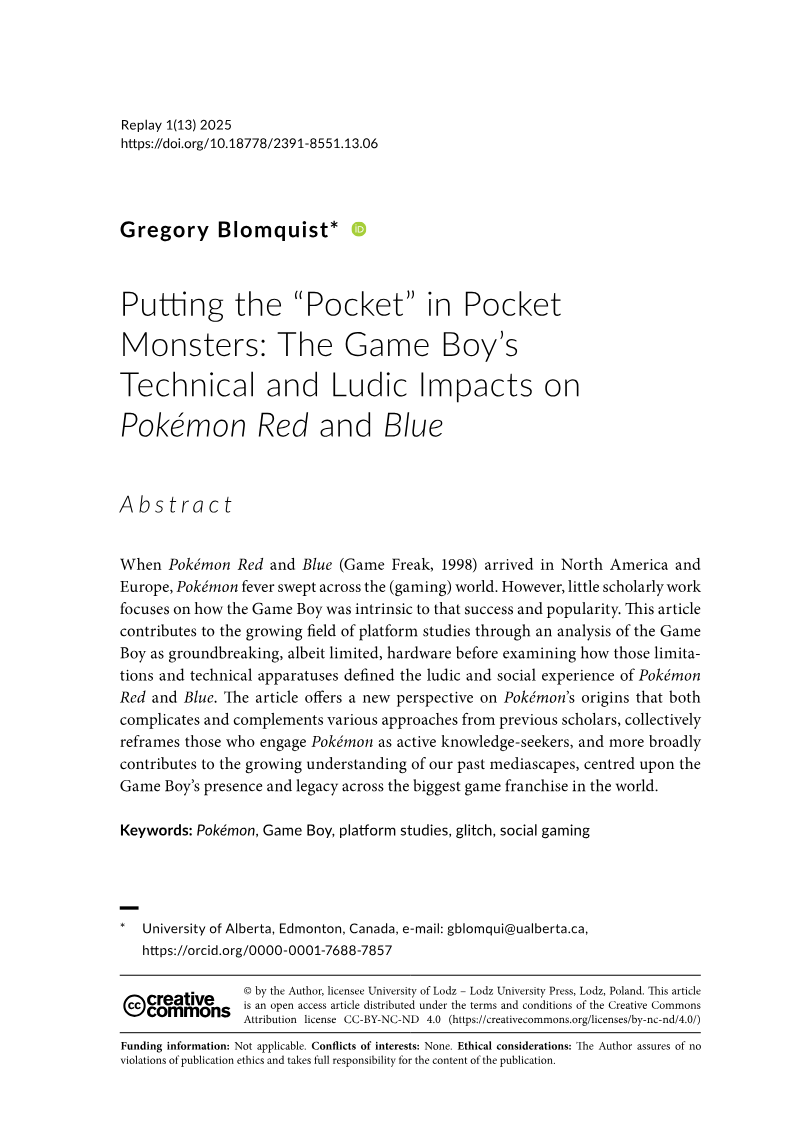
Replay. The Polish Journal of Game Studies · 2026
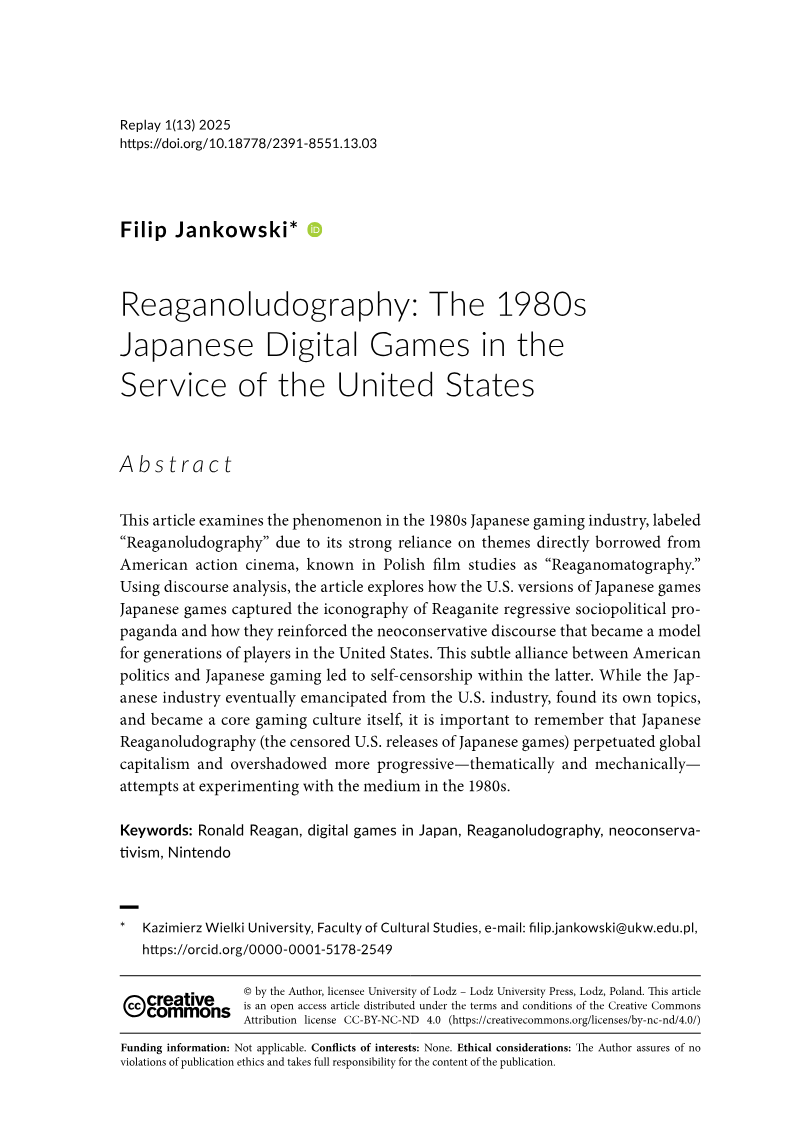
Replay. The Polish Journal of Game Studies · 2026



Replay. The Polish Journal of Game Studies · 2026
Replay. The Polish Journal of Game Studies · 2026
Replay. The Polish Journal of Game Studies · 2026
Replay. The Polish Journal of Game Studies · 2026
Replay. The Polish Journal of Game Studies · 2024

Replay. The Polish Journal of Game Studies · 2024
Replay. The Polish Journal of Game Studies · 2024
Replay. The Polish Journal of Game Studies · 2024
Replay. The Polish Journal of Game Studies · 2024
Replay. The Polish Journal of Game Studies · 2024
DiGRA · 2024