More from University of Bergen
View all
More on Game Studies
View all
Whitepaper
Disco Elysium: Existential Reflection within Crisis
University of Copenhagen · 2026
Whitepaper
The Infusion of Virtuality and Reality: Video Games in Exhibition Space and the Flow of Power
DiGRA · 2025

Report
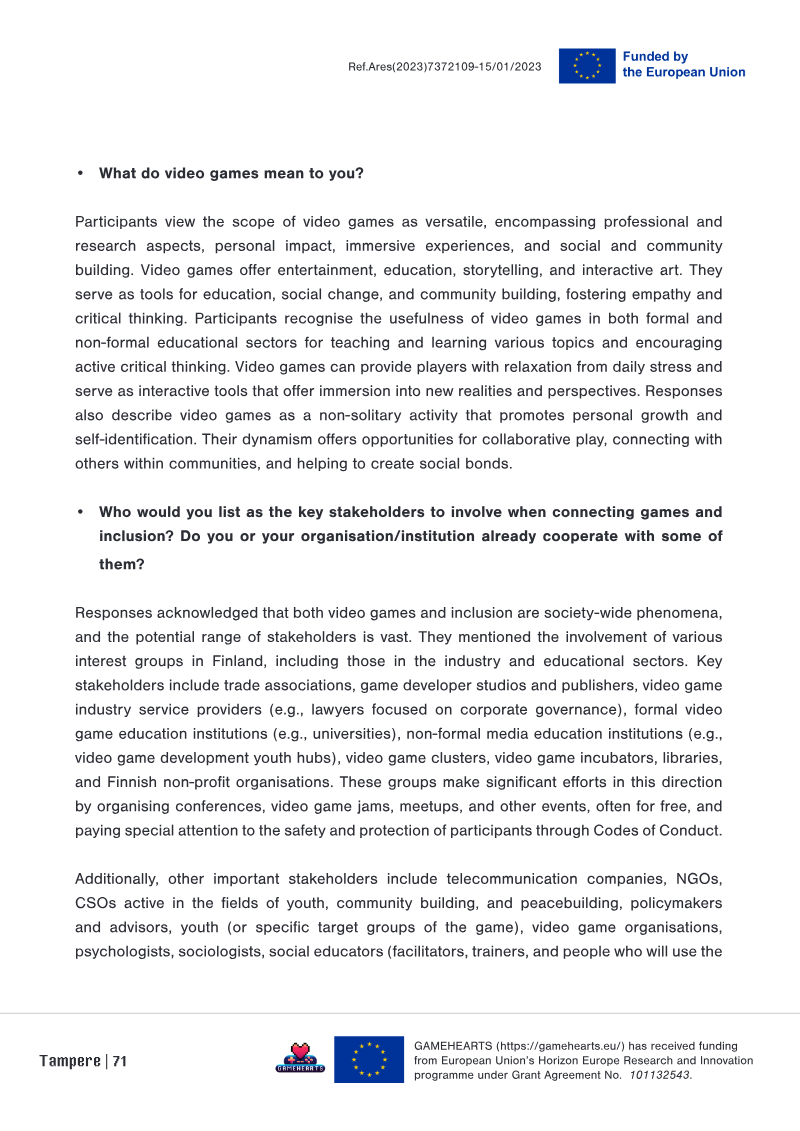
D2.2 Workshop Report: Games, Heritage, Arts, & Sport
GAMEHEARTS · 2025
Whitepaper
Gaming the Future: How Games Help Us Play What's to Come
University of Western Ontario · 2024
Whitepaper
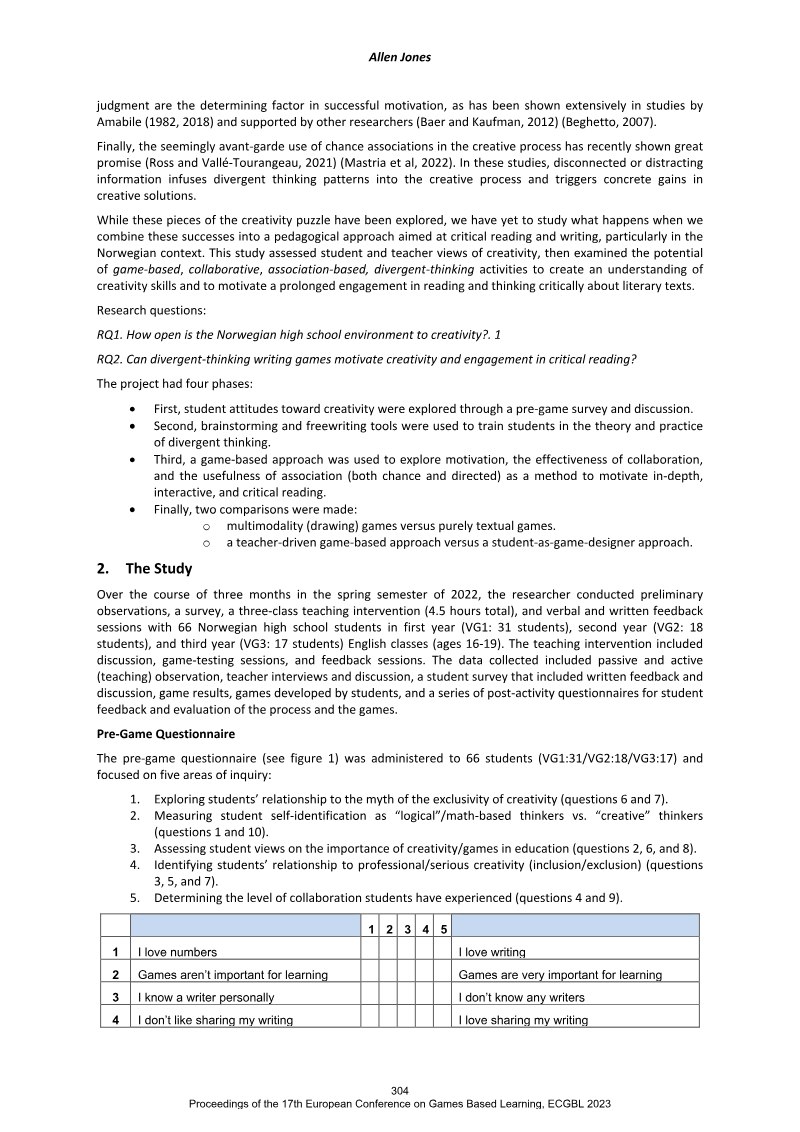
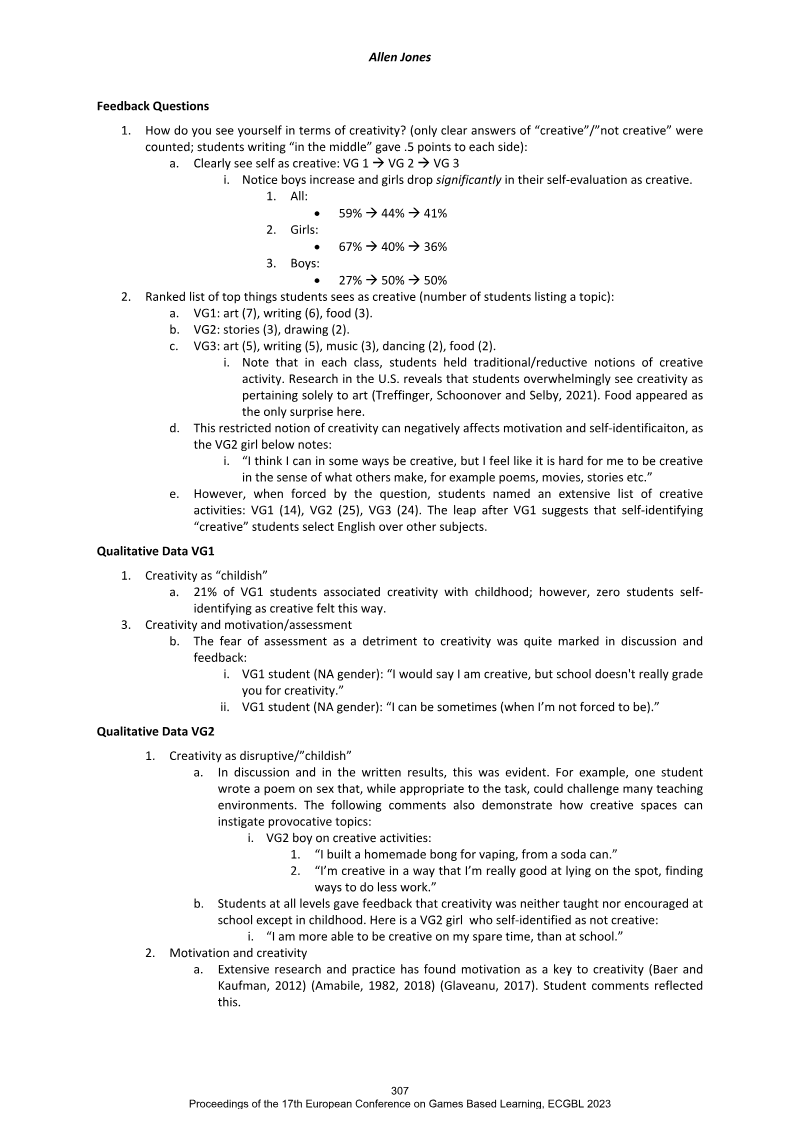
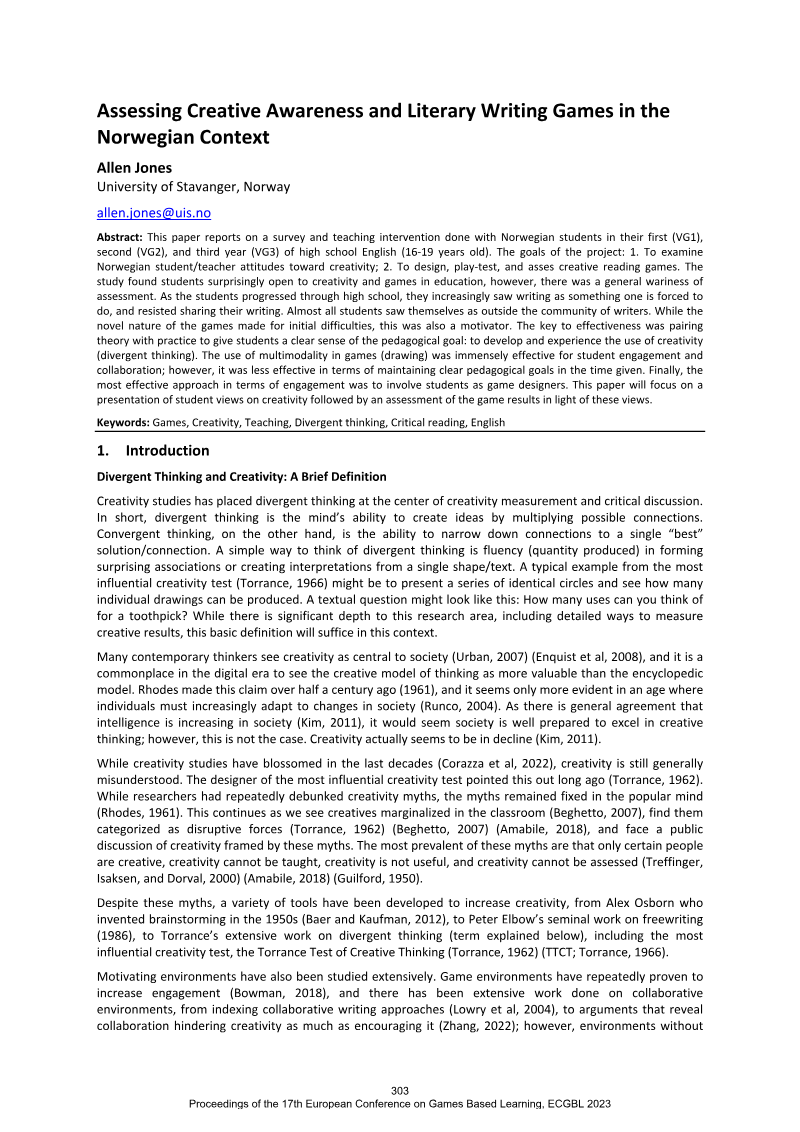
Assessing Creative Awareness and Literary Writing Games in the Norwegian Context
European Conference on Games Based Learning (ECGBL) · 2023
Whitepaper
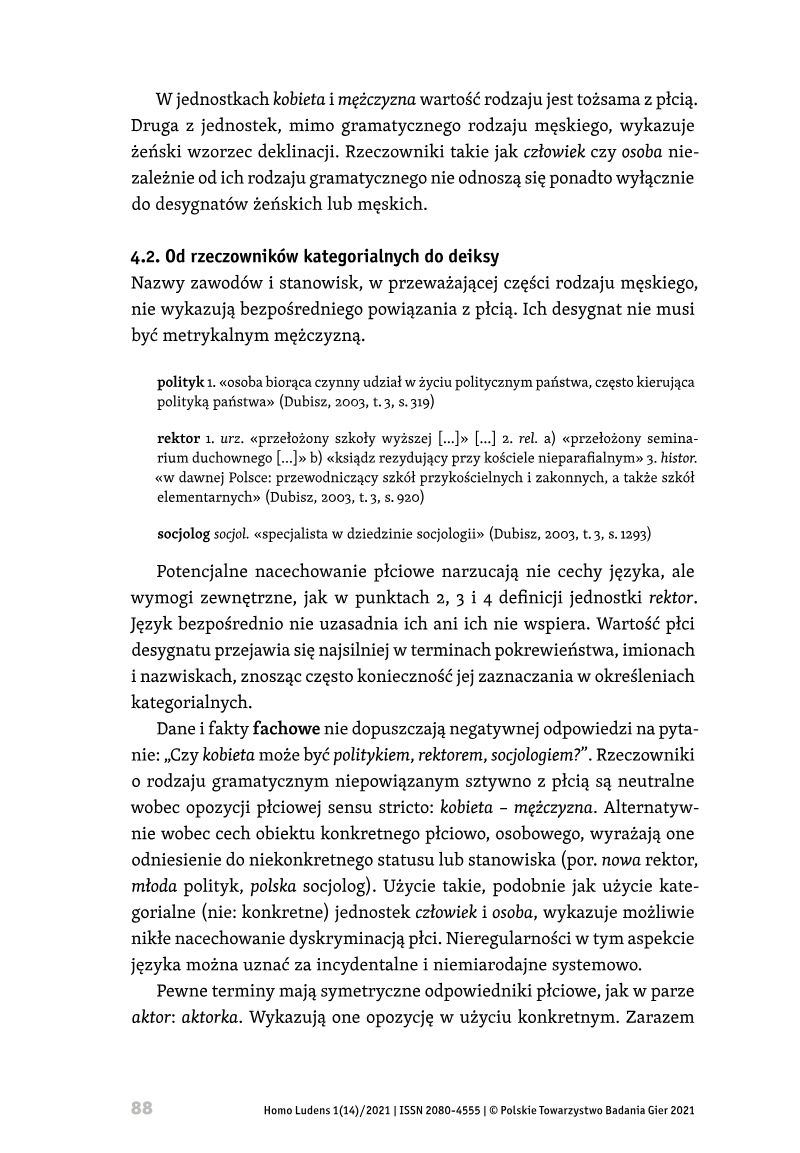
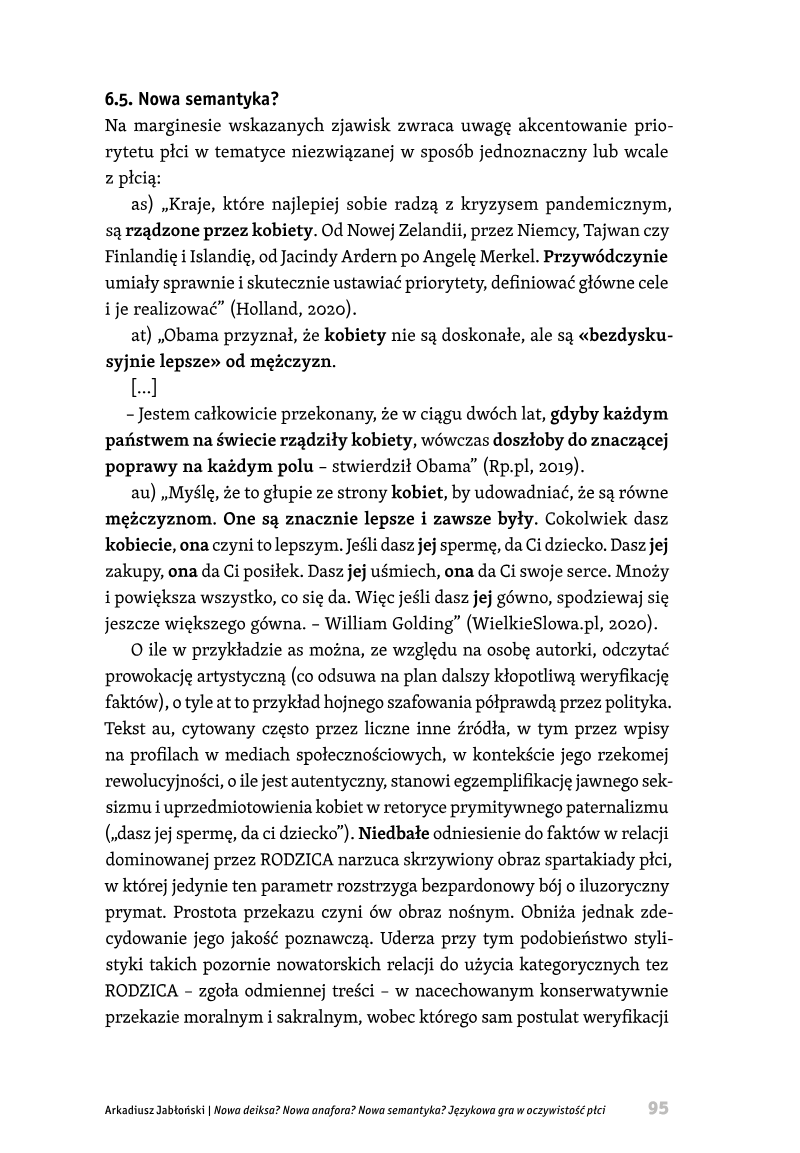
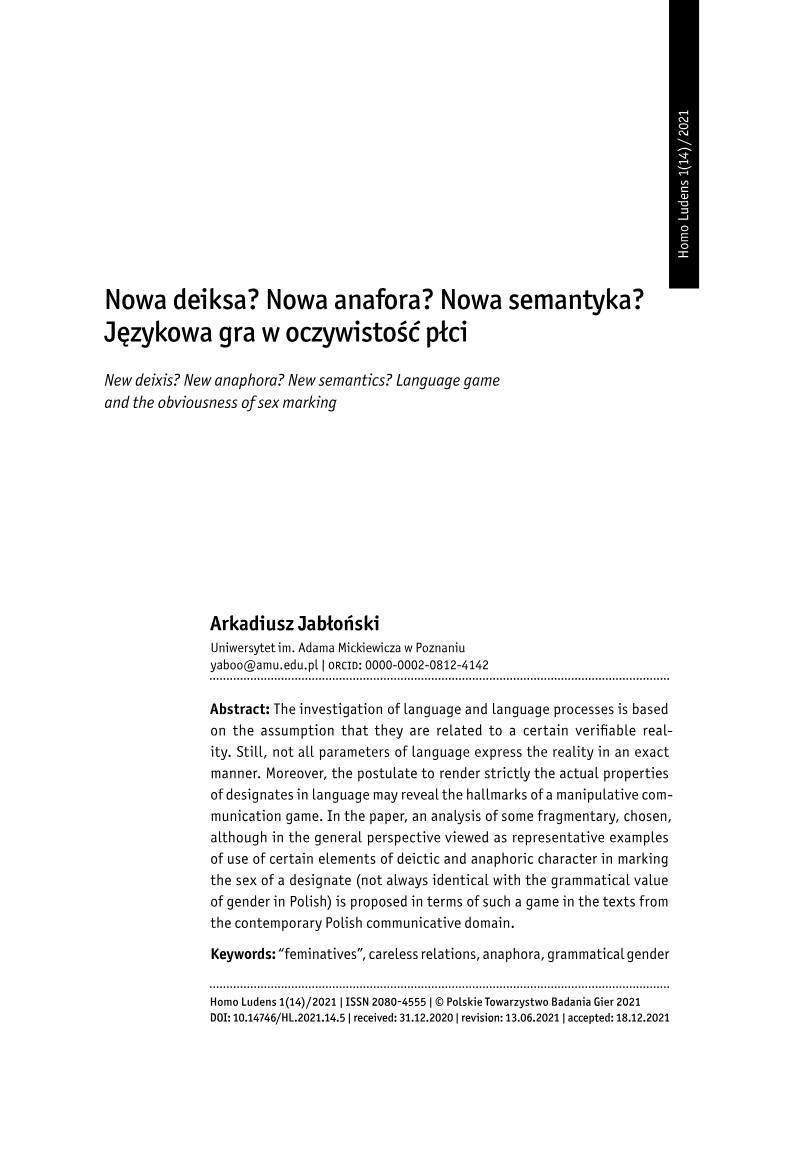
New Deixis? New Anaphora? New Semantics: Language Game and the Obviousness of Sex Marking
Homo Ludens · 2021

Whitepaper
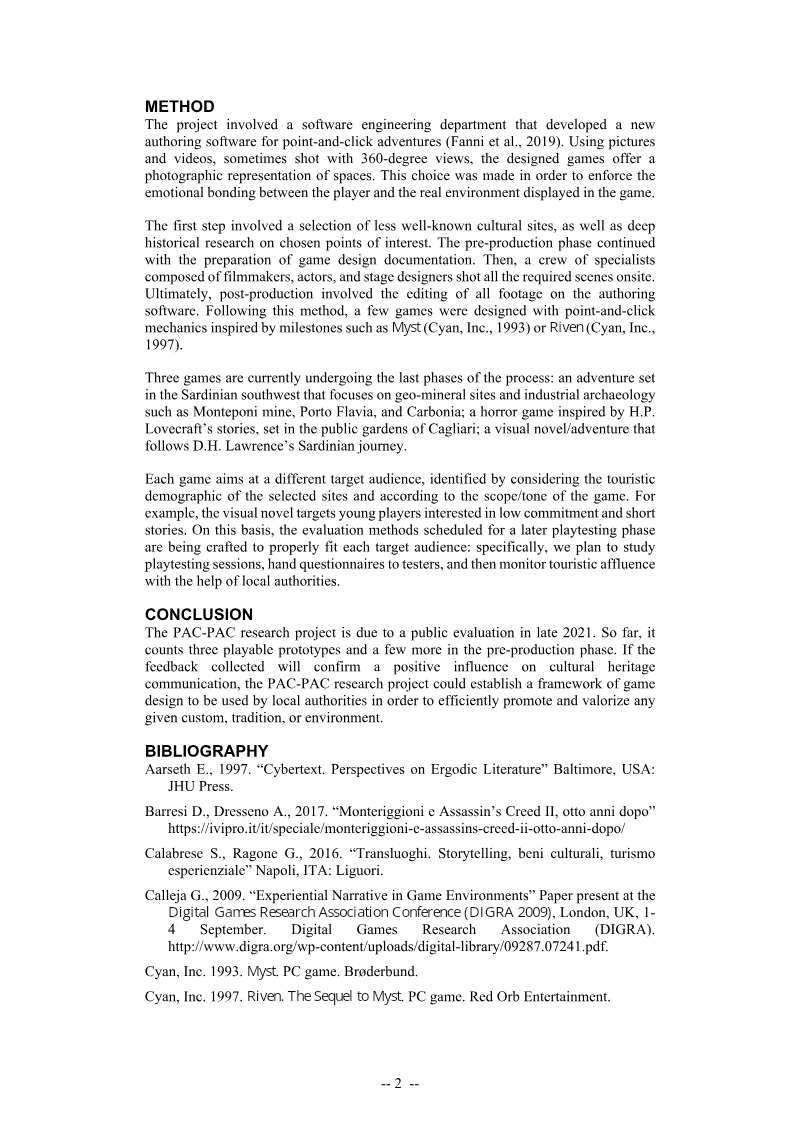
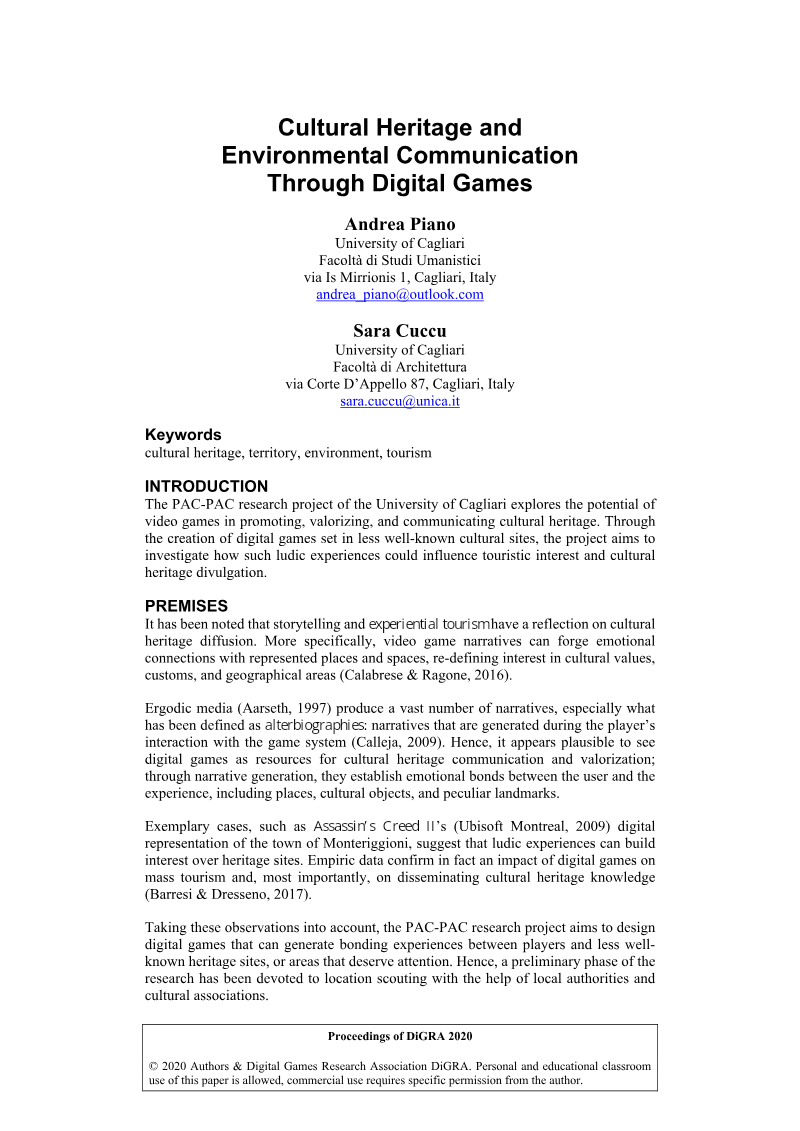
Cultural Heritage and Environmental Communication Through Digital Games
University of Cagliari · 2020
Whitepaper
Playful Crowdsourcing for Energy-Efficient Automotive Navigation
DiGRA · 2011
Whitepaper
The Game Frame: Systemizing a Goffmanian Approach to Video Game Theory
DiGRA · 2009



Whitepaper
Challenges of Simulations and Serious Games Embedded in Emergency Preparedness Platforms
European Conference on Games Based Learning (ECGBL) · 2026
Whitepaper
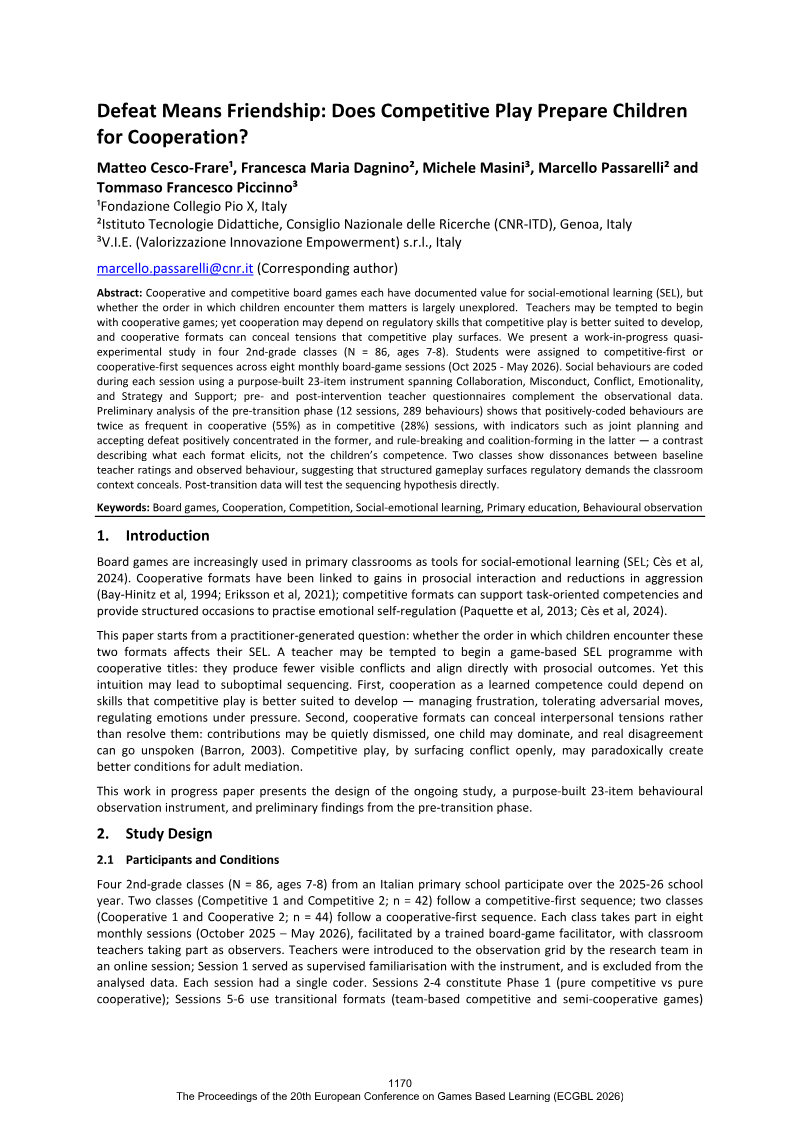
Defeat Means Friendship: Does Competitive Play Prepare Children for Cooperation?
European Conference on Games Based Learning (ECGBL) · 2026



Whitepaper
An Early-Stage Feasibility and Usability Pilot for an Immersive Serious Game to Support English Spelling and Semantic Skills
European Conference on Games Based Learning (ECGBL) · 2026