FinancialGameStop
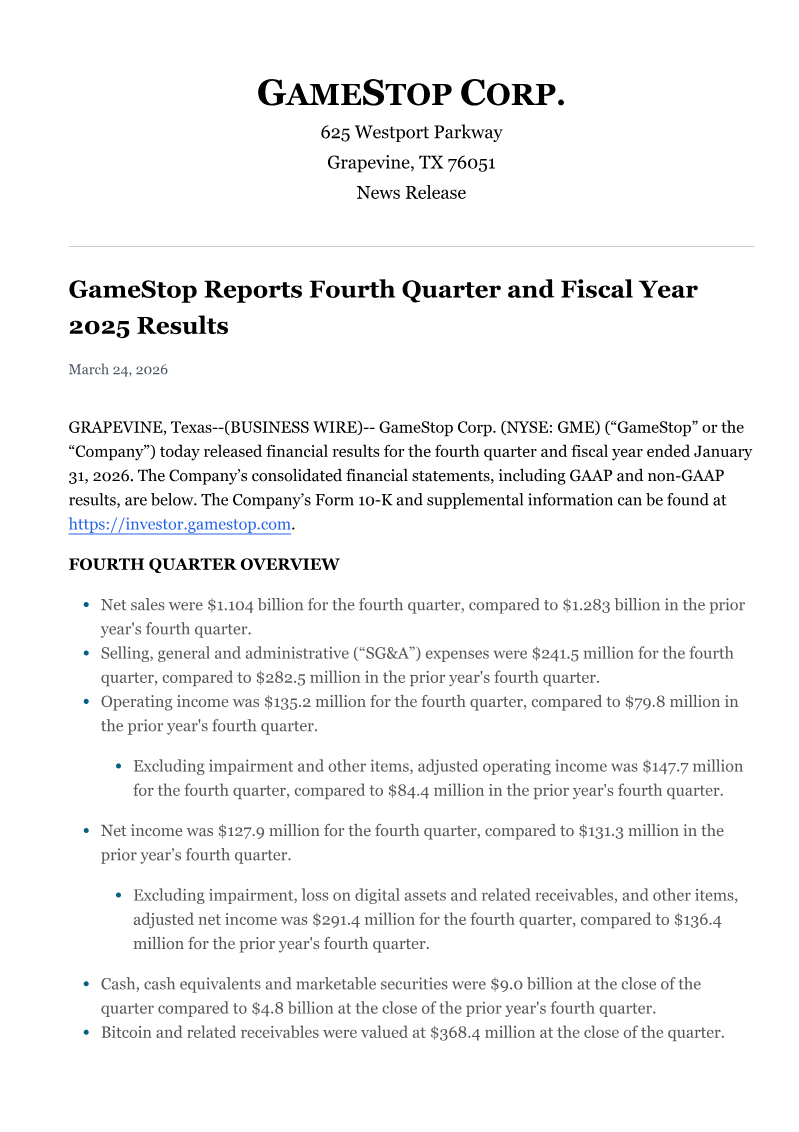
GameStop Reports Fourth Quarter and Fiscal Year 2025 Results
18 pages~30 min full read
Distilling the key insights…
GameStop’s fiscal performance reflects a strategic pivot toward long-term financial stability and operational efficiency, prioritizing profitability over top-line revenue growth. Despite a decline in annual net sales to $3.63 billion, the company achieved a substantial turnaround in core profitability, moving from an operating loss in the previous cycle to an operating income of $232.1 million. This shift is underscored by a significant rise in net income to $418.4 million, signaling that cost-cutting measures and structural realignments are successfully bolstering the bottom line.
The company’s financial health is characterized by a robust liquidity position, ending the period with $6.3 billion in cash and marketable securities. This capital strength is supported by a marked improvement in free cash flow, which reached $597.3 million. These results stem from a comprehensive transformation initiative that includes the divestment of international operations in Canada, France, and New Zealand. By streamlining its global footprint, the organization has effectively reduced overhead while focusing resources on more profitable segments.
A core component of this transition involves a deliberate change in the sales mix. While traditional hardware and software sales have experienced a decline, the collectibles segment has expanded to account for 29.2% of total revenue. This diversification strategy aims to mitigate the volatility inherent in the gaming hardware cycle. By leveraging non-GAAP metrics like adjusted EBITDA alongside standard financial reporting, management continues to navigate a challenging retail landscape, focusing on sustainable cash generation and the optimization of its remaining core business operations.
GameStop · 2026
GameStop · 2026

GameStop · 2026
GameStop · 2025

GameStop · 2025

GameStop · 2025

GameStop · 2025

GameStop · 2024
GameStop · 2024

GameStop · 2024
GameStop · 2023

GameStop · 2023

Enthusiast Gaming Holdings · 2026

Stillfront Group · 2026
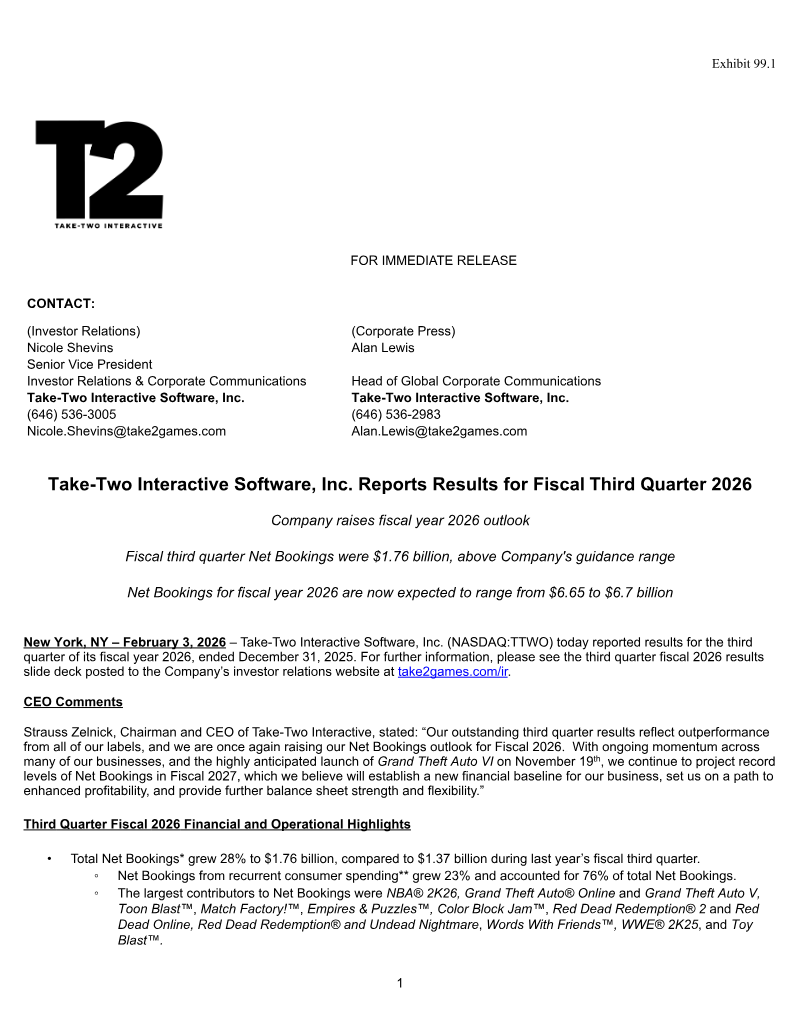
Take-Two Interactive · 2026
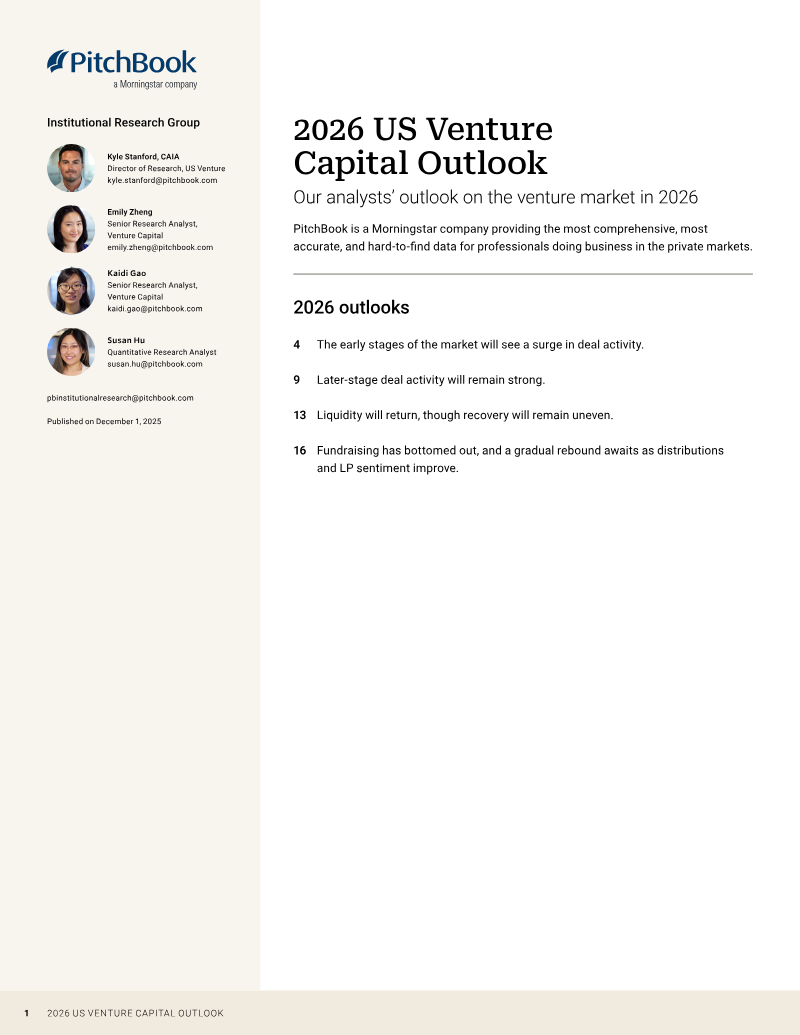
PitchBook · 2026
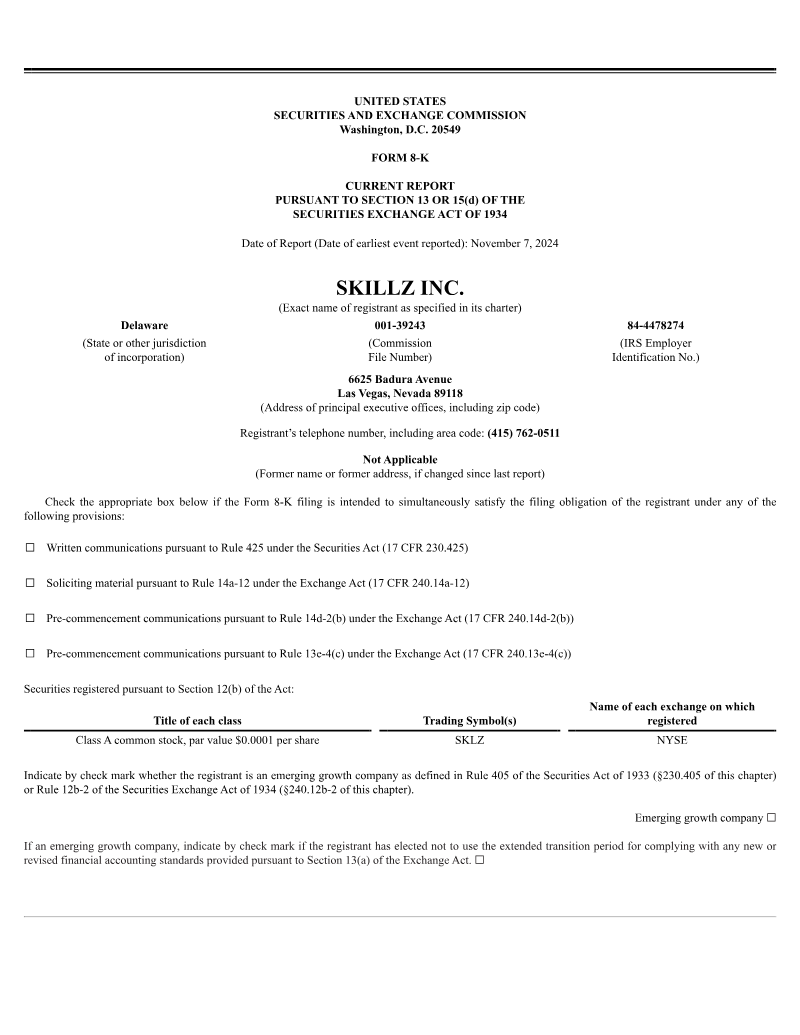
Skillz · 2024

GameRefinery · 2021
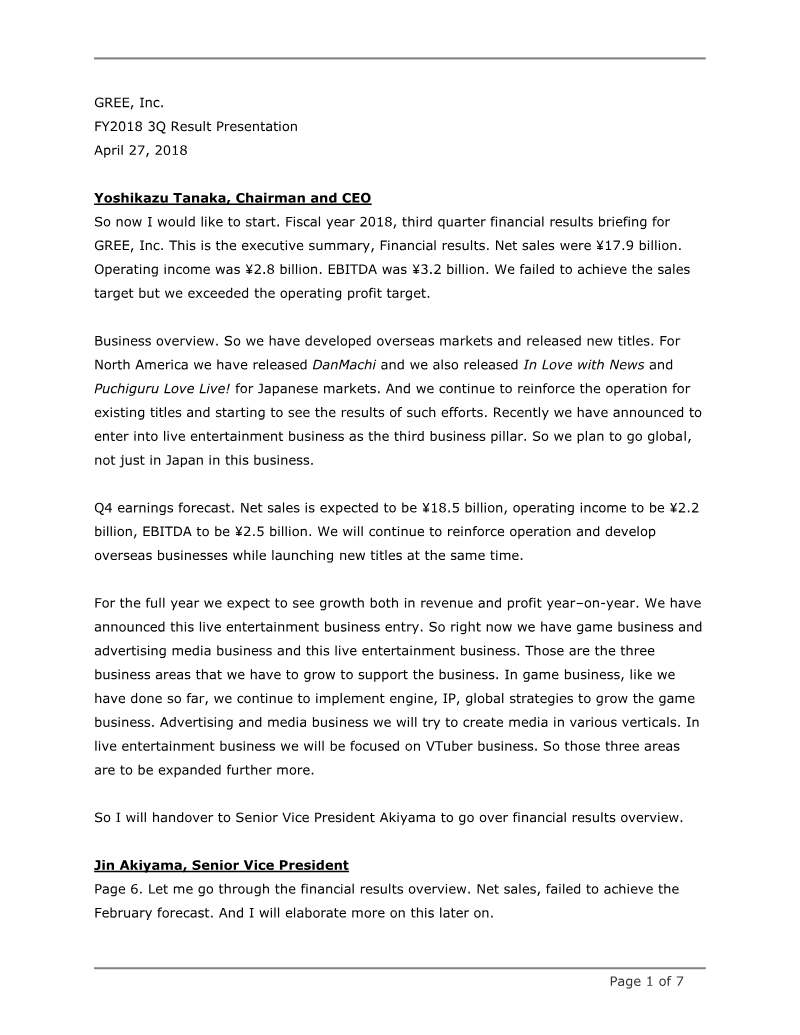
GREE · 2018
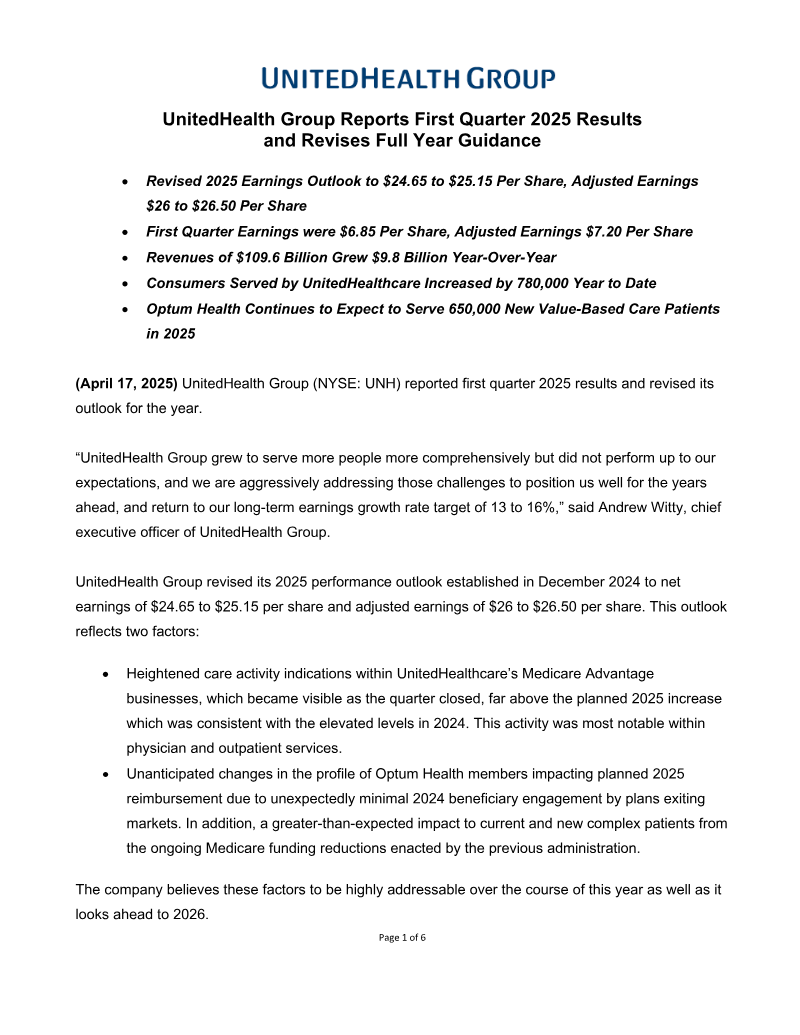
UnitedHealth Group
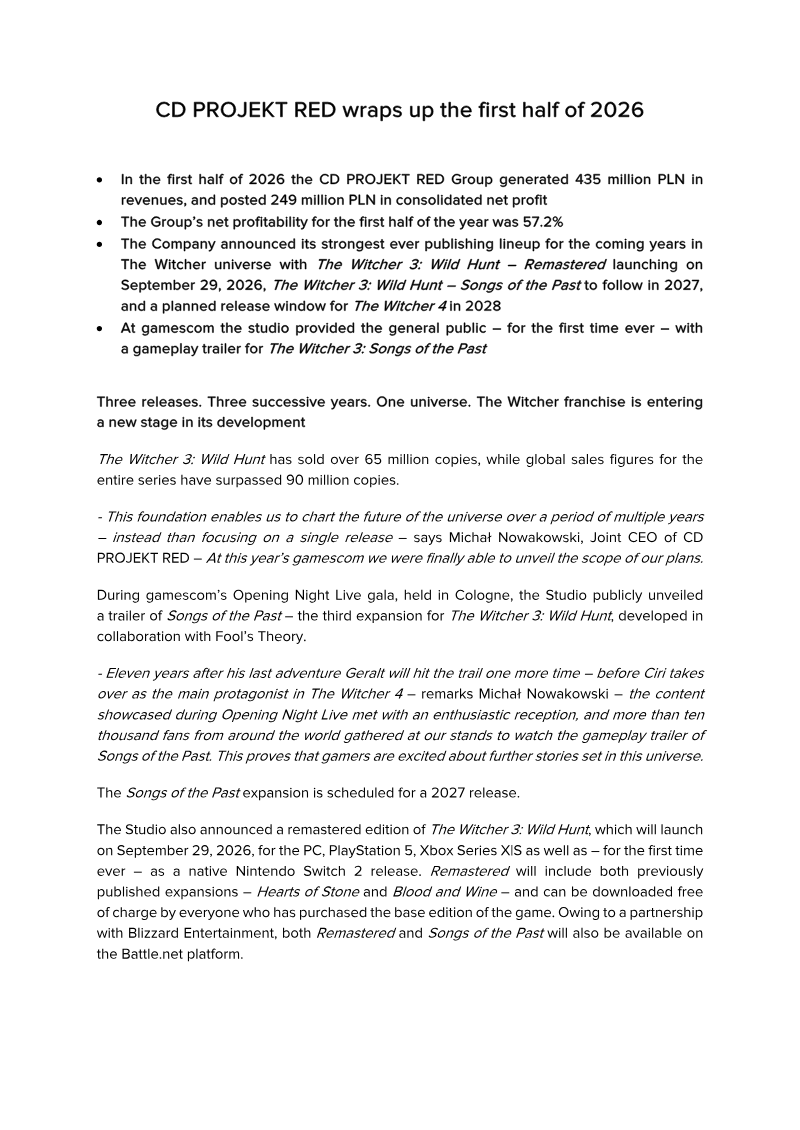
CD Projekt · 2026
CD Projekt · 2026
Newzoo · 2026

Ubisoft · 2026