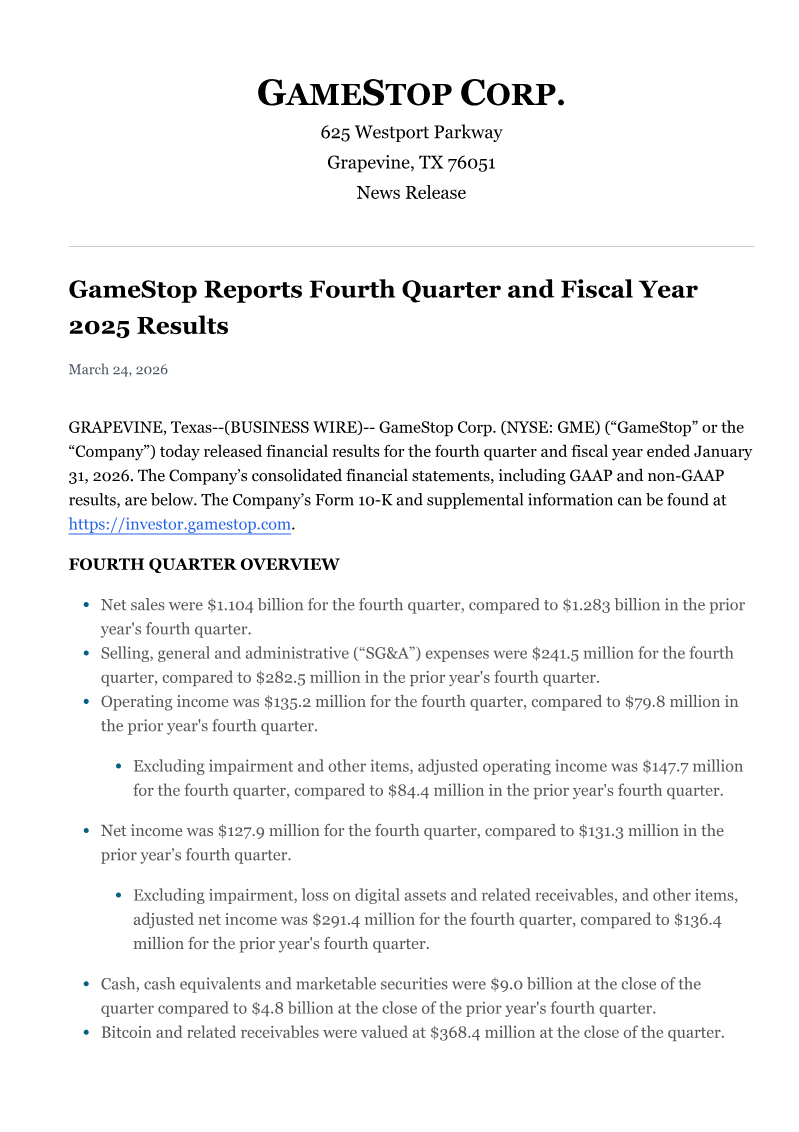
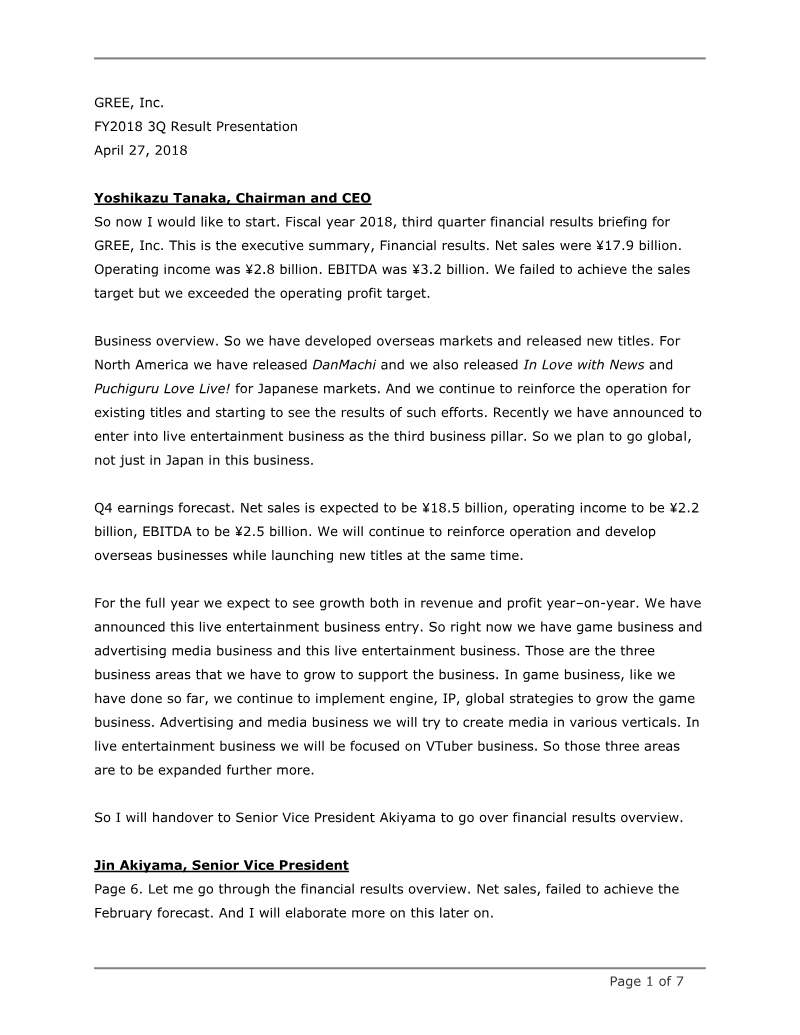
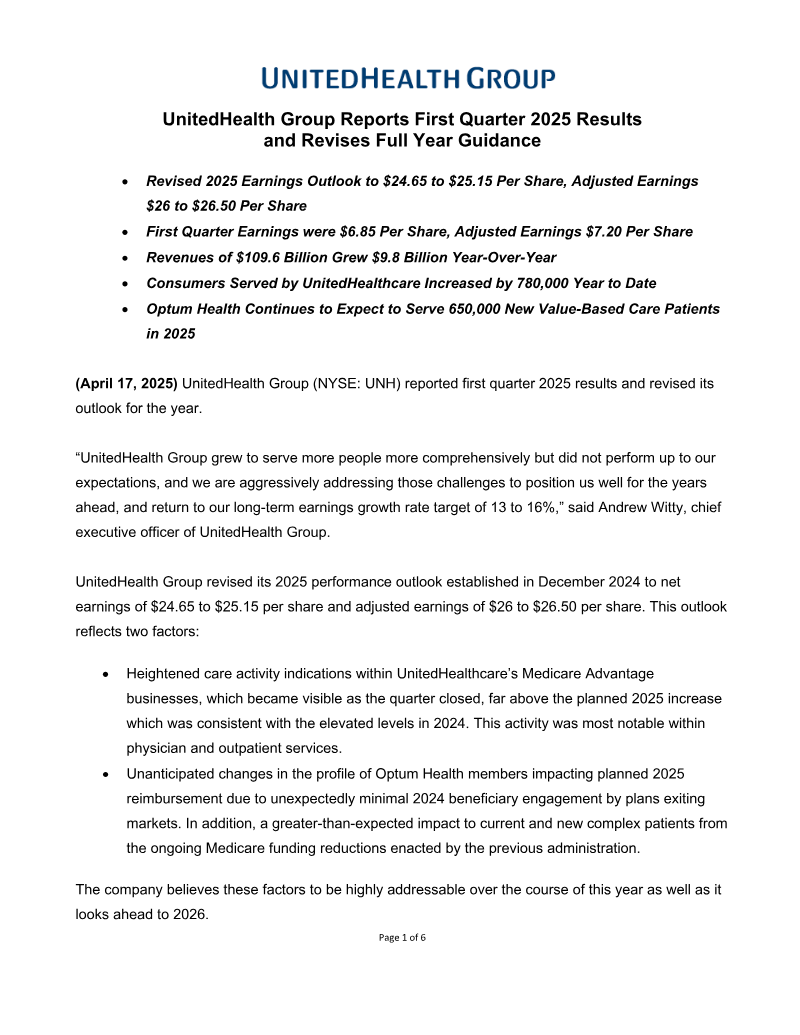
GameStop’s financial performance for the first quarter of 2024 reflects a strategic pivot toward aggressive cost management and capital fortification amidst a challenging retail environment. The company experienced a significant contraction in top-line revenue, with net sales falling 28.7% year-over-year to $881.8 million. This decline was broad-based, affecting hardware, software, and collectibles across all geographic segments. Despite the substantial drop in sales, disciplined cost-containment measures allowed the firm to narrow its operating loss to $50.6 million, an improvement over the $58.4 million loss recorded during the same period in 2023.
The company’s liquidity profile underwent a transformative shift following the close of the quarter. While the first quarter saw a $109.8 million outflow from operating activities, largely attributed to net losses and inventory accumulation, the firm successfully bolstered its balance sheet through two "at-the-market" equity offerings. These capital-raising initiatives generated approximately $3.07 billion in gross proceeds, significantly enhancing the company’s cash reserves and overall financial flexibility. Investing activities also contributed to liquidity, providing a $189.8 million inflow primarily driven by the maturity of marketable securities.
Management maintains that internal financial reporting controls remain effective, with no material changes reported during this period. By prioritizing expense reduction and securing substantial new capital, the organization is positioning itself to navigate ongoing volatility in the gaming retail sector. These efforts to stabilize the bottom line and strengthen the balance sheet serve as the primary pillars of the company’s current financial strategy as it moves through the 2024 fiscal year.