1 free read left. Create a free account for unlimited reading + AI research.
Create free accountArticle DiGRA
1 free read left. Create a free account for unlimited reading + AI research.
Create free accountArticleDiGRA
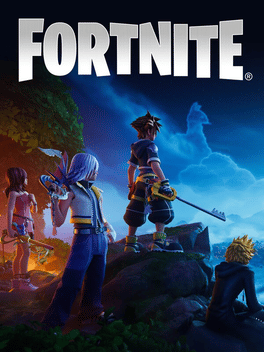
The paper examines emotes, which are sold or awarded in free-to-play online games, with Epic Games' Fortnite as the primary case study.
This paper by Felix Raczkowski examines emotes, the unlockable character animations and gestures sold or awarded in free-to-play online games, with a focus on Epic Games' Fortnite. Its central argument is that emotes function as Ian Bogost's "unit operations": discrete, disconnected expressive elements that create meaning independently of a game's underlying mechanical systems. The paper situates emotes at the intersection of "games as a service" design, free-to-play monetization through microtransactions, and the cultural spillover of game imagery into schoolyards, graduation ceremonies, and international sporting events, which the author cites as evidence of how games become interdependent with wider media ecologies.
The analysis draws several conclusions. Emotes are largely detached from systemic gameplay yet central to player self-expression, which the author argues exposes the artificiality of the common industry claim that visual modifications are "just cosmetic." Because these "hedonic" attributes drive purchasing decisions, emotes are heavily commodified, making them a clear example of the commodification of culture and cognitive labour in the games industry. The paper also notes a paradox: emotes enable expression while commodifying human gestures and dances, and they serve as both a redundant communication tool alongside voice chat and a means of advertising the game itself.
The work is a conceptual, theoretically grounded essay rather than an empirical study. It presents no survey data or quantitative sample, and its evidence consists of the game's design, press accounts, and secondary literature in game studies and political economy. The paper was presented at DiGRA 2019 and concludes by raising questions about how game studies should approach objects that lack clear boundaries.
Each row is a game or company this document names, each column a document, oldest first. A mark means that document names it. Select a row to see those documents.

DiGRA · 2026

DiGRA · 2026



DiGRA · 2026



DiGRA · 2026



DiGRA · 2026



DiGRA · 2026



DiGRA · 2026



DiGRA · 2026

DiGRA · 2026



DiGRA · 2026



DiGRA · 2026

DiGRA · 2026
Two & a Half Gamers · 2026