1 free read left. Create a free account for unlimited reading + AI research.
Create free accountWhitepaper DiGRA
1 free read left. Create a free account for unlimited reading + AI research.
Create free accountWhitepaperDiGRA
That requires qualities such as self-awareness, self-impelled action, emotional expression, natural language use, and persistent traits.
This paper argues that believable non-player characters in games depend on players adopting an intentional stance toward them, a condition that requires qualities such as self-awareness, self-impelled action, emotional expression, natural language use, and persistent traits. Its central claim is that gameplay believability must remain consistent with narrative believability, and it proposes gameplay design patterns, in the format of Lankoski and Björk's existing collection of nearly 300 patterns, to address the gaps it identifies. The analysis is framed as a set of design requirements rather than criticism.
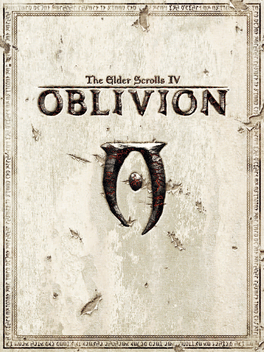
The authors ground this framework in a close examination of Claudette Perrick, a shopkeeper NPC in The Elder Scrolls IV: Oblivion. Claudette partially satisfies several believability requirements: she displays initiative, goal-directed behavior in response to theft, and a basic sense of self. However, she largely fails to react to thefts she does not directly witness, ignores physical disruptions within her shop, shows no lasting physical consequences such as wounds, and cannot meaningfully alter her life trajectory in response to player actions. The paper attributes these shortcomings less to design oversight than to trade-offs inherent in game development, where the scope of AI systems and the need to preserve a functional core gameplay experience constrain how far believability can extend.
The paper concludes that fully believable NPCs may be an unattainable goal, but that design patterns drawn from literary fiction, film, and theater can meaningfully widen the design space. Such patterns support richer, gameplay-affecting character traits and inter-character relationships, shifting gameplay toward social rather than purely physical or mental challenges. The authors note that expectations for believability vary by genre, and that players may need to understand the game as a more complex system to engage with these characters fully. Presented as an initial survey, the work acknowledges that additional patterns, including Free Text Communication and Unpredictable Behavior, were identified but omitted for reasons of space.
Each row is a game or company this document names, each column a document, oldest first. A mark means that document names it. Select a row to see those documents.

DiGRA · 2016
DiGRA · 2016

DiGRA · 2016

DiGRA · 2016
DiGRA · 2016

DiGRA · 2016
DiGRA · 2015
DiGRA · 2015
DiGRA · 2015
DiGRA · 2015
DiGRA · 2015


DiGRA · 2015

PocketGamer.biz · 2026