ArticleGameDiscoverCo
What PlayWay Should—and Shouldn't—Teach Us About Game Publishing
26 Apr 2021~12 min full read
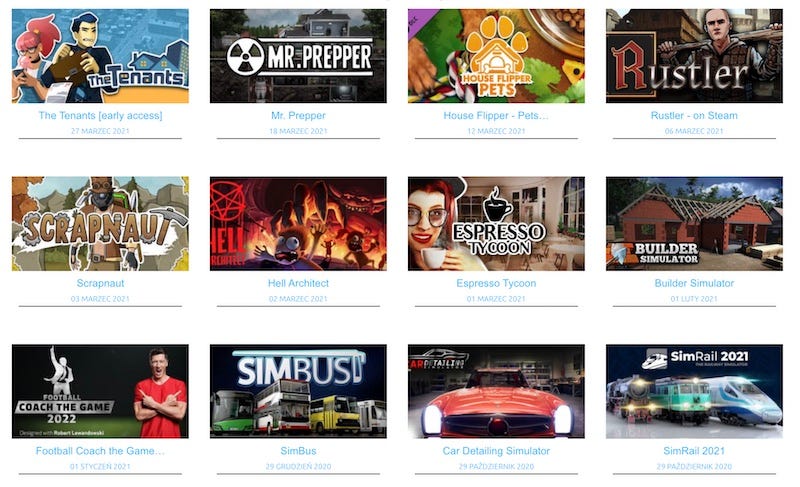
The Polish publisher PlayWay and its network of subsidiary studios represent a unique and controversial model in the modern PC gaming industry. By analyzing Steam wishlist data and market trends, it is evident that PlayWay dominates the platform’s unreleased rankings, often holding dozens of titles in the top 100. This success is driven by a centralized "ideas machine" that commissions specific, commercially viable concepts—primarily realistic 3D simulators and city builders—to be developed by newer Polish studios in exchange for equity stakes.
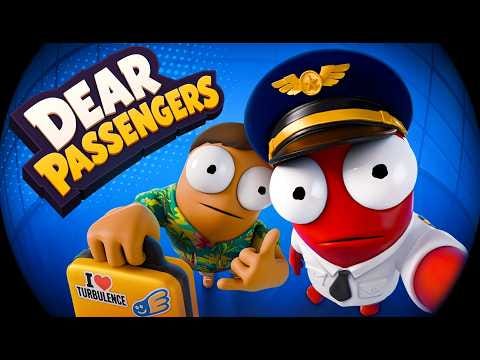
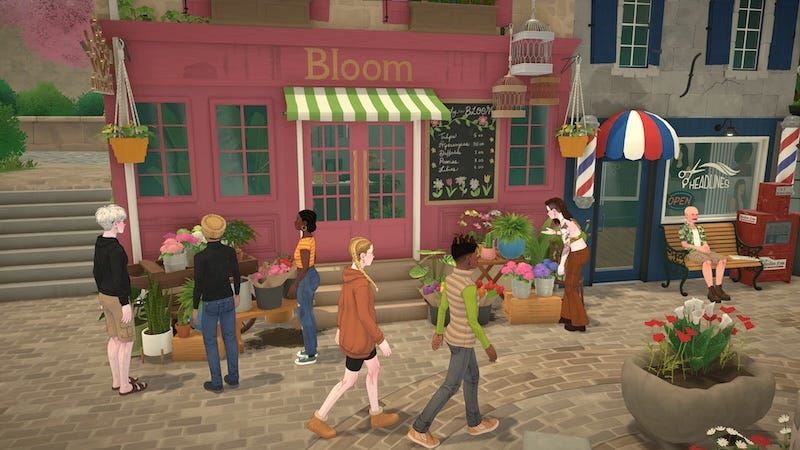
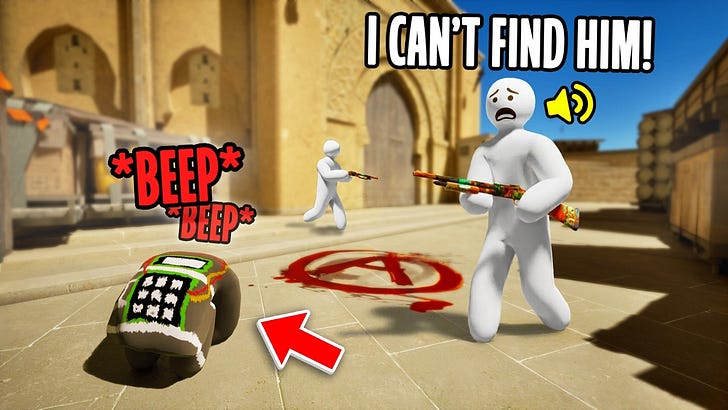
The core of PlayWay’s strategy involves a high-volume, market-led approach where numerous game ideas are announced via "target gameplay" trailers to gauge consumer interest. Development is then prioritized based on which titles gain the most traction and wishlists. This methodology has faced criticism for its "truthiness," as many trailers feature pre-rendered content rather than functional gameplay, leading to accusations of "fast-following" successful indie hits or maintaining "zombie" Steam pages that provide infrequent updates to stall for time.
Despite these polarizing tactics, the industry can observe several effective business practices within the PlayWay model. The publisher excels at identifying underserved niches and utilizing aggressive cross-promotion across its vast ecosystem. While the "backwards" development process—creating a trailer first and building the game to match it later—can lead to long production cycles, it often results in high-quality, commercially successful products like House Flipper and Mr. Prepper. Ultimately, PlayWay illustrates a ruthless, "success at all costs" philosophy that effectively leverages platform algorithms, even as it pushes the boundaries of transparency and platform guidelines.
GameDiscoverCo · 2026
GameDiscoverCo · 2026
GameDiscoverCo · 2026
GameDiscoverCo · 2026
GameDiscoverCo · 2026
GameDiscoverCo · 2026
GameDiscoverCo · 2026
GameDiscoverCo · 2026
GameDiscoverCo · 2026
GameDiscoverCo · 2026
GameDiscoverCo · 2026
GameDiscoverCo · 2026
PlayWay · 2026
PCF Group · 2025
11 bit studios · 2025
11 bit studios · 2025
11 bit studios · 2024
CD Projekt · 2024
PCF Group · 2024
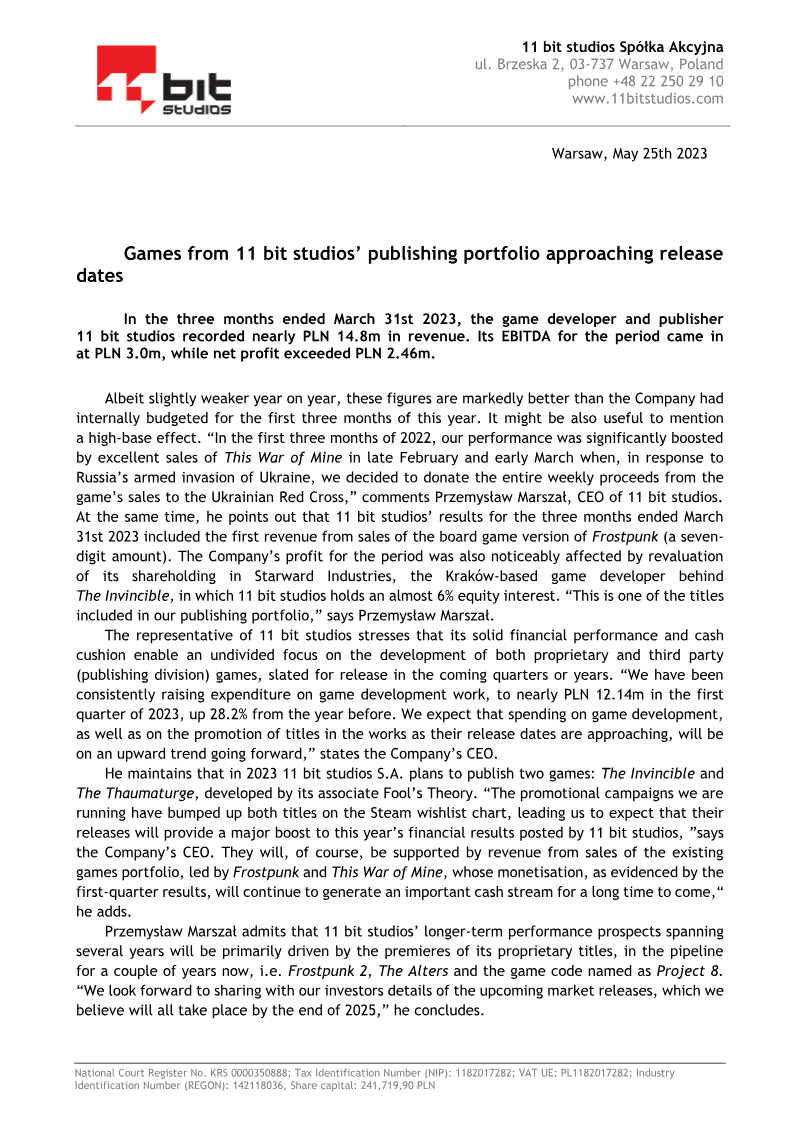
11 bit studios · 2023
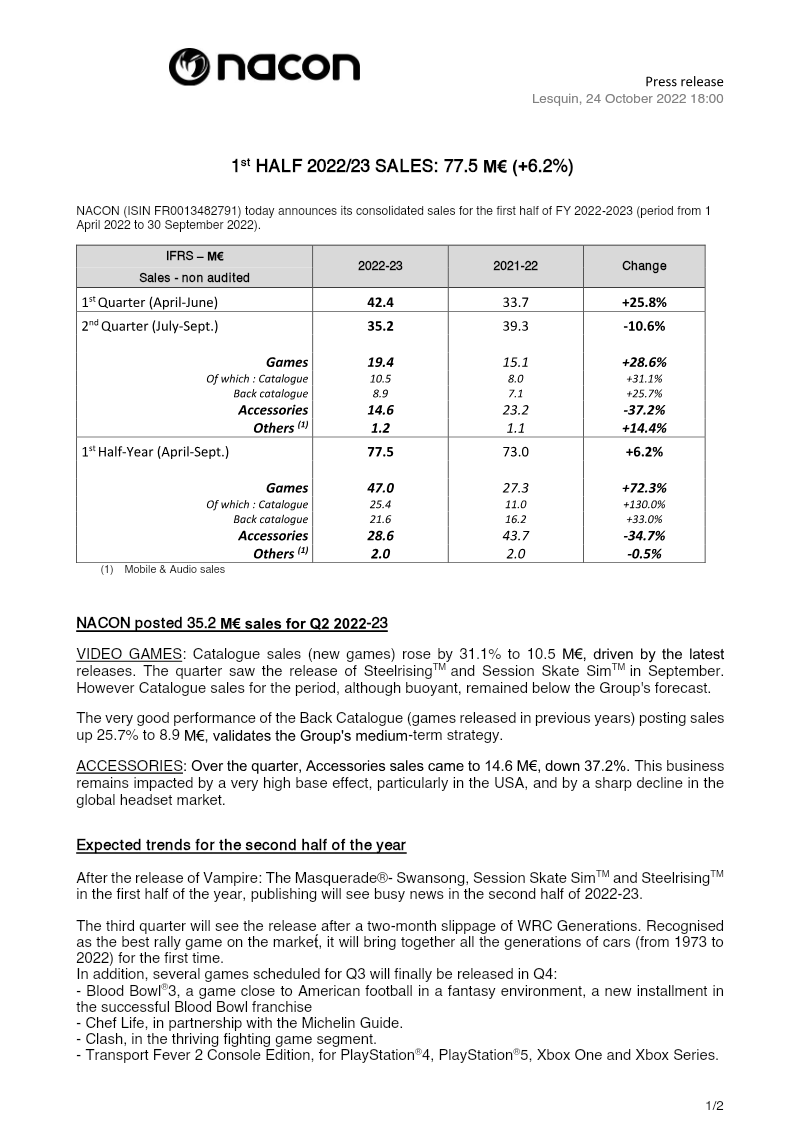
Nacon · 2022
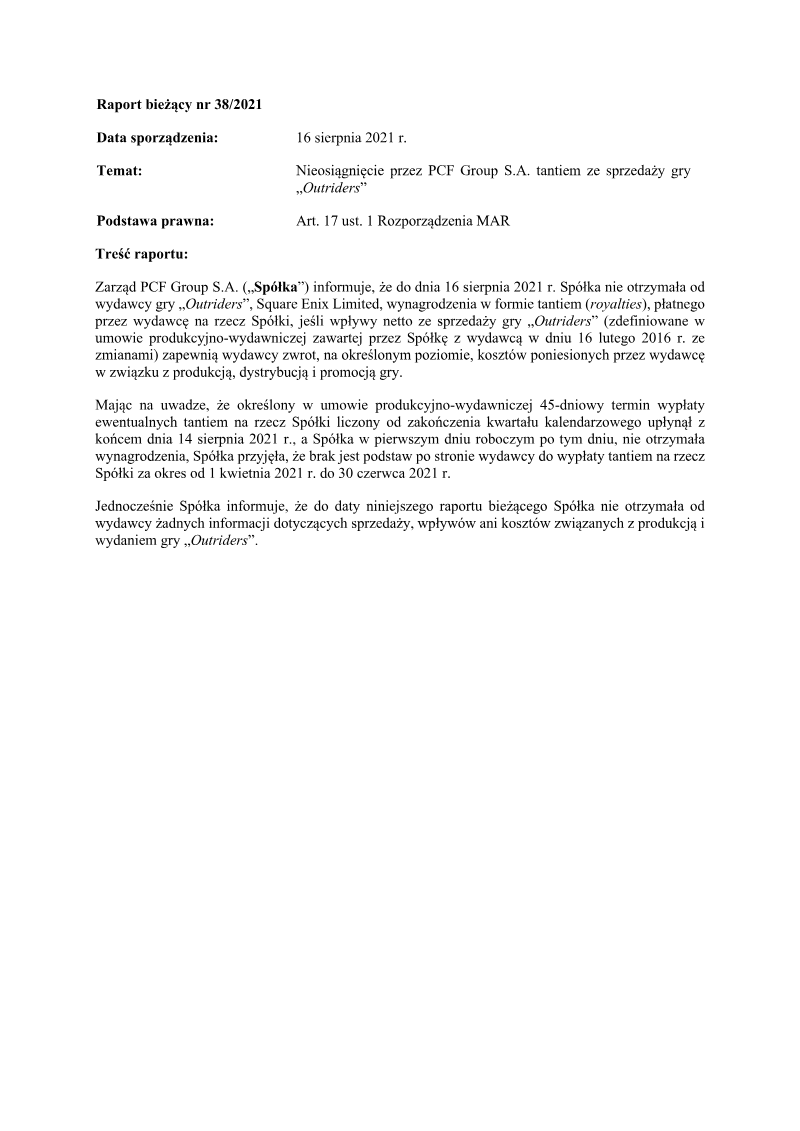
PCF Group · 2021
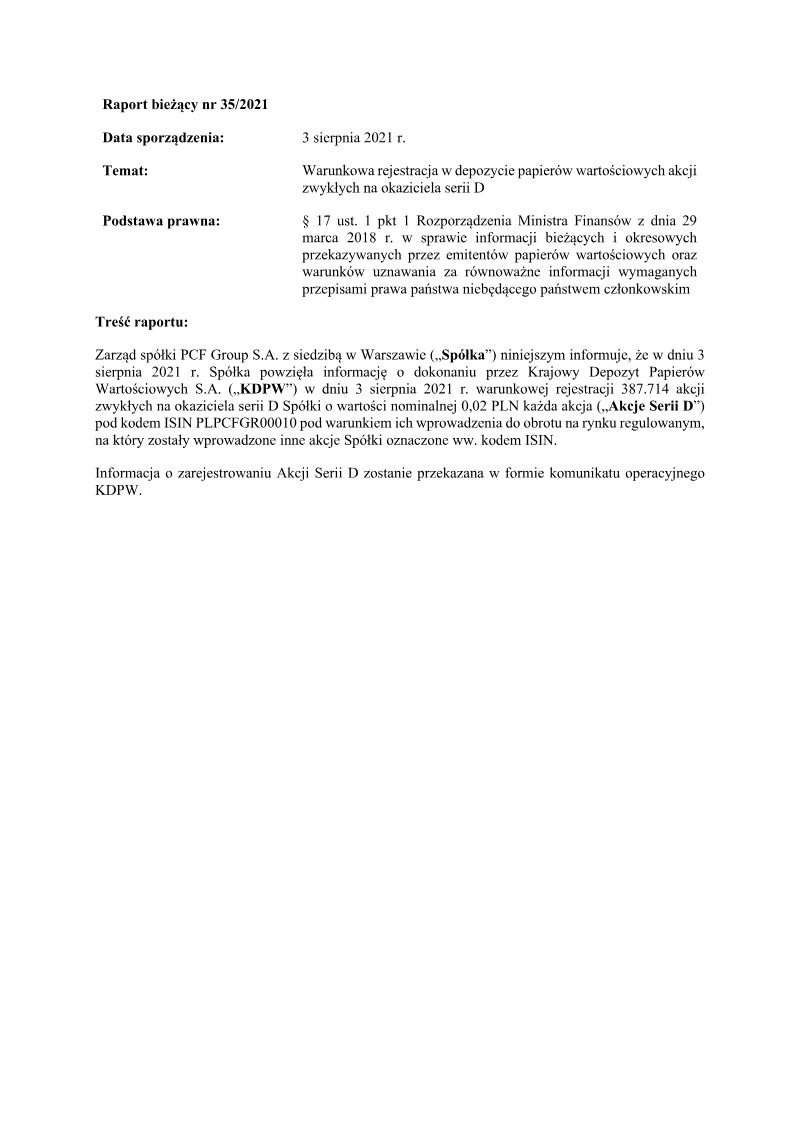
PCF Group · 2021
PCF Group · 2021