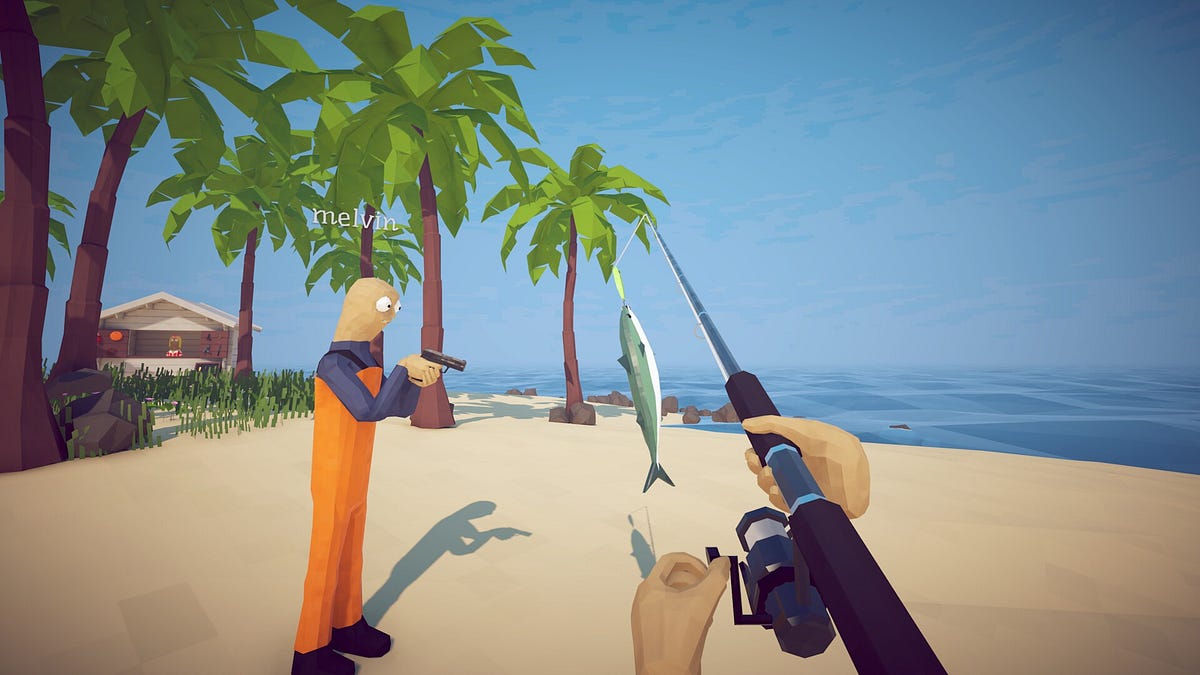
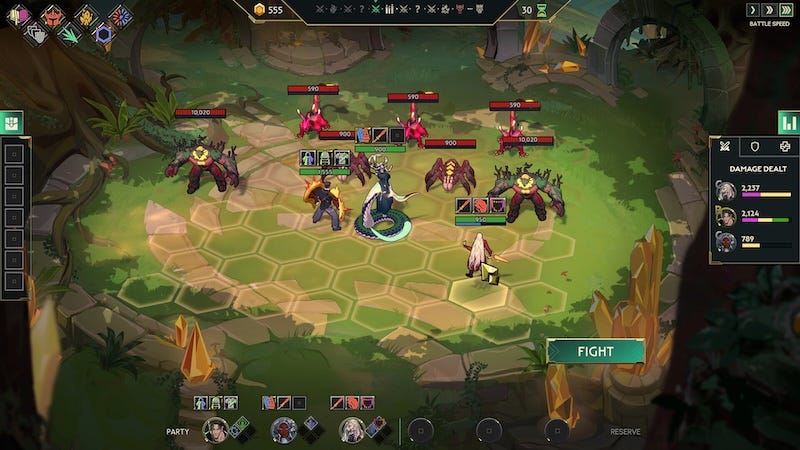
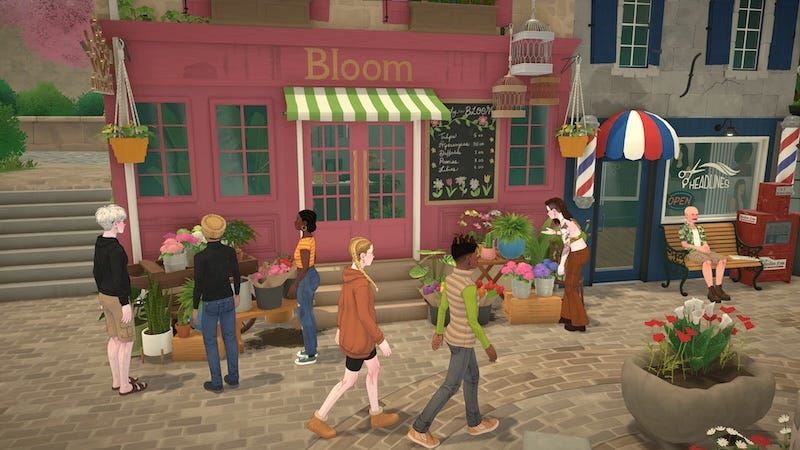
Effective media outreach requires a concise, keyword-rich elevator pitch supported by high-quality, logo-free 'posed' screenshots and key art that facilitate editorial layout integration.
Developers should prioritize brief, professional emails tailored to a journalist’s specific interests rather than relying on formal embargoes or elaborate video briefings.
While 'X meets Y' genre comparisons aid search engine optimization and clarity, they must be used judiciously to avoid diluting the game's unique identity or setting unrealistic expectations.
Indie developers must recognize that games journalism is economically driven by high-traffic AAA content and utility-based guides, which subsidize the coverage of niche titles.
Aggressive sales tactics at networking events and unsolicited physical press kits should be avoided to maintain professional boundaries and address potential safety or privacy concerns.
Digital storefronts provide inconsistent developer attribution, with Steam offering effective credit while platforms like the Nintendo Switch often prioritize the publisher over the original developer.
Effective media outreach for independent game developers centers on the creation of a compelling "hook" that functions as a concise, keyword-rich elevator pitch. This narrative hook must be supported by high-quality visual assets, specifically "posed" screenshots and key art free of logos, which allow editorial teams to integrate the game into their layouts seamlessly. While genre mashups and "X meets Y" comparisons can provide immediate clarity and search engine optimization benefits, they should be used judiciously to avoid setting unrealistic expectations or diluting the game’s unique identity.
Securing coverage requires an understanding of the economic realities of modern games journalism, where high-traffic AAA content and utility-based guides often subsidize the reporting of niche indie titles. To navigate this competitive landscape, developers should prioritize professional, brief email pitches with clear subject lines tailored to a journalist’s specific interests. Formal embargoes and elaborate video briefings are generally less effective for smaller studios than providing simple "heads-up" information that respects a journalist’s time and workflow.
Professionalism extends to social and physical boundaries, as developers are cautioned against aggressive sales pitches at networking events or sending unsolicited physical press kits, which can raise privacy and safety concerns. Furthermore, while publishers provide essential credibility and "flavor" that can attract media attention, the industry faces ongoing challenges regarding developer attribution. Digital storefronts vary significantly in how they credit creators; for instance, while Steam handles attribution effectively, platforms like the Nintendo Switch often prioritize the publisher, frequently obscuring the original developers from the public eye.