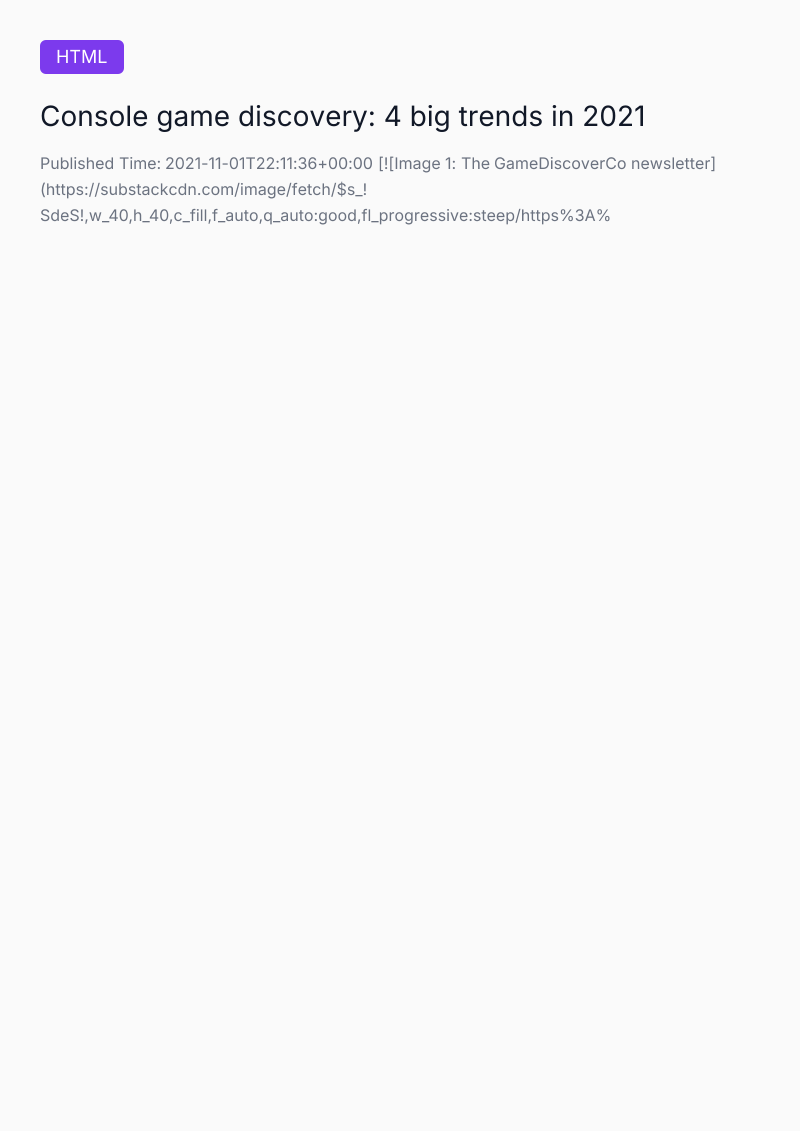
The console gaming landscape in 2021 is defined by shifting discovery patterns, the rise of subscription models, and distinct platform-specific audience preferences. Analysis of market trends reveals that success on Xbox and PlayStation is increasingly tied to a game’s visibility on external platforms like YouTube, Twitch, and Steam. Many independent developers are finding that a strong PC presence drives direct searches on consoles, suggesting that popular indie titles often leave significant revenue on the table by delaying console ports.
Platform demographics show a clear divide in aesthetic preferences. While the Nintendo Switch remains a fertile ground for 2D titles and "indie-looking" games, PlayStation and Xbox audiences heavily favor 3D, graphically sophisticated titles that showcase hardware capabilities. Furthermore, the industry is transitioning toward a subscription-first model led by Xbox Game Pass. This shift provides developers with guaranteed lump-sum deals and improved UI discovery but introduces new challenges regarding long-term revenue shares and the increasing difficulty of securing a spot on these curated services.
Data regarding Steam wishlists further clarifies the relationship between pre-release interest and commercial outcomes. While wishlists are a vital metric for establishing performance ceilings, they remain an inconsistent predictor of first-week sales. Survey data from over 75 titles released since 2019 shows that games with 5,000 to 9,999 wishlists typically see first-week sales ranging from a few hundred to 3,000 units, whereas those with 20,000 to 50,000 wishlists can see outcomes ranging from 2,000 to over 15,000 units. These findings emphasize that while wishlists are a necessary benchmark, final success is heavily influenced by genre saturation, launch-day buzz, and "streamability." Overall, the console market remains lucrative for high-interest titles but is becoming increasingly crowded, requiring more strategic platform-specific approaches.
GameDiscoverCo · 2026
GameDiscoverCo · 2026
GameDiscoverCo · 2026

GameDiscoverCo · 2026

GameDiscoverCo · 2026
GameDiscoverCo · 2026
GameDiscoverCo · 2026
GameDiscoverCo · 2026
GameDiscoverCo · 2026
GameDiscoverCo · 2026
GameDiscoverCo · 2026
GameDiscoverCo · 2026

Niko Partners · 2026
Anzu · 2026
Newzoo · 2025
Stream Hatchet · 2025
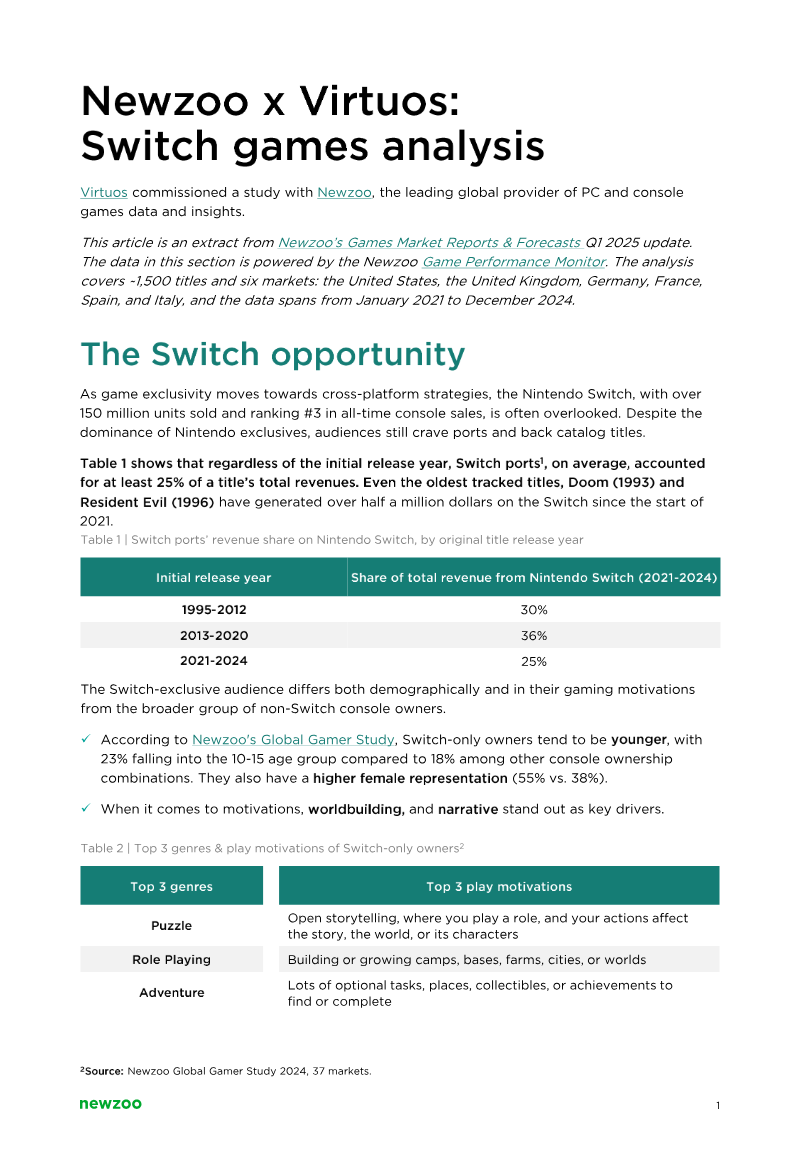
Newzoo · 2025
Ampere Analysis · 2025
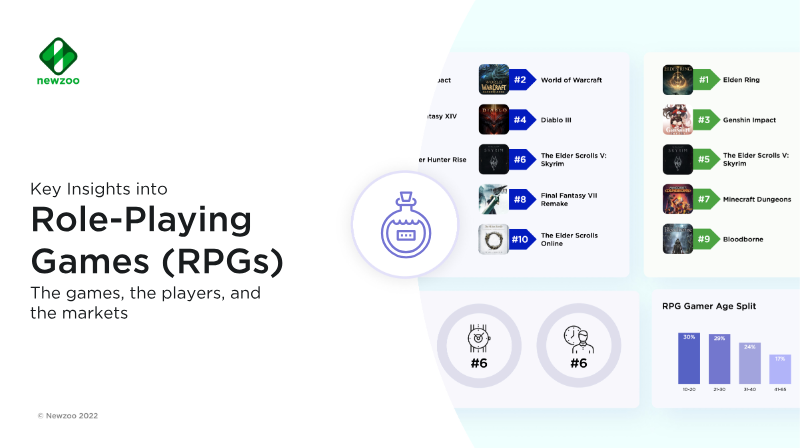
Newzoo · 2025

AEVI · 2025

Sensor Tower · 2025

Video Games Europe · 2025
Ampere Analysis · 2025
Newzoo · 2025