1 free read left. Create a free account for unlimited reading + AI research.
Create free account
Game Market Oversaturation | Unchained Report
Key insights
6 takeaways- 01Steam is currently experiencing extreme market saturation, with the platform frequently hosting over 170 new game releases per week.
- 02Developers are increasingly finding success by targeting underserved demographics, such as the aging gamer population, rather than competing solely within major franchises.
- 03Market saturation is driving a shift toward niche-focused, high-quality independent development, though this pressure can lead to unsustainable labor practices like excessive overtime.
- 04Lower barriers to entry have democratized game development, leading to an influx of content and increased opportunities for underrepresented creators.
- 05Success in the current crowded landscape depends on strategic resource management, effective marketing, and the cultivation of a transparent studio brand.
- 06Long-term viability in the digital economy is now tied to a developer's ability to navigate complex monetization models and build authentic connections with specific audiences.
Ask AI about this video
Transcript
gaming saturation it's becoming crazier and crazier out there in the market we just had um victoria on right a few weeks ago and she was telling us about how the week before we had her on there was a hundred and seventy games that were released on steam within a week right and this is kind of becoming the average now every week and uh it's getting hard for us out there to stand out as game developers it's also getting harder for gamers to kind of notice the type of games that they usually like right it's actually asking them to do more work um what's your feeling on that uh i mean like it it has to deal with the age groups that they're trying to target but also finding the right game is just becoming a lot tougher i think i think that the industry is always going to keep uh expanding i think that um as game developers like
the collective consciousness we'll figure out ways to like hit on niches that you haven't really thought of before how to appeal to certain demographics that haven't been appealed to before um i mean then i'm just talking in generalities i think you're talking about saturation within certain like bands of a target audience so i think in general the number of games that are going to come out is always going to increase like i think i read some articles somewhere that like people over 50 uh are not a tap like audience yet and i could actually see like there being many games that try to appeal to gamers who are 50 and up like i myself am going to turn 50 and up at some point and uh i would love to have games that are more i guess mature or whatever right but getting to your point like i think that um yeah it is going to get harder and harder for game rooms to game developers to sort of stand out uh as an indie developer i think that the challenge is uh it's actually kind of a welcome thing for me i don't really think about how many
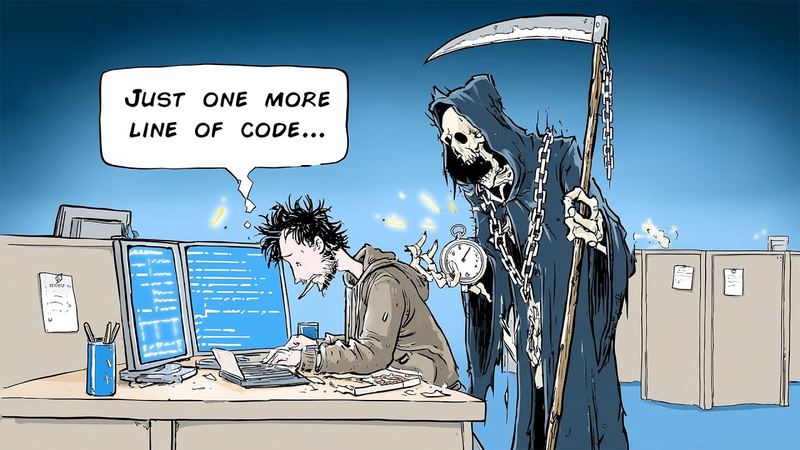
games are coming out like every year i just try to make sure that like i've thought through like all of my product planning i've i've thought about like what people kind of want to see in the future you know um i really don't know where all these new games are coming from like like what type of new games are coming out is it mostly on console or is it mostly on pc is it mostly indie i'm not quite sure um but you know to me it's like nice to hear that like um people are always like willing to like make games and like it it really does help push the entire industry forward um but yeah you know like we kind of talked about this at the beginning of your podcast that like yeah you know like that additional pressure that desire to stand out is going to lead to like you know developers like overworking themselves and like uh producers and executive teams wanting to go over the top and that's going to lead to overtime and whatnot so whatever how about you ray like you're meeting
with a lot of these types so you're you're part of the problem but i'm also on your opinion about i mean what realistically i feel like it's increasingly becoming this right a lot more gamer or at least awareness are becoming game developers a lot more accessibility to actually go out there and uh present your ideas to the world and so i don't see it slowing down yeah i see it as a good thing though i see it's a good thing for i think lowering the bar for entry and letting all voices be heard is a good thing right um you know i'll make it about race and diversity a little bit where like underrepresented creators that opens the door for them you know what i mean uh being able to make games easily and cheaply right uh but then when it gets to the point of like trying to capture the public's attention and be selling games uh yeah like i think that's just media right now
right like if i want no netflix right now i have nothing but choice of what movie to watch i have nothing but choice of what video game to play i have nothing but choice for what book to read what music to listen to there's just so much content being produced generally uh across all segments of the entertainment industry uh but that just is a sign of that it's growing and uh competitions will get fears and it also means that people are going to really be making good stuff so that they could stand out [Music] perfect yeah i agree with both of you i think it overall is is a great thing that people are having a lot of choices and it just comes down to the individual or your team to kind of really appeal uh to their audience and and just bring it upon their shoulder and as
long as it's fair competition i think everything is all game and and fun it's well it's not for your competition you already know that fair enough that if if you really want somebody right sure but i think there's enough on both sides that you can hear at least once in a while like a game that is a soul developer is able to kind of break it through as long as you keep hearing stories like that it gives you a lisa an ounce of hope if it's just like call of duty every year in battlefield every year that's dominant well they are dominating the headlines uh and all that's all you hear year round then i think it is pretty hopeless for the little guys to make it through but i think last two years or increasingly so we're starting to hear more and more about these smaller teams just prevailing through all that and actually providing a nice contrast to for the gamers to kind of choose from well what i'm hearing right i see is like yeah smaller indie
teams right a lot of those smaller indie teams are backed by indie publishers and they have they have the connections to get all the websites to pay attention to these indie games and hype up don't be hated don't be hating that's good homework 100 right i made part of like what um since the last time i was on the show brandon and talking about doing indie dev like you know i'm gonna i'll be talking to victoria like in a couple days about like marketing on a zero dollar budget yeah and then um reaching out to a couple publishers to help out with marketing and i talked to someone else that i know to help out with like doing kickstarter and then you know it's like you know as ray said like it that that a lot of that comes intuitively to me because i've worked in the industry
big corporations so i just know like hey you need like a marketing budget behind it and i think that yes there's more games coming out but that doesn't mean that i'm going to do things any differently i still think that if you are smart with how you do things if you use your resources wisely if you use your connections wisely you can stand out and there's a part of me that always believes at least this is my thesis on doing our indie game that focusing on quality of the experience and then doing the right steps and then maintaining like building your brand as a studio as being like honest and transparent and that you're trying to deliver good value uh should work i hope it does uh but yeah you're right like there's also unfair competition out there that like part of the reason why i do india is to sort of slide under it like i'm not gonna try and fight on quite like uh like uh blizzard or riot toe-to-toe there's absolutely no way that that's going to happen maybe like uh 15 years ago you could
but there was kinds of like you know like you said the market's saturated and people have figured out like pretty much almost every monetization uh model out there with like you know uh even just like the data that helps you point and predict to the next monetization model uh by the way that's subscriptions uh it's uh those are things that like people are just more aware of nowadays than it was like a while ago
Summary
The modern video game industry is experiencing unprecedented levels of market saturation, characterized by a high volume of new releases that complicates discoverability for both developers and consumers. Data indicates that platforms like Steam now frequently host over 170 new game releases per week. This influx of content mirrors broader trends across the entertainment sector, where consumers face an infinite array of choices in media, music, and literature. While this environment places a significant burden on players to navigate and identify titles that align with their preferences, it also reflects a growing industry that is increasingly accessible to diverse creators.
The rise in production volume is driven by lower barriers to entry, which has democratized game development and allowed underrepresented voices to enter the market. Rather than viewing saturation solely as a negative, industry observers suggest that the competitive landscape encourages developers to innovate, target underserved demographics—such as the aging gamer population—and refine their product planning. Success in this crowded space increasingly relies on strategic resource management, effective marketing, and the cultivation of a transparent studio brand.
Despite the dominance of major franchises, smaller independent teams continue to find success by focusing on high-quality experiences and leveraging niche appeal. While the pressure to stand out can lead to unsustainable development practices, such as excessive overtime, the industry remains optimistic that smart, targeted development can still yield results. Ultimately, the current market state is viewed as a natural evolution of the digital economy, where success is increasingly tied to a developer's ability to navigate complex monetization models and build authentic connections with their specific audience.






Comments