The German gaming market experienced a return to growth in 2025, with total revenue increasing by 4% to reach €9.382 billion. This recovery follows a period of decline in 2024, driven largely by robust performance in the hardware sector and the continued expansion of subscription-based services. The analysis, which incorporates data from YouGov Shopper—utilizing a sample of 25,000 individuals—alongside insights from Nielsen IQ and Sensor Tower, provides a comprehensive overview of the industry's financial health across hardware, software, and service segments.
Hardware sales served as a primary catalyst for the market's positive trajectory, rising 12% to €3.403 billion. Console revenue saw a significant 26% surge to €1.021 billion, fueled by the launch of the Nintendo Switch 2, while PC gaming hardware and accessories also posted gains of 7% and 13%, respectively. Conversely, the subscription and cloud services segment achieved a notable milestone, surpassing €1 billion in revenue for the first time. This sector has demonstrated consistent long-term growth, more than doubling its value from €461 million in 2019 to €1.031 billion in 2025.
Despite the overall market growth, traditional game sales faced downward pressure, falling 1% to €4.948 billion, with unit sales for physical and digital games declining by 13%. However, the industry remains heavily reliant on recurring revenue models, as in-game purchases grew by 1% and now account for 84% of total market revenue. These findings highlight a shifting landscape where hardware innovation and service-based monetization models are increasingly offsetting the stagnation in standalone game unit sales.
GameDev Reports · 2026

GameDev Reports · 2026
GameDev Reports · 2026
GameDev Reports · 2026
GameDev Reports · 2026
GameDev Reports · 2026

GameDev Reports · 2026
GameDev Reports · 2026

GameDev Reports · 2026
GameDev Reports · 2026
GameDev Reports · 2026
GameDev Reports · 2026
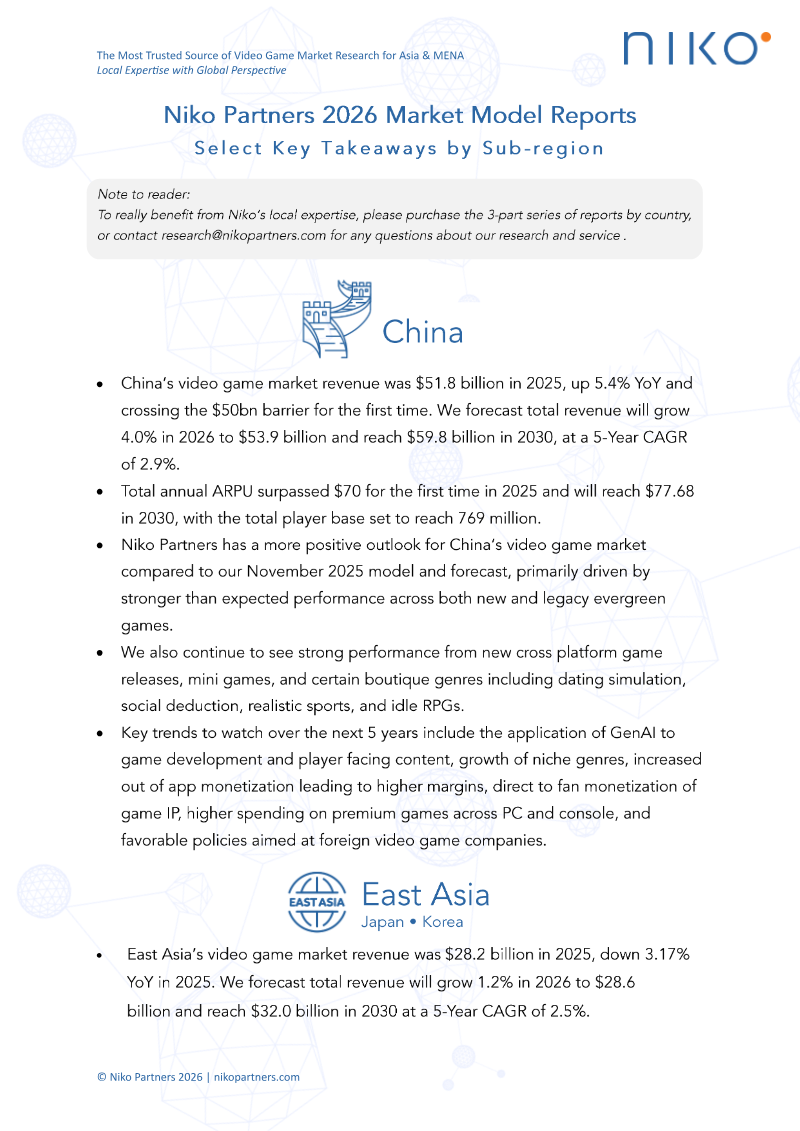
Niko Partners · 2026

game · 2026
InvestGame · 2026
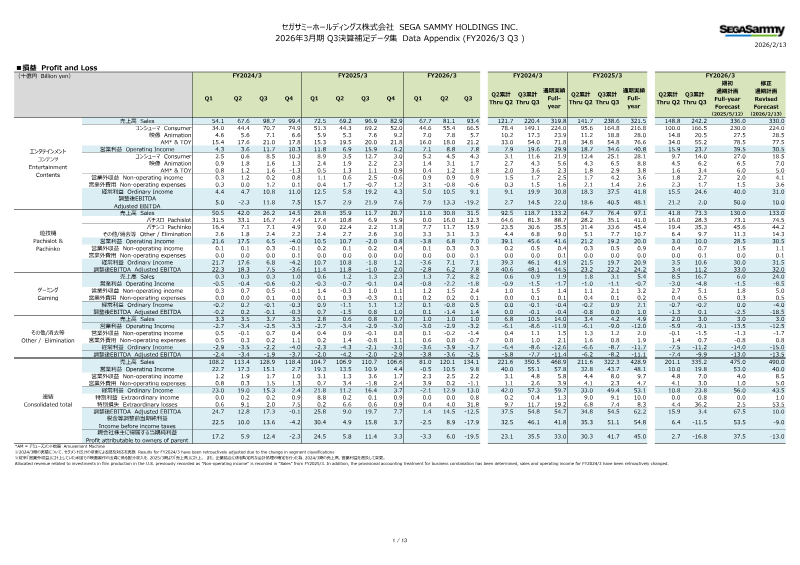
Sega Sammy Holdings · 2026

Kadokawa Corporation · 2026
Newzoo · 2026
InvestGame · 2026
InvestGame · 2026
Aream & Co · 2026
Take-Two Interactive · 2026
Nippon Ichi Software · 2026
InvestGame · 2026