Key insights
5 slides
Key finding
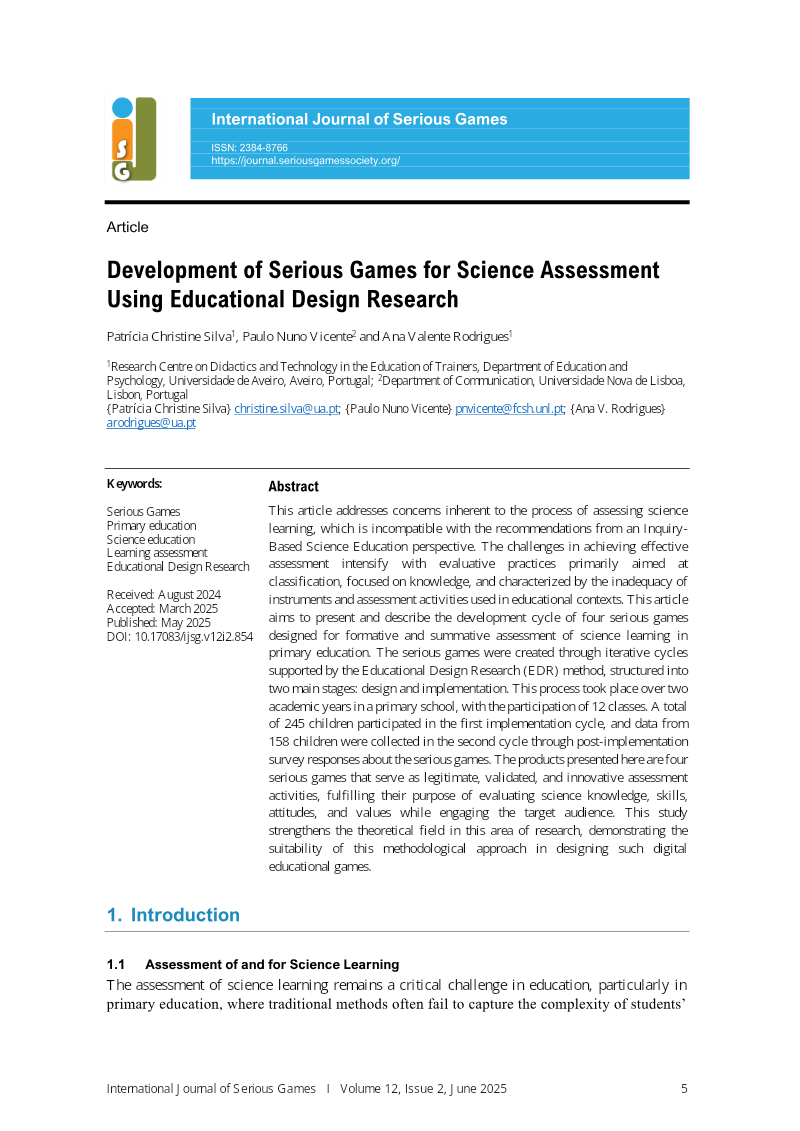
Gamification significantly boosts learner motivation and emotional engagement.
This results in medium to large positive effects on user experience.


1 / 5
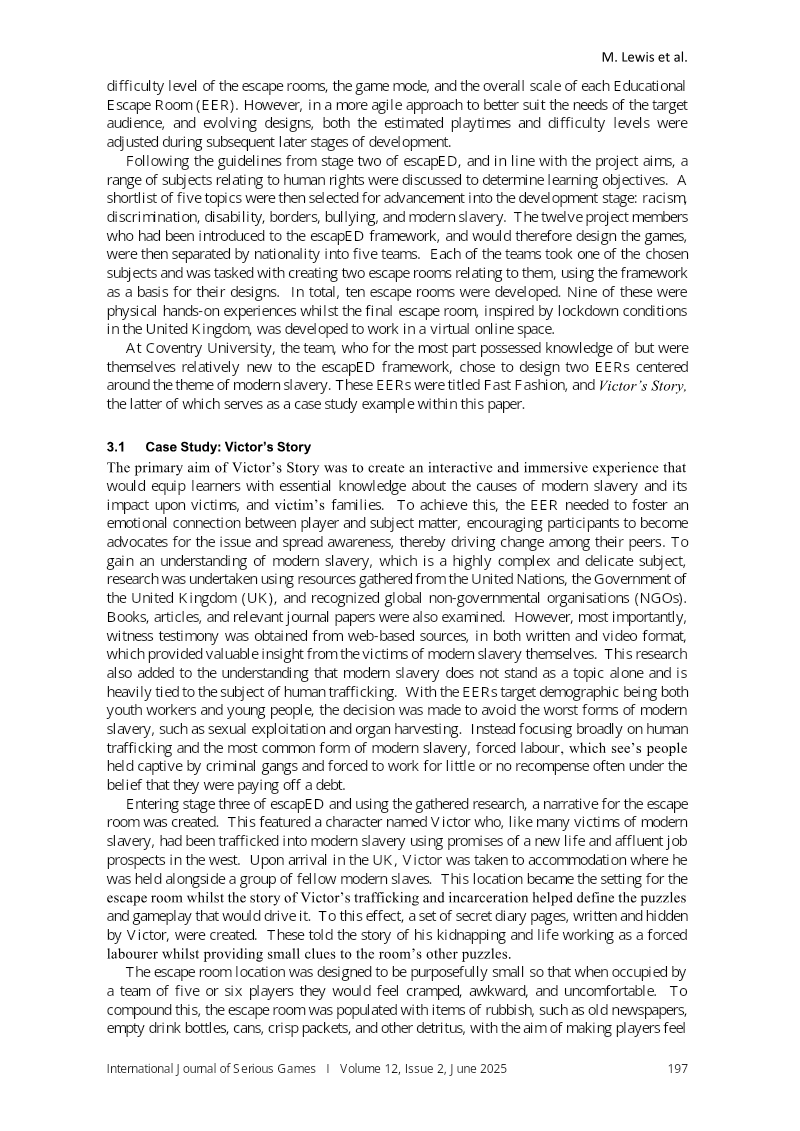
- 01Gamification significantly boosts learner motivation and emotional engagement, yielding medium to large positive effects on user experience.See it on page 22
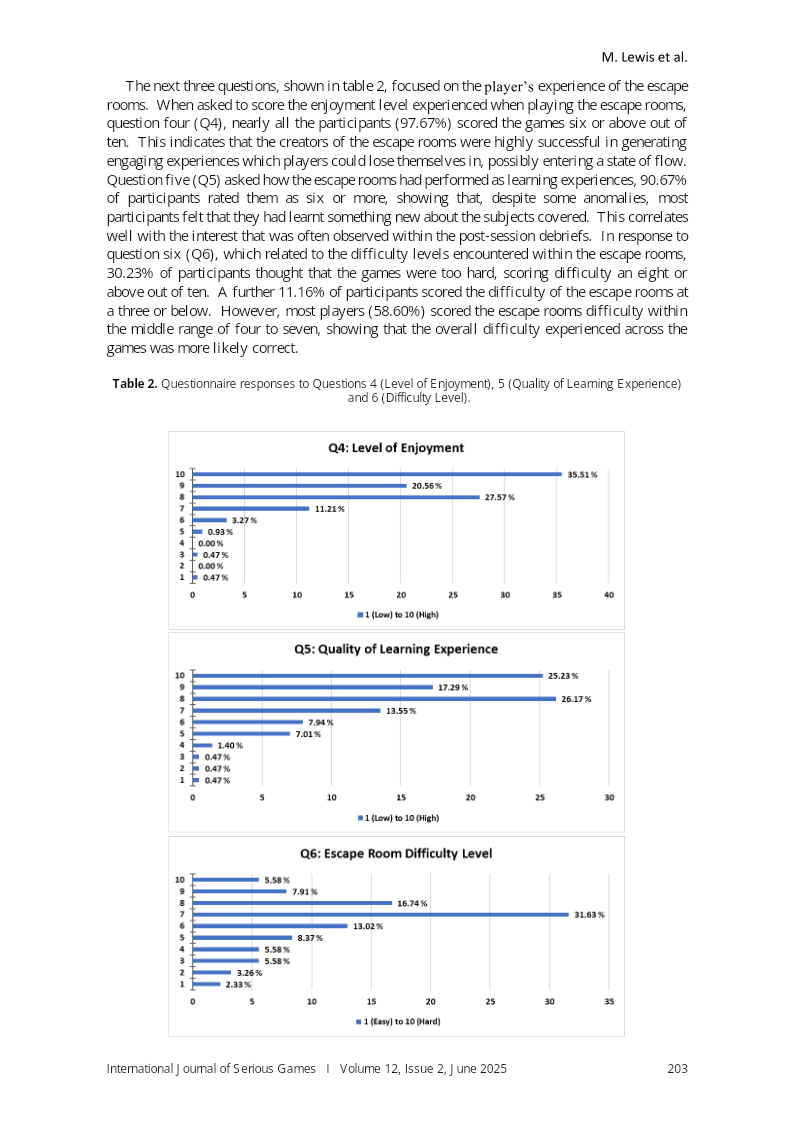
- 02Game elements do not inherently improve cognitive performance, efficiency, or learning efficacy despite their positive impact on affect.See it on page 3
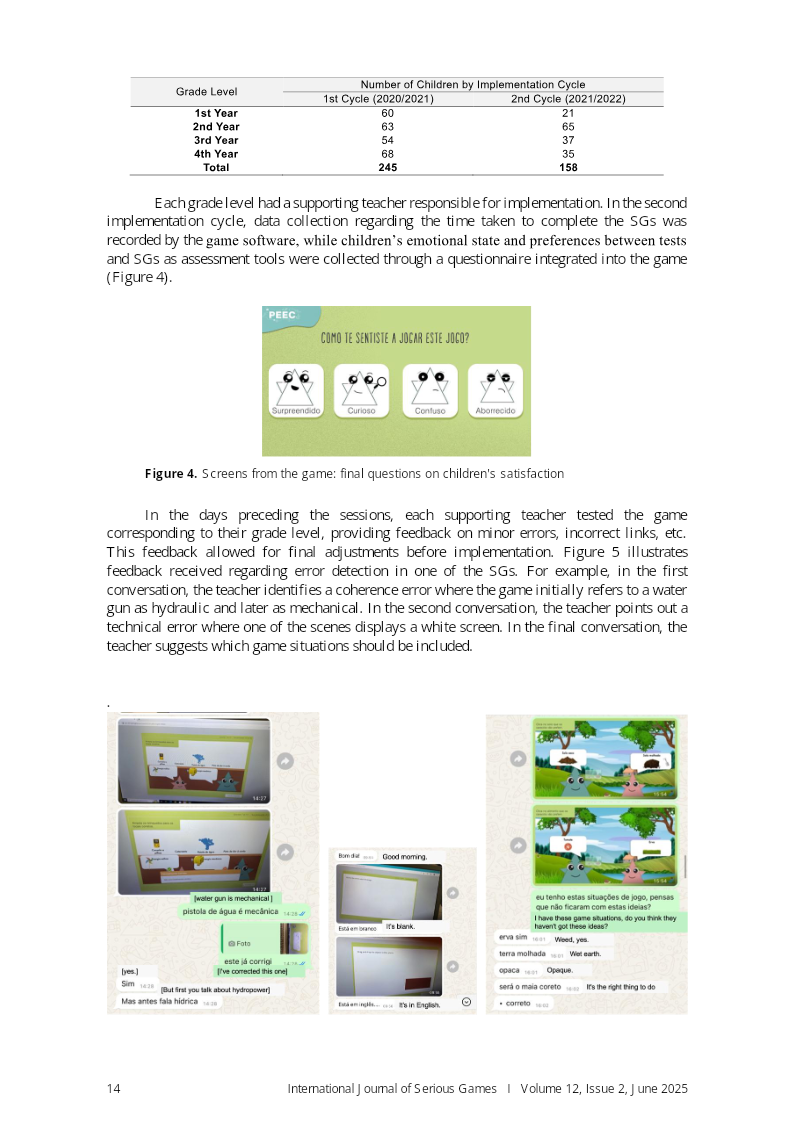
- 03Designers must balance the motivational benefits of gamification against the increased cognitive load that game elements introduce to the learning environment.See it on page 1
- 04Integrating game elements can inadvertently decrease intrinsic interest in core learning material by creating a stark contrast between the task and the gamified environment.See it on page 16
- 05Game elements function as affective scaffolds that sustain learner interest and well-being, which should be treated as a prerequisite for engagement rather than a direct driver of academic achievement.See it on page 2
Ask AI about this article
Summary
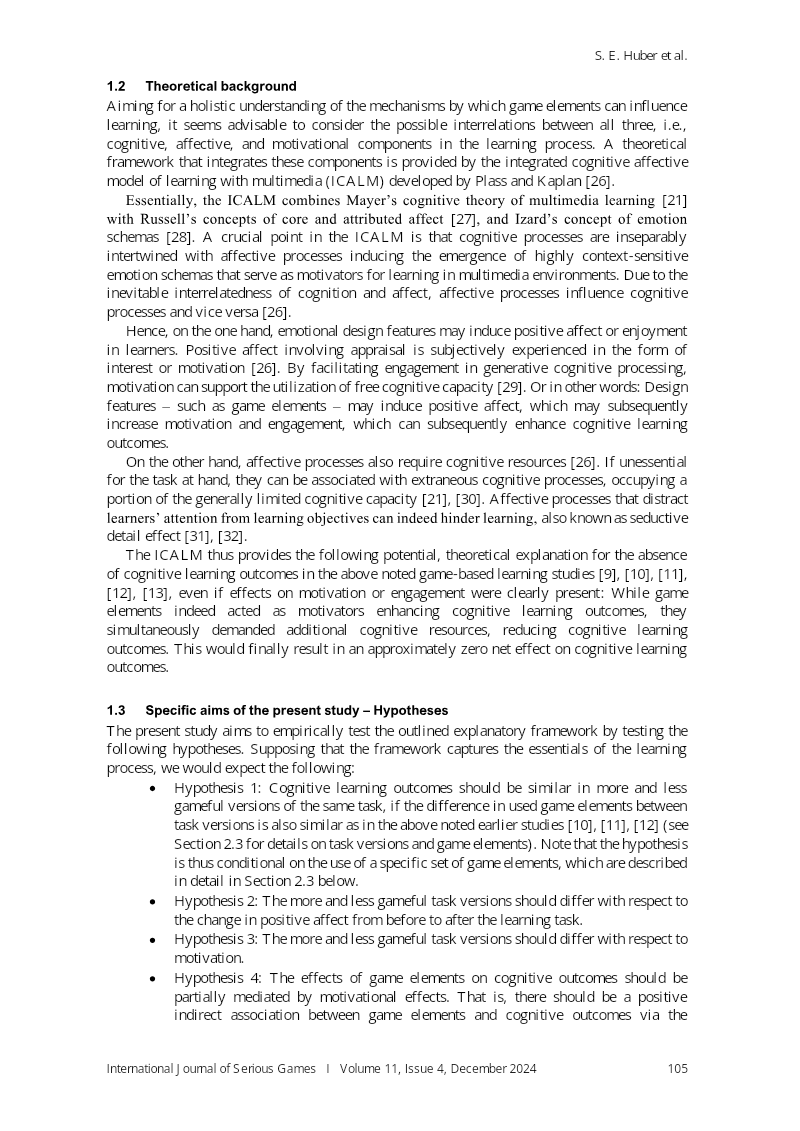
Game elements serve as a powerful affective scaffold in educational settings, significantly enhancing learner motivation and emotional engagement even when they fail to produce measurable improvements in cognitive performance. By integrating narrative, animations, and incentive systems into learning tasks, designers can foster higher levels of perceived competence, attractivity, and stimulation. While these elements do not directly increase learning efficacy or efficiency, they function as essential mediators that offset the cognitive demands inherent in gamified environments. This dual role suggests that game elements act simultaneously as motivators and sources of cognitive load, creating a complex interaction that requires careful balancing during the design process.
The research confirms that the positive impact of gamification on affective states is robust, yielding medium to large effects on user experience. However, a critical trade-off exists: the stimulating nature of game elements may inadvertently decrease intrinsic interest in the core learning material by creating a stark contrast between the task and its environment. Consequently, while gamification is an effective tool for boosting engagement, it does not inherently guarantee superior cognitive outcomes. Designers must account for this antagonistic relationship, ensuring that the motivational benefits provided by game elements are not undermined by excessive cognitive demand.
This analysis, grounded in the Integrated Cognitive Affective Model of Learning with Multimedia and supported by foundational educational frameworks, provides a nuanced perspective on the role of gamification in modern pedagogy. By employing rigorous statistical methodologies to evaluate the interplay between affect and cognition, the findings clarify that the primary value of game elements lies in their ability to sustain learner interest and emotional well-being. Future educational design should prioritize these affective gains as a prerequisite for engagement, while remaining cognizant of the limitations regarding direct cognitive performance.