ArticleGameDiscoverCo
Game Discoverability & The Nintendo Switch: What's Selling?
1 Jun 20201 page~8 min full read
Key insights
5 slides
The missing metric
Developers cannot see public performance data on the Switch eShop.
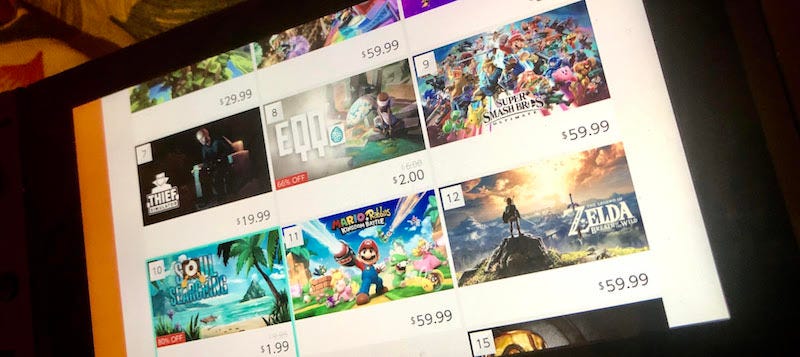
The official eShop lacks public-facing performance data such as review counts or granular sales figures. Developers often struggle to assess market success accurately.
How it works
Manual tracking estimates revenue by monitoring daily eShop chart positions.
eShopRank monitors daily eShop chart positions to estimate revenue trends. This helps distinguish between organic hits and titles driven by aggressive discounting.
Who is winning
Top-performing content falls into four distinct categories.
First-party titles dominate due to premium pricing and lack of deep discounting. Third-party AAA publishers port older, established titles to the platform.
The indie split
Indie success is bifurcated between high-volume hits and deep discounts.
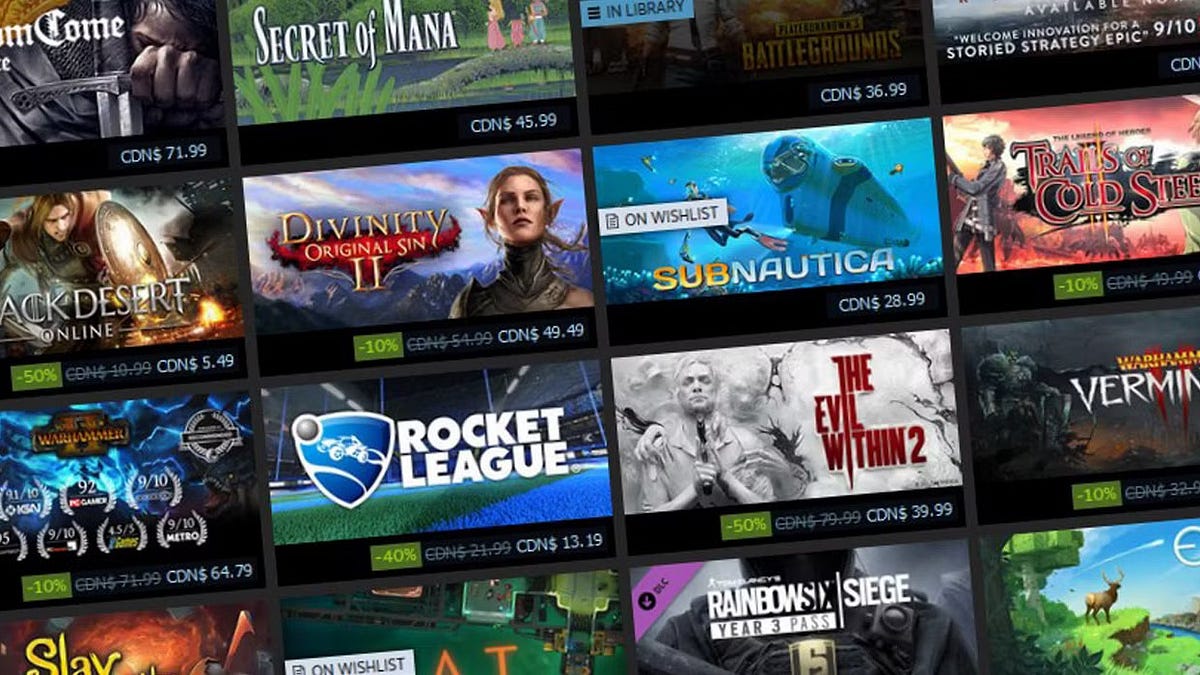
Some independent titles achieve long-term, high-volume sales with minimal discounting. Others rely on frequent, deep price cuts of 80% to 90% to secure impulse purchases.
The bottom line
The Switch remains viable but risks devaluing indie software.
The platform is capable of generating millions in annual revenue for successful indies. However, the prevalence of extreme discounting strategies risks devaluing indie software.
1 / 5
Ask AI about this report












Comments