1 free read left. Create a free account for unlimited reading + AI research.
Create free accountArticle Eludamos: Journal for Computer Game Culture
1 free read left. Create a free account for unlimited reading + AI research.
Create free accountArticleEludamos: Journal for Computer Game Culture
Jørgensen argues that supporting companions drive the plot in both games. Approval and loyalty mechanics and personal quests deepen these relationships.
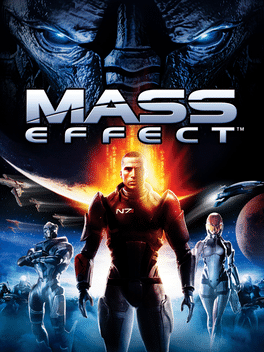
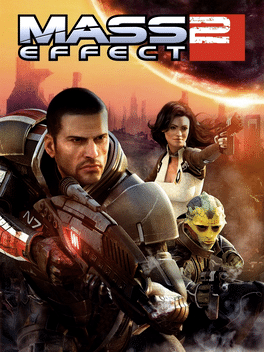
Kristine Jørgensen's 2010 analysis examines how Bioware's Dragon Age: Origins and Mass Effect 2 use companion characters and player characters to drive narrative, arguing that both games integrate storytelling with gameplay to produce emotionally engaging experiences. Her central thesis holds that supporting companions, rather than the player character alone, move the plot forward, and that mechanics such as approval and loyalty ratings, along with personal quests, deepen these relationships. Companions typically begin with familiar archetypes that later give way to complicated backstories and growth.
A key distinction in the analysis concerns how each game presents its protagonist. Dragon Age: Origins offers the Grey Warden as a relatively blank "tabula rasa," with origin stories that invite the player's own personality and moral allegiance, producing what Jørgensen calls a stronger "bleed effect" between player and character. Mass Effect 2, by contrast, presents Commander Shepard as a voiced, visually defined figure whose personality the player shapes within a clearer identity. Jørgensen treats this difference as a continuum rather than a strict dichotomy. She highlights Alistair's central role in Dragon Age's plot and the emotionally charged Landsmeet and post-Landsmeet sacrifice dilemma as examples of catharsis-inducing design.
The analysis also compares narrative structure. Dragon Age places companions at the heart of its plot, while Mass Effect 2 arranges them as micro-narratives unified by Shepard. Examples include the Archangel recruitment, where information is conveyed through NPCs and the environment, and Mordin Solus's loyalty mission, which poses an ethical dilemma tied to later choices. The scope is limited to these two titles and the 2010 publication context, drawing on a scholarly reference base in game studies and avatar theory. Jørgensen concludes that both games relinquish narrative control without leaving players feeling powerless, with each approach succeeding according to how individual players engage with their characters.
Eludamos: Journal for Computer Game Culture · 2026
DiGRA · 2026