1 free read left. Create a free account for unlimited reading + AI research.
Create free accountArticle DiGRA
1 free read left. Create a free account for unlimited reading + AI research.
Create free accountArticleDiGRA
The report contends that games can create emotional engagement with history comparable to academic monographs. It draws on microhistory and the concept of "procedural heritage."
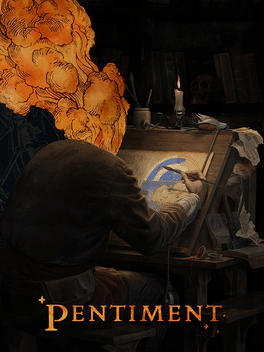
Pentiment, Obsidian Entertainment's 2022 narrative adventure, is examined here as a legitimate form of historical representation, one capable of recreating the texture of everyday life in sixteenth-century Central Europe. The central argument draws on microhistory and game studies, particularly the concept of "procedural heritage," to contend that interactive works can evoke emotional engagement with the past in ways comparable to academic monographs. The analysis proceeds through a case study of the game's Act II, focusing on how its protagonist's interactions with residents, food, and the built environment convey the conditions of a fictional Bavarian town, Tassing.
Within that setting, the game's stylized dialogue fonts, writing effects, and character designs are read as reflections of each figure's education and social standing. Depictions of meals reveal how famine, taxation, and wealth shaped dining across classes, while the privileges of the clergy stand in sharp contrast to peasant hardship. These disparities are shown to be deliberate tools for illustrating the era's social tensions rather than incidental background detail.
The analysis also addresses the harsher realities the game portrays, including famine, plague, mercenary warfare, and peasant unrest that ends in brutal suppression and the destruction of Tassing and its abbey. The treatment of outsiders, such as Romani travellers and an Ethiopian priest, is interpreted as reflecting authentic historical attitudes toward those on the margins of society. Ultimately, the work concludes with a design framework encouraging developers to act as "developer-historians," to ground their work in microhistorical research, and to craft characters who feel genuinely lived-in, thereby producing historical games that are both emotionally resonant and historically credible.
Each row is a game or company this document names, each column a document, oldest first. A mark means that document names it. Select a row to see those documents.

DiGRA · 2026

DiGRA · 2026



DiGRA · 2026



DiGRA · 2026



DiGRA · 2026



DiGRA · 2026



DiGRA · 2026



DiGRA · 2026

DiGRA · 2026



DiGRA · 2026



DiGRA · 2026

DiGRA · 2026
DiGRA · 2026