1 free read left. Create a free account for unlimited reading + AI research.
Create free accountWhitepaper DiGRA
1 free read left. Create a free account for unlimited reading + AI research.
Create free accountWhitepaperDiGRA
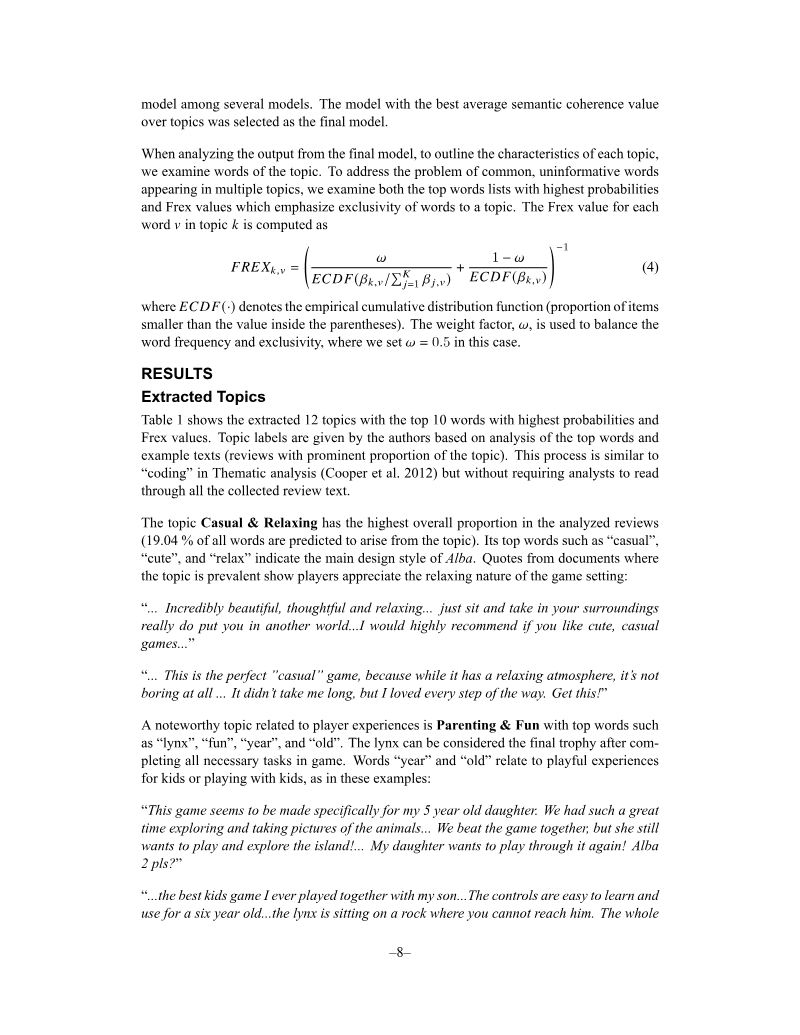
The paper argues that major producers profit from loot boxes by exploiting what the authors call status ambivalence. Chance-based skin purchases work as displays of skill, taste, wealth, and monetisation fluency.
This paper argues that major videogame producers profit from loot boxes and other microtransactions by exploiting what the authors call "status ambivalence," the tension between individual self-expression and social belonging that cosmetic in-game items help players negotiate. Drawing on fashion theory, consumption studies, and Marxist critiques of the games industry, the authors contend that chance-based purchases of skins function as performative displays of skill, taste, real-world wealth, and fluency in a game's monetisation ecosystem. The paper frames such gambling-style mechanics as a contemporary instance of broader commercial power over player labour and identity.
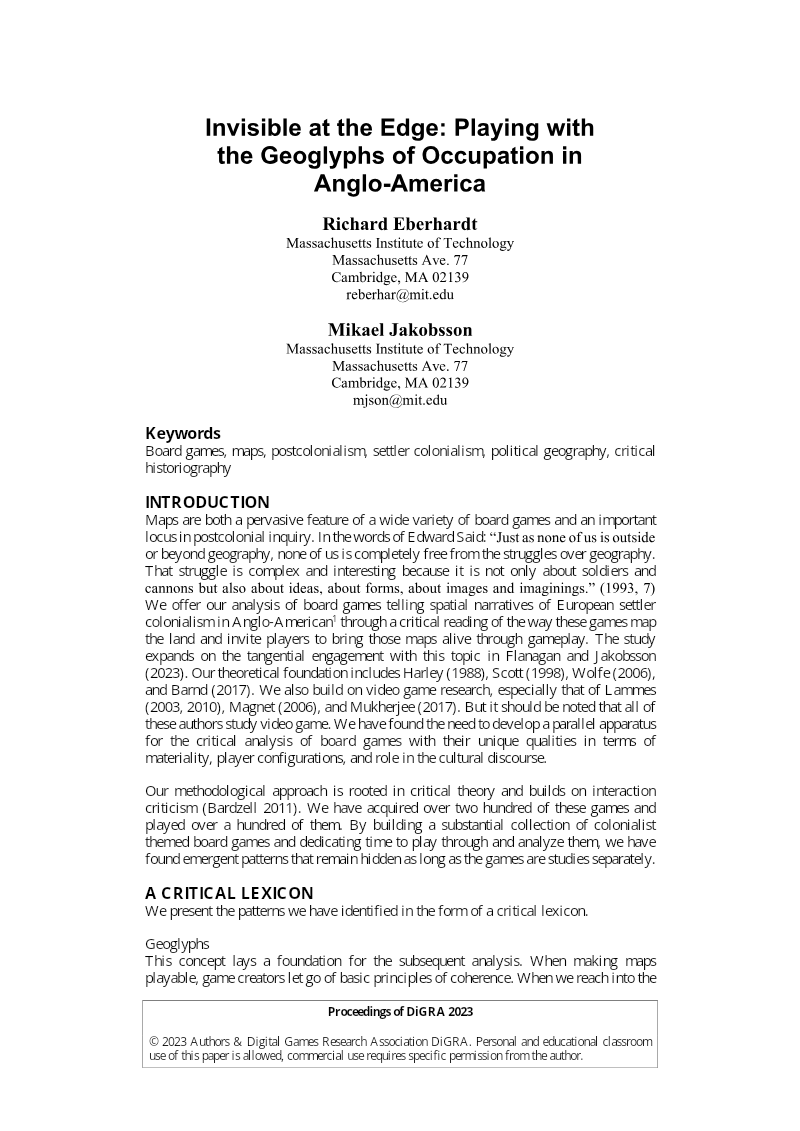
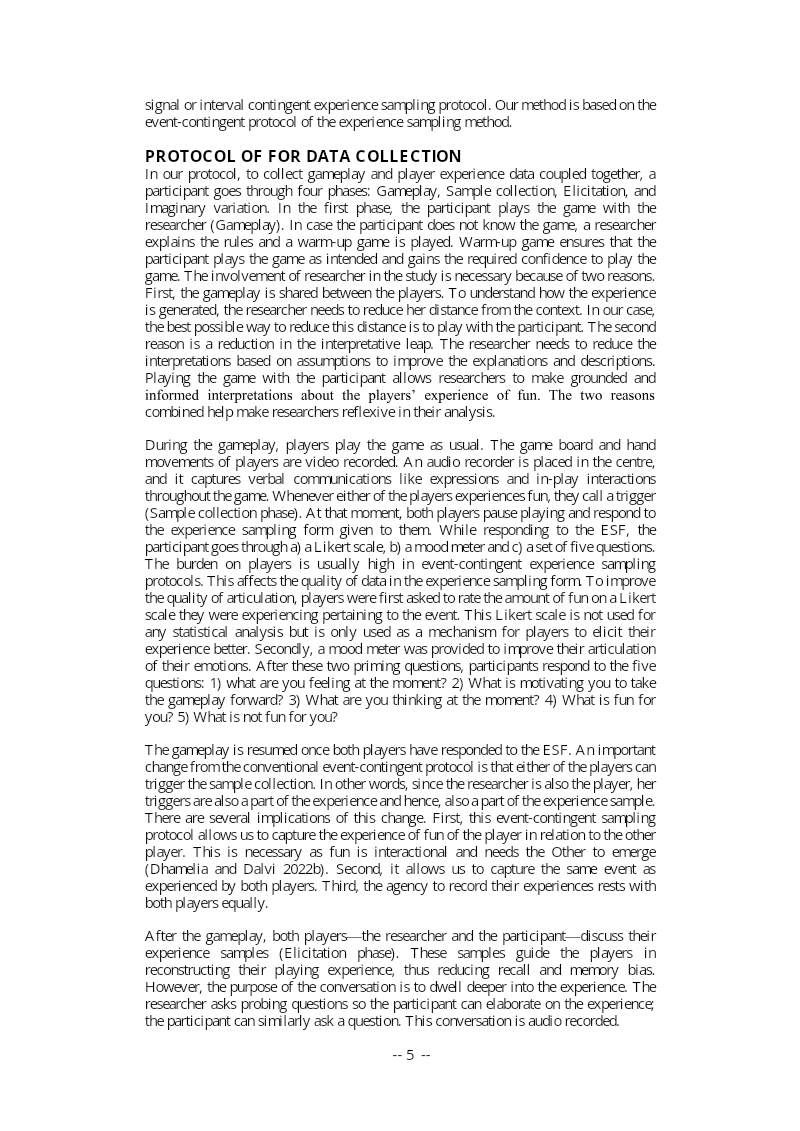
The study's empirical basis is a set of nearly thirty in-depth interviews with professional game developers working on both triple-A and independent titles across the United States, United Kingdom, Canada, Germany, Poland, Taiwan, and Singapore. The authors also plan to add interviews and surveys with several dozen players in the United Kingdom and Canada, aimed at uncovering the psychological and psychosocial motivations behind purchasing loot boxes and wagering on their contents. The document is presented as a conference proceedings paper and is at an early stage, with the player component still in progress at the time of writing.
The authors position their contribution as extending debates on videogame gambling by foregrounding consumer desire and motivation, and by reading social identity and status as a site of biopower within the political economy of games. Loot boxes, battle passes, and similar mechanisms are presented as a new technology of ambivalence through which a dialectic of alienation and disalienation plays out. The paper emphasises that the rapid spread of gambling-like monetisation across digital play makes this analysis timely and necessary.
DiGRA · 2023
DiGRA · 2023
DiGRA · 2023
DiGRA · 2023
DiGRA · 2023
DiGRA · 2023
DiGRA · 2023
DiGRA · 2023
DiGRA · 2023



DiGRA · 2023
DiGRA · 2023
DiGRA · 2023
Gamigion · 2025