1 free read left. Create a free account for unlimited reading + AI research.
Create free account
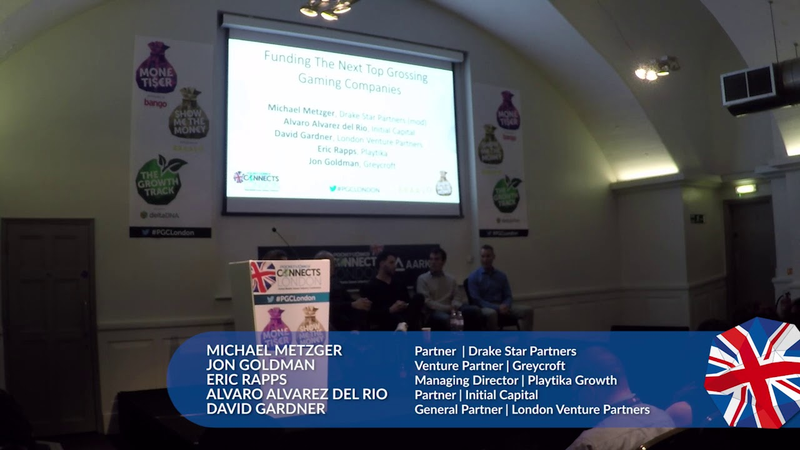
Funding the next top grossing games companies
Key insights
7 takeaways- 01Investors now prioritize teams that demonstrate operational discipline and a sophisticated grasp of monetization and user acquisition over those driven solely by creative passion.
- 02Founders must present a clear, data-driven business hypothesis to secure funding, as the current market environment is increasingly unforgiving to studios lacking professionalized scaling strategies.
- 03Strategic partnerships require caution, as accepting inflated valuations or excessive investor control can limit future exit flexibility and price companies out of subsequent funding rounds.
- 04The industry is shifting away from speculative trends like crypto and VR toward sustainable models, specifically focusing on cross-platform play and non-intrusive monetization.
- 05eSports remains a volatile and difficult primary business model for non-publishers, making high-quality game development supported by disciplined operations the most viable path to growth.
- 06While subscription models offer potential for consistent cash flow, they currently face significant friction when attempting to convert users from traditional free-to-play mechanics.
- 07User acquisition must be treated as a core competency, as smaller studios cannot compete with established incumbents without a robust, data-backed plan for scaling.
Ask AI about this video
Transcript
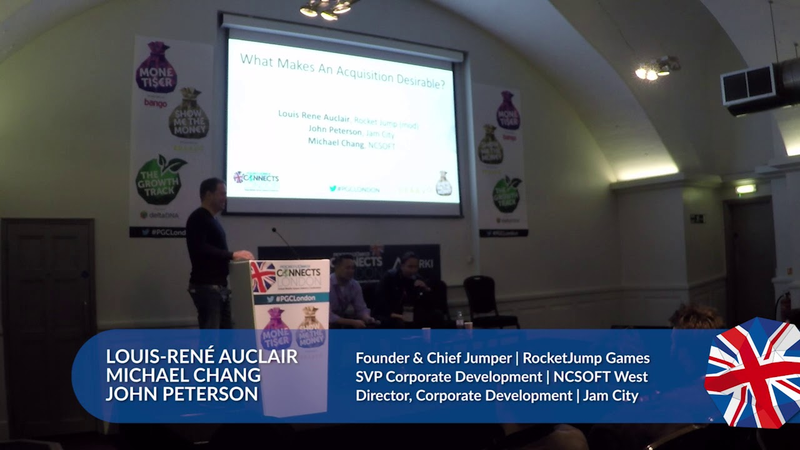
[Music] all right thanks everybody for joining the session here funding the next top-grossing gaming company we have a very interesting mix of investors investors based in the UK Israel and the u.s. we have a mix of early phase mid stage as well as financial and strategic investors so should be interesting maybe before we start can maybe everybody introduce himself quickly and give a quick background on the farm John Goldman I met great craft we are a broad-based investor in mostly mobile
install online technologies we've got about a billion 5 under management we invested every stage from seed through growth I in particular focus on gaming at the seed stage but I'm more broadly active in entertainment in general I most recently invested in a podcast company and then in addition I'm also active in the entertainment industry in Hollywood and I'm a partner in an entertainment firm I'm Eric Rabb's I manage corporate development and investment supply teeka I joined play tikka in 2016 I was with the former owner and when we sold a business to our current ownership group which is a Chinese consortium we sold it for 4.4 billion I joined and relocated to Tel Aviv we are the if you're not familiar with platica where the market leader in casino theme games and very recently we've been aggressively expanding into casual games so in the last 16 months we
did three acquisitions we bought jelly button-- Wooga and last week we announced super treat so that's on the corporate side on the investment side our investment business is called played to cut growth or PGI it's four hundred million dollar fund and it targets mid and later stage consumer Internet companies both games and non games and the whole sort of value add there is that we leverage our operational expertise in marketing analytics monetization it's really drive performance at the we're level algorithm with initial capital we're a London and San francisco-based seed stage panel focused on consumer internet and particularly games our team has a background as entrepreneurs behind companies like Glu Mobile and Playfish and as investors behind the companies like supercell and spacing I'm David Gardner with LVP we
are X Games industry people who realize that funding was messed up so we thought there's a big gap in the market to put people who understand games with people who are understanding money and bridge the gap with with that so we've made about 30 investments across our two funds we've invested a lot with with the initial guys in people like Playfish and supercell we've got some recent investments the next riot team called Steven knock-knock working on instant messenger games as I say 30 investments mainly in Europe that's our focus that's where we're based here in London but we've also been doing more and more in the US but really nothing outside of Western markets because Asia is a very special place awesome thank you all for joining what are the ingredients of a Fatah closing or future top grossing gaming company and when investing in one what's important to you you know gaming company or gaming related company or team about happy to start I guess
without being too quick fish with revenue is the top grossing I would say the it is a lot about the team I saw the presentation earlier from atomic oh and really at the end of the day I mean they're of course metrics are important it cetera but that comes after the team is successful so we've made investments where we thought that game is great and then we realized we weren't that great at picking what people like to play these days so that's something of a random piece but I think the team is something that could be heavily evaluated so team tough to pivot the teams have to learn teams have to adapt we're very keen to make sure the team is skilled works well deals with facts and can you know execute at a market appropriate speed depending on what their building is you know one speed to be doing hyper casual it's a different speed if you're doing a deeper richer in and though but I would say that's the the first filter I would
say increasingly I'm you know of course you want a great team increasingly I'm really trying to drill in on business design versus product design a lot of teams are very passionate about their games and the industry that's great but it's important to think through how you're gonna make money and who on your team has actually got that experience because it you know it is a much more competitive space particularly in mobile in figuring out how the features in your game tie to how you're actually going to be successful as a business is important to figure out sooner rather than later I would say for us what we look for in a gaming related investment isn't necessarily the top ingredients or the main ingredients in what will be a future top grossing game which sounds a little strange but the reason why we think that way is because we're position is a strategic investor so to answer the
question what is in those ingredients you know obviously retention is critical you need those short term and long term retention to really assess the viability of a product we also need to know how to monetize how to acquire users how to understand data how to optimize and it's been our experiences that very few companies let alone startups really have all of those ingredients so rather than trying to find someone because it really doesn't exist that has everything well we look for our companies that have some of those ingredients do it really well and then we could complement them and of course this is unique for us as opposed to the other more financial oriented investors and then will complement them so we'll find a team that really understands how to build well retaining products they're super creative but they don't know how to do monetization or they don't have to acquire users and we'll help in that sense yeah I'll just make a point of the the actual creative process because obviously team is the key and the earlier you go in the process the more important the team is
process is extremely important and Gaming is a very data-driven business in itself at the end of the day you need that third element which is the creativity to Alexis mentioned earlier the previous talk not to copying others and to be able to kind of create your own destiny si as a games company cool what advice would you give her that maybe has not had a major exit yet so not a great track record who is currently raving around for his firm that's also the universe softly chief investing in the space declined quite a bit over the last years so like one or two things of advice you would give him or her well for me I don't know if this necessarily applies uniquely to entrepreneurs who have failed I think that's that's really a kids by twos kind of basis and I need to know their background but I think the advice I would give more generally is that I
would recommend being very mindful of the business and financial implications of your strategy and decision making but very importantly to communicate that when you're pitching to investors so I think showing that you can think through how you're gonna scale the business how it will operate at scale what the what the impact of decision xyc will be on your margin profile or your cash flows it really instills a lot of confidence in in investors and I would say to you know I'm assuming that this is a little bit more of an investor or finance or an to track but to the extent there's any games people in the air obviously this is a super creative industry so not all CEOs are stated in that domain I would not be alarmed by that what I would recommend though is that you surround yourself Denver's who are and show to investors that you value that thinking rather than necessarily trying to mold herself into a finance guy if you're not yeah I would say resilience is key every single
company that I that I know has gone through ups and downs and good and bad times and some of the most successful companies in the sector you can think of today did go through those times as well and the future was not as bright as as it may be today and so you know maybe you take a hundred meetings and nothing happens and then all of a sudden someone understands what you're doing someone has a good personal connection with you or you just learn through the previous hundred meetings what it is that people want to hear yeah I was gonna say you know it's reflecting on the question it's a very noisy very competitive space if you don't have something to differentiate yourself it's it's going to be unlikely that someone's gonna take a writ about this risk so you have to figure out what that's gonna be it doesn't have to be an exit it doesn't have to necessarily I built and successfully exited a previous company
it could be I worked at this business I created this creative success or I've had you know a hundred battles that I've learned from and here's what I've learned or an impressive assemblance of a team or a thoughtful strategy it's incredible how much junk comes through I mean it really yeah it's it's staggering but people have to understand getting through the financing hurdle is just step one then you have to get through the consumer noise so if you can't kind of do the first and anyways so I just think trying to think about how do I stand out and do something to attract attention with the investors as well I think there are three things that you know occur to me so in instead of a broad-based firm like ours we probably looked at over 3,000 deals last year and what a lot of entrepreneurs don't take into consideration is just
there's actually a huge desire to say no just to clear off your desk so you're just trying to drill down to you know something that's time efficient and as a result so point two is I think a personal introduction is really important so like cold calling people is not a great idea because their dockets with introductions and then probably the most important thing I've noticed is that when you face objection a lot of entrepreneurs spend a lot of time trying to rebut and I think the real talent is trying to find investors that share your hypothesis as opposed to trying to convert people who put up objectives I don't know if you feel this way in my experience investors or abstract conceptual people so many start with a hypothesis and then within the game
space we you know have you know creative passion so we might be attracted to a particular thing but you should also as entrepreneurs learn to say no really quickly when you see somebody who doesn't share your hypothesis you know quick thank you is nice but you don't need to write an essay back you know rebutting everything just go into the next one until you find you know somebody who shares what you want to do great with a universal financial investors somewhat having decreased over the years we also saw a lot of strategics investing in companies from early mid to late stage when if it makes sense to include a strategic investor and if you ooh what should he be be cautious about will you have another choice no I think I you know when Eric was speaking earlier about the standards of excellence whether it's user acquisition or all elements of the business and I think our our advice for teams is that
if there's if you're going to significantly accelerate the success of the business by partnering with the right strategic because they're gonna bring a piece of the missing puzzle then be open to that and then the the gotchas the things you have to be careful of is do they exhibit any particular or do they have any particular hopes or extra control or exit and go in always with money that's looking for the highest return that can help neutralize that so if you you know if if you only take money from a strategic it's the joke I heard it last year's GDC was all those guys they've licked over cookie you know if they is if the strategic investor goes in and licks your cookie no one else wants it so you've kind of pre-sold at an early stage and that's unless that's your desired exit and there are a lot of companies whose dream
it is to be bought by a particular strategic and you know maybe that is the best thing I've certainly advised people actually I can see you're in love with that as your exit don't bother to if they're offering you money just go that way now I think that last point is very important because it actually comes down to the entrepreneurs desire it's a very it's a long road it's gonna take a number of years - if you're lucky and the stars align and build a big company you need to decide not only strategic investors but who is gonna be with you along the way and obviously David mentioned it but to me as a non strategic investor as a financial investor the the way I trade the strategic investor is the same way I treat another financial investor which is what are the terms what is the intense what is the personal faith and are you was an entrepreneur comfortable that that this person is gonna kind of
handhold you for the next few years yeah I think probably people think I'm a little bias here but I think I have a pretty objective answer which is you know it really depends on the nature of the business and the investment so you know if the I'll give you an example not all situations are problematic if you're a b2b oriented visit is a problematic situation so let's say you're a b2b oriented business and you was strategic on and you're trying to sell your product to competitors of theirs and they're getting in the way yeah don't go with them that's a terrible idea or if they if you think that there's a piece of technology that they're really trying to get you to focus on and pursue that route and it's not in the best interest of the business don't go with them I think generally what mitigates that is if your strategic investor is financially oriented so if you've played to go those who are will probably know this we're only financially motivated so yes we're strategic in the sense that we bring operational value to you guys we're not we're not trying to invest in
something like the way Intel would to get a upper hand in some chip or whatever we want to make money and so so for us my view is always as long as your interests are aligned with the strategic as long as they're bringing real operational value and as long as they have no rights or anything of that sort that would prevent you from exiting at the highest possible valuation then to me there's no reason not to accept a strategic investor either later on or at the earlier stages so definitely agree with all that I think that kind of dovetails with your last question for early entrepreneurs pricing is a really tricky issue and people don't realize until it's too late that you can price yourself into a wall and we saw that a lot with VR companies and one of the challenges that can happen with the strategic and I completely agree that it's a huge value add is that let's say you're teacher partner is a public company in
some place and they structure a deal which is investment in your company but JV with something they're doing maybe in their country and so they may sort of concede to high valuation company because they really valued the deal for the joint venture and the money that can contribute to their marquales market capitalization either US Europe or somewhere else and you can end up hitting a wall if you're out of mark if that's not the last money you need in your company if you need to get another round in the future you want to make sure that your round is typically set by a financial investor or a strategic that uses financial investment metrics because the worst thing is to accelerate through that curve you need some money and people won't look at your round because you're priced stupidly and meanwhile your strategic partner has gotten sort of the value it needs and
it's a home market so just something to consider but in general very valuable there's one other thing that I would add which is sort of a tip that I think investors are a little scared of to do sometimes and I would encourage you to do it and maybe that's because I'm Israeli now and there's a much more aggressive boots but are you a citizen I am officially citizen yes I work with Jerusalem Venture Partners factors they're awesome so I would recommend this I'll be in a meeting I'll give the spiel I just gave and maybe some people buy them maybe some people don't at the other day asking what my incentives are how am I getting compensated if I'm getting compensated by this exit I'm aligned with you I want you guys to sell for the most and if I'm not there's an ulterior motive that played and I would honestly recommend all of you be upfront with your investors because it's a long path with them you guys need to know your interests are aligned don't be scare about that I don't need to like game-changing innovations you're saying in the segments of anything you're super
excited about that's new there's a mixture of a lot of thing right now I think we're in a a zone where innovations in the business model and they and the thinking about widening the demographics of or games for girls more kinds of play styles for gamers that are you know less hardcore yeah it's something like the fortnight which has done so incredibly well it feels like it's just done an excellent job at number of different things rather than it's obviously not a big platform breakthrough is just all across all platforms it's a kind of a business model breakthrough on PC but then it was also on mobile you know so it it's just well executed on many different levels and I think we're definitely in a place where because the market has so many consumers things could become breakout if if they execute those things really well we've all been disappointed with VR revolving I think will soon be disappointed where they are for not already disappointed oh they are you
know crypto finally looks like it's a black mark rather than they can exciting next front so I think the obvious choices have been currently discredited but yep so that's my my current view I agree with that I think that I mean breakthrough is a very strong word I think what we are experiencing as the market is more mature is a convergence of different parts of the entertainment industry that games are being able to lever it and those that incorporate those into their own business model and manage to make the most of them are the ones that are there at the moment breaking out of the pack I don't think there's something that's such an innovation I would say but but something that has a that could be a profound change to the industry would be the changing economics of the industry
particularly and if the platform's lower prices I think that's a super interesting thing because I think there's been a lot of talk about that there's a lot of pressure being put on by discord and bacon Netflix and I think people are or the industry I should say is looking at it a little bit too simplistically so everyone's sort of assuming okay well we're gonna lower prices from argument sakes let's just say 30 or 20% well what's really gonna happen is everyone just gonna make 33% more and that cash is gonna send their balance sheet no but I feel like that's sort of what the industry things people are gonna take that money and they're gonna go spend it in user I'm CPI's are gonna get higher for everyone or some people may say you know what I'm gonna double down on content and make super high production value games and that's gonna set a new bar for everyone to community so for me if this even does happen which I don't think it will but if it does I'm sort of curious and interested to see what those unintended or unintended or unforeseen effects will be so a couple things I'm excited about one of the things I love about fortnight is that it's monetized so well yet it
doesn't really have a paywall and I've said for a long time you know putting on my entertainment hot is that you can't really entertain people fully if your business model is irritating them to pay you have to get people to pay for pure entertainment and I think that's really proven that and the other thing that I'm excited about is the bleeding of models so free-to-play is going up stream to more core games and then I think there's now excitement again about subscription and premium business models sort of migrating down to mobile so just in terms of the vibrancy of you know of gaming models and play patterns I think that's great and then I mean I don't know if there's got attention over here I guess this would be a third point but you know Netflix just did an interactive TV show that we're near is good is what
we do in the games industry but got quite a bit of you know viewership and so I think there's yet another group of players who are gonna be funding and distributing games which is very for game makers very cool so like two years ago to two or three years ago was all about mobile and PC was kind of from new investments one of the armors a bad word it seems the interest in PC came back quite a bit mobile a lot of people realized it became more challenging now with fortnight we see truly cross-platform is that something you're looking at where do you think we're gonna see more and more company that half the games truly cross-platform being a mobile PC and console you can play on different entities at the same time I think there are I think it does depend on the game and the players I think what we're
seeing is two types of very clearly differentiated players they're interested in different types of content more and more the casual players those that priced content are going hyper Cassville and attention ease is lowering even more and then you've got the hardcore players that are looking for a meaningful experience and I think that poured from PC over to mobile on the hard course I never truly happened what happened was that everybody was playing on mobile the world is more and more mobile and some players were looking at mobile as an alternative second type screen for them and I think what this opens have is a universe for those players to kind of go back where they belong and at the same time play on different platforms but I don't think it applies to every single type of game I
think that's probably right I sometimes and we think it's a really crazy day and we're trying to figure what the future is the concept of everything being cloud rendered and then display it on whatever portal device you have whether it's a mobile device or PC and being able to kind of merge between watching the influencer play and entertain in the game seamlessly and there is this kind of you know and maybe we will all be wired with virtual devices so that you can kind of mix reality instantaneously I can see this kind of ability to kind of lean forward and be active and play and then decide what I'm talking about to take a break and lean back and just kind of be an intense how those things might play out over much longer time horizons and anyone could probably forecast but I think there's still a lot of cool stuff coming we haven't talked about eSports
it's looking back to years ago I guess VR and AR was still super hot eSports was very hot it seems like we are they are more or less totally collapsed Wow eSports continued to become more attractive at least from a funding point of even looking some of those teams now you know getting valuations in the hundreds of millions at the same time it seems viewership continue to increase what's what's your outlook on eSports other certain things you like excited about I mean I I've over time come to sort of view it in two ways one idly stage investor with billionaire NFL team owners and so I think that the the nature of the investor really it's sort of a different analysis for them so if you look at the major sports at least in the United States the young viewership is really declining so this is chump
change for them too and part of a broader strategy to attract younger people that are franchises so that makes it in many cases economically unviable for me bid two is I've looked at sort of the different team investments and so forth in sort of the Ecosystem bets and I have a few of them I've got some training investments and this or that it comes back to me that the money is in the game like that is where that is sort of the pinnacle and where all the returns are and I guess it's a side corollary you know I've already got a 19 and a 24 year old like child the idea of managing like a team of you know my daughters like twenty four year olds like I mean that would drive me nuts yeah I can see that I sure the same view not on the daughters part I don't have any but look this is a
really difficult business if you're not a publisher I think people need to stop thinking about eSports as anything other than the byproduct of it so if you're trying to get into sports and you're a gaming oriented business focus on your game build an amazing game get a ton of users get passionate users maybe something will evolve but I can tell you what you'll still have an amazing game I think all the adjacent sort of business models have proven to be really challenging and this is something that we sort of looked at so I've mentioned earlier that I was with Caesars Interactive which was the former owner of played Zika base Nvidia so we have different interests or I should say interest but we different assets to leverage we could get into it from a digital perspective or we could just sort of use our premises to host tournaments and do sponsorships things that's work and we look at this as early as 2014 the this thesis has actually been right till now at least so if you're activision yes it's amazing if you're Joe Schmo and really small come go try and build the next League of Legends or sorry try and build the next
League of Legends but do it for the game not for the eSports success I would say but would add the other people making money or the twitches of the YouTube yes so there's the kind of eyeballs and selling ads using introduced yeah yeah I mean bit as an investor you can't predict which from justin.tv like I don't know that I would have invested and justin.tv at the at the time that it was launched I mean I think I think I I really agree with your theses I think the problem is where is the money and when I look at it it's it's it's not likely to be a VC typing better site but it would be in some kind of platform or some kind of aggregation to like it I mean twitches you know looking awesome yeah I think pretty much that is the conclusion that eSports is a very big market it's great for the and it's great that yeah it's great yeah excitement in the end of somebody else's money yeah
depending on who you are within the eSports industry there are different types of challenges okay so you're awfully confident in like next year eSports will be still considered as hot as it is now I think they're around I think there will still be money coming into there it Joe well I think my money exactly it's it's definitely the sports teams and me type you know looking for oh my gosh how do we these kind of snowflake millennial generation that we don't know what - yeah we don't understand them yet another thing that's relatively new now two years subscription services so we work with a company fresh planets on mobile trivia on the subscription revenue increased very significantly over the two years because people get additional stuff what's your view on subscription base apps of games I think
it's a great investment opportunity if you can find it again it comes you know so on the one hand mobile free-to-play games is just a huge addressable market so you know you have to look at opportunities so they you know you you have good and key and retention you you know you're hitting the mark and entertainment when people pay you for that entertainment and certainly the market's value subscription-based businesses like Netflix or you know for the longest time HBO is a huge value driver within within the Time Warner an empire because of that so I think it's still hard to get companies of the sort of scale that you can get in trouble for you to play but as something that you can build to a certain size and exit I think it's a great opportunity yeah I'm I'm bullish on subscription services as well and I think that the platform's themselves convinced themselves that that this is
part of their revenue going forward I think the challenge with games is that for that the mobile market is already kind of mature and for too long people have been used to having access to whatever content they want for free and having a certain type of model is free-to-play and then you spend if you want to without you know in the absence of the pay well if and when you want to that porting that model over to a to a subscription model that other spheres of the entertainment industry have experienced at a much earlier stage is a little bit more challenging when people have that mindset that it is clear that we're moving in that direction it's just a question of what you're gonna pay for how much they're gonna pay for it but I
think that as a business model it will it will happen don't have a different view I think the only thing I'd add to that is is that I'm interested to see if it's if the model that will work well for mobile game genres that have traditionally monetized via in-app purchase or if it's better suited to a smaller more narrow set of apps and then you know there's always a question of are you tapping yourself with subscriptions you know I I have a unique perspective on this because it played To Go we're very strong at in-app purchases so I know that on a sample size that's big enough I will monetize better in the long term off in app purchases 100% so am i leaving money on the table by going down the subscription room for me maybe for others no they may be it may be a better more consistent steady cash flow stream and that could suit them so I think it depends a little bit great another
platform instant games they Facebook seems to be the last year was challenging at the same time it's you know I can see being a great opportunity specifically for casual games what's what's your view nad I think it's definitely look for in terms of user act for me it's a no brainer for user acquisition the question is can it become a platform in its own right and monetization systems that are robust enough in its own right and where you get quality games going on there to to be to be decided I think there is a you know if you've watched any more acondo minimize their life things I'm worried about what's gonna happen to the app economy I think people don't even want to install things that I kind of hit max apps after so many screens it's like kind of nice to just go to a great website that just kind of handles it so I wonder if we may find that's a great place to experiment and explore then you say oh I like that enough to really make that an app on my device but you know some companies are out there we made an investment in a game called a company called knock-knock right what I loved
about those guys is they were very product focused they weren't just throwing crap against the wall and see what it's I just I'm not excited by that as a games industry person or as an investor I kind of want a bit more curation and awfulness and I think companies who are having success in hyper casual maybe a better position to succeed there just because the games aren't as deep like I can tell you for Plato you got maybe jelly button-- cuz one of our casual didn't like plate to cook or business we couldn't make a successful instant messenger game because it's just not our product expertise so I think the people who are really strong it at the more simplified mechanics may have some success obviously getting user what advice would you cap would you give companies on the on the you a side traditionally way versus you know working with influencers other kind of newer ways I think if you
are in a free-to-play business I think it's absolutely essential to have somebody on your team that's its expert in that I mean a lot of people are going after the same influencers I mean they you know to be a successful influencer you're basically streaming every waking hour so you don't have a lot of you know there's not a lot of mindshare to remember all your different promotional opportunities so I think you you have to have that basic skill set in the company in fact to sort of my comic the comment about building a business design before your product design you need to have your business hypothesis and then you you know in that business acquisition leader in the features around that's fine I think just as a small developer it's only gonna get more and more challenging to complete with traditional means of user acquisition
there's consolidation the big companies have a lot of cash they've got a lot of data as well from having had games and stores for years so John's comment is absolutely on point about influencers and the type of influences with and how you arrange those campaigns but something's something has to happen you have to do something creative and something different than traditional you a if you're a small developer because you're not gonna manage to scale unless you spend very significant allowance well I'm sort of baffled just and I'm sort of baffled that this is still a discussion topic in the industry honestly it's like this industry's been 10 years now if you not to be too discouraging but like if you don't have if I don't take you're not good if you don't a plan to do you a a scale get one or get out because you're not gonna compete
otherwise it's like to me it's like the most obvious thing we're gonna open a store you have no way to get people into the store why are you gonna open the store so it's like you know our our VP of user acquisition or residence Keys in the audience he manages a team whole many many millions it's extremely sophisticated it's it's not something that simple at all and I feel for the smaller developers but I would highly recommend that they to John's point address this early on figure out a business plan to solve this great do we still have time for a question for the audience they've heard something PCP all right cool all right thank you everybody thank you [Applause] [Music]
you
Summary
Securing venture capital in the modern gaming landscape requires a rigorous balance between creative vision and operational discipline. Investors prioritize teams that demonstrate a sophisticated grasp of monetization, user acquisition, and market differentiation over those driven solely by passion. Success hinges on a founder’s ability to present a clear business hypothesis and execute data-driven strategies, as the current market environment is increasingly unforgiving to those lacking a professionalized approach to scaling.
Strategic partnerships offer significant operational value, yet entrepreneurs must navigate these relationships with caution. Accepting inflated valuations or granting excessive control to strategic investors can create long-term obstacles, effectively pricing companies out of future funding rounds or limiting exit flexibility. Founders are advised to seek alignment with investors who share their specific vision rather than attempting to overcome fundamental disagreements, while remaining wary of terms that might restrict their autonomy or future growth potential.
The industry is currently shifting away from speculative trends like crypto and virtual reality toward more sustainable models, including cross-platform play and high-quality, non-intrusive monetization. While subscription models present a promising avenue for consistent cash flow, they face significant friction when transitioning users from traditional free-to-play mechanics. Furthermore, the competitive landscape demands that developers treat user acquisition as a core competency. Without a robust, data-backed plan for scaling, smaller studios will struggle to compete against established incumbents, particularly as eSports remains a volatile and difficult primary business model for non-publishers. Ultimately, the most viable path to growth involves building high-quality games supported by disciplined, scalable business operations.