1 free read left. Create a free account for unlimited reading + AI research.
Create free accountArticle GameRefinery
1 free read left. Create a free account for unlimited reading + AI research.
Create free accountArticleGameRefinery
This allows developers to achieve profitability with smaller, highly dedicated player bases, rather than requiring massive scale.
It's like a premium boutique that thrives on loyal customers, not just foot traffic.
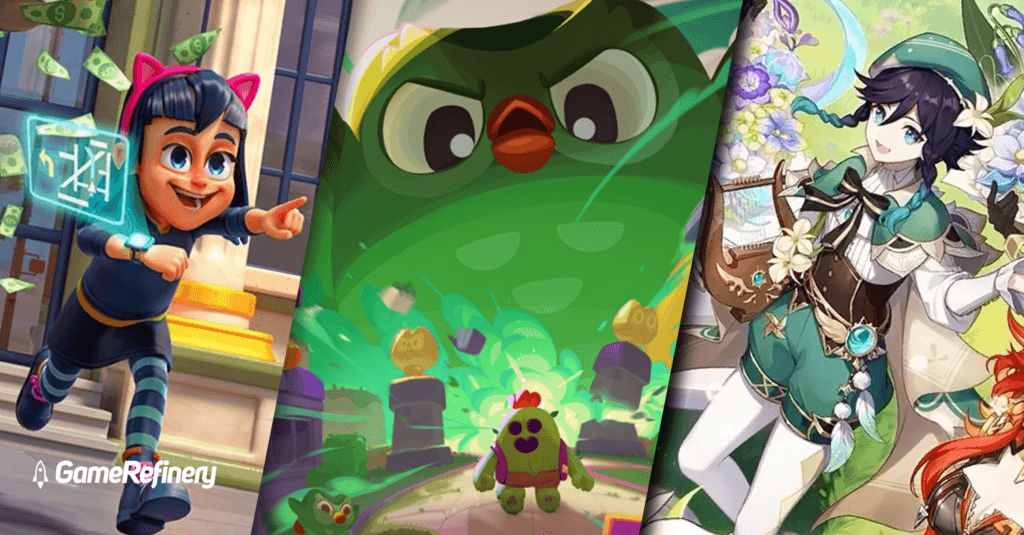
This document provides an in-depth analysis of Japan's mobile gaming market, highlighting key genres, monetization strategies, and cultural influences. The main purpose is to equip Western game developers with the knowledge necessary to succeed in this lucrative, yet distinct, market. Japan's mobile gaming sector boasts over 70 million players and generates billions annually, presenting significant opportunities for developers who understand local preferences.
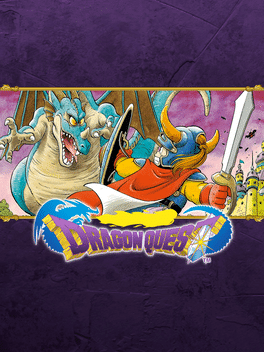
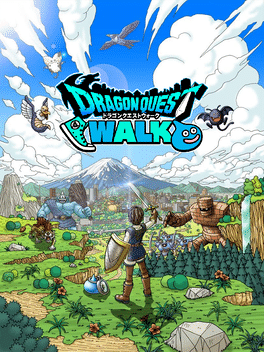
The analysis, published in October 2024, identifies RPGs as the dominant genre, with 38 of the top 100 grossing titles in Japan classified as RPGs, compared to only 11 in the US. This popularity is attributed to the genre's deep roots in Japanese gaming culture and its narrative similarities to anime. Location-based games, such as Pokémon GO and Dragon Quest Walk, also thrive due to Japan's public transport-centric lifestyle. Sports games, both realistic and anime-inspired, are popular, with Umamusume: Pretty Derby being a standout success that blends sports with idol management. Idol and rhythm games, often featuring real or fictional celebrities and music, represent another significant genre, influenced by Japan's arcade culture.
A crucial aspect of the Japanese market is its high Average Revenue Per User (ARPU), which is significantly higher than global averages, allowing even niche genres to be profitable. The primary monetization mechanic is gacha, featured in over 90% of the top 20% of Japanese mobile games, approximately 20% more than in the US. Gacha mechanics are deeply integrated into core gameplay, often for acquiring characters essential to progression, and are presented with elaborate, interactive animations that enhance the player experience. For Western developers, successful market entry requires meticulous localization beyond mere translation, adapting game design, mechanics, and monetization to cultural preferences, and leveraging Japanese seasonal events like Golden Week and Shōgatsu to drive engagement.
Each row is a game or company this document names, each column a document, oldest first. A mark means that document names it. Select a row to see those documents.
GameRefinery · 2026

GameMakers · 2021
GREE · 2021
Mistplay

Newzoo · 2026

GungHo Online Entertainment · 2026
COLOPL · 2026

Two & a Half Gamers · 2026

Mobilegamer.biz · 2026

DiGRA · 2026
DiGRA · 2026

KLab · 2026

Sensor Tower · 2026