1 free read left. Create a free account for unlimited reading + AI research.
Create free account
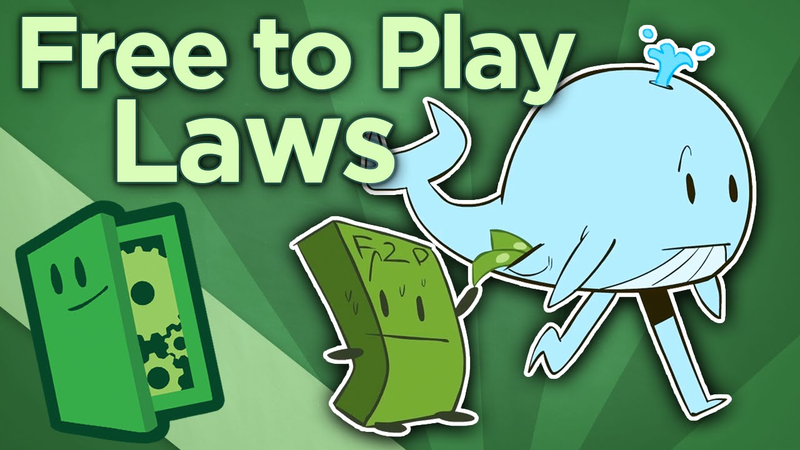
Free to Play Laws - Can We Stop Predatory Practices? - Extra Credits
Key insights
6 takeaways- 01Current regulatory efforts, particularly in the EU, disproportionately focus on protecting children, which serves as a political mechanism that avoids impacting the core business models of F2P games.
- 02The primary targets of predatory monetization are vulnerable adults—such as those with compulsive spending habits or social isolation—rather than children, who lack independent access to credit.
- 03Effective future safeguards must shift away from performative protections for minors toward comprehensive ethical standards that address the root causes of compulsive spending for all players.
- 04F2P companies actively identify and cultivate high-spending 'whales' through personalized incentives, leading to severe outcomes like financial ruin and significant psychological distress for these individuals.
- 05Systemic change remains elusive because many F2P companies rely financially on the exploitation of high-spending user segments, despite internal awareness of the resulting personal harm.
- 06The gaming industry faces a critical choice between adopting meaningful self-regulation or risking broader, potentially ill-informed government intervention.
Ask AI about this video
Transcript
a few weeks ago James was on a panel at a conference and they got around to discussing the regulations that the EU has recently put on free to-play it was a fantastic discussion but something nagged at him in his half exhausted conference Haze he couldn't quite put his finger on why these regulations rubbed him the wrong way later on the flight home he realized that there was a deeper reason for the stance that he'd taken at that panel so today we figured we'd put that right and talk about the really interesting legal landscape forming around free-to-play games so first some background a few years ago in the EU they implemented some laws to protect children from predatory free-to-play games and the intention here was great though the implementation was terrible Apple yanked titles from the app store for just calling themselves freeo play regardless of what the game actually was or who it was targeted at many small Indie devs who were actually trying to do free-to-play right went out of business because of this and some of the worst offenders found that way back to the App Store in
just a few weeks with clever ways to circumvent the restrictions it's a mess but all that is on companies like Apple and Google and the way they responded to these laws not actually a problem with the laws themselves what James realized too late to discuss at that panel and what really bothered him about these laws is that as positive a step as they are children are actually not the ones free-to-play games really prey on children don't have credit cards and there are enough ways for a parent to keep their child from spending $10,000 on a game that children only make up a small fraction of the free-to-play money coming in no the people predatory free-to-play really targets are people who are depressed people who just suffered a bad breakup or who lost their job people without a social outlet people who find community in these games a community they don't want to let down or people with compulsive personalities who know they shouldn't be spending on these games but just see each purchase as one little tiny thing they want to do in the moment until those purchases add up and again these laws are good to have
and are probably used differently in the EU than in the US but the thing that makes James angry about them is that he's been talking to members of the US government about ethical free tolay a great deal over the last year and the problem is it's really easy to score some quick political points by quote protecting children while actually getting nothing substantive done and because the rare cases where some child runs up a $3,000 bill on these games always ends up on the news it's very easy to pretend as if putting in some guidelines for those specific scenarios somehow solves everything that's wrong with free to- playay while not actually cutting into the bottom line of companies that are ruining people's lives in US politics this is exactly the sort of law you pass to sweep a problem under the rug and not actually have to do something about it and I really hope the EU doesn't use these laws as a similar excuse because working in this industry you hear the real effect of these games all the time a woman who maxed out her credit cards trying to support her clan and had to be hospitalized for being near SU suicidal
when her payments couldn't go through because she felt as though she'd let everybody who depended on her down a father who stole his children's college fund to support his free-to-play compulsion a lady who when the company whose game she played bought her a plane ticket to come to a convention to meet the team that built it couldn't go because she couldn't afford the train ticket to the airport as she had spent literally every cent she had on the game these are all real stories stories that have been shared with us by people in the industry or stories we've heard firsthand and how do we know these stories because free-to-play game companies actually keep in close contact with their biggest whales they'll often reach out to them personally or send them little gifts to show them that they matter that the company cares about them and when they reach out to these people sometimes these are the stories they get back and the worst part is even when they hear these stories nothing happens sometimes Brave individual developers will quit or walk away from those companies but systemically nothing every major free-to-play company has at least a few of these stories the most
exploitative ones have dozens maybe hundreds and yet we don't act because many of these companies financially depend on their ability to pray on just such people so look I prefer responsible self-regulation to regulation by those who know nothing about our industry or what we do but eventually if we as an industry don't act laws will have to be passed to protect the most vulnerable of these game companies victims and when they are I hope we don't just use children as an excuse to avoid the real problem see you next week [Music] a
Summary
Current regulatory efforts regarding free-to-play (F2P) games, particularly those implemented within the European Union, focus disproportionately on protecting children. While these initiatives represent a positive initial step toward oversight, they fail to address the core demographic targeted by predatory monetization strategies. Because children lack independent access to credit and represent a small fraction of total F2P revenue, legislative focus on this group serves as a convenient political mechanism to appear proactive without impacting the underlying business models that drive industry profitability.
The actual victims of predatory F2P practices are often vulnerable adults, including individuals suffering from depression, social isolation, or compulsive spending habits. Industry data and anecdotal evidence reveal that companies frequently identify and cultivate high-spending players, known as whales, through direct engagement and personalized incentives. These practices often lead to severe personal consequences, such as financial ruin, the depletion of savings, and significant psychological distress. Despite internal awareness of these outcomes, systemic change remains elusive because many companies rely financially on the exploitation of these specific user segments.
The industry currently faces a choice between implementing meaningful self-regulation or accepting external government intervention. While legislative bodies often prioritize high-profile, emotionally resonant cases involving children to score political points, such measures are insufficient to curb the systemic harm inflicted upon vulnerable adults. If the gaming industry fails to adopt ethical standards that address the root causes of compulsive spending and predatory design, it risks the imposition of broader, potentially ill-informed regulations. Ultimately, the focus must shift from performative protections for minors toward comprehensive safeguards for all players susceptible to exploitative monetization.