1 free read left. Create a free account for unlimited reading + AI research.
Create free account
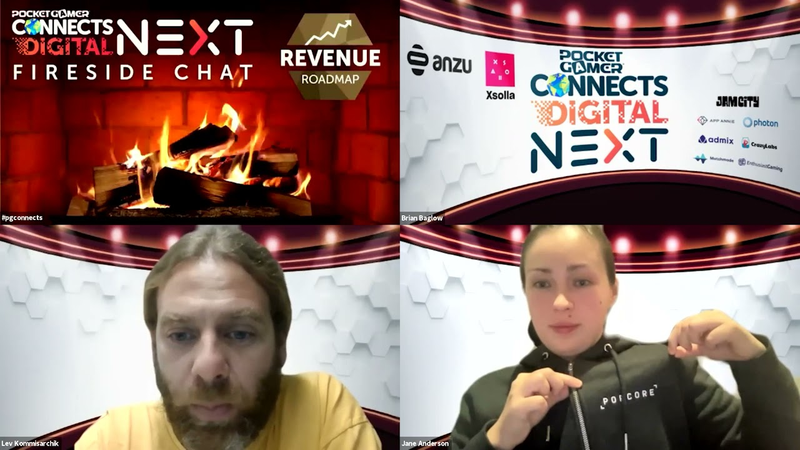
Fireside Chat: What the Mobile Space Looks Like as we Head into 2022
Key insights
6 takeaways- 01The mobile gaming market is projected to reach $116 billion by 2024, fueled by an average daily consumption of 155 minutes per user.
- 02The industry is undergoing rapid consolidation and structural evolution as major players pursue mergers and acquisitions to scale operations and integrate monetization services.
- 03Monetization management has shifted from manual waterfall processes to automated, data-driven bidding, moving the focus of professionals toward product-level integration, A/B testing, and user segmentation.
- 04Developers are increasingly adopting hybrid monetization models that combine traditional rewarded video and interstitials with non-intrusive in-game advertising and subscription services.
- 05Mobile monetization techniques have become the industry standard, with console and PC developers now adopting strategies originally refined within the mobile sector.
- 06Industry leaders are maintaining a cautious stance on blockchain and NFTs, prioritizing regulatory clarity and operational stability over immediate adoption of these emerging technologies.
Ask AI about this video
Transcript
we now come to a more gentle and relaxed part of our program a fireside chat and we are going to welcome back two uh of our favorite people uh lev from anzu and jane from popcorn hi folks good afternoon how are you hello good afternoon hi hi lev good to see you again jane nice to welcome you um so i i believe all i have to do is let you guys pour yourselves a brandy uh or a glass of wine relax in front of the crackling fire and or indeed a green tea whatever whatever floats your vote and i will let you guys get on with that i'll pop back in towards the end of the
session and we can pick up with any questions but i shall leave you to introduce yourselves and you know get moving thank you so much thank you so much so um we're so happy to be here and i really want to uh welcome jane anderson from popcorn leading the monetization there after spending several years in the field at gameloft and zeptolab where jane was also leading monetization thank you for joining me today and myself i'm leading a games mobile games at the anzo in-game advertisement platform we'll get to that a little bit later i just want to introduce also my glass here and then to move it back to the metaverse then it's transparent yeah it's it's actually funny we can
play with the metaverse i can play this uh all day long or all evening long especially now with this quasi fire next to us and it's uh actually very cool almost as cool as the development and evolution of the advertisement and gaming markets in the recent years um you and i both uh experience this as they say on our own skin um being part of the changes looking at the acquisitions so just to name several uh several things that happened in the past few years well let's start from the fun one uh well a gdpr right the introduction of all the privacy and then apple introduces a beloved privacy policy uh that the whole uh the whole uh industry shaked and shook before and
after and still basically licking the wounds and maybe um followed by previous and recent acquisitions and mergers um like uploading their first buying uh max and then buying safe decay and now buying mopab who previously acquired cross install it looks like all the industry is bridging together um how do you feel about that in general does it make you excited excited it's been a super hot year i mean the there was a period of like three weeks i guess when there were like acquisitions after acquisitions of the acquisitions announced and everything has been like uh on fire i think that it's super exciting it's been an amazing year for the uh advertising space the market is consolidating we see that like it's time i guess to to draw a map already on the
wall you know like who which companies belong to which companies because uh even when we were discussing it with you yesterday you know it's like it's it's insane amount of acquisitions that have been happening and yeah like big companies are getting stronger um we're also a client of uploading of mugs so um yeah like mediations are getting stronger um big guys are basically getting bigger you know they're very excited about what's coming next so this is actually interesting the big guys becoming bigger the small buys the smaller guys growing and coupling up and joining the the big guys i also wonder how eventually it effects on our daily routine i remember once sitting here actually in tel aviv literally one block from where i'm uh located right now talking with you about your frustration that you need to wake up in
the middle of your uh weekend and to double check your waterfalls that nobody got crazy on ecpms and didn't increase or decrease span anymore so does it er is it a distant memory or is it something that you still do well uh it's uh it's a very nostalgic memory i guess it's been maybe like three or four years but yeah it's been crazy time like no now everything is so much different um i guess it was just the beginning of the waterfall era let's say of the networks introducing the cpm flaws and the several placements several instances to be like put into the waterfall and uh the networks were not stable with the flaws and with like how the system worked in general now that the beating is has stopped already into our lives you know like more than half of the waterfalls are unbeaten and are automated um the shift is changing the role of the
administration person is changing greatly um the waterfall managers are looking for more product roles they're looking into new formats new ways of submitting users new ways of offering users the rewarded videos new ways of showing like interstitials you know um rewards interstitials like many many things and i think that all these acquisitions and all this development of the industry in the last like two three years basically led us to changing our not only daily routine but our thinking as monetization people and our role in the company thank you um zara here just ask which studio you represent so popcorn would be it sarah at this note i want to welcome you to submit questions if we kind of have open discussion we don't have really agenda
for what we want to cover so if you want us to take that somewhere you're welcome um in the meantime so let's uh take it to the free time that was freed up and the actually the desires of testing new grounds so actually can you tell us a little bit from your experience what are the new adventures that you take on yourself nowadays well the first thing is that we can finally ap test stuff right like we have more time to test features in popcorn would not implement anything without testing so basically every single sneeze in the game is going through the a b tests including the waterfall blasts so there are no like changes out of the blue and hoping for the best so everything is being tested it's very much data-driven the immunization people are way more involved in the product life in the game
design part uh we're looking into the whole funnel of uh like how the user acquisition is doing you know how the cohorts are doing and we're basically developing more like 360 view on our users while before we were just aiming to get higher cpms from the networks by striking deals by optimizing waterfalls by testing stuff tell me blindly you know um so basically you say that the monetization and the traditional monetization stabilized and now you can a b test on new activities and so one uh one new potential revenue stream would be in-game ads that are quite strong uh nowadays um so can you tell us a little bit about your thoughts of uh this format so far we're testing it um
we didn't advance yet and i cannot like draw like any great conclusions i think that it's very interesting space the native ads the in-game ads and audio ads as well um they kind of appeared again into the market because i think that there was like a lot of noise about this format like five years ago but now with the brands probably um having more interest in the gaming and the publishers basically evolving more in the ad format space you know that everybody knows that banners and traditionals and rewarded videos are the standard stuff that you can get att at a bit of your revenue you know um because you cannot track stuff anymore and it makes all the sense to to test some of the new formats to um to get some some of the incremental revenue i don't think that it's gonna replace in the nearest future the standard stuff that we use simply because in-game ads
are not clickable and it's more for brands than for people like us um publishers and developers you know but um it's an interesting stuff to look at and it's a potential additional revenue so why not thank you and by the way one word about in-game ads for whoever is not as well familiar as uh jane and i uh in few sentences uh the in-game ads are meant to be ads that are displayed within the gameplay itself for example if you take a racing game there will be billboards if you take a sport game it will be the commercials where you expect them to have and when you take other games such as hyper casual different games there are ways to implement those ads to look naturally within the game um okay so this uh is about that i see here that we have a question about
a subscription-based monetization model no ads only no iep's only a monthly payment what do you think about that jane well it really depends on the product so basically the for this kind of product you have to be serving content that looks more like netflix you know that the the content that you're going to be consuming and there's going to be the value of you prolonging the subscription so it's not like you buy a game and it's a fixed product that is not being developed further uh i think to take into consideration here is also that the ads um is sort of an alternative payment method because ninety percent of people do not pay um either because it's like i don't know um their decision you know that they're not gonna pay in the games or because they they cannot afford it so we're showing ads as an alternative payment method and
that's why this model exists basically the administration model um so it depends on the content for a casual content heavy game i agree i would generally interesting it's up to testing that really i would say that if you have this game and your iaps are not working already uh the chances that the subscriptions gonna work uh are pretty low so for subscription to work you first have to see that people are actually spending real money in the game i i would agree on that also from my personal experience it has to be of a very high value for example i enjoy my subscription to youtube and just to have it flawless no interruptions on all the screens but hey it's youtube yeah but we also offer the ad based uh
stuff that i'm i bought like 95 plus of youtube users do not have the premium access so basically to answer the question it's both you can choose between the uh real money or watching ads so this actually was my next sentence that at the end the hybrid approach probably works in all cases going to the office hybrid approach and and also monetization models and even if we continue to actually digest uh the recent acquisitions and we name drop another few mergers and take a look at van gaal and lift and lift off coupling up a huge hyper casual publisher suddenly acquiring am casual studio like bombay um zynga acquiring uh um acquiring uh
no charge boost right to streamline their in-app purchases looks like companies are hybriding themselves diversing their investments yeah everybody is looking at 360 approach um getting getting these services around their main service sort of okay so in in your perspective what actually from the studio perspective from the game development perspective what you can do nowadays in order to open up yourself to to more revenue streams to um kind of improve uh your potential as a game designer well let's start with uh talking about the standard at four months so if you don't have the standard ban intercedial reward feature okay i'm gonna um i'm gonna go through the revenue rewarded video interstitial banner if
you don't have three of those um probably you need to look into the in-game data and try to look for the ways where the users are turning you know um into the ways how you can submit to users um offering like i don't know live ops for ads live ops let's just assume that you do have those um but maybe they're not performing as well well there's always a point when it just doesn't work okay i mean um if it doesn't work and you think that you did everything in many studios and in actually all of the studios there there are the points when you just kill the product because it doesn't work uh if we're talking about the optimizations of the like live unsuccessful games that would be indeed like user segmentation um [Music] new ad formats um
it's it's a very interesting question because last year i would probably answer it in a different way you know how would you answer last year well maybe not last year but couple years ago i would say like try to test new mediation platforms try to test new partners now we're living in such a like stabler environment that the difference between the products are pretty minimal of course like you still have to have all the top players in your like um mediation stuck you know but but yeah it's it's getting more and more consolidated so again when i'm trying to reverse engineer and to remember what was in the past i remember the days where actually interstitials and rewarded video was not adopted uh in gaming um and it gradually penetrated uh while i was arguing with some publishers how
they could potentially implement a rewarded video when they don't have a currency or they don't have the game so would you say that uh there was an evolution how the games and the studios actually adopted or adopted this format um i think it's more about psychology of people and people don't generally like ads and it took quite some time for many developers to accept the existence of the ads and rewarded video made a great job you know converting people from uh iap pure iap monetization monetized schemes to the iep plus rewarded video and then you see the money from rewarded video and you're like well i have this like long time non payers you know maybe i can start showing them just issues you know and then the banners come into the picture so yeah during like the past maybe three four years the exposure of the administration has been
growing and growing i think that we can hardly find any developers nowadays that do not have ads exactly so you know that at anzu we actually have a unique opportunity to look at the past and in the future at the same time because anzu serves not only for mobile developers but also for console and pc developers and those are actually about five six years behind us um but they're the same exactly so they think the same way they talk the same talk but only back in time so sometimes we can speak with them and companies like sega ubisoft even ea even several some departments that have both mobile and uh and other platforms and actually they're in exactly the same place where you what you're just describing oh no we are solely relying on our paid
uh paid games um or we're just trying to flirt with ads but we don't really know and obviously the business people want to flirt with the ad and the game designers actually object any violation of their games but this is funny because we already know how it will end we know that but the funniest part is that we copied stuff from web express as mobile game developers you know we copy stuff from web like all the technologies that we have right now all this had a beating fuss you know it's been on the web for how many like five seven years you know um and yeah it's crazy here it's also interesting to think how the networks got away from not adopting this transparent technology for years and they gained such power and such valuation uploading 38 billion dollars current source 11 billion billion dollars really
from selling ads on on our property um tremendous uh in in my opinion so so on the in-game environment we actually see the same paths happening now when publishers with their free time and free development uh resources starting to flirt with those ads more and more the only different part is that the demand unlike the regular demand is not ua-based but brand based um do you have any thoughts or uh actually questions about uh the brands uh i know that we've all heard for about the brand dollars for years i'm sure that sure that you have some thoughts or doubts about it um well i don't have any doubts about it actually the brand dollars are there
you're like the the publishers that uh just have the sdk based networks they simply do not see the split between the brand dollars and the um i don't know the the the game dollars you know i don't know how to submit it because um we take uber uber is a brand it's a brand uber is buying cpi campaigns is it a branded campaign or it's a performance-based campaign you know but brands are there like a large portion of google's demand is brands large portion of facebook demand is brands and it's it's the same for all the networks in reality and that's probably one of the reasons why the in-game um had started popping up again right that five years ago the exposure of mobile gaming space was um smaller for for the brands guys and the the brand people they're they they're
not as vibrant you know they're not as fast as mobile game developers it took them quite some time to get used to um people playing games normal people not like the teenagers that they that they see in their mind you know like the geeky teenagers like playing um games uh but actually everybody of all the ages so yes you're definitely right the brands are there and their dollars sometimes are masking behind other stuff and sometimes they're on the way we just need to enable them um by the way i have another session on thursday on another event talking a lot about brands and how to enable them um but uh one thing to say is that surprisingly all our familiar brands the bmws the mercedes says the banks the insurances the coca-colas at the end they spend way more on advertisement than all the gaming
industry together only that they spend it on traditional advertisement which is tv newspaper uh billboards and what also already became traditional is a digital digital man web um so the gaming environment is just becoming relevant for them they're only now acknowledging justice jane said that the people who are playing games are not those necessarily youngsters and only geeks and it's everyone um some researchers show that about 78 of the population plays some games so looks like uh we're kind of out of time right brian here joined us to tell us exactly that i was here to give you a two minute warning folks i've been listening along in the background it's been it's been really really fascinating and we've got a couple of quick questions from the audience if i
may an interesting one i thought was a question from the audience you say we inherit a lot of tech from other places with the growth and interest in the mobile market do you think we'll be setting the tone for future tech and monetization techniques do you think the mobile sector is now pioneering the tools techniques business models revenue streams that are going to feed into the rest of the digital world in the future it kind of depends on where the phones are gonna be in the future you know like if the phones continue getting bigger and people continue spending more and more time there then most likely yes but it's more about the device you know um like the monetization techniques of mobile gaming are basically dictated by the people's in like interfering with the devices you know and with the games that they're playing so yeah but anyways like look at the console world right now they're they're
trying to stuff that we have right now working on the mobile very good point a very very good point um and and one la one last one and it comes back to the either the hot topic or the dreaded issue at the moment which is nft and blockchain um have your company's been looking at this is this something that you think is going to have a fundamental impact on the way that we interact with games and apps in the future um we didn't like look into it very deeply there there are a lot of companies that are looking um at it and there's like a lot of talks a lot of discussions happening but me honestly i don't have like um an opinion about it you know it's i guess it's too early to say for now yeah yeah live do you have anything to well those very nice buzzwords and since we're already got fired from ios 14 uh
it's nice to have new buzzwords um personally i'm not enough familiar to comment on that um i know uh that anzu will eventually comment on that but uh will take the time first very wise very wise it's a as several several speakers in various tracks over the last couple of days have said it's it's early days we don't know what's happening with regulation with legislation where this is going to end so yes i think keeping your own council is a is a good position right now well um folks it has been a genuine pleasure and i was wanting to jump in much earlier but you guys were going um fantastically well you covered so many topics it's it's not an easy sector to talk about you know there's so much change the m a the investment just the evolution is ongoing so and being able to sort of listen in to two experts really sort of drilling down and picking out the bits that are of
interest to you i thought was absolutely fascinating so thank you very much indeed for your time this afternoon and i look forward to to catching up with you in a real world pocket gamer event in the in the very near future hopefully in january hopefully january we shall keep everything we have crossed and it only remains for me to say thank you again at lev jane it has been an absolute pleasure thank you again and we will talk to you very soon bye you
Summary
The mobile gaming industry is currently undergoing a period of rapid consolidation and structural evolution, driven by significant market growth, shifting privacy regulations, and advancements in adtech. As of late 2021, the mobile gaming market is projected to reach $116 billion by 2024, supported by a substantial increase in daily mobile consumption, which has risen to an average of 155 minutes per user. This environment has prompted a wave of high-profile mergers and acquisitions, as major industry players seek to scale their operations and integrate diverse monetization services.
The industry has transitioned from manual waterfall management to automated, data-driven bidding systems. This shift has fundamentally altered the role of monetization professionals, who now focus more on product-level integration, A/B testing, and user segmentation rather than manual ad network optimization. While traditional formats like rewarded video and interstitials remain the standard for revenue generation, developers are increasingly exploring hybrid models. These include in-game advertising—which embeds brand-safe, non-intrusive ads directly into gameplay environments—and subscription-based models, though the latter is noted to be most effective for content-heavy games with established in-app purchase behavior.
The discussion highlights that the mobile sector has become a pioneer in monetization, with console and PC developers now adopting techniques originally refined in the mobile space. While brands are increasingly active in the mobile ecosystem, their spending is often masked within performance-based campaigns. Looking forward, the industry remains cautious regarding emerging trends like blockchain and NFTs, prioritizing stability and regulatory clarity over immediate adoption. Ultimately, the sector is moving toward a 360-degree approach to monetization, where studios leverage diverse revenue streams to maximize the value of their user base in an increasingly mature and consolidated market.
















Comments