1 free read left. Create a free account for unlimited reading + AI research.
Create free account
How mobile will boost the games market to over $100 billion
Key insights
7 takeaways- 01The global games industry is projected to surpass $100 billion in revenue by 2017, fueled primarily by the mobile sector and rapid growth in Asian markets.
- 02Asia—specifically China, Japan, and South Korea—is the primary engine for industry growth and the most active region for high-value acquisitions and initial public offerings.
- 03Over-the-top messaging platforms like WeChat and KakaoTalk are disrupting traditional distribution channels by dominating domestic mobile usage.
- 04Mobile games generate over 70% of total global application revenue, outperforming traditional console and subscription models in profitability and development efficiency.
- 05Multiplayer and player-versus-player mobile games generate up to 13 times the revenue of single-player titles due to superior engagement and retention metrics.
- 06Independent developers should prioritize strategic partnerships with corporate entities and focus on data-driven metrics like lifetime value to secure capital in a post-2011 market.
- 07The industry is undergoing rapid consolidation, forcing companies that cannot scale organically to pursue M&A strategies or regional partnerships to remain competitive.
Ask AI about this video
Transcript
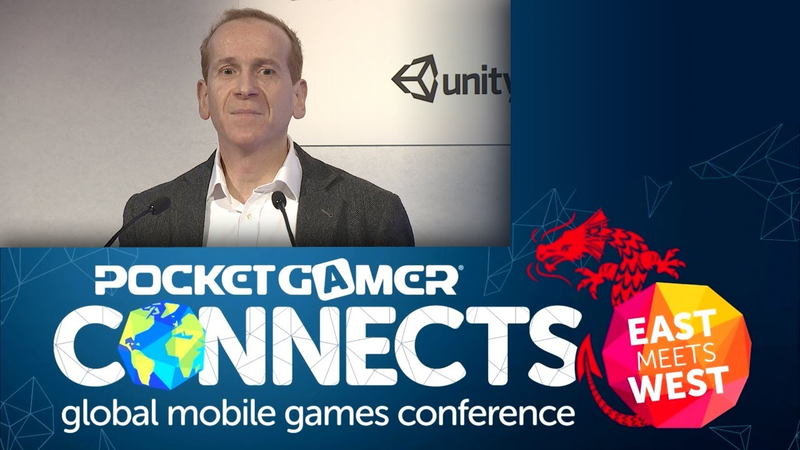
okay I'm Tim Miller from BG Capital um we're an investment bank for games and apps Focus across Europe America and Asia in particular we help folks with selling their companies raising money strategic reviews and Industry analysis so we're going to talk a bit about some of the analysis of the industry now some of the broad themes we've just released our Global games investment review for 2014 last week our new forecasts are that we think the industry as a whole will go over 100 billion by 2017. the growth is coming out of mobile and Asia in terms of M A itself last year was a record year 5.6 billion dollars of Acquisitions if you actually include the management part of Activision Blizzard is actually more like 7.9 billion the previous year was around four
Asia's a huge driver for that we'll come back to that in a second in terms of the overall economics a lot of the growth in the markets coming out of Asia so quick show of hands how many folks here have spent a lot of time in China Japan and South Korea okay very small number of hands you people need to get out more um you need to talk to folks like Steve Gray from tencent like Kurt Q Lee from gameville if you're actually going to be serious about making a success of your company you need to be looking at Asia in terms of investment it recovered slightly from the previous year to around a billion and mobile and taking gamification dominated games dominated mobile app usage and revenue I'll talk about some of the numbers there in a second and lastly over the top messaging with apps like WeChat cacao line are a new disruption to the industry to give you a simple step from the the report we did a detailed analysis of how mobile messaging apps are beginning to dominate some domestic markets in Korea last week 40 of the top 100 iPhone apps were on
cacaotalk huge opportunity but also a challenge so mobile is going to take the industry to 100 billion by 2017. if you look at the different sectors and the growth there what you see are is that everything else is doing okay online is doing okay but what's going to take the industry over that number it's mobile and regionally a lot of the growth is coming out of Asia and if you think about the markets that you're in Asia and Europe combined will be over 80 percent of the revenue of the market globally so if you're focused just on the states it's fine for now but if you're thinking about the long term for your company again Asia is extremely important when you're thinking about M A and investment last year was a record year 5.6 billion 9 of 10 top Acquisitions last year were by Asian buyers so again if you're a mobile games company that's doing well and growing and you're not building relationships in China in Japan in Korea
then your chances of getting a good exit are much lower because you're cutting out a lot of the market the IPO Market's also been interesting um again I imagine not many folks in this room but know that there have been 15 games IPOs in the last three years but 13 of the 15 Asia again you need to look about Market if you're thinking about raising money if you're thinking about selling your company if you're thinking about growth So within M A and within investment what's been happening well this is a look at the aggregate by sector and again we analyzed all the sectors in detail all the transactions that are all in the report you can go and have a look but Mobile's dominated both M A and investment in m a it's a clear runaway Leader by far in terms of volume in terms of the value of deals it's all mobile it's not surprising it's where the growth's coming from it's where the profits are it's what where the drivers are so it makes sense that people are making land grabs in these markets
in particular it's important that a bunch of these deals have been pan Regional so whether it be across Asia I mean supercell is the obvious one to talk about but also a lot of domestic deals so a lot of deals within China within Japan so looking at those markets again internally important for fundraising again Mobile's been dominating but also the tech space again particularly around mobile has also been doing well the thing that I would say is actually show of hands how many folks in here are from corporates as rather than independents Okay small hat so for the few guys in this room if you're thinking about raising money raising money for a games company even if you're in Mobile from a VC right now is difficult because of what happened after this social bubble burst in 2011 VCS aren't hard to raise money from you should be talking to the corporates they come with strings because they'll want some strategic value but they can give you money where others can't so if you're thinking about investment you need to be thinking about relationships with some of the corporates for Independence if you're in the mobile
space you're the right place to be raising money but the thing you need to be showing are metrics detailed metrics because before anybody's going to give you a penny they're going to want to know that actually you're performing it's not just a matter of monthly active users or daily active users it's it's three-day retention seven day retention conversion rates lifetime value you need to I know all of your numbers if you're going to raise money from anybody if you're going to be selling your games company in terms of the public markets what mobile has been driving them and again some of the Asian IPOs have been driving them now the the important line to look on this mess of lines here is the red one which we again we we have comparables for all of the individual public games companies globally the red Line's the mobile line and even though there was a bit of a spike in the in the middle of last year the overall trend from mobile for public companies is up so again in terms of thinking about exits thinking about M A that's where you should be looking what's been happening is the market split into a two-speed Market what we call the big V is split the market into
value and volume markets the value markets are the old markets the console subscription MMO due to some of geographic markets volume markets where everybody in this room is mobile mobile social over the top that's where you've got much higher used numbers basically Peter and Tommy were talking about these numbers before so there's no secrets there lower rpus than the other markets but also lower costs to develop much lower cost to develop even now higher profitability higher growth rates basically where you are is the right part of the market to be in in terms of games as as part of the apps market again it's important to think about how dominant games is within the app space right now if you think about usage Blended across IOS and Android tablet and phone you see about a third of usage for tablet Standalone it's about two-thirds of usage so that's great when it comes to Geographic markets it's the states Japan China South Korea the
UK those are the important markets for making money but when you look within apps last year games accounted for over 70 of all apps Revenue globally and the overall Market's growing quickly but but games as a share of overall apps has also been growing so again Great Space to be in great space to invest in Great Space to look for exits now free to play and communal gameplay have been changing Dynamics across sectors now mobile has historically been more of a single player activity it's moving much more in the multiplayer Direction so more communal gameplay both competitive and collaborative is where things are going for everybody but also obviously free to play a huge part of the market now paid you can still do well with pay there's nothing wrong with it but in terms of where the Market's going free to play is where the market is to a large degree and that's only going to increase again we've got forecasts and detail of Revenue as to how that split's going to look going forward and the reason why this is
changing is frankly money if you look at the comparison of a single player game versus a multiplayer player versus player and player versus environment in some cases you're seeing up to 13 times Revenue uplifts people engage more they get more involved in it they play more the phenomenon that happened in MMO it's the same thing it's basically that deep engagement that long-term value that's where the value is in relation to mobile and that's why so many people are now moving towards more communal experiences when it comes to consolidation so again in terms of the independence in the room is anybody thinking about selling a company at the moment okay so basically all startups raising money the people on this on this chart the company's on this chart are the ones you should be thinking about building relationships with now if you're actually early stage and the reason being is these are the guys who are going to end up doing the trade the trade buyers and the guys at the top obviously are the ones to try and build relationships with today but actually if you're building a company and in two or
three years time you're going to be selling your company then the guys in the middle and lower down actually those are the ones to build their relationships with because if you'd spoken to to Tommy and Peter three or four years ago and and you know you'd be thinking about selling your company well you know there's no way they could have thought about buying you you know now they're in a position where if they wanted to of course they could so the people who are growing the ones are changed this whole pyramid is changing all the time changing incredibly rapidly so building relationships understanding those Dynamics as to which of these players are buying which companies for what reasons that's really important for you as independent so lastly I guess this is not going to be surprising this is a consolidation curve for um the games Market if you're an independent in the mobile space and you're thinking about what you do you shouldn't be standing still you should be thinking about two things right now one m a thinking about selling your company if you've got the metrics if you've got the traction if you've got the brand if you're thinking about Peter's world
then it's a great time to be thinking about selling again the supercell deals the oldest poster shell deal to talk about but if you aren't there yet then just building organically may not be enough and so thinking about how you raise money how you partner how you get help to grow into other markets Now's the Time to be doing it so I guess lastly if you want any more information about any of this stuff go and have a look at the report it's all there to read um and feel free to catch me afterwards thank you
Summary
The global games industry is projected to exceed $100 billion in revenue by 2017, a milestone driven primarily by the rapid expansion of the mobile sector and significant growth within Asian markets. Analysis indicates that mobile gaming has become the dominant force in both mergers and acquisitions (M&A) and investment, characterized by high growth rates, lower development costs, and superior profitability compared to traditional console or subscription-based models. While the United States remains a key market, Asia—specifically China, Japan, and South Korea—is identified as the primary engine for future industry growth and the most active region for high-value acquisitions and initial public offerings.
The industry is increasingly bifurcated into value-driven legacy markets and volume-driven mobile markets. Within the mobile ecosystem, games account for over 70% of total application revenue globally. Success in this space is increasingly tied to communal gameplay, such as multiplayer and player-versus-player experiences, which can generate up to 13 times the revenue of single-player titles due to higher engagement and retention. Furthermore, the rise of over-the-top messaging platforms like WeChat and KakaoTalk is disrupting traditional distribution, as these apps increasingly dominate domestic mobile usage.
For independent developers, securing investment or achieving a successful exit requires a strategic focus on Asian partnerships and rigorous data-driven performance metrics, including retention rates and lifetime value. Because venture capital remains challenging to secure following the 2011 social gaming bubble, developers are encouraged to cultivate relationships with corporate entities that offer strategic capital. Ultimately, the market is undergoing rapid consolidation, and companies that fail to scale organically must prioritize M&A strategies or regional partnerships to remain competitive in an evolving global landscape.